


This article was automatically translated from the original Turkish version.
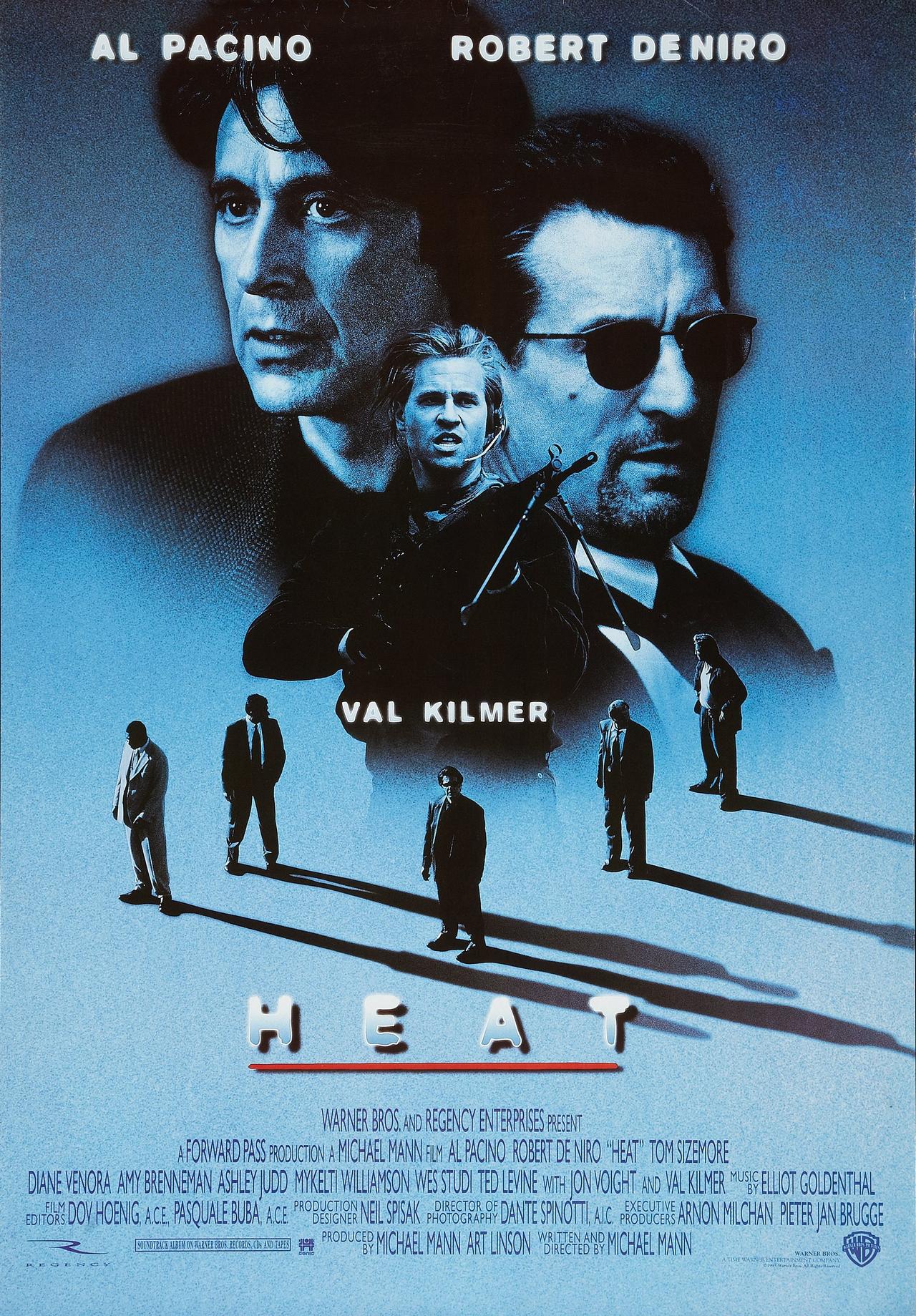
Heat (Great Settlement)
Original Title | Heat | ||||||||
|---|---|---|---|---|---|---|---|---|---|
Director | Michael Mann | ||||||||
Screenplay | Michael Mann | ||||||||
Actor | Al Pacino Val Kilmer Robert De Niro | ||||||||
Music | Elliot Goldenthal | ||||||||
Duration | 170 minutes | ||||||||
Production Year | 1995 | ||||||||
Country | United States of America | ||||||||
Big Heist (originally titled Heat), directed and written by Michael Mann in 1995, is a significant cinematic work that deeply explores the crime and thriller genres.
Featuring Al Pacino and Robert De Niro in leading roles, the film draws attention not only through its action sequences but also through the detailed portrayal of its characters’ inner worlds, the cinematic representation of urban life, and its narrative intensity.
Set in Los Angeles and centered on a mental duel between a criminal and a detective, the film has secured an important place in cinema history through its stylized visuals and narrative structure. Heat transcends the classic storytelling conventions of crime cinema, offering viewers a story that navigates the boundaries of crime, justice, and human nature.
class=\
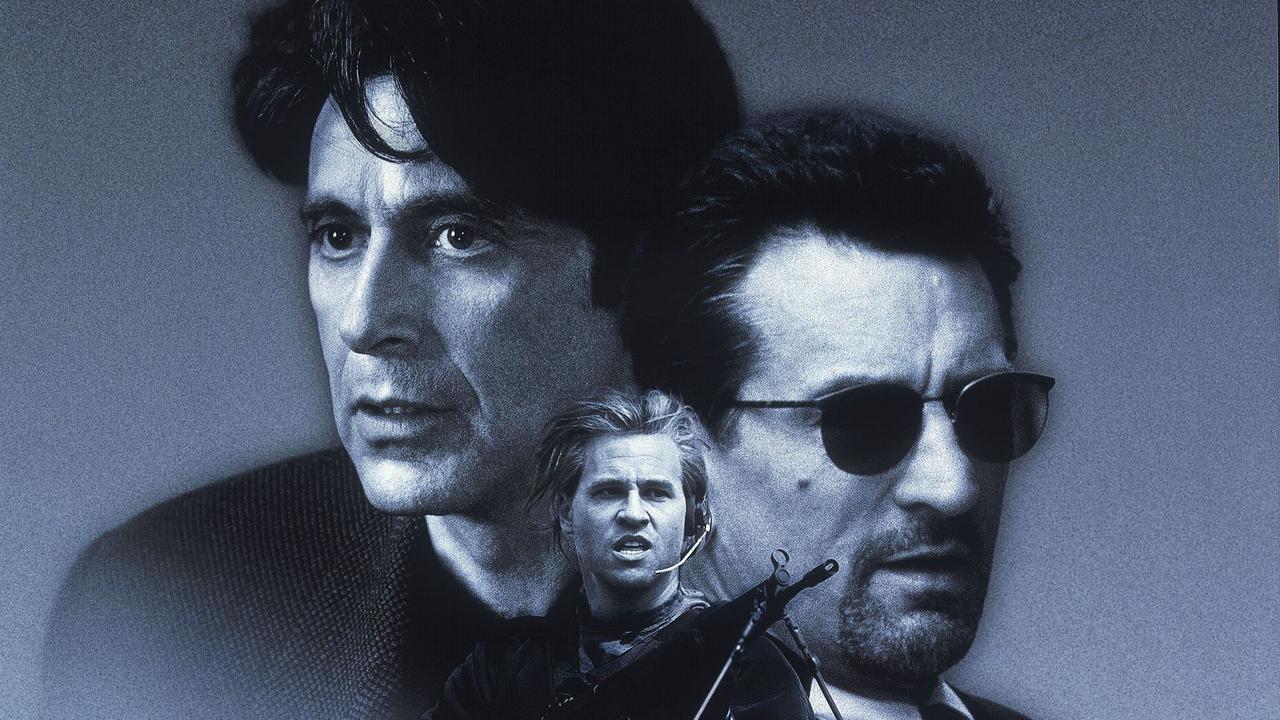
Heat is a crime thriller set in Los Angeles. The film focuses on the mental and strategic conflict between Neil McCauley (Robert De Niro), a professional crime gang leader, and Vincent Hanna (Al Pacino), the obsessive police detective determined to capture him.
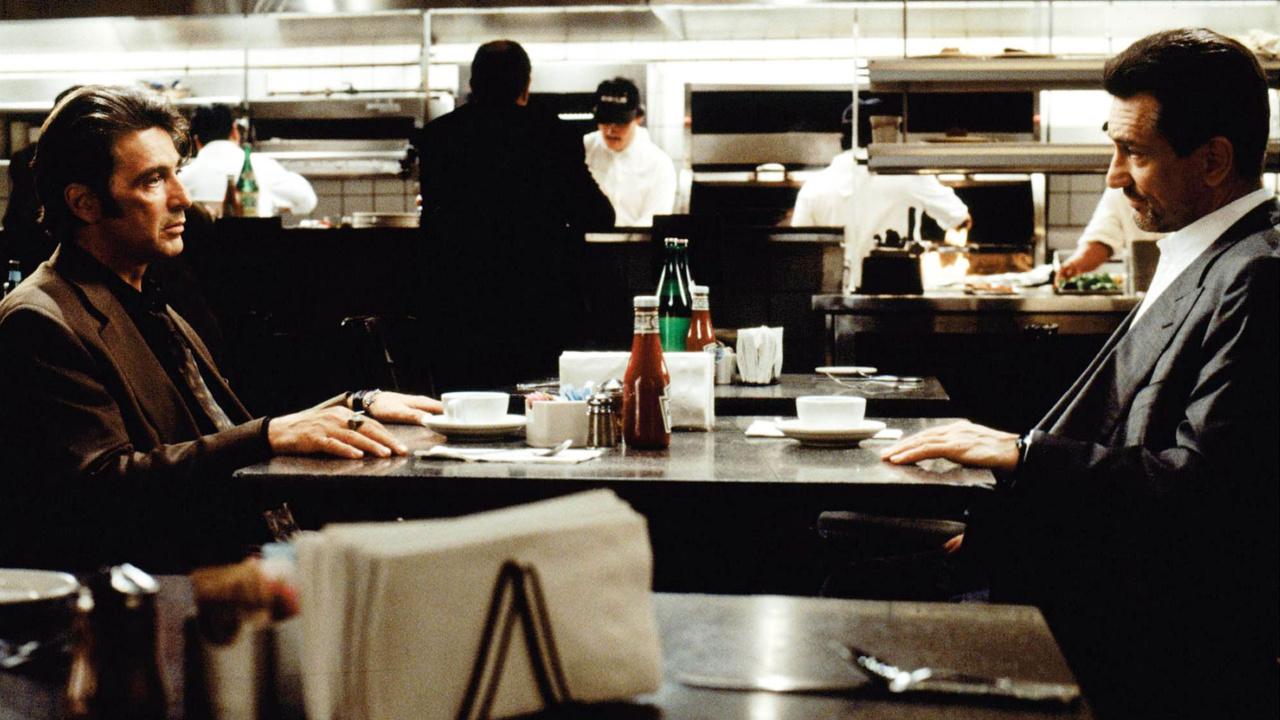
Throughout the film, both characters’ professional lives and personal worlds are explored in depth. As McCauley plans his final major heist, Hanna remains resolute in his pursuit. The scene in which the two characters finally meet face to face is regarded as one of the most iconic moments in cinema history.
Michael Mann developed Heat as an expanded and restructured version of his own 1989 TV film L.A. Takedown. The screenplay was inspired by real events involving a police officer and a criminal in Chicago during the 1960s.
The film is notable for its authentic location shooting, detailed character analysis, and action sequences. Mann provided on-the-job training for the actors; for example, De Niro and his crew received real firearms training to prepare for the armed robbery scenes.
class=\
Heat holds a significant place in cinema history as the first film to feature Al Pacino and Robert De Niro sharing the screen. The conflict between the two lead characters adds distinct psychological depth to the narrative and strengthens the film’s dramatic structure.
The contrast between Robert De Niro’s portrayal of a calm, controlled, and methodical criminal and Al Pacino’s depiction of an energetic, reactive police officer deepens the film’s dramatic tension. In addition, Val Kilmer’s performance as Chris Shiherlis introduces an additional layer of drama, enhancing the film’s character diversity and emotional intensity.
The film explores central themes such as crime and justice, loneliness, professionalism, loyalty, and fate. Mann does not draw a clear moral line between criminals and police officers; both sides have their own value systems and struggles.
The film also gives space to the characters’ private lives, revealing their individual and human dimensions. At the same time, the urban setting—particularly Los Angeles—does not remain merely a backdrop but emerges as a dynamic atmospheric element in constant interaction with the characters.
Dante Spinotti’s cinematography is renowned for its night scenes and metallic-toned cityscapes. City lights, glass surfaces, and dark atmospheres reinforce the film’s noir sensibility.
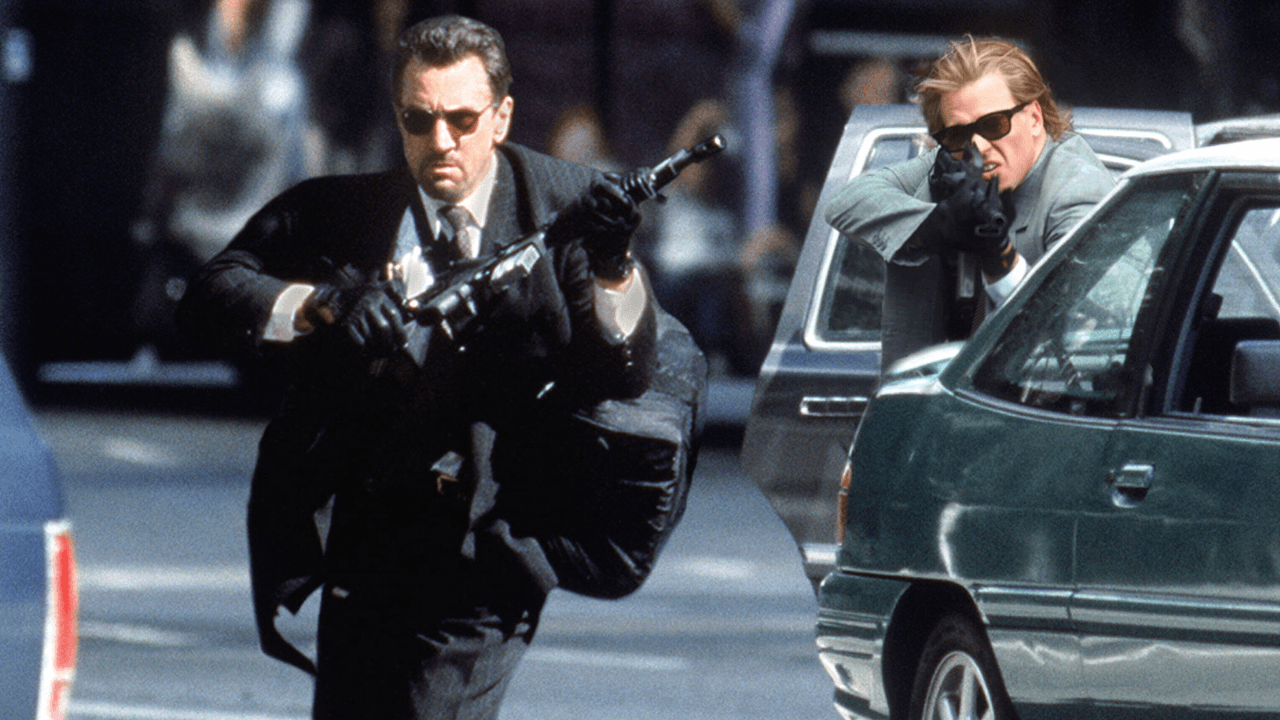
Elliot Goldenthal’s score enhances the dramatic impact of the scenes. Particularly, the urban confrontation sequences stand out for their use of natural sound. The bank robbery scene is regarded as one of the most iconic in the genre due to its real-time audio recording and on-location filming.
class=\
Upon its release, the film received largely positive reviews from critics, who particularly praised its narrative depth, character development, and balanced use of action.
Moreover, Heat is frequently studied in cinema research due to its psychological depth and stylized narrative language.
Heat has attained cult status and is regarded as a production that has exerted a lasting influence on both critics and audiences. The film has significantly influenced numerous directors and producers through its cinematic treatment of urban action and crime scenes, becoming one of the key examples that shaped the narrative and visual structure of crime cinema.
The bank robbery sequence has openly served as inspiration for many modern films, beginning with the 2008 film The Dark Knight. Additionally, as the first film in which Robert De Niro and Al Pacino share a scene, Heat is recognized as a pivotal milestone in cinema history.
Michael Mann’s Heat transcends the boundaries of a mere crime film and is regarded among the masterpieces of cinema history for its character analysis, thematic intensity, and visual storytelling. Through its multidimensional approach to crime and justice, its stylized cinematography, and its performances, the film has transformed into a classic that defies genre boundaries.
Beyazperde. "Heat." Accessed March 31, 2025.
Box Office Mojo. "Heat" (1995). Accessed March 31, 2025.
Box Office Türkiye. "Büyük Hesaplaşma." Accessed March 31, 2025.
Ebert, Roger. "Heat." RogerEbert.com. Accessed March 31, 2025.
IMDb. "Heat" (1995). Accessed March 31, 2025.
Letterboxd. "Heat (1995)." Accessed March 31, 2025.
MUBI. "Heat." Accessed March 31, 2025.
Movies Wiki. "Heat." Fandom. Accessed March 31, 2025.
MyMovies.dk. "Heat (1995)." Accessed March 31, 2025.
Rotten Tomatoes. "Heat (1995)." Accessed March 31, 2025.
The Numbers. "Heat (1995) – Financial Information." Accessed March 31, 2025.

Heat (Great Settlement)
Original Title | Heat | ||||||||
|---|---|---|---|---|---|---|---|---|---|
Director | Michael Mann | ||||||||
Screenplay | Michael Mann | ||||||||
Actor | Al Pacino Val Kilmer Robert De Niro | ||||||||
Music | Elliot Goldenthal | ||||||||
Duration | 170 minutes | ||||||||
Production Year | 1995 | ||||||||
Country | United States of America | ||||||||
No Discussion Added Yet
Start discussion for "Great Settlement (Film)" article
Plot Summary
Production Process
Performances
Themes and Narrative Structure
Cinematography and Technical Elements
Criticism and Academic Commentary
Cultural Impact and Legacy