


This article was automatically translated from the original Turkish version.
Gordion Museum
Earth | Yassıhöyük Village Polatlı Ankara (on the Ankara-Eskişehir highway) 18 km northwest of Polatlı | ||||||||
|---|---|---|---|---|---|---|---|---|---|
History | 1963 (founded next to a village with a population of 500) | ||||||||
Location | Near the point where the Sakarya (Sangarios) and Porsuk Rivers meet | ||||||||
Ancient Gordion Settlement | A history of over 4000 years, from the Early Bronze Age (3000 BCE) to the Seljuk Period (11th–13th centuries CE) | ||||||||
Exhibition | The chronological arrangement is represented by characteristic examples from each period | ||||||||
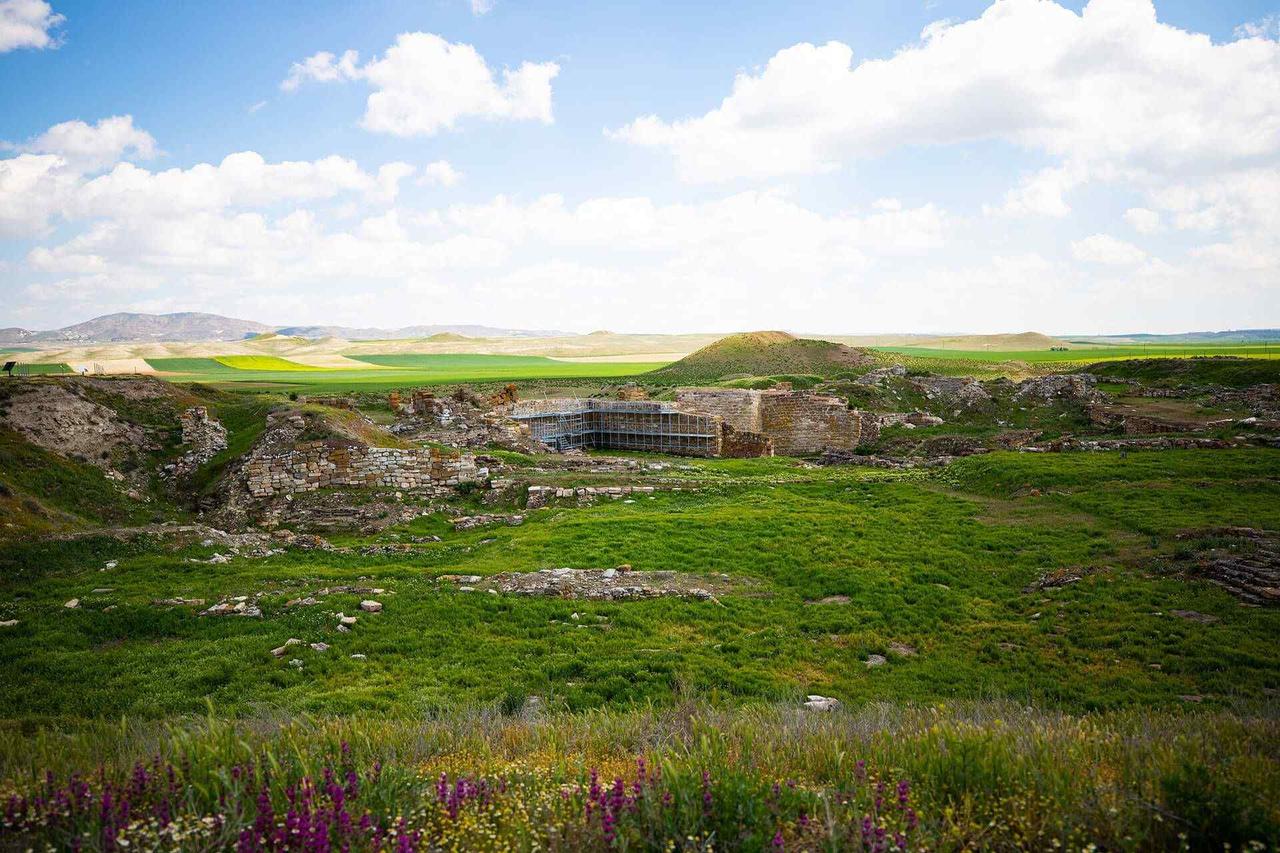
Gordion Museum was established beside Yassıhöyük, a small village with a population of 500 at the time, in the Polatlı district of Ankara in 1963. This area, which contains the ruins of Gordion, the capital of the Phrygian Kingdom, is located near the confluence of the Sakarya (Sangarios) and Porsuk rivers, along the Ankara-Eskişehir highway, 18 kilometers northwest of Polatlı. Museum has been enriched over the years with additional storage areas, laboratories, and exhibition and information halls, and in 2000 it reached the finals of the European Museum of the Year competition, becoming one of Türkiye’s most significant museums.
Gordion Museum (turkishmuseums)
Gordion is an ancient settlement that has been inhabited since the Early Bronze Age (3000 BCE). Its most prosperous period was during the 8th–7th centuries BCE, when it was destroyed by the Cimmerians at the beginning of the 7th century BCE. Under Persian rule, Gordion survived until the first half of the 6th century BCE, and was conquered by Alexander the Great in 333 BCE, where the famous Gordian Knot was cut. Together with the Hellenistic (300–100 BCE), Roman (1st century BCE–4th century CE), and Seljuk (11th–13th centuries CE) periods, it bears witness to over 4,000 years of history.
When the museum was established in 1963, its purpose was to display artifacts excavated from Gordion. Today, the museum presents a chronological exhibition, representing each period with characteristic examples.
Gordion Museum (turkishmuseums)
The artifacts displayed at the Gordion Museum span from the Early Bronze Age through the Middle and Late Bronze Age, Early Phrygian period, Hellenistic Age, and Roman period. Major exhibits include:
The fibulae, first used by the Phrygians in Anatolia, are metal brooches designed to fasten clothing. Operating on a principle similar to modern safety pins, these items became symbols of status among the elite due to their intricate craftsmanship. While most fibulae are made of bronze, examples in gold, silver, and brass have also been found. Like their use in clothing, fibulae were also placed as grave goods with the deceased.
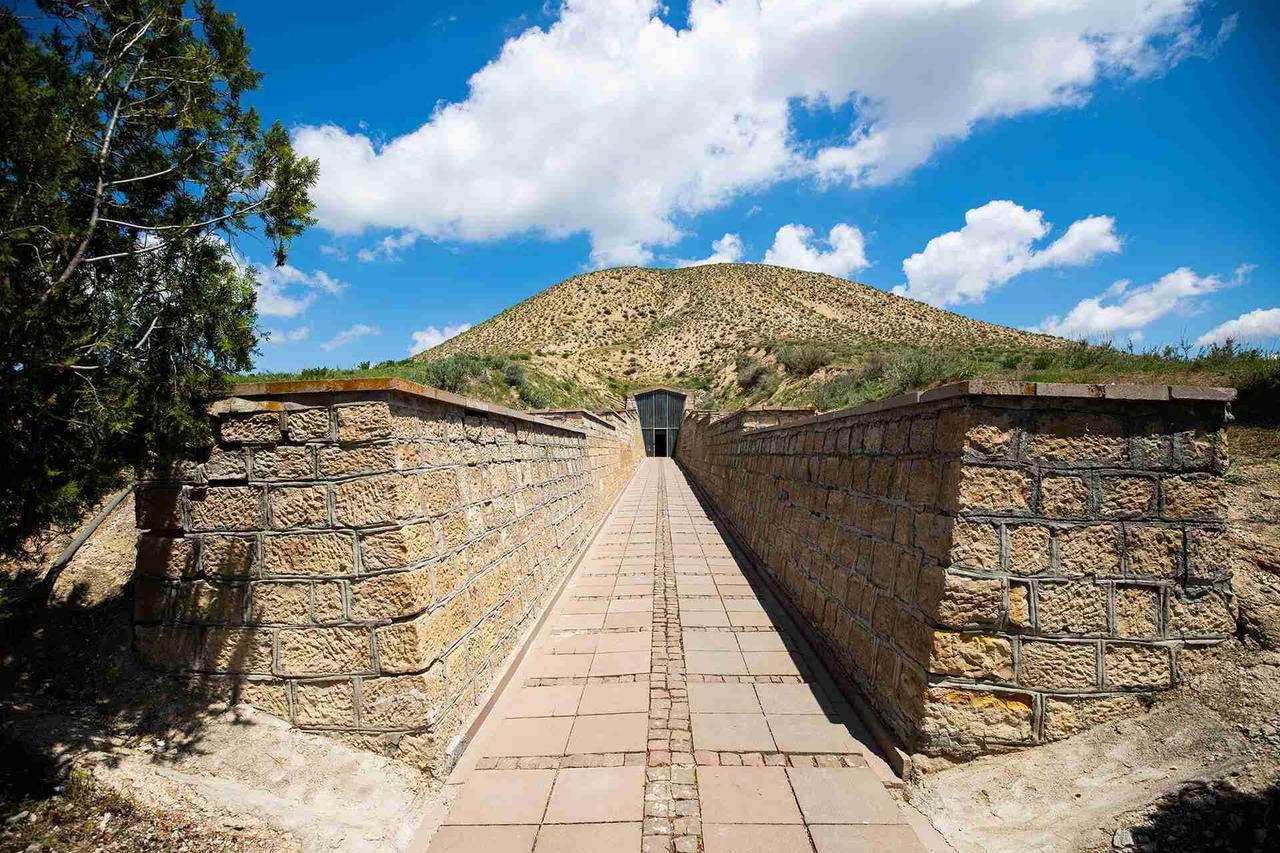
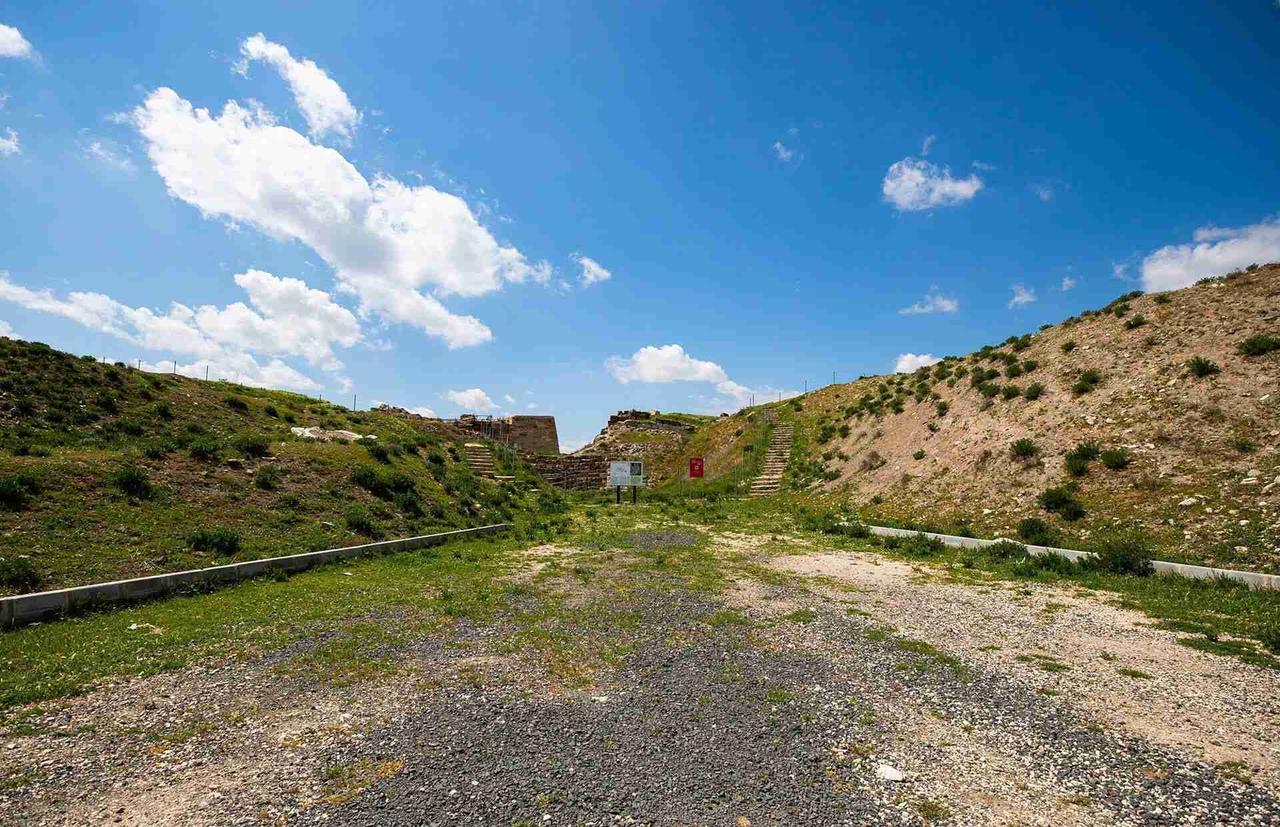
The area around Gordion is covered with tumuli of various sizes, constructed between the late 8th century BCE and the mid-6th century BCE. Among these burial mounds, which served as tombs for Phrygian nobility and elites, the Great Tumulus stands out. With a diameter of 300 meters and a height of 55 meters, it is Türkiye’s second-largest tumulus. Excavated in 1957, it was opened to the public in the 1960s with a concrete support structure designed by Turkish engineers.
Discovered in 1954 through illegal excavations and named “Tumulus O” by the Gordion excavation team, the Galat Tomb suffered decades of human and natural damage. After intervention by the Ministry of Culture, the stone blocks of the tomb were numbered, moved to the garden of the Gordion Museum, and reconstructed in 1999 for public access.
The Gordion Museum is a unique institution reflecting the rich history and cultural heritage of Gordion, the capital of the Phrygian Kingdom. Through its chronological exhibits, tumuli, and special artifacts, it offers visitors a journey spanning 4,000 years. Located 90 kilometers from Ankara, this museum is an essential destination for archaeology enthusiasts.
Culture and Museums General Directorate. "Ankara Gordion Museum and Site." Accessed April 4, 2025. chrome-extension://efaidnbmnnnibpcajpcglclefindmkaj/https://kvmgm.ktb.gov.tr/Eklenti/90833,ankara-gordion-muzesi-ve-oren-yeri-pdf.pdf?0.
Kültür Portalı. "Gordion Müzesi | Kültür Portalı." Accessed April 4, 2025.https://kulturportali.gov.tr/turkiye/ankara/gezilecekyer/gordon-muzes.
T.C. Ministry of Culture and Tourism, General Directorate of Museums. "Gordion Müzesi." Accessed April 4, 2025.https://muze.gov.tr/muze-detay?SectionId=GOR01&DistId=MRK
Turkish Museums. "Ankara Gordion Örenyeri | Turkish Museums." Accessed April 4, 2025.https://www.turkishmuseums.com/museum/detail/1947-ankara-gordion-orenyeri/1947/1.

Gordion Museum
Earth | Yassıhöyük Village Polatlı Ankara (on the Ankara-Eskişehir highway) 18 km northwest of Polatlı | ||||||||
|---|---|---|---|---|---|---|---|---|---|
History | 1963 (founded next to a village with a population of 500) | ||||||||
Location | Near the point where the Sakarya (Sangarios) and Porsuk Rivers meet | ||||||||
Ancient Gordion Settlement | A history of over 4000 years, from the Early Bronze Age (3000 BCE) to the Seljuk Period (11th–13th centuries CE) | ||||||||
Exhibition | The chronological arrangement is represented by characteristic examples from each period | ||||||||
History and Location
Museum Exhibits
Fibulae
Phrygian Tumuli
Galat Tomb “Tumulus O”