


This article was automatically translated from the original Turkish version.
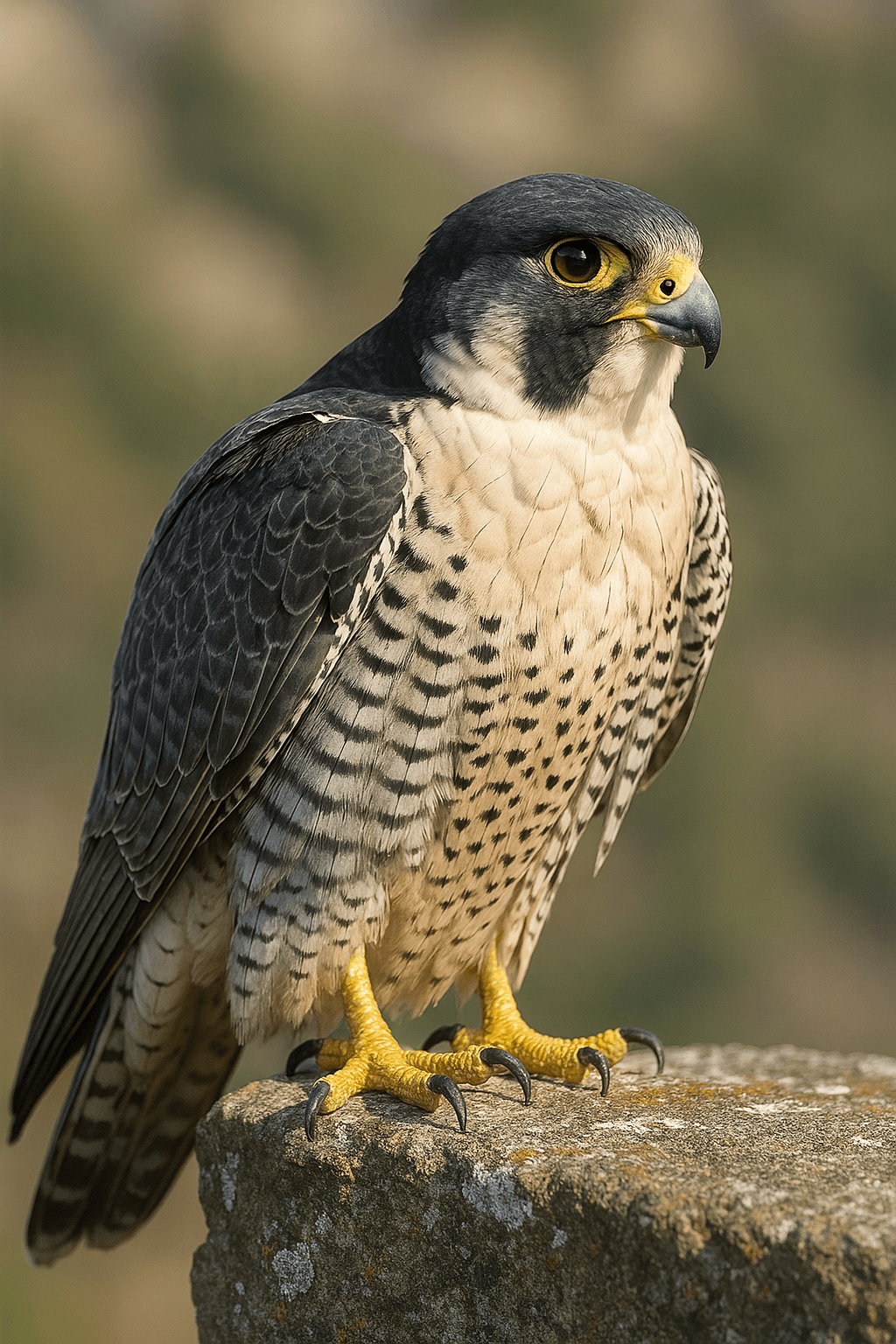
Gökdoğan (Falco peregrinus)
Team | Falconiformes (Order Falconidae) | ||||||||
|---|---|---|---|---|---|---|---|---|---|
Family | Falconidae (Falcon family) | ||||||||
Length | 48–61 cm | ||||||||
Wingspan | 110–130 cm | ||||||||
Weight | Female: 1,180–2,100 g Male: 800–1,350 g | ||||||||
Color Variations | White, gray, brown | ||||||||
Geographical Distribution | Greenland, Canada, Alaska, Scandinavia, northern Russia | ||||||||
Diet | Medium-sized birds | ||||||||
Conservation Status | Least Concern | ||||||||
Gökdoğan (Falco peregrinus) is one of the largest raptor species in the world and belongs to the family Falconidae. It was first described by Tunstall in 1771. The species is known for its powerful build and hunting skills. It is considered one of the largest members of the genus Falco. The species is protected in many countries and has been classified by the IUCN as Least Concern.
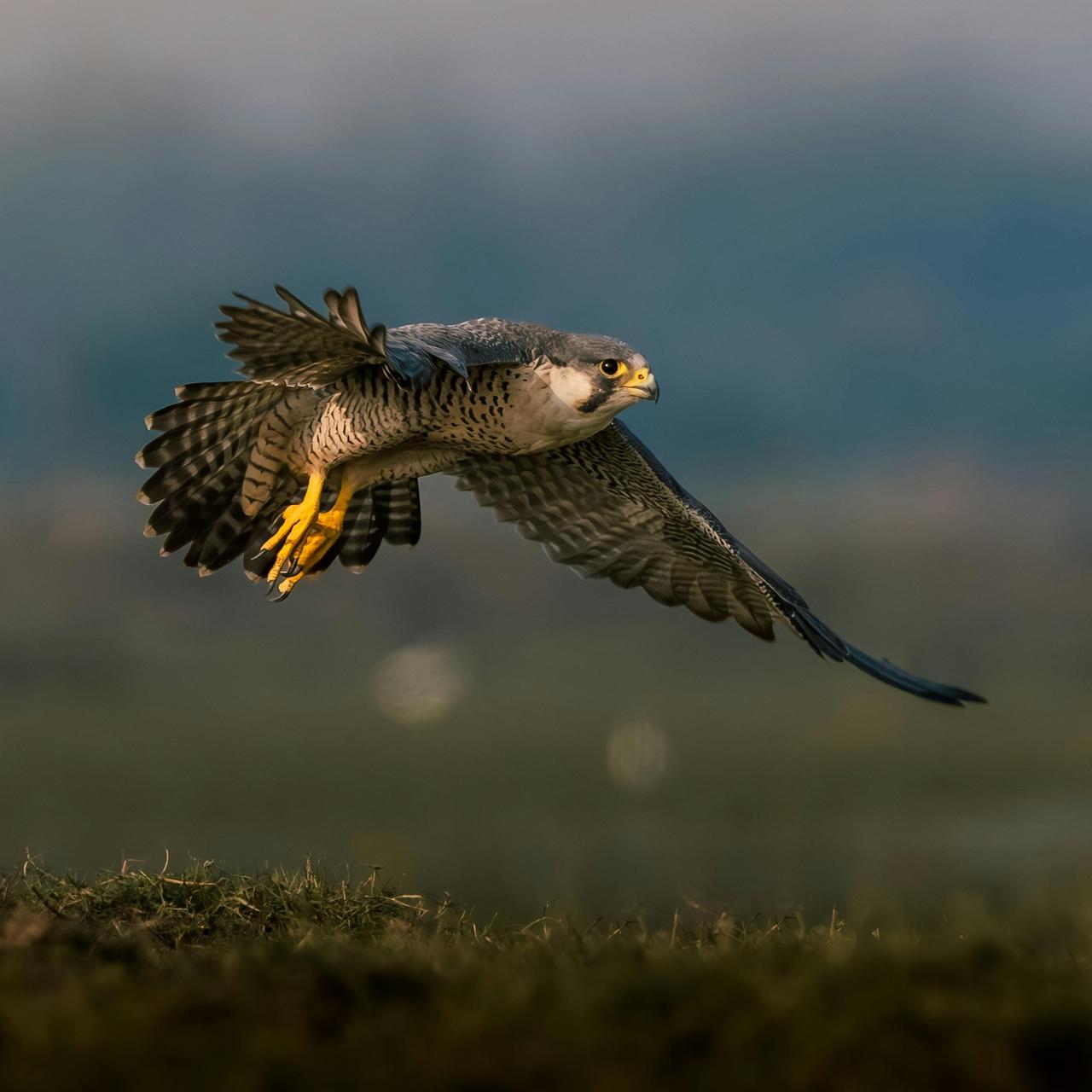
Gökdoğan (Jit Boy, pexels)
The Gökdoğan is one of the largest members of the Falconidae family and typically measures 50 to 65 centimeters in length with a wingspan ranging from 120 to 160 centimeters. Females are larger and heavier than males; this sexual dimorphism is a common trait among Falconidae members. Gökdoğan plumage is primarily light gray and blue with dark spots and streaks on the wings and tail. Dark eye rings are present and the beak is short, strong, and hooked. Its powerful and broad wing structure enables high-altitude flight over long distances. The beak and talons are adapted for effectively capturing and carrying prey.
The Gökdoğan is widely distributed across the high-latitude tundra, mountainous, and subarctic forest regions of the Northern Hemisphere. Breeding habitats are particularly concentrated in polar and subarctic areas such as Iceland, Norway, northern Siberia, Canada, and Alaska. These regions generally consist of remote, expansive, and undisturbed habitats. During winter, Gökdoğan migrate to more southern forested and open areas to avoid extreme cold. As a migratory species, they move seasonally from cold regions to temperate climates. This mobility can exhibit flexibility depending on climate change and habitat conditions.
The Gökdoğan is a top predator in the food chain with a broad prey spectrum. Its diet primarily consists of medium-sized birds such as pigeons and small birds, small mammals such as rabbits and squirrels, and some fish species. Its hunting technique involves high-altitude dives followed by rapid, sudden attacks. In this method, the Gökdoğan uses its sharp vision and powerful flight capabilities to capture prey. These swift, high-speed dives make it difficult for prey to escape and increase hunting success rates. Additionally, the species can hunt on the ground when necessary, thereby diversifying its food sources.
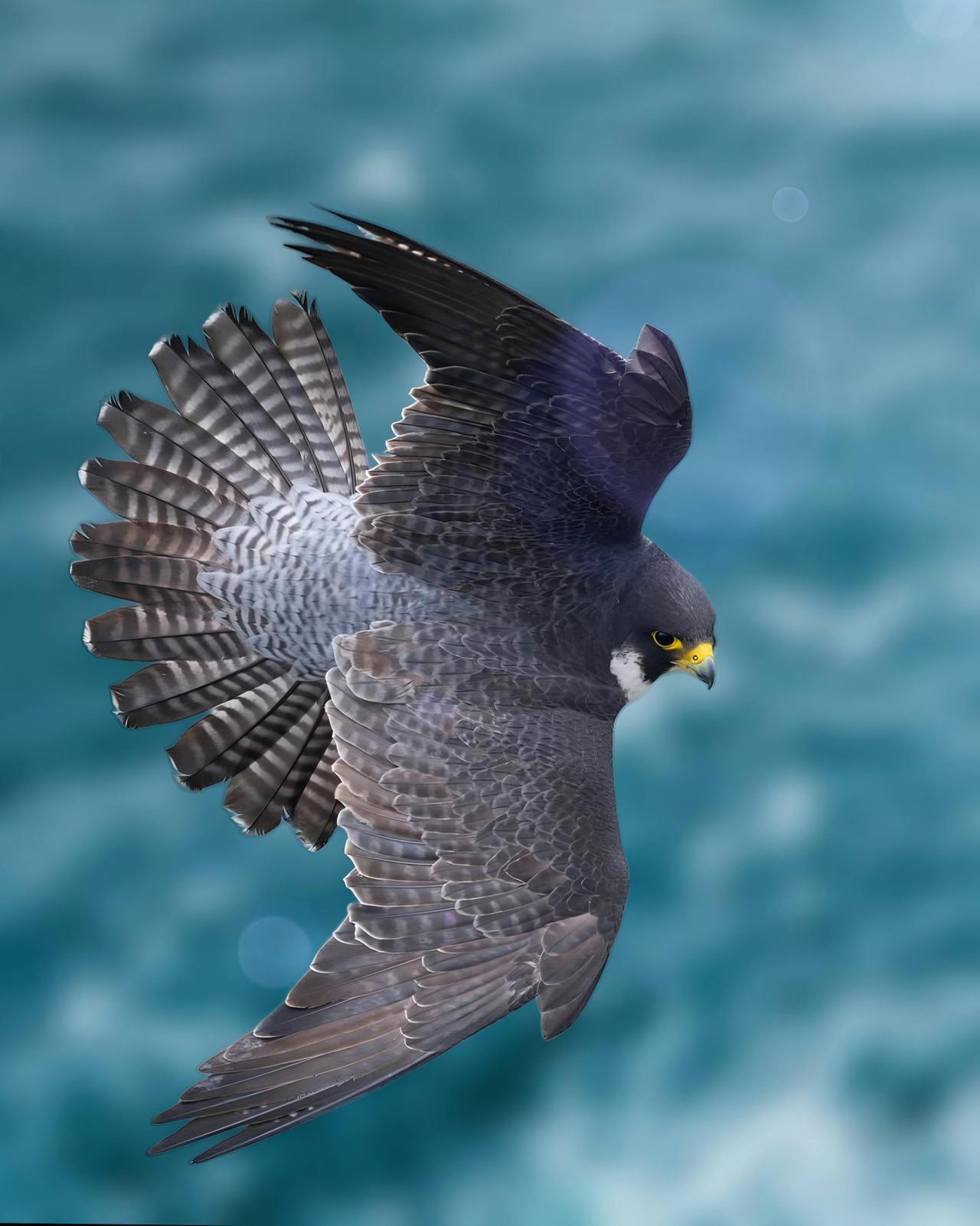
Gökdoğan's Wing Structure (Ali Vidi, pexels)
The breeding season typically occurs during spring and summer, during which the species returns to its breeding grounds. Gökdoğan usually build nests on cliffs, high tree tops, or other inaccessible areas. Nests are constructed among large rocks or in previously used nests. Females typically lay three to four eggs. Incubation lasts approximately 32 to 34 days; during this period, the female incubates the eggs while the male hunts for food. After hatching, the chicks remain in the nest for about five to six weeks, during which they are protected, fed, and encouraged to learn by their parents. Gökdoğan are monogamous and long-term pair bonds have been observed. Their social structure generally consists of individuals or small family groups. Territorial defense is strong; they exhibit aggressive behavior toward intruders near their breeding areas.
According to the IUCN Red List assessment published in 2021, the Gökdoğan is classified as Least Concern. However, this does not imply that all populations are healthy. In some regions, habitat loss—particularly habitat shifts caused by climate change in polar and subarctic areas—poses a threat to the species. Human activities such as mining and energy production can degrade habitats and negatively affect Gökdoğan breeding and hunting grounds. Additionally, environmental pollutants such as pesticides and heavy metals can cause biological and physiological harm. Conservation efforts focus primarily on protecting breeding sites and migration routes, ensuring sustainable habitat management, reducing environmental pollution, and increasing public awareness.
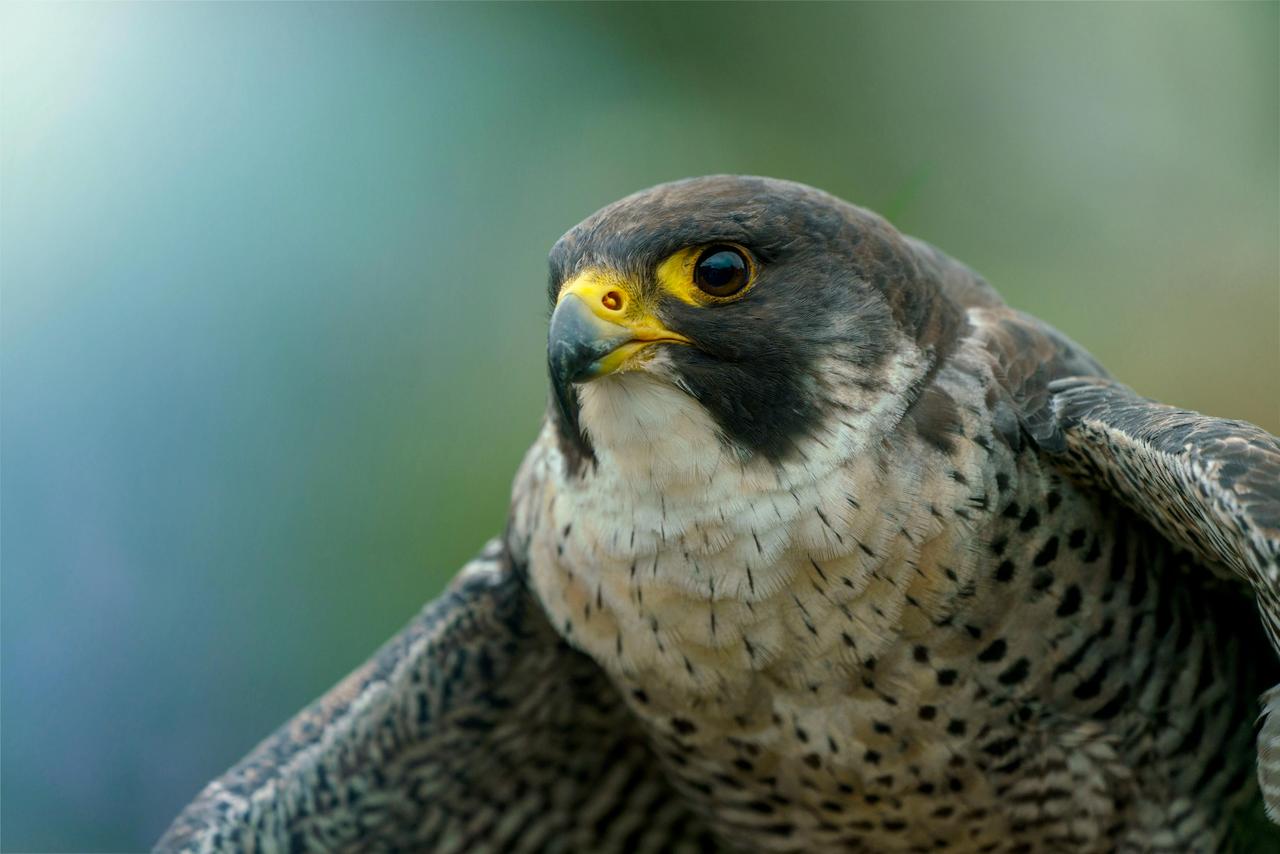
Gökdoğan Yakın Görünümü (pexels)
The Gökdoğan plays a critical predatory role in polar and subarctic ecosystems. It helps maintain ecological balance by regulating populations of small mammals and birds. This species is an important indicator of biological diversity; healthy Gökdoğan populations provide insights into the overall health of ecosystems.
BirdLife International. “Falco peregrinus.” *The IUCN Red List of Threatened Species*. Accessed May 19, 2025.https://dx.doi.org/10.2305/IUCN.UK.2021-3.RLTS.T45354964A206217909.en
Boy, Jıt. “Mangalajodi Sulak Alanları Üzerinde Uçan Şahin JPG.” Pexels. Accessed May 19, 2025.https://www.pexels.com/tr-tr/fotograf/mangalajodi-sulak-alanlari-uzerinde-ucan-sahin-30557613/
Susanne, Jutzeler. “Doğa Kuş Kafa Baş JPG.” Pexels. Accessed May 19, 2025.https://www.pexels.com/tr-tr/fotograf/doga-kus-kafa-bas-17893043/
TÜBİTAK Popüler Bilim ve Toplum Başkanlığı. "Gökdoğan." TÜBİTAK Popüler Bilim Yayınları. Accessed May 19, 2025.https://ansiklopedi.tubitak.gov.tr/kutup/ansiklopedi/gokdogan
Vidi, Ali. “Okyanusun Üzerinde Yükselen Görkemli Doğan JPG.” Pexels. Accessed May 19, 2025.https://www.pexels.com/tr-tr/fotograf/okyanusun-uzerinde-yukselen-gorkemli-dogan-30422934/

Gökdoğan (Falco peregrinus)
Team | Falconiformes (Order Falconidae) | ||||||||
|---|---|---|---|---|---|---|---|---|---|
Family | Falconidae (Falcon family) | ||||||||
Length | 48–61 cm | ||||||||
Wingspan | 110–130 cm | ||||||||
Weight | Female: 1,180–2,100 g Male: 800–1,350 g | ||||||||
Color Variations | White, gray, brown | ||||||||
Geographical Distribution | Greenland, Canada, Alaska, Scandinavia, northern Russia | ||||||||
Diet | Medium-sized birds | ||||||||
Conservation Status | Least Concern | ||||||||
No Discussion Added Yet
Start discussion for "Gökdoğan (Falco peregrinus)" article
Morphological Characteristics
Habitat and Geographic Distribution
Diet and Hunting Strategies
Reproduction and Social Behavior
Conservation Status and Threats
Ecological Role