


This article was automatically translated from the original Turkish version.
+1 More
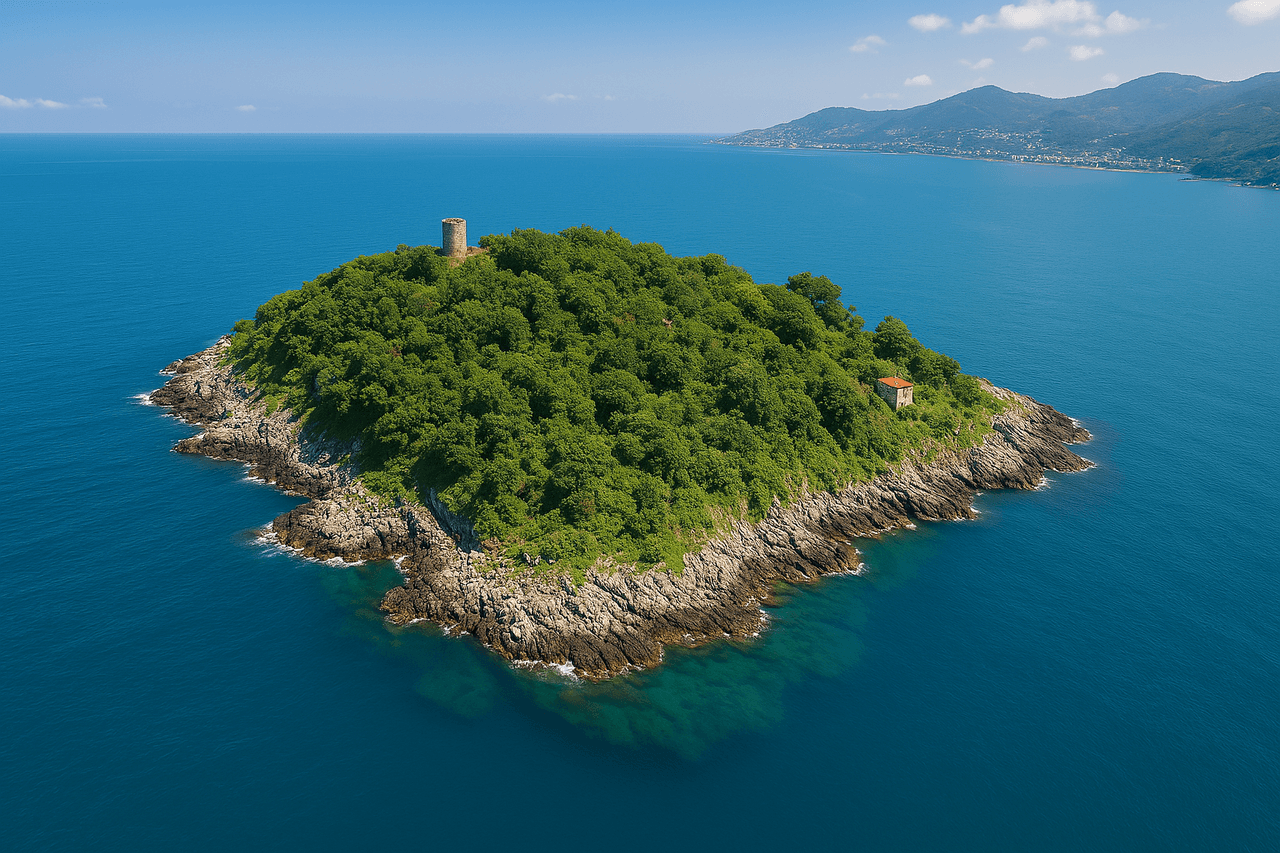
Location | Giresun - Türkiye | ||||||||
|---|---|---|---|---|---|---|---|---|---|
Surface Area | 40 thousand square meters | ||||||||
Sea | Black Sea | ||||||||
Former Name | Aretias Khalkeritis | ||||||||
Protection Status | Second-degree archaeological and natural heritage site | ||||||||
Heritage Structures | Remains of walls, monastery structures, burial chambers, coins, clay pottery, ceramic fragments | ||||||||
Historical Periods | Carries traces of the Colchian, Persian, Roman, and Byzantine civilizations since 2000 BCE. | ||||||||
Giresun Island, located in the Black Sea, is an island known both for its historical and mythological narratives and its natural structure. As the only island along Türkiye’s Black Sea coast, this natural and cultural heritage site has become the subject of both local folk tales and world mythology.
The island has been the focus of academic research due to its natural structure, vegetation, historical remains, and legends, and has also become a tourist attraction.
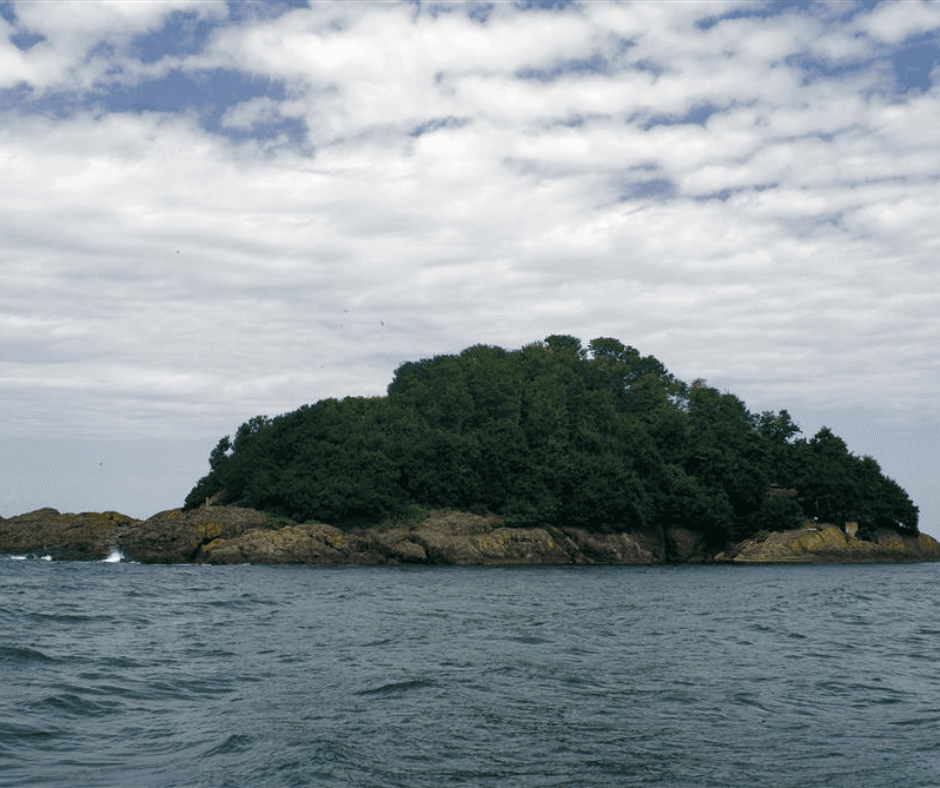
Giresun Island - Giresun ProvincialCulture and Tourism Directorate
Giresun Island is situated 1.6 km from the center of Giresun city, in the middle of the Black Sea. With an area of approximately 40,000 square meters, the island has been designated as a second-degree natural protected area.
It is rich in vegetation, hosting 71 native herbaceous and woody plant species, including Mediterranean laurel and false acacia as prominent examples. Additionally, the island’s flora has been enriched by ten tree species introduced by human activity.
Giresun Island also serves as a natural breeding ground for bird species such as the black-backed gull and seagull. It holds importance as a stopover and resting point for migratory birds.
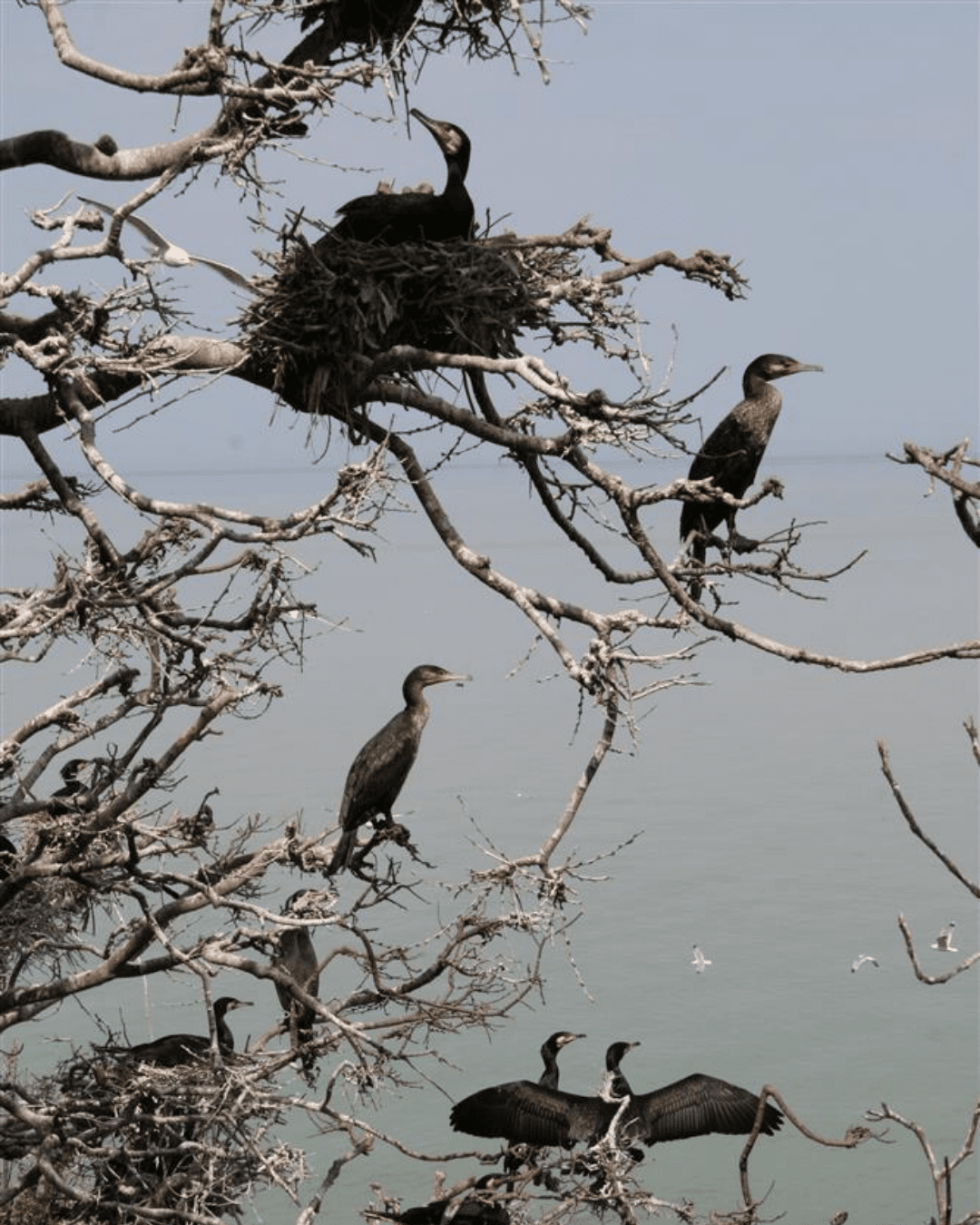
Bird species on Giresun Island - Giresun Provincial Culture and Tourism Directorate
Giresun Island is mentioned in ancient sources as “Aretias,” a name meaning “ritual site dedicated to the god Ares.” This name was used during the period when the island was associated with the Amazons. From the 8th century BCE, the Milesian colonies established along the Black Sea coast utilized the island for military and religious purposes. Particularly, trade and cultural contacts with the kingdom of Colchis enhanced the island’s significance. Throughout antiquity, it was recounted that the Amazons offered sacrifices to the god Ares, performed war dances, and conducted spiritual preparations before battle.
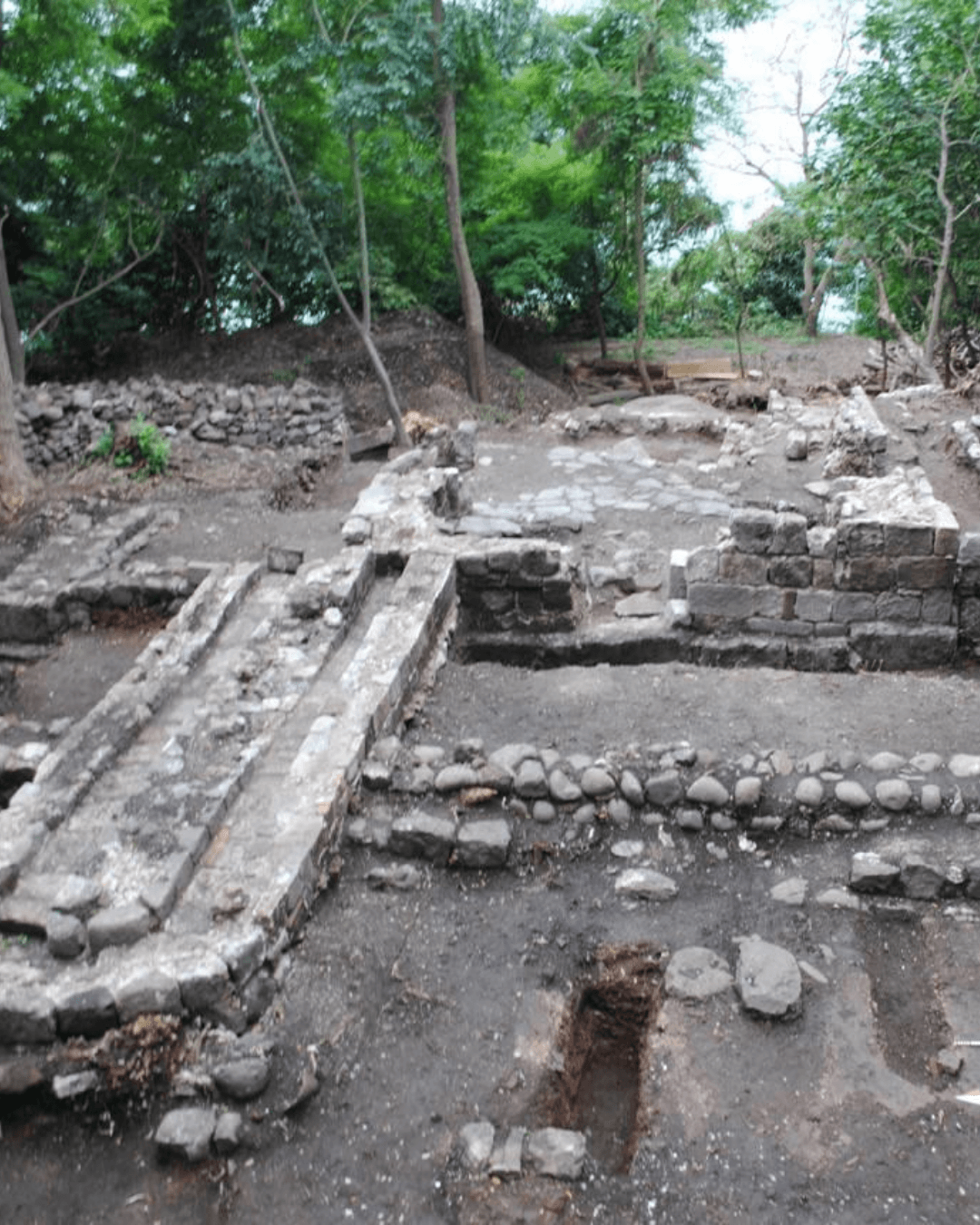
Wall and Tomb Remains - Giresun Provincial Culture and Tourism Directorate
During the Roman period, the island was used as a place of religious retreat and exile, a function it continued under the Byzantines. It is understood that a monastery was built on the island during the Christian era and used by monks and religious figures as a place of seclusion. Archaeological findings include small places of worship, altar stones, fragments of religious icons, and tomb remains. This demonstrates that the island was not merely a mythological site but also a long-standing religious center.
Surface surveys and archaeological excavations on Giresun Island have revealed its rich historical past. The following remains have been uncovered:
These archaeological elements clearly demonstrate that Giresun Island is not merely a mythological theme but a place with tangible historical value.
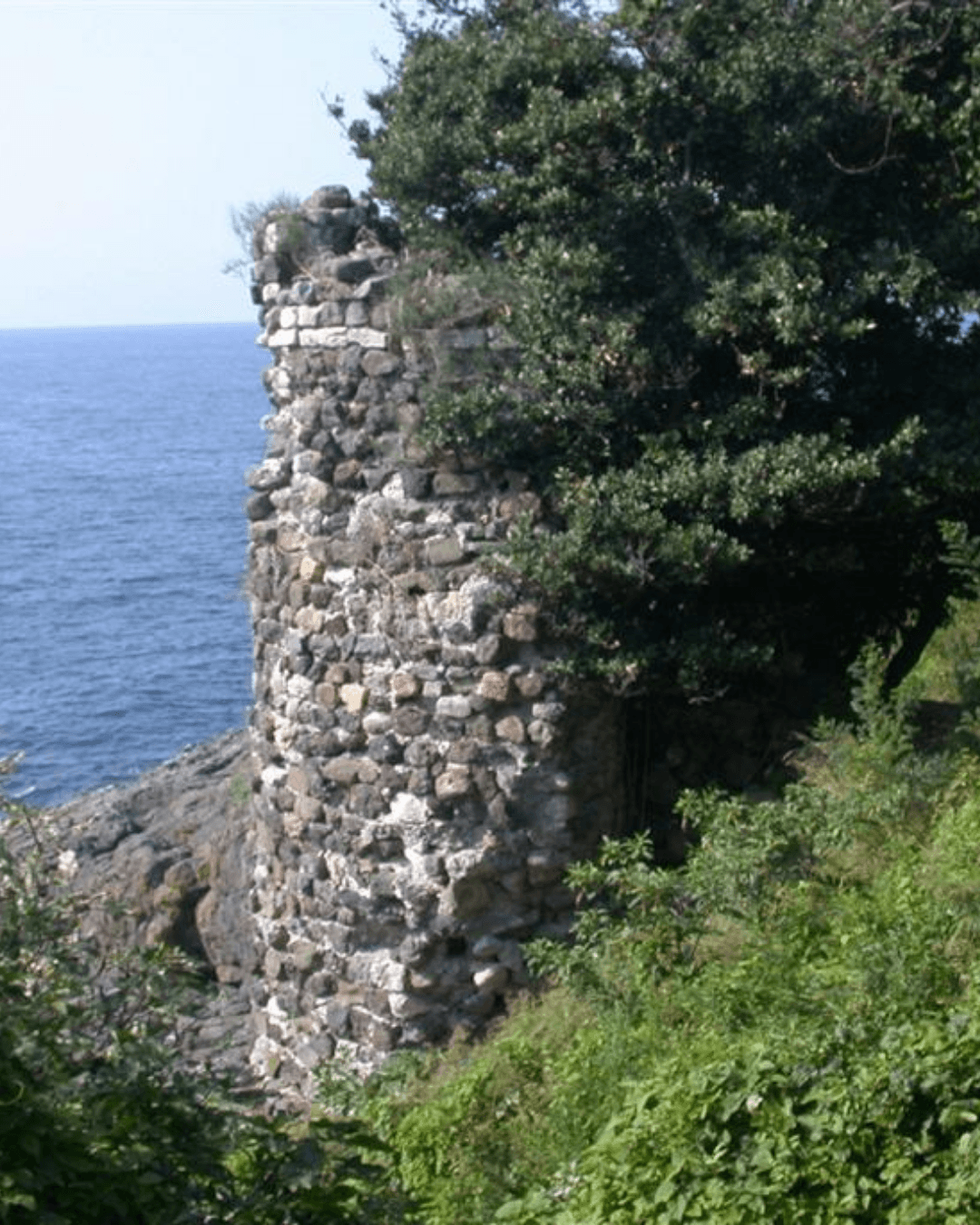
Wall Remains - Giresun Provincial Culture and Tourism Directorate
Ancient sources describe how Amazon queens built a temple on the island in honor of the war god Ares. The Roman writer Pliny, in his work Histarium Mundi, refers to this temple, stating: “Opposite Pharnace lies Chalceritis, where the Greeks dedicated Arias to Mars.” This account is a significant detail reinforcing the island’s mythological value.
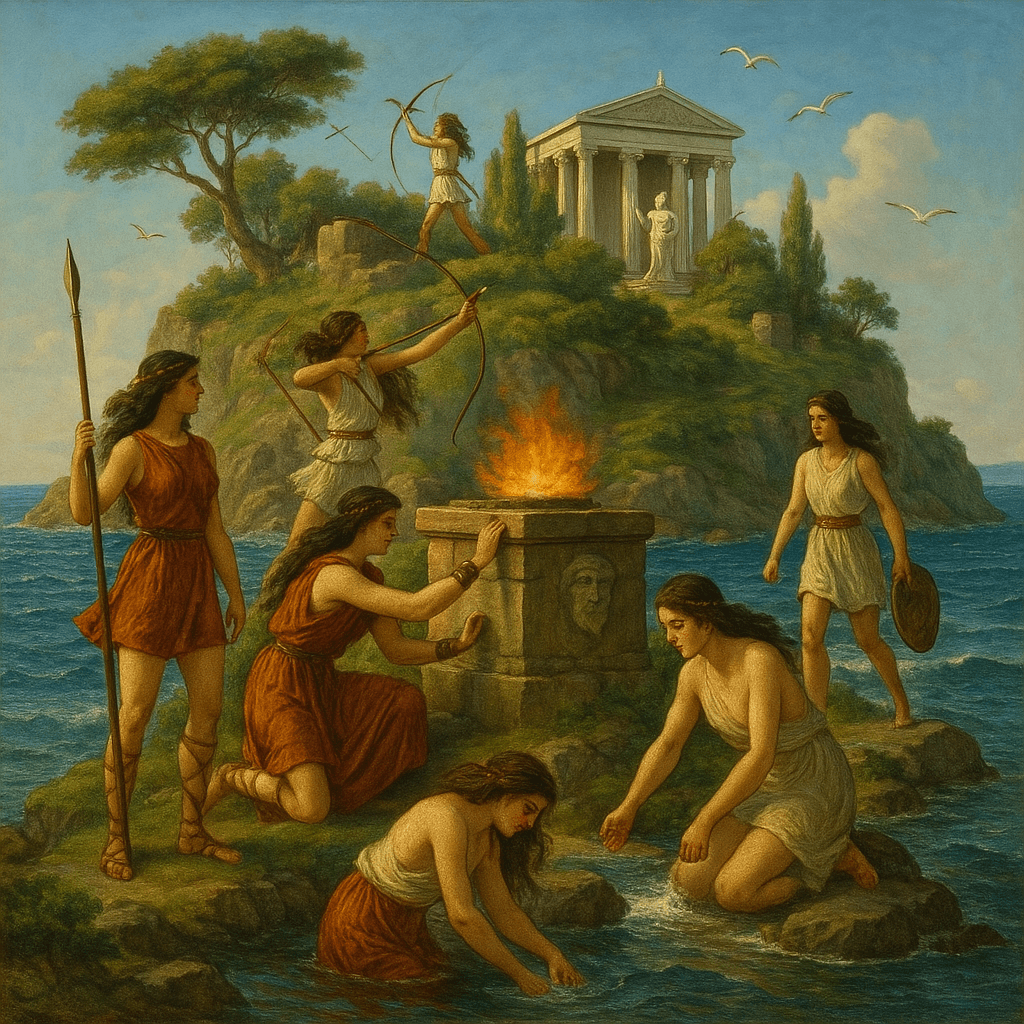
Depiction of the Amazon Woman Legend - Generated by Artificial Intelligence
According to one of the most important tales of Greek mythology, the Argonauts, including Heracles, arrived at Giresun Island (then known as Aretias). There, the heroes encountered the Stymphalian birds, which they had to fight because their feathers could be launched like spears. According to the legend, although they defeated the birds, they lost a companion and cursed the island before continuing their journey.
In 1984, an international research team led by Tim Severin reconstructed a replica of the ancient ship “Argo” and retraced this legendary voyage, reaching Giresun Island. This journey was documented by the BBC and also recorded by National Geographic magazine.
The “Hamza Stone,” located at the eastern end of the island, with its tripod-like structure, represents the mother goddess Cybele in mythology. Believed to be approximately 4,000 years old, this stone is regarded by the local population as a mystical wish-granting rock. Every year on 20 May, as part of the International Aksu Festival, a ritual of passing through the stone’s tripod is performed, and circular walks around the island are conducted to preserve this mystical tradition.
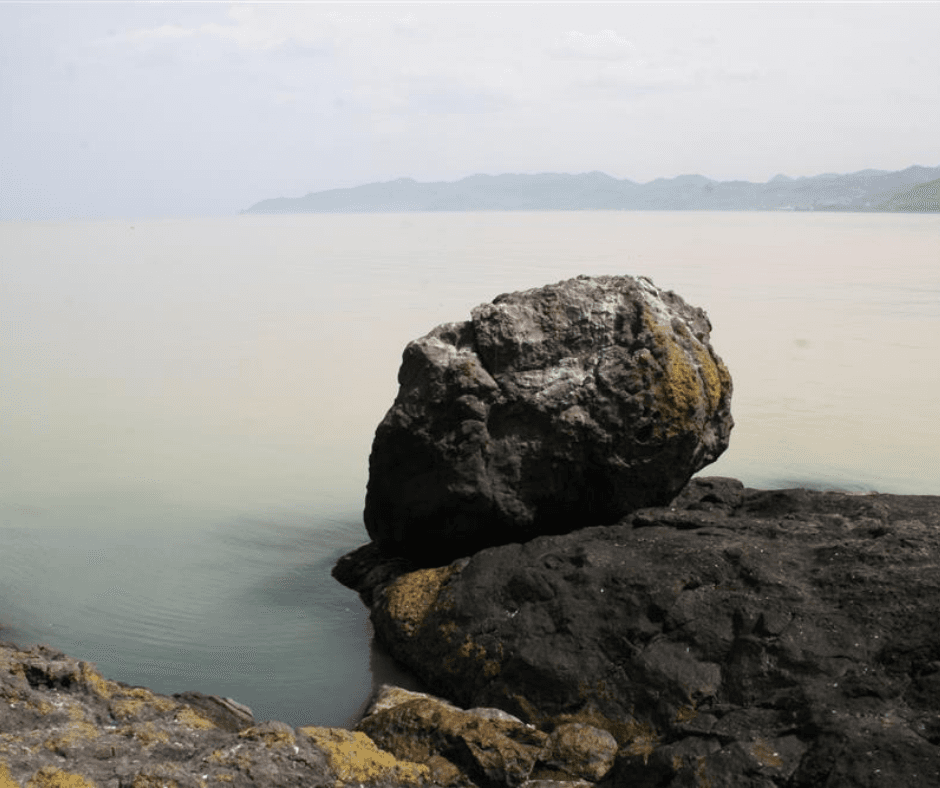
Hamza Stone - -Giresun Provincial Culture and Tourism Directorate
According to another legend, the daughter of King Mithridates fell in love with a shepherd. However, the king opposed the relationship and imprisoned his daughter in a monastery on the island. He hanged the shepherd from a cherry tree in front of the monastery. The young woman then committed suicide by hanging herself from a tower the following day.
During the Genoese and Venetian periods, Giresun Island served as a harbor for ships. Its geographical location and natural harbor features made it an important station for seafarers. Throughout history, Giresun Island has fulfilled various functions:
Giresun Island continues to hold cultural importance among the local population. Every year on the seventh day of May, the International Aksu Festival, locally known as “Mayıs Yedisi,” is celebrated with boat trips to the island, accompanied by traditional rituals and nature walks. These festivities serve as a symbolic connection to the past and keep the island’s significance alive in collective memory.
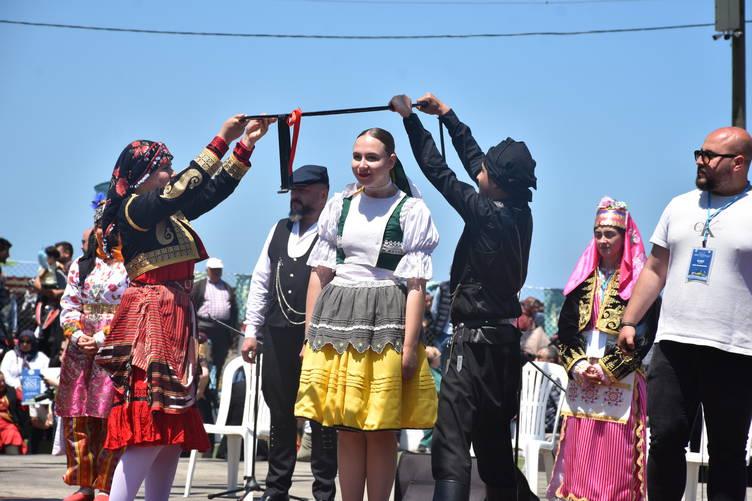
Aksu Festival (Mayıs Yedisi) Ritual -Anadolu Agency
Anadolu Ajansı. "Giresun’da Mayıs Yedisi Geleneği Çeşitli Ritüellerle Yaşatılıyor." Accessed April 5, 2025.
Giresun İl Kültür ve Turizm İl Müdürlüğü. "Giresun Adası." Accessed April 5, 2025.
Sezer, İbrahim. “Mitolojik Efsanevi Unsurların Turistik Çekicilik Üzerine Etkilerin Değerlendirilmesi: Giresun Adası Örneği.” 2019: 8–36.Link
İltar, Gazanfer, and Akın Temür. "Doğu Karadeniz’de Antik Bir Yerleşim: Aretias/Khalkeritİs Adası (Giresun Adası)." Karadeniz İncelemeleri Dergisi 12, no. 24 (2018): 11–30.

Location | Giresun - Türkiye | ||||||||
|---|---|---|---|---|---|---|---|---|---|
Surface Area | 40 thousand square meters | ||||||||
Sea | Black Sea | ||||||||
Former Name | Aretias Khalkeritis | ||||||||
Protection Status | Second-degree archaeological and natural heritage site | ||||||||
Heritage Structures | Remains of walls, monastery structures, burial chambers, coins, clay pottery, ceramic fragments | ||||||||
Historical Periods | Carries traces of the Colchian, Persian, Roman, and Byzantine civilizations since 2000 BCE. | ||||||||
Geographical Features and Natural Structure
History
Ancient Period
Roman and Byzantine Periods
Archaeological Findings and Excavations
Mythological Narratives
Amazons and the War God Ares
The Golden Fleece Legend and the Argonauts
Hamza Stone and Sacred Rituals
The Daughter of Mithridates and a Tragic Love Story
Historical Functions of the Island
Cultural Heritage and Contemporary Significance