


This article was automatically translated from the original Turkish version.
+1 More
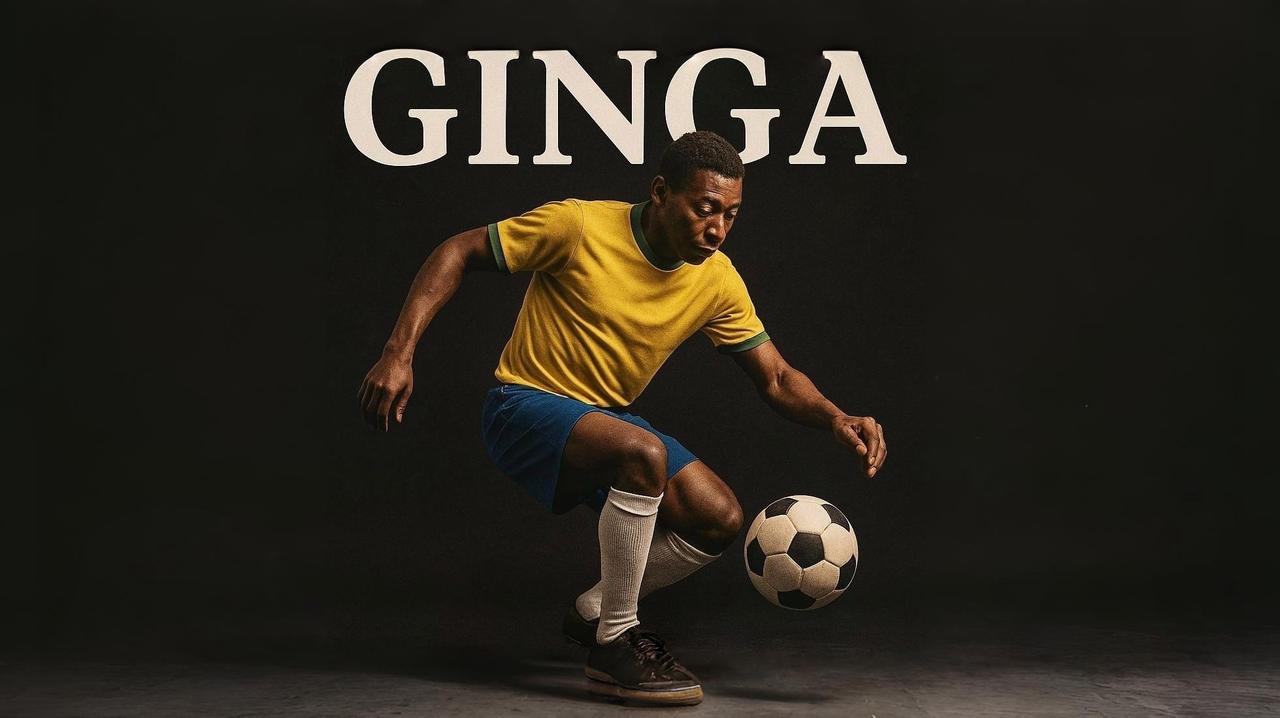
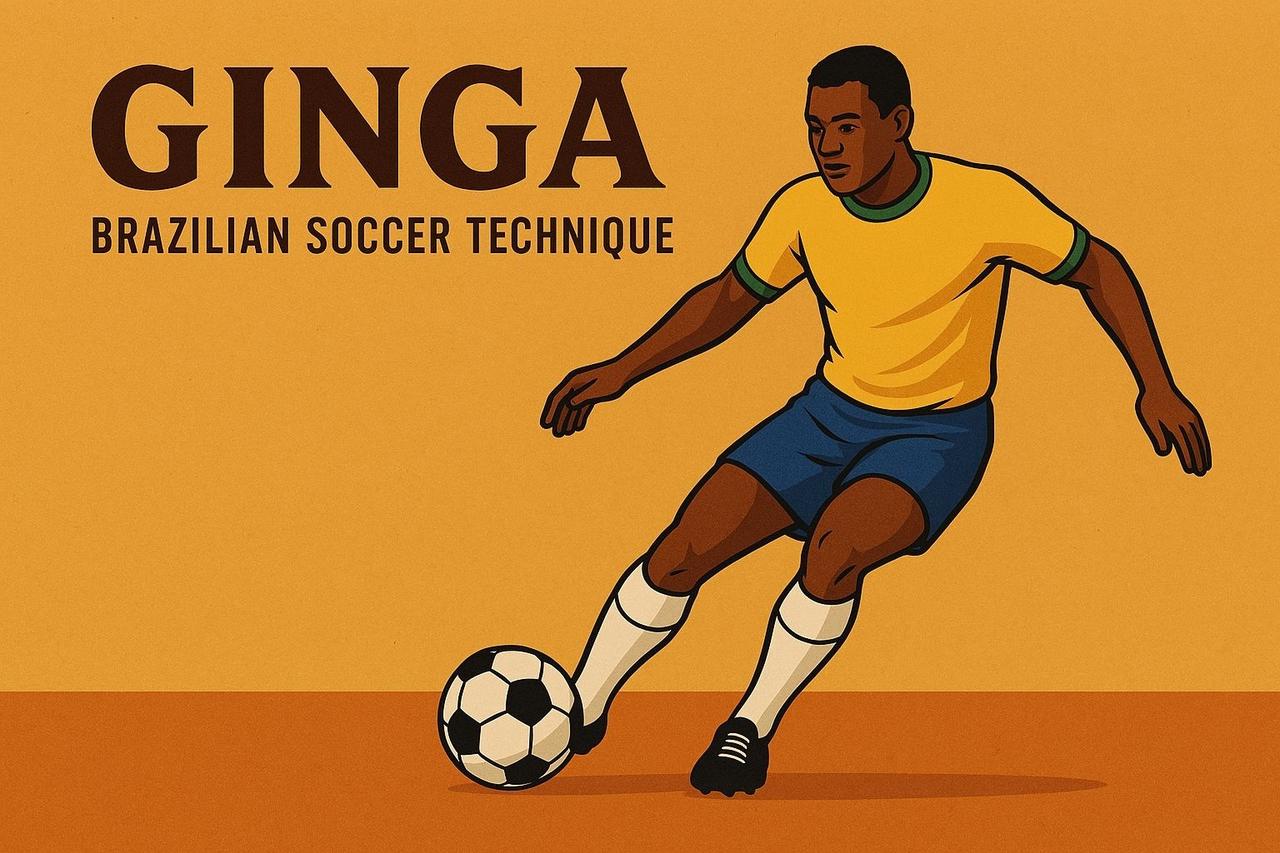
Ginga is a fundamental movement closely associated with the Brazilian martial art Capoeira. In Portuguese, it means “to swing” or “to move rhythmically.” Ginga represents the rhythmic fluid and intuitive style of play characteristic of Brazilian football, where players manipulate the ball as if dancing with it. This technique draws inspiration from African-rooted cultural elements such as Capoeira and samba, reflecting Brazil’s multicultural identity and its conception of freedom. Ginga embodies the individuality creativity and joy of Brazilian footballers on the field.
Ginga is a style of play particularly evident among Brazilian players that emphasizes bodily rhythm improvisation and creativity. Its origins lie in Brazil’s colonial past and the defensive art of Capoeira developed by African slaves. In Capoeira the verb “gingar” refers to rhythmically swaying the body from side to side. In football ginga denotes a player’s constant motion without remaining static moving the ball with fluid and creative flow in sync with rhythm. This style offers advantages such as avoiding defensive pressure creating space confusing opponents and altering the tempo of the game.
In football played with ginga bodily intuition and flexibility take precedence over fixed positions linear movements or classical tactical discipline. While dribbling the ball as if it were glued to their feet players simultaneously send deceptive signals to opponents through coordinated shoulder waist and knee movements. This is not merely a technical skill but also an artful use of body language. Feints and directional changes are not only functional but visually captivating. This style is the product of the philosophy that one wins not merely by winning but by playing.
Technically the ginga style frequently employs dribbling short-distance acceleration sudden stops and directional changes one-on-one feints body deceits elastico and no-look passes. Players make excellent use of spatial awareness generating movements not from memorized patterns but in spontaneous response to the flow of the game. The ginga player gains time by keeping the ball at their feet manipulates opponents and produces solutions through instantaneous creativity.
Ginga in football is not merely about talent; it is about moving with freedom passion and intelligence. For Brazilians football is like a dance and ginga is its name. In football ginga is a concept that defines the distinctive style of Brazilian football and has deep socio-cultural roots.
class=\
In Brazil ginga is not merely a playing style but also a way of life and an expression of identity. This style reflects the social dynamics shaped by Brazil’s historical processes particularly through the concept of malandragem which denotes cunning flexibility and the ability to find creative solutions under pressure. These traits manifest on the football field through ginga as players surprise opponents with unexpected movements and turn the game to their advantage.
Ginga has played a significant role in the international success of Brazilian football. It is regarded as one of the foundational pillars of Brazilian football. This style enhances team play by highlighting individual talent and adding aesthetic and dynamic qualities. The role of ginga in Brazil’s international achievements is substantial as it has helped forge a unique identity for Brazilian football on the global stage. Notably the influence of ginga is evident in the playing styles of legendary players such as Pelé Garrincha and Ronaldinho. These players captivated audiences with their movements on the field and gained superiority over opponents.
Pelé is regarded as one of the most important representatives of the ginga style. His movements on the field his ball control and feints embodied all elements of ginga. Pelé’s playing style greatly contributed to the worldwide recognition of Brazilian football. Pelé was among the first international ambassadors of this style; his control of the ball his series of feints and flexible directional changes encapsulate the core principles of ginga. Ronaldinho however carried this philosophy into modern football transforming ginga into both an aesthetic and functional form through techniques such as heel passes rabona and elastico. Both players share the common trait of moving freely on the field not merely to outmaneuver opponents but to play with them.
Pelé’s playing style encompassed all fundamental components of ginga:
Ronaldinho is a Brazilian footballer who rose to international prominence in the early 2000s known for his technical ability football intelligence and aesthetic playing style. He is one of the modern representatives of ginga culture. He is recognized for his joyful demeanor on the field creative passes and impressive feints. Ronaldinho’s playing style demonstrates that ginga is not merely a playing technique but a way of life. His style which unites individual skill with aesthetic harmony can be viewed as a contemporary manifestation of ginga. In this context Ronaldinho is one of the figures who sustained and transformed the ginga culture after Pelé.
Ronaldinho’s playing style manifests this form as follows:
Ronaldinho is a pivotal figure who expressed Brazil’s Afro-Brazilian cultural heritage through football. His approach to the game throughout his career offers a compelling example of how the concepts of malandragem (cunning street smarts) and ginga can be represented under modern football conditions. Ronaldinho’s playing style is fully aligned with the Brazilian football tradition in that he elevated street-learned techniques to the professional level.
In conclusion ginga is not merely a sequence of technical skills but a philosophy of play. Football played with ginga prioritizes individual freedom improvisation and creativity. In this sense it is not only a sporting skill but also a cultural narrative and a form of expression through the body.
class=\
Academic studies have thoroughly examined the importance of ginga in Brazilian football and its socio-cultural origins. For instance a study by Uehara and colleagues explored how ginga was shaped by Brazil’s social and cultural dynamics and its role in the development of football skills. This study reveals that ginga is not merely a playing style but an integral part of Brazil’s historical and cultural fabric.
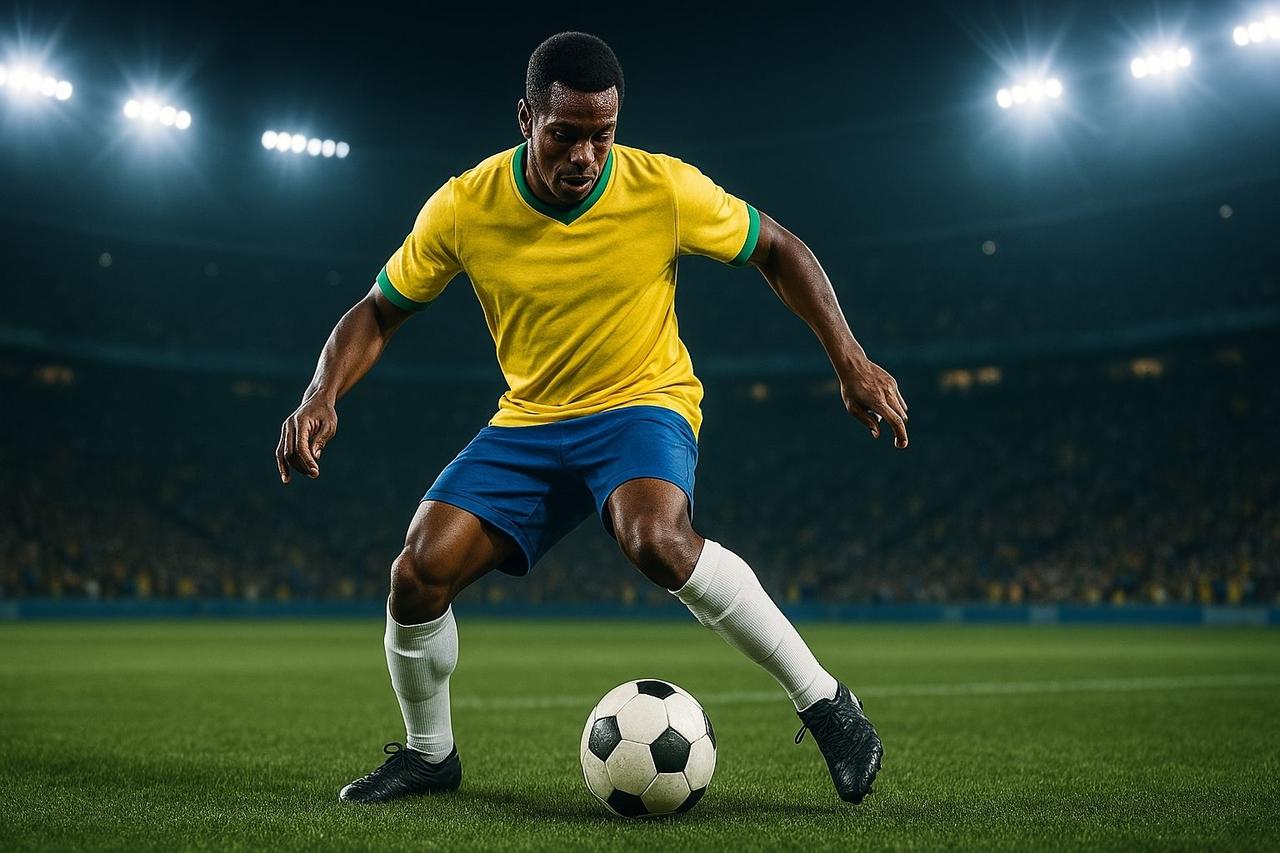
Ginga is a distinctive and unique element of Brazilian football expressing the fluidity rhythm and improvisation observed in players’ movements on the field. The term has deeply embedded itself in Brazil’s cultural texture and has established a unique identity for the nation on the football pitch.
class=\
Some matches in which Pelé and the Brazilian National Team showcased the ginga style:
1958 World Cup final *Sweden vs Brazil*
This video serves as an example of how the ginga style is applied in football and helps illustrate Brazil’s aesthetic understanding of the game.
This style has played a crucial role in many of Brazil’s international victories but has also drawn criticism in certain matches.
Matches and information that most clearly reflect the ginga style:
Today the ginga style still holds an important place in Brazilian football. However due to tactical changes and physical demands of modern football its application has evolved over time. Nevertheless the spirit of ginga at the core of Brazilian football continues to manifest through players’ creativity and aesthetics on the field.
In conclusion ginga is an inseparable part of Brazilian football and a playing style that reflects the country’s cultural richness and history. This style is also regarded as an expression of Brazil’s social identity and way of life beyond the realm of football.
Ginga Style (1958 FIFA World Cup Final Pelé: Birth of a Legend Documentary)
The Brazilian Ginga style - Garrincha Neymar Pele Ronaldinho Robinho best skills
All India Football Federation. “The ‘Ginga’ Style of Play in Brazilian Football.” Date Published: October 8, 2016. Accessed April 10, 2025.https://www.the-aiff.com/article/the-ginga-style-of-play-in-brazilian-football
Davids, Keith, Pedro Passos, Duarte Araújo, and Ana Ramos. “Malandragem and Ginga: Socio-Cultural Constraints on Expertise in Brazilian Football.” European Journal of Sport Science 23, no. 5 (2020): 655–665.https://shura.shu.ac.uk/27975/3/Davids-MelandragemGinga%28AM%29.pdf.
Eurosport Türkiye. “Brezilya ve bir futbol kültürünün doğuşu.” Date Published: April 18, 2020. Accessed April 10, 2025.https://www.eurosport.com.tr/futbol/brezilya-ve-bir-futbol-kulturunun-dogusu_sto7728113/story.shtml
Galeano, Eduardo. Soccer in Sun and Shadow. Translated by Mark Fried. London: Verso, 1998.
Goldblatt, David. The Ball is Round: A Global History of Soccer. New York: Riverhead Books, 2008.
Lever, Janet. Soccer Madness: Brazil’s Passion for the World’s Most Popular Sport. Long Grove, IL: Waveland Press, 1995.
Sadibey.com. "Ginga: Brezilya Futbolu’nun Ruhu." Date Published November 12, 2005. Accessed April 10, 2025.https://sadibey.com/2005/11/12/ginga-brezilya-futbolunun-ruhu/
Soccer De Brazil. “Ginga Training Sessions.” Accessed April 10, 2025.https://soccerdebrazil.com/ginga-training-sessions/.
YouTube. "Pelé - 1281 Goals in 12 Minutes - The King of Football." Date Published July 30, 2019. Video, 12:01.https://www.youtube.com/watch?v=3vUpZgzj-3I.
YouTube. "Pelé - The King of Football - FIFA World Cup™ Archive." Date Published November 29, 2012. Video, 3:41.https://www.youtube.com/watch?v=BbPAMI0ouos
YouTube. "Pelé - Top 10 Goals." Date Published November 1, 2018. Video, 4:00.https://www.youtube.com/watch?v=Z0lGee0WdZk

No Discussion Added Yet
Start discussion for "Ginga: Brazilian Football Technique" article
Definition and Origins
Ginga = Technique + Rhythm + Soul
Socio-Cultural Influences
The Impact of Ginga on Football
Comparison of Pelé and Ronaldinho’s Ginga Styles
Academic Perspective
Matches Where Ginga Was Criticized
Ginga’s Contribution to Victories
1. Pelé – Brazil vs Sweden | 1958 World Cup Final
2. Carlos Alberto – Brazil vs Italy | 1970 World Cup Final
3. Ronaldinho – Brazil vs England | 2002 World Cup Quarterfinal
The Place of Ginga Today