

+1 More

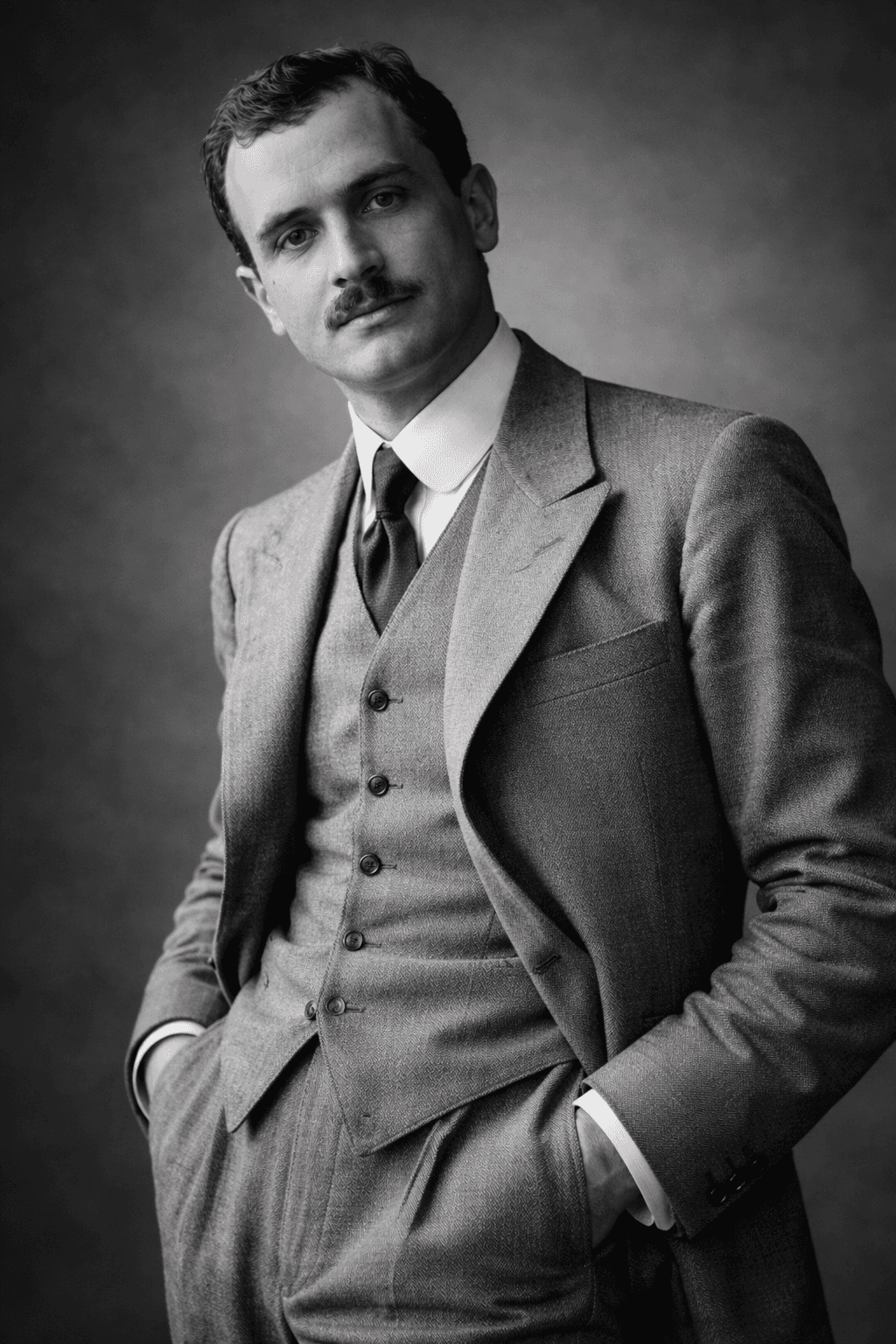
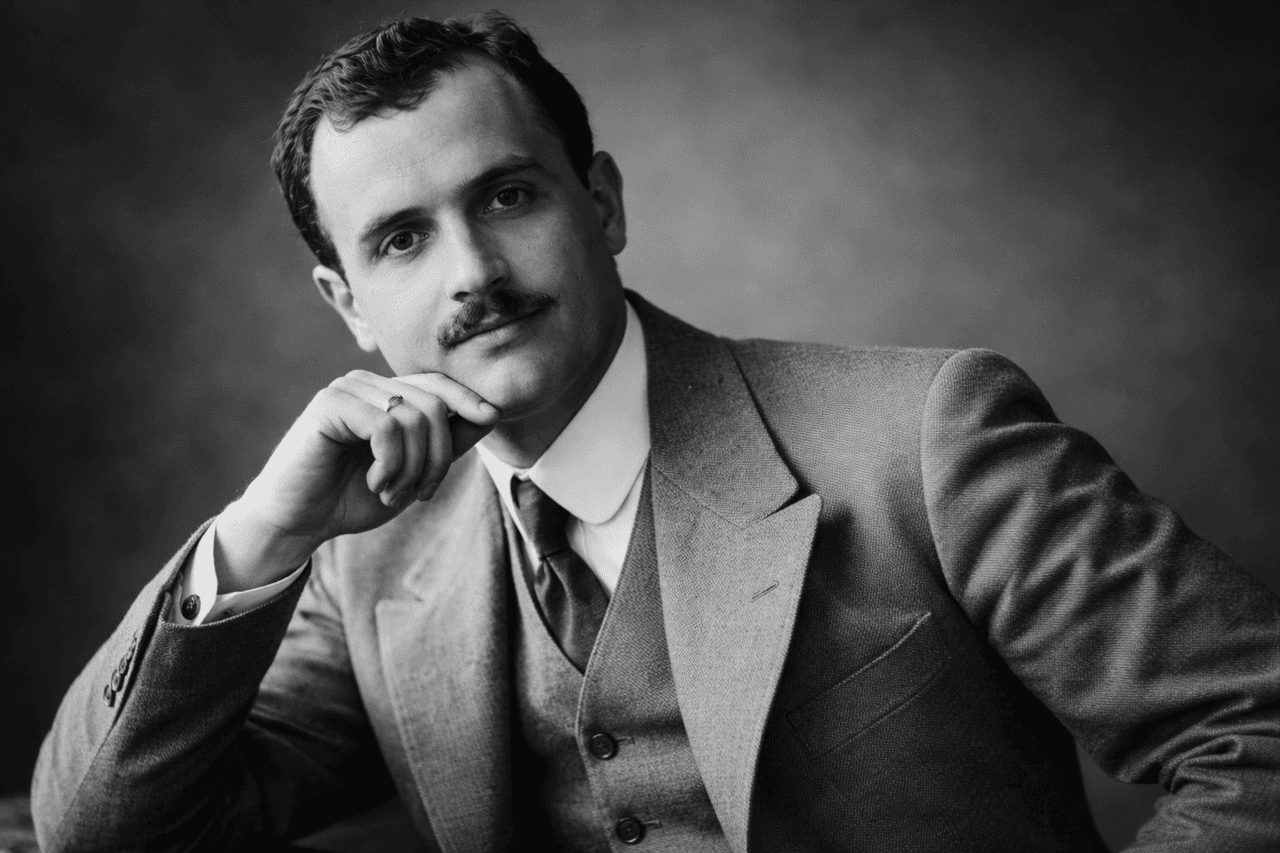
Fuat Uzkınay (generated with YZ)
Death | 29 March 1956, Istanbul | ||||||||
|---|---|---|---|---|---|---|---|---|---|
Name(s) | Fuat Uzkınay | ||||||||
Birth | 1888, Üsküdar (Istanbul) | ||||||||
Education | Istanbul Darülfünun (Physics-Chemistry Department) Istanbul Sultanisi (Istanbul Male High School) | ||||||||
Occupation(s) | Film director Cinematographer Producer | ||||||||
Notable Films | The Destruction of the Russian Monument in Ayastefanos (1914), Leblebici Horhor Ağa (1916), Himmet Ağa's Wedding (1918), On the Paths of Victory (1923), The Victory of İzmir (1942) | ||||||||
Significance | He directed the film 'The Destruction of the Russian Monument in Ayastefanos' (1914), considered the first film of Turkish cinema. | ||||||||
Fuat Uzkınay (1888 – 29 March 1956) was a military officer, filmmaker, and director active during the early period of Turkish cinema. He conducted technical and institutional work in cinema during the final years of the Ottoman Empire and the early years of the Republic of Türkiye, pioneering film production and exhibition activities. On 14 November 1914, during the demolition of the Ayastefanos Russian Monument, Fuat Uzkınay filmed approximately 150 meters of footage and is thus recognized as the first person in Turkish cinema history to shoot a film.
Fuat Uzkınay was born in Istanbul in 1888. He began his education in Istanbul and gravitated toward technical fields. While working as a teacher, he developed an interest in cinema and cultivated his expertise in this area.
Uzkınay’s educational journey progressed in parallel with the technical and scientific developments of his time. As cinema technology was only beginning to be recognized on Ottoman territory, his interest in this field shaped his career path.
He organized film screenings at the institutions where he taught and gained practical experience in this domain. This period enabled him to acquire hands-on knowledge in cinema.
Fuat Uzkınay’s introduction to cinema coincided with the period when film screenings began to spread across the Ottoman Empire. Initially organizing film exhibitions, he soon turned his attention to film production.
Uzkınay made various efforts to learn cinema technology and participated in film production processes using the technical resources available at the time. During this period, cinema was primarily used for documentary and archival purposes.
His activities in cinema linked him with film units established within the Ottoman Army. This positioned him to contribute to the military and propagandistic use of cinema.
Fuat Uzkınay served within the Central Army Cinema Department, established during the Ottoman period to carry out film production and exhibition activities during wartime. He assumed technical and administrative duties there.
The Central Army Cinema Department produced documentary-style films and recorded wartime footage. Uzkınay played an active role in these efforts, contributing to the film production process. This period is regarded as one of the earliest examples of cinema in Türkiye acquiring an institutional structure.
After the proclamation of the Republic, Uzkınay continued his activities in cinema. He worked in film exhibition, operation of technical equipment, and film organization. Throughout this period, he applied his technical knowledge and experience in various institutions.
Fuat Uzkınay’s cinematic activities focused primarily on technical and documentary work. While narrative filmmaking had not yet developed in early Turkish cinema, his productions consisted largely of documentary-style imagery.
His contributions to cinema extended beyond merely filming. He also played a role in organizing film screenings, operating cinema equipment, and training technical personnel. In this regard, he contributed to the institutionalization of cinema in Türkiye.
Uzkınay’s work helped establish the technical infrastructure during the formative years of cinema in Türkiye. He was involved in the emergence of the first examples of film production and in the use of cinema as a recording medium.
The Demolition of the Russian Monument at Ayastefanos (1914)
Repulsion of the Allied Forces at Anafartalar (1915)
The Gallipoli Battles (1916)
The British Prisoner General (1916)
Leblebici Horhor Ağa (1916)
Himmet Ağa’s Wedding (1916)
Vahidettin’s Oath Ceremony (1918)
Bican Efendi Vekilharç (1917)
Binnaz (1919)
Mürebbiye (1919)
The Four Lovers of the Plump Lover (1919)
Bican Efendi Schoolteacher (1921)
Bican Efendi’s Dream (1921)
The Abolition of the Sultanate (1922)
The Victory of İzmir (1922)
The Treaty of Lausanne (1923)
Fuat Uzkınay continued his activities in cinema during the Republican period. However, in later years he distanced himself from active film production and focused more on technical and organizational roles.
He died in Istanbul on 29 March 1956. After his death, his place in Turkish cinema history continued to be assessed within the context of early cinematic activities.
Uzkınay’s name is among those associated with the origins of cinema in Türkiye. His 1914 film work is particularly regarded as a key reference point in the early history of cinema.
Accessed November 26, 2025. https://www.aa.com.tr/tr/kultur/ahlatta-acilan-kurslarla-geleneksel-tas-isciligi-yasatiliyor/3116279.
Accessed November 26, 2025. https://www.aa.com.tr/tr/kultur/ahlatta-acilan-kurslarla-geleneksel-tas-isciligi-yasatiliyor/3116279.
Accessed November 26, 2025. https://www.aa.com.tr/tr/kultur/ahlatta-acilan-kurslarla-geleneksel-tas-isciligi-yasatiliyor/3116279.
Accessed November 26, 2025. https://www.aa.com.tr/tr/kultur/ahlatta-acilan-kurslarla-geleneksel-tas-isciligi-yasatiliyor/3116279.
Anadolu Ajansı. "Türk Sinemasının İlk Yönetmeni Fuat Uzkınay." Anadolu Ajansı – Kültür Sanat, 2021. Accessed March 24, 2026.
Biyografi.net. "Fuat Uzkınay." Accessed March 24, 2026.
Biyografya. "Fuat Uzkınay." Accessed March 24, 2026.
Habertürk. "Fuat Uzkınay Günümüze Kadar 8357 Filmin Üretildiği Türk Sinemasını Başlattı." Habertürk, 2021. Accessed March 24, 2026.
IMDb. "Fuat Uzkınay." Accessed March 24, 2026.
Kamera Arkası. "Fuat Uzkınay." Accessed March 24, 2026.
MUBI. "Fuat Uzkınay." Accessed March 24, 2026.
Sinemalar.com. "Fuat Uzkınay." Accessed March 24, 2026.
Sinematürk. "Fuat Uzkınay." Accessed March 24, 2026.
The Movie Database (TMDb). "Fuat Uzkınay." Accessed March 24, 2026.
https://www.aa.com.tr/tr/kultur-sanat/turk-sinemasinin-ilk-yonetmeni-fuat-uzkinay/2190539
https://www.biyografya.com/tr/biographies/fuat-uzkinay-59d37295
https://www.haberturk.com/fuat-uzkinay-gunumuze-kadar-8357-filmin-uretildigi-turk-sinemasini-baslatti-3019418
https://www.imdb.com/name/nm1012387/
https://www.kameraarkasi.org/yonetmenler/fuatuzunkinay.html
https://www.sabah.com.tr/pazar/2018/08/19/turk-sinema-tarihi-degistirecek-belge-bulundu-ayastefanos-filmi-cekilmis-ve-gosterilmis-ama
https://www.sinemalar.com/filmleri/50662/fuat-uzkinay
Özyurt, Olkan. "Türk Sinema Tarihi Değiştirecek Belge Bulundu: Ayastefanos Filmi Çekilmiş ve Gösterilmiş Ama." Sabah Pazar, August 19, 2018. Accessed March 24, 2026.
Fuat Uzkınay (generated with YZ)
Death | 29 March 1956, Istanbul | ||||||||
|---|---|---|---|---|---|---|---|---|---|
Name(s) | Fuat Uzkınay | ||||||||
Birth | 1888, Üsküdar (Istanbul) | ||||||||
Education | Istanbul Darülfünun (Physics-Chemistry Department) Istanbul Sultanisi (Istanbul Male High School) | ||||||||
Occupation(s) | Film director Cinematographer Producer | ||||||||
Notable Films | The Destruction of the Russian Monument in Ayastefanos (1914), Leblebici Horhor Ağa (1916), Himmet Ağa's Wedding (1918), On the Paths of Victory (1923), The Victory of İzmir (1942) | ||||||||
Significance | He directed the film 'The Destruction of the Russian Monument in Ayastefanos' (1914), considered the first film of Turkish cinema. | ||||||||
Life and Education
Encounter with Cinema and Early Work
Central Army Cinema Department and Institutional Activities
Cinema Philosophy and Contributions
Filmography
Final Years and Death