


This article was automatically translated from the original Turkish version.
Free diving is the sport of diving underwater without the use of diving equipment (scuba systems), relying solely on holding one's breath. Throughout human history, free diving has been used for hunting, exploration, and military purposes. In ancient Greece, sponge divers and in Japan, women known as "Ama" divers, represent early examples of free diving. Modern free diving developed as a competitive sport in the 20th century and began to be organized under international rules.
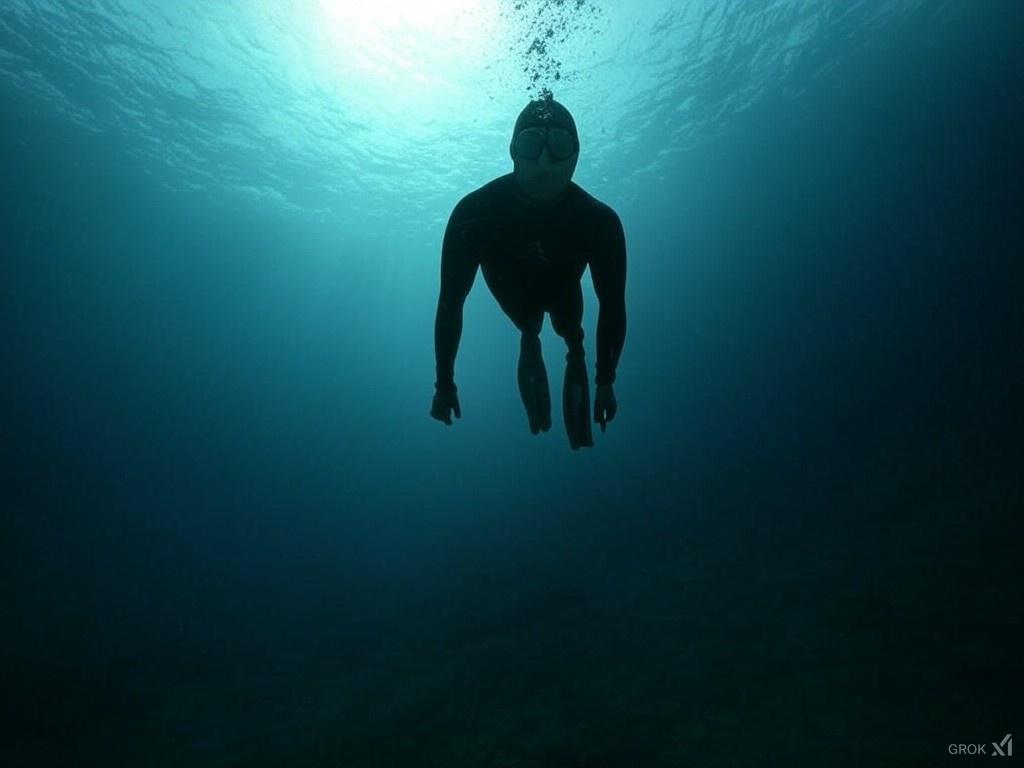
Image generated using artificial intelligence.
Free divers must adapt to the physiological changes their bodies undergo underwater. The most important factors are:
Free diving is practiced in several disciplines:
Free diving records continue to advance based on the physical and mental endurance of divers. Notably, Herbert Nitsch, Alexey Molchanov, Natalia Molchanova, and Derya Can gibi have set world records.
As free diving is a high-risk sport, adherence to specific safety rules is mandatory:
Free diving is not only a competitive sport but is also widely chosen as a leisure activity. It offers an opportunity to connect with nature, reduces stress, and enhances divers’ life satisfaction. Additionally, due to its place among extreme sports, it attracts the interest of many adventure enthusiasts.
Derya Can holds a total of nine world records and over sixty Turkish records in free diving. She has also won numerous medals at world championships and holds the distinction of being the first Turkish woman to be selected most frequently for the national team and to win medals internationally.
"Serbest, Serbest Dalış Branşları ve, and Dalışta Güvenlik Prensipleri." Bölüm 5. Spor Bilimlerinde Uluslararası Çalışmalar (2024): 73.
Aslan, Yavuz, Ayşe Sena Yumbul Kardaş, and Akın Savaş Toklu. "Serbest Dalış Fizyolojisi ve Rekorlarının Sistematik İncelemesi." Turkiye Klinikleri Journal of Sports Sciences 13, no. 3 (2021): 442-451.
Aslan, Yavuz, Ayşe Sena Yumbul, Akın Savaş Toklu, and Şamil Aktaş. "Serbest Dalışta Fizyoloji ve Dünya Rekorları." 18. Sualtı Bilim ve Teknoloji Toplantısı, 14-15 Kasım 2015: 10.
Sevinç, Figen, and Çağıl Hale Özel. "Boş Zaman Aktivitesi Olarak Dalış ve Yaşam Doyumu ile İlişkisi." Dokuz Eylül Üniversitesi Sosyal Bilimler Enstitüsü Dergisi 20, no. 3 (2018): 397-415.
Türkiye Sualtı Sporları Federasyonu. "Serbest Dalış." Accessed February 9, 2025.https://www.tssf.gov.tr/serbest-dalis/.
Wikipedia. "Serbest Dalış." Accessed February 9, 2025.https://tr.wikipedia.org/wiki/Serbest_dal%C4%B1%C5%9F.
Şimşek, Kerem Yıldırım. "Türk Ekstrem Sporcularının Spor Tüketim Faktörleri." Ege Akademik Bakış, (Özel Sayı) 12 (2012): 71-84.

The Physiology of Free Diving
Free Diving Disciplines
Safety Measures and Risks in Free Diving
Free Diving as a Sport and Leisure Activity
Turkish World Record-Holding Athletes
Şahika ERCÜMEN
Derya CAN