This article was automatically translated from the original Turkish version.
+1 More
Location | Sarajevo Bosnia and Herzegovina Ferhadiye Street | ||||||||
|---|---|---|---|---|---|---|---|---|---|
Date | 27 May 1992 | ||||||||
Attack Type | Howitzer attack | ||||||||
Perpetrators | Serb positions | ||||||||
Civilian Casualties | 26 dead, 108 wounded | ||||||||
Commemoration Day | 27 May | ||||||||
Ferhadiye Massacre was an attack that occurred on 27 May 1992 during the Bosnian War on Ferhadiye Street in Saraybosna, the capital of Bosnia and Herzegovina, resulting in the deaths of 26 civilians and injuries to 108 others. The incident took place during the early stages of the Siege of Saraybosna and is recorded as one of the attacks targeting civilians in the city. Known among the public as the Ferhadiye Massacre, it stands as one of the clearest examples of civilians being targeted while attempting to meet their basic needs during the war.
The war that began in Bosnia and Herzegovina in 1992 led to clashes between different ethnic and political groups. Saraybosna, one of the key fronts of the conflict, remained under siege for an extended period, subjecting its civilian population to severe humanitarian conditions. During the siege, shortages of water, electricity and food forced civilians to wait in long lines to obtain basic necessities. The Ferhadiye Massacre occurred within this context.
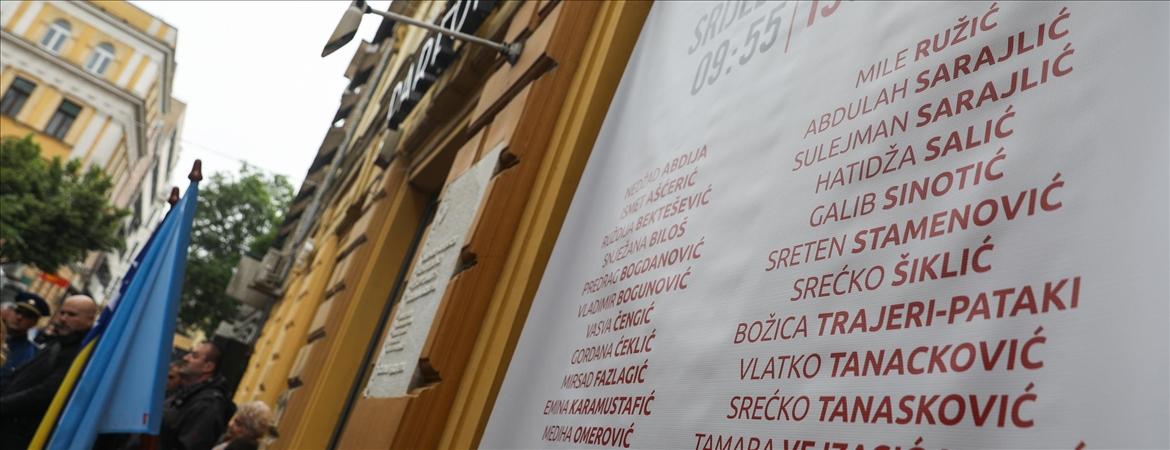
Those Who Lost Their Lives in the Ferhadiye Massacre (Anadolu Ajansı)
On the morning of 27 May 1992, a mortar shell was fired from Serbian positions onto a group of civilians waiting in line for bread on Ferhadiye Street. The shell landed in the midst of the crowd, killing 26 civilians and injuring 108 others.【1】 The majority of the victims were ordinary citizens simply trying to carry on with their daily lives. The incident is recognized as one of the most stark examples of the dangers faced by civilians living under siege in Saraybosna.
Survivors and families of the victims have shared their enduring grief and the lasting impact of the attack with the public over the years. One of the injured survivors, Abdulah Mustajbasic, stated that despite severe physical injuries and prolonged medical treatment, he continued to fight for life.【2】 Families of the victims have also emphasized that the psychological and social effects of the attack continue to persist decades later.
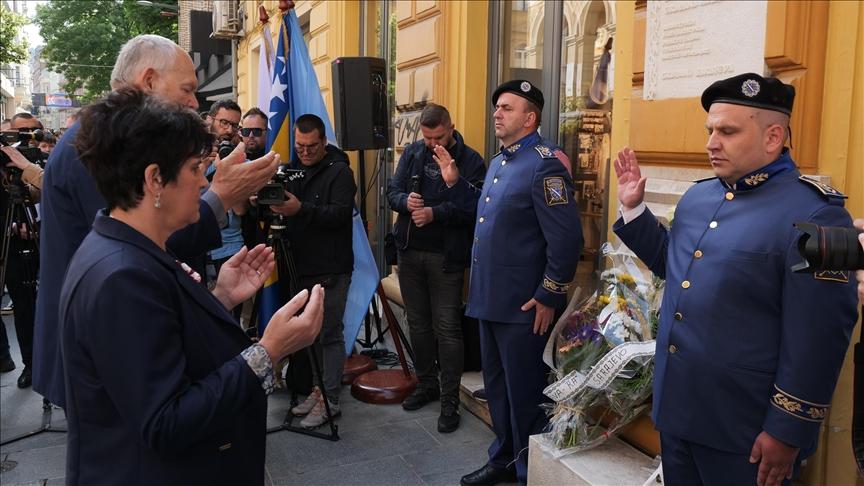
26 People Killed in Bread Lines During the War in Bosnia and Herzegovina Commemorated in Ceremony (Anadolu Ajansı)
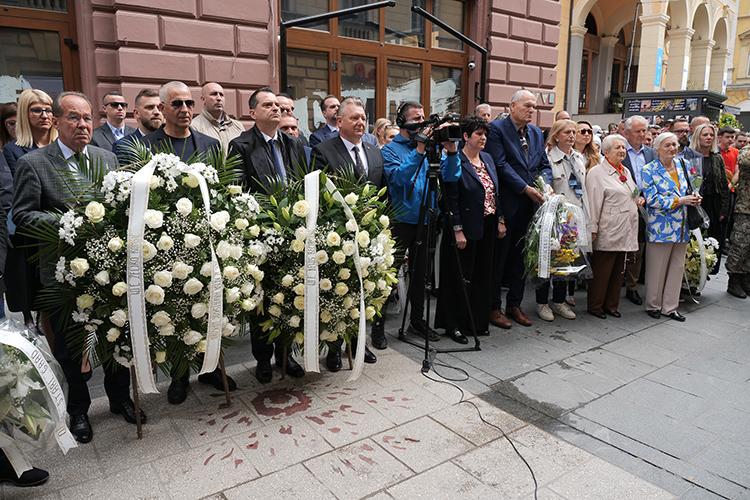
Annual commemoration ceremonies are regularly held at the site of the massacre on its anniversary. Attendees include state officials, local leaders, families of the victims, war veterans and citizens.
Flowers are laid at the location where the massacre occurred, honoring civilians who lost their lives during the war. Speeches delivered during these ceremonies stress the importance of remembering attacks against civilians during the Bosnian War and passing this memory on to future generations.
The Ferhadiye Massacre is regarded as one of the symbols of the violence endured by civilians during the Siege of Saraybosna. The targeting of people waiting in line for bread demonstrated that the war affected not only combatants but also ordinary citizens striving to maintain daily life. The event remains a key example in historical memory of the humanitarian dimension of the Bosnian War.
Anadolu Ajansı. "Bosna Hersek'teki savaşta ekmek kuyruğunda öldürülen 26 kişi törenle anıldı." Accessed June 9, 2026. https://www.aa.com.tr/tr/dunya/bosna-hersekteki-savasta-ekmek-kuyrugunda-oldurulen-26-kisi-torenle-anildi/3580965
Anadolu Ajansı. "Saraybosna'daki 'Ferhadiye Katliamı'nda hayatını kaybedenler için tören düzenlendi." Accessed June 9, 2026. https://www.aa.com.tr/tr/ayrimcilikhatti/ayrimcilik/saraybosnadaki-ferhadiye-katliaminda-hayatini-kaybedenler-icin-toren-duzenlendi/1816234
Bilgili, Bilal, and Gülsün Tanyeli. “Saraybosna’da Değişimin İzini Sürmek: Saraybosna’nın Tarihsel Gelişimi ve 1992-95 Savaşı Sonrası İyileşme Sürecinin Değerlendirilmesi”. *İDEALKENT* 12, no. 34: 1722-56. Accessed June 9, 2026. https://doi.org/10.31198/idealkent.959015
TRT Avaz. "Saraybosna'da 'Ferhadiye Katliamı' kurbanları anıldı." Accessed June 9, 2026. https://www.trtavaz.com.tr/haber/tur/turkistandan/saraybosnada-ferhadiye-katliami-kurbanlari-anildi/6290ac5701a30a2b38b91851
[1]
Anadolu Ajansı, "26 people killed in bread lines during the war in Bosnia and Herzegovina commemorated in ceremony" Anadolu Ajansı, accessed 9 June 2026. https://www.aa.com.tr/tr/dunya/bosna-hersekteki-savasta-ekmek-kuyrugunda-oldurulen-26-kisi-torenle-anildi/3580965
[2]
TRT Avaz, "Victims of the 'Ferhadiye Massacre' in Saraybosna commemorated" TRT Avaz, accessed 9 June 2026, https://www.trtavaz.com.tr/haber/tur/turkistandan/saraybosnada-ferhadiye-katliami-kurbanlari-anildi/6290ac5701a30a2b38b91851


Location | Sarajevo Bosnia and Herzegovina Ferhadiye Street | ||||||||
|---|---|---|---|---|---|---|---|---|---|
Date | 27 May 1992 | ||||||||
Attack Type | Howitzer attack | ||||||||
Perpetrators | Serb positions | ||||||||
Civilian Casualties | 26 dead, 108 wounded | ||||||||
Commemoration Day | 27 May | ||||||||
Historical Background
The Attack
Victims and Testimonies
Commemoration Ceremonies
Historical Significance