

This article was automatically translated from the original Turkish version.
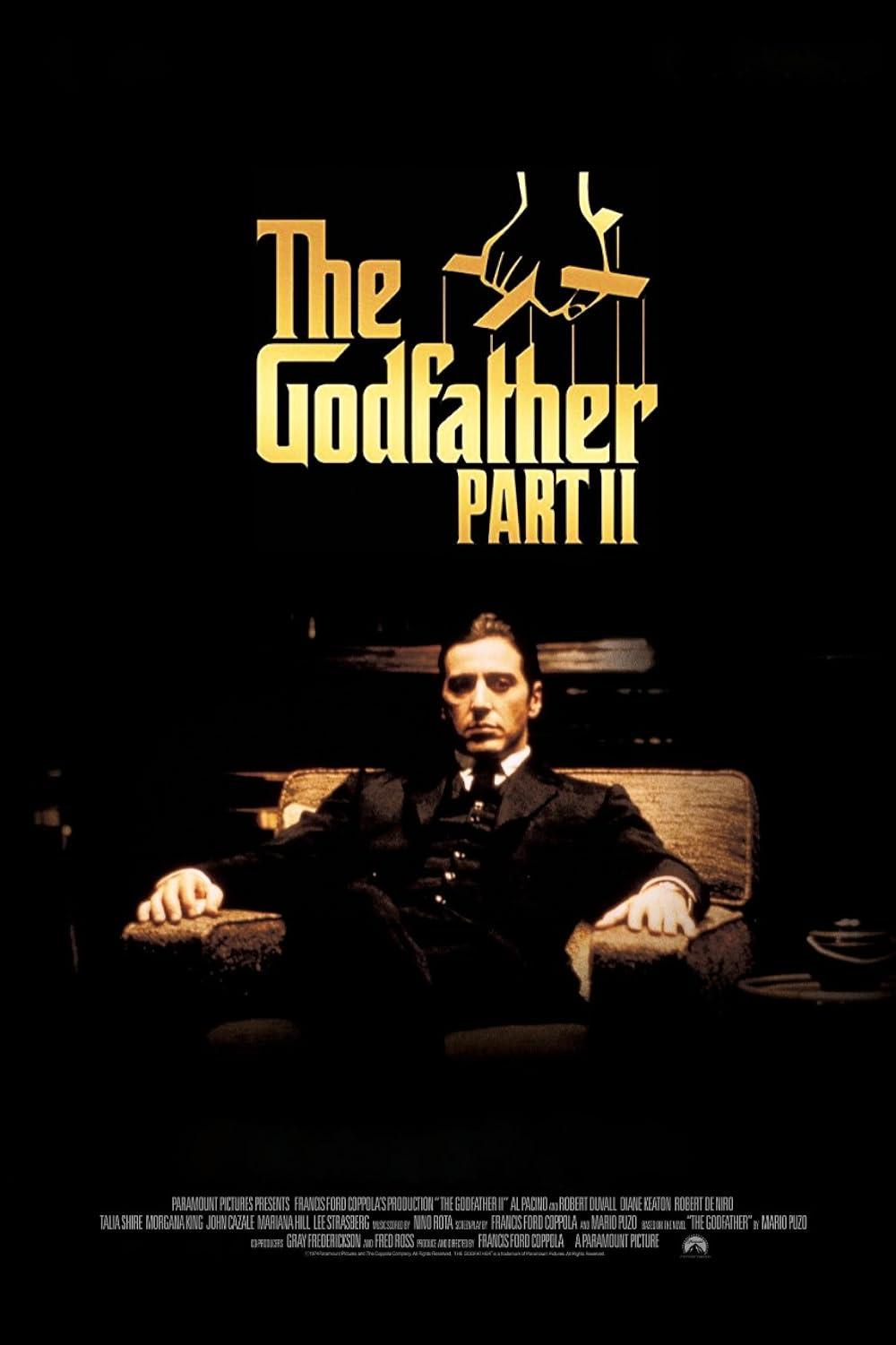
Father 2
Production Year(Text) | 1974 | ||||||||
|---|---|---|---|---|---|---|---|---|---|
IMDb Rating(Text) | 9.0 | ||||||||
Director(s) | Francis Ford Coppola | ||||||||
Duration | 202 minutes | ||||||||
Genre | Crime Drama | ||||||||
Screenplay(s) | Francis Ford Coppola Mario Puzo (adapted from Mario Puzo's novel) | ||||||||
Francis Ford Coppola’s Father 2 (The Godfather Part II) is a cinematic masterpiece that interweaves parallel narratives of the past and present to explore the psychological depth of the crime world. It intricately portrays the youth of Vito Corleone (Robert De Niro), who rises from poverty to build a criminal empire, and the complex descent of his son Michael Corleone (Al Pacino) after assuming leadership of the family.
After his father’s death, Michael strives to strengthen the family but faces numerous conspiracies. Sections set in Cuba and Las Vegas depict Michael’s battles with enemies and his tragic conflict with his brother Fredo, forming the film’s dramatic core. Michael’s increasing isolation and the loss of his loved ones in pursuit of power and authority reveal the film’s tragic dimension.
On the other hand, the film recounts the journey of young Vito, who emigrates from Sicily to America in the early 1900s, highlighting the nature of power and the dark side of the American Dream.
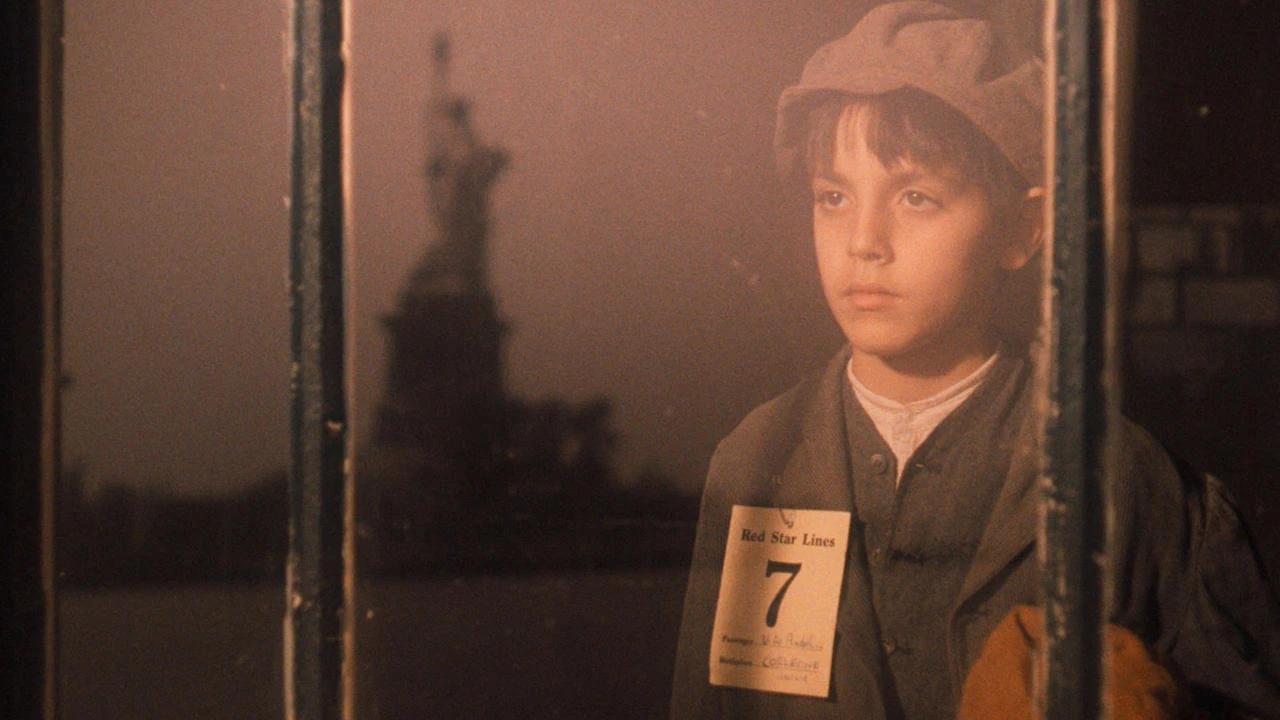
Still from The Godfather Part II –MUBI
The film powerfully demonstrates how power isolates individuals. Michael Corleone’s efforts to protect his family gradually transform him into a colder and more detached figure.
Vito’s immigrant story presents a realistic and grim portrayal of the American Dream, grounded in crime, violence, and corruption, in stark contrast to its idealized version.
The concept of loyalty is continually tested throughout the film. Fredo Corleone’s betrayal reveals that even family bonds can weaken in the face of personal gain and power.
The film constantly juxtaposes past and present, prompting viewers to reflect on the Corleone family’s evolution across different eras. The parallel between Vito’s ascent and Michael’s decline deepens the narrative’s emotional and thematic resonance.
Following the immense success of the first film, Paramount Pictures urged Coppola to produce a sequel. Although initially hesitant, Coppola, in collaboration with screenwriter Mario Puzo, crafted a script that spanned multiple time periods, introducing innovation to the series. A scene featuring Marlon Brando was originally planned, but Brando rejected the proposed sequence.
Principal photography took place largely in the United States, Italy, and the Dominican Republic. Coppola undertook meticulous work to capture the atmospheric authenticity of each era in the film’s visual storytelling.
Al Pacino delivered a flawless portrayal of Michael Corleone’s inner turmoil, pain, and solitude. Robert De Niro achieved a major breakthrough in his acting career with his portrayal of the young Vito Corleone, winning an Academy Award for his performance in Italian. John Cazale created an unforgettable tragic figure as Fredo Corleone, enhancing the film’s dramatic impact. Lee Strasberg embodied the character of Hyman Roth with a calm, calculating, and menacing presence.
The Godfather Part II holds a unique place in cinema history as the first sequel to win the Academy Award for Best Picture.
Best Picture – Francis Ford Coppola, Gray Frederickson, Fred Roos
Best Director – Francis Ford Coppola
Best Supporting Actor – Robert De Niro
Best Adapted Screenplay – Francis Ford Coppola, Mario Puzo
Best Art Direction – Dean Tavoularis, Angelo Graham, George R. Nelson
Best Original Score – Nino Rota, Carmine Coppola
Best Actor – Al Pacino
Best Supporting Actor – Michael V. Gazzo, Lee Strasberg
Best Supporting Actress – Talia Shire
Best Cinematography
1975 Golden Globe Awards:
Best Director (Francis Ford Coppola)
Best Actor (Al Pacino, nomination)
Best Editing (Won)
The film maintains its position among the highest-rated films on IMDb.
The Godfather Part II is one of the rare sequels to surpass its predecessor in cinematic history. Through Coppola’s masterful storytelling and powerful ensemble cast, the film transcended the boundaries of mafia cinema and became a landmark in American cinema.
AS.com. "How Many Oscars Does The Godfather Have?" Accessed March 21, 2025. Link
Dergipark. "The Godfather Part II Üzerine Bir Değerlendirme." Accessed March 21, 2025. Link
Godfather Wiki. "The Godfather Part II." Accessed March 21, 2025. Link
IMDb. "The Godfather Part II (1974)." Accessed March 21, 2025. Link
Independent Türkçe. “Godfather Yönetmen Coppola’nın Brando Teklifi.” Accessed March 21, 2025. Link
Oscars Wiki. "The Godfather Part II Oscar Ödülleri." Accessed March 21, 2025. Link

Father 2
Production Year(Text) | 1974 | ||||||||
|---|---|---|---|---|---|---|---|---|---|
IMDb Rating(Text) | 9.0 | ||||||||
Director(s) | Francis Ford Coppola | ||||||||
Duration | 202 minutes | ||||||||
Genre | Crime Drama | ||||||||
Screenplay(s) | Francis Ford Coppola Mario Puzo (adapted from Mario Puzo's novel) | ||||||||
Themes and Analysis
1. Power and Isolation
2. The Dark Side of the American Dream
3. Loyalty and Betrayal
4. Parallelism Between Past and Present
Production Process
Performances
Awards and Nominations
1975 Academy Awards (Oscars)
Wins:
Nominations:
Other Awards
BAFTA Awards:
Impact and Significance