


This article was automatically translated from the original Turkish version.
Facial recognition is a biometric technology that identifies a person’s identity solely by analyzing facial features. These systems extract specific facial characteristics by digitally analyzing the human face and match them against previously recorded data in a digital database to verify identity.
Facial recognition technology is based on computer vision and artificial intelligence (AI) algorithms. These systems first detect the human face in an image or video, then digitize it by converting it into a set of feature vectors. These features typically rely on biometric details such as the distance between the eyes, nose length, and jaw structure among others.
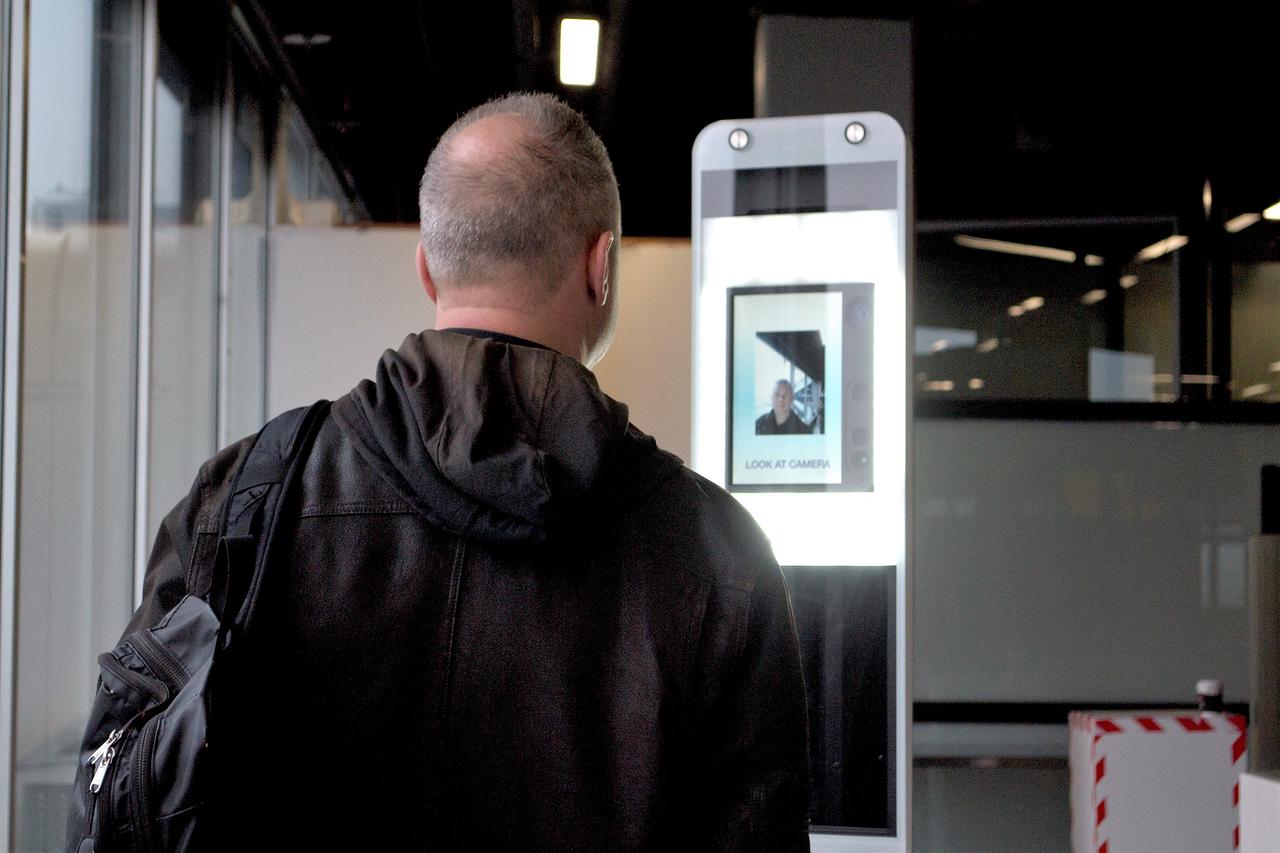
Facial recognition system used during passport control at an airport - Image
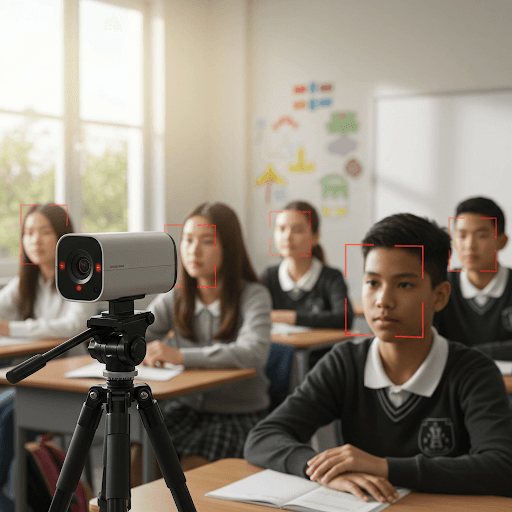
Attendance taken using facial recognition in a classroom setting - Image generated by artificial intelligence
Facial recognition technologies are controversial in terms of personal data security. In Türkiye, the KVKK and in Europe, the GDPR impose strict regulations on the use and storage of facial recognition systems.
Facial recognition technology is a system that enhances both individual convenience and societal security. However, its use must strictly adhere to ethical boundaries, transparency, and data protection laws. As more widespread and accurate systems emerge in the future, both technological advancements and societal debates are expected to accelerate.
Amazon Web Services. "Yüz Tanıma Nedir?" Amazon Web Services. Accessed April 12, 2025.https://aws.amazon.com/tr/what-is/facial-recognition/
Kaspersky. "Yüz Tanıma Teknolojisi Nedir?" Kaspersky Türkiye. Accessed April 12, 2025.https://www.kaspersky.com.tr/resource-center/definitions/what-is-facial-recognition
Microsoft Azure. "What Is Face Recognition?" Microsoft Azure. Accessed April 12, 2025.https://azure.microsoft.com/tr-tr/resources/cloud-computing-dictionary/what-is-face-recognition
Mysoft. "Yüz Tanıma Teknolojisi Nedir, Nasıl Çalışır, Nerelerde Kullanılır?" Accessed April 12, 2025.https://www.mysoft.com.tr/yuz-tanima-teknolojisi-nedir-nasil-calisir-nerelerde-kullanilir

Definition and Working Principle
General steps:
Technologies Used
Application Areas
Legal and Ethical Dimensions
Ethical Questions
Advantages
Disadvantages
Facial Recognition Software and Services
Current Use Cases