This article was automatically translated from the original Turkish version.
+1 More
Official Name | Arakiyeci Cafer Ağa Camii | ||||||||
|---|---|---|---|---|---|---|---|---|---|
Location | İstanbul, Eyüpsultan, Nişanca Mahallesi, Abdurrahman Şeref Bey Caddesi | ||||||||
Founder | Arakiyeci Cafer Çelebi | ||||||||
Architectural Period | 17th-century Ottoman culture | ||||||||
Construction Date | Approximately 1616 (Hijri 1023) | ||||||||
Burials | Banisi Cafer Çelebi | ||||||||
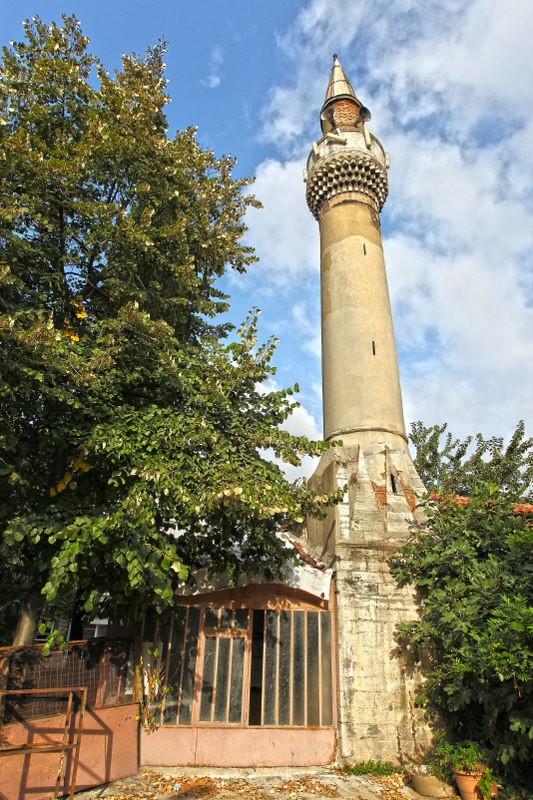
Arakiyeci Cafer Ağa Camii is a square-plan, masonry place of worship from the 17th century Ottoman period, located at the intersection of Abdurrahman Şeref Bey Caddesi and Arakiyeci Camii Sokağı in the Nişanca neighborhood of Eyüpsultan district, Istanbul.【1】
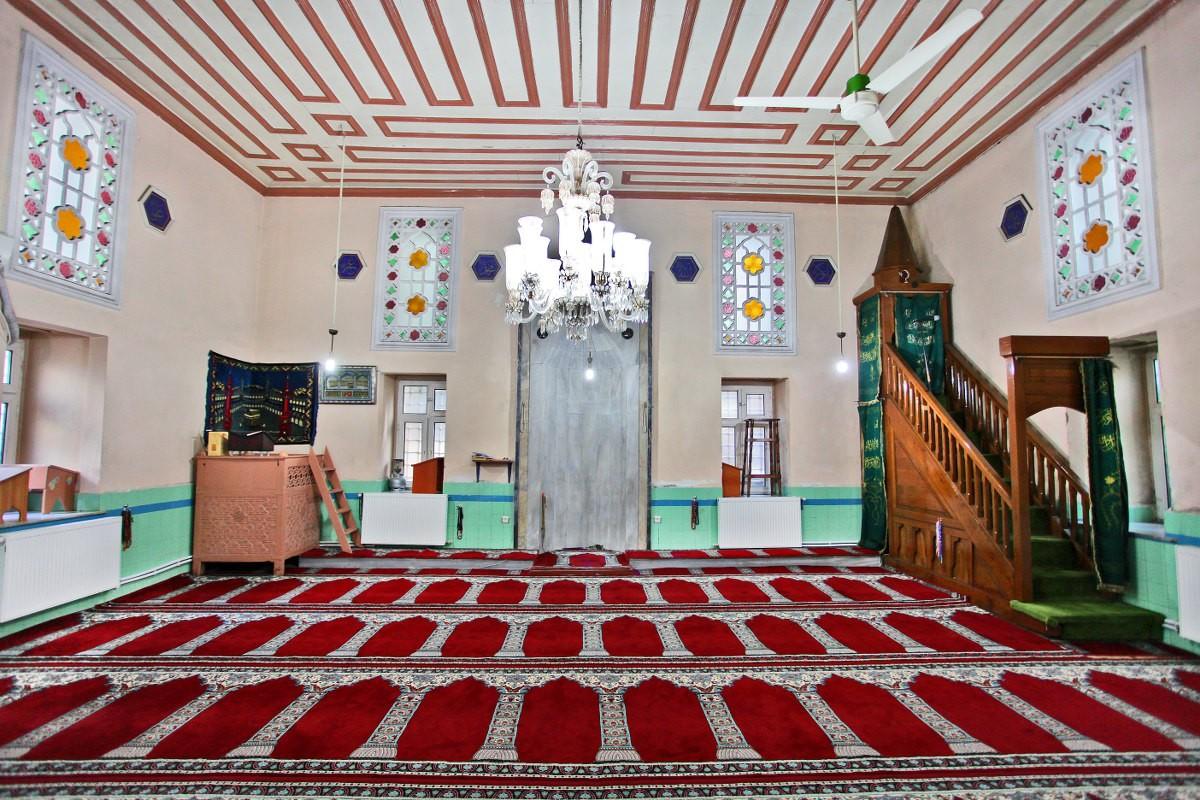
İç Kısım (Eyüpsultan Belediyesi)
The founder of the structure is Arakiyeci Cafer Çelebi. Although no foundation inscription survives, it is accepted that the building was constructed in 1616 (Hijri 1023). Originally serving as a mosque, it was elevated to the status of a mosque when El-hac Beşir Ağa, who served as Dar'üs-Sa'âde Ağası between 1717 and 1746, installed a pulpit. Beşir Ağa died in 1746 and is buried near the Eyüp Sultan Türbesi.【2】
The building is constructed of rubble stone according to a square plan and has a wooden roof. A supplementary prayer space consisting of four wooden columns was added to the front facade in 1971. Inside, the mihrab is designed as a niche and the minbar is made of wood. Two rows of two windows each are arranged on either side of the mihrab. A tombstone has been identified as having been used as infill material in the left corner of the building.【3】
The minaret rising on the right side of the mosque has a base constructed of rubble stone, with its exterior surface later plastered. The gallery of the minaret was built using cut stone. The cupola at the top of the minaret is covered with lead.【4】
The founder of the mosque, Cafer Çelebi, is buried in its cemetery. The gravestones in the cemetery have not survived to the present day. The historic stone ablution fountain in the courtyard was removed in 1971. Opposite the mosque stands a school built by Daye Hatun, which also contains her tomb. The structure is currently accessible and is registered as part of Ottoman architectural heritage.【5】
Culture Inventory. "Arakiyeci CaferAğa Camii." Accessed July 10, 2026.https://kulturenvanteri.com/yer/arakiyeci-cafer-aga-camii/
Eyüpsultan Belediyesi. "Arakiyeci Camii." Accessed July 11, 2026.https://www.eyupsultan.bel.tr/tr/main/pages/arakiyeci-camii/936
[1]
Kültür Envanteri. "Arakiyeci Cafer Ağa Camii." Erişim Tarihi 10 Temmuz 2026. https://kulturenvanteri.com/yer/arakiyeci-cafer-aga-camii/
[2]
Eyüpsultan Belediyesi. "Arakiyeci Camii." Erişim Tarihi 11 Temmuz 2026. https://www.eyupsultan.bel.tr/tr/main/pages/arakiyeci-camii/936
[3]
Eyüpsultan Belediyesi. "Arakiyeci Camii."
[4]
Eyüpsultan Belediyesi. "Arakiyeci Camii."
[5]
Eyüpsultan Belediyesi. "Arakiyeci Camii."

Official Name | Arakiyeci Cafer Ağa Camii | ||||||||
|---|---|---|---|---|---|---|---|---|---|
Location | İstanbul, Eyüpsultan, Nişanca Mahallesi, Abdurrahman Şeref Bey Caddesi | ||||||||
Founder | Arakiyeci Cafer Çelebi | ||||||||
Architectural Period | 17th-century Ottoman culture | ||||||||
Construction Date | Approximately 1616 (Hijri 1023) | ||||||||
Burials | Banisi Cafer Çelebi | ||||||||
No Discussion Added Yet
Start discussion for "Eyüpsultan Arakiyeci Camii" article
History and Waqf Records
Architectural Features
Minaret Structure
Cemetery and Surrounding Structures