


This article was automatically translated from the original Turkish version.
+1 More
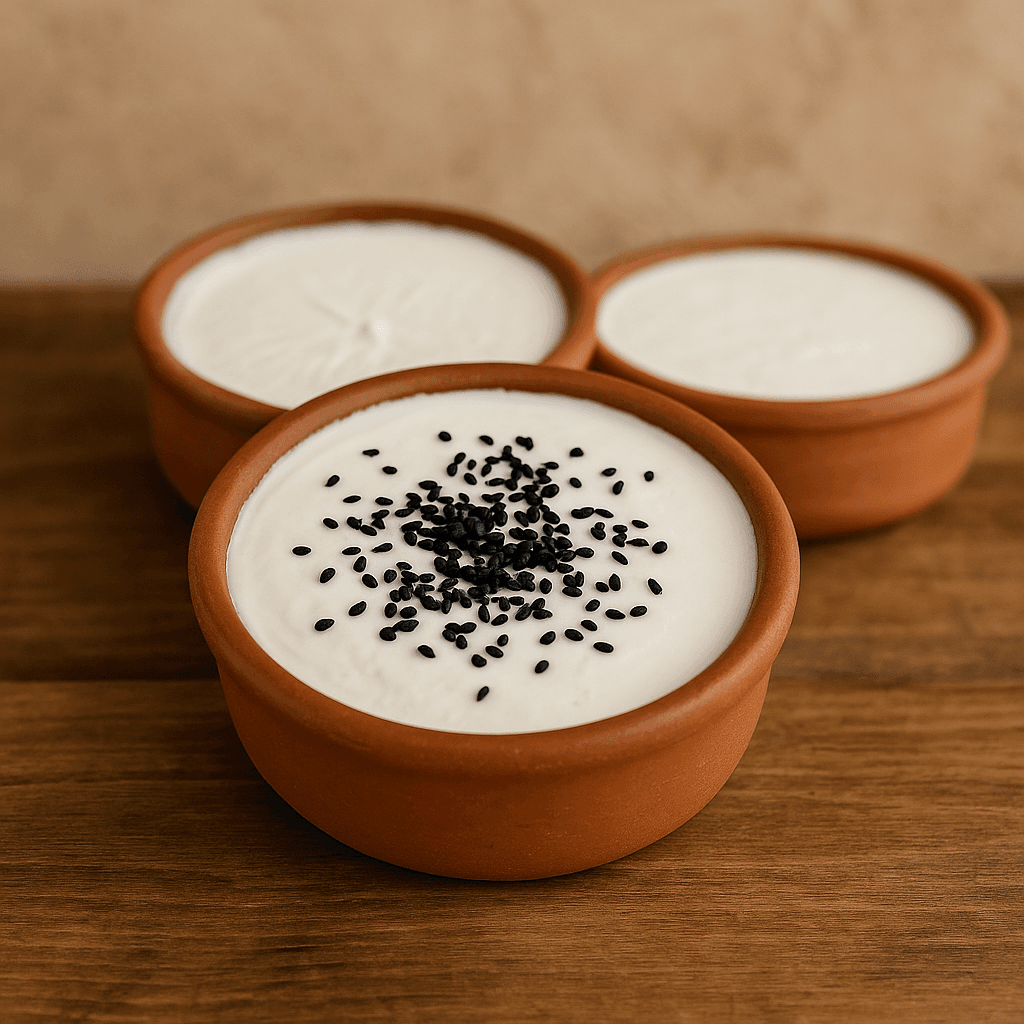
Eşmekaya Yogurt
Type of Geographical Indication | Origin Name | ||||||||
|---|---|---|---|---|---|---|---|---|---|
File Number | C2018/214 | ||||||||
Application Date | 2018-11-23 | ||||||||
Registration Number | 768 | ||||||||
Registration Date | 2021-05-25 | ||||||||
Product / Product Group(s) | Dairy products other than cheeses and butter | ||||||||
Province(s) | Aksaray | ||||||||
Applicant/Registrant(s) | Aksaray Chamber of Commerce | ||||||||
Status | Registered | ||||||||
Eşmekaya Yogurt is a dairy product produced within the geographical boundaries of Eşmekaya town, located in the Eskil district of Aksaray Province. This yogurt is made from the milk of sheep that graze on the native vegetation of the region.
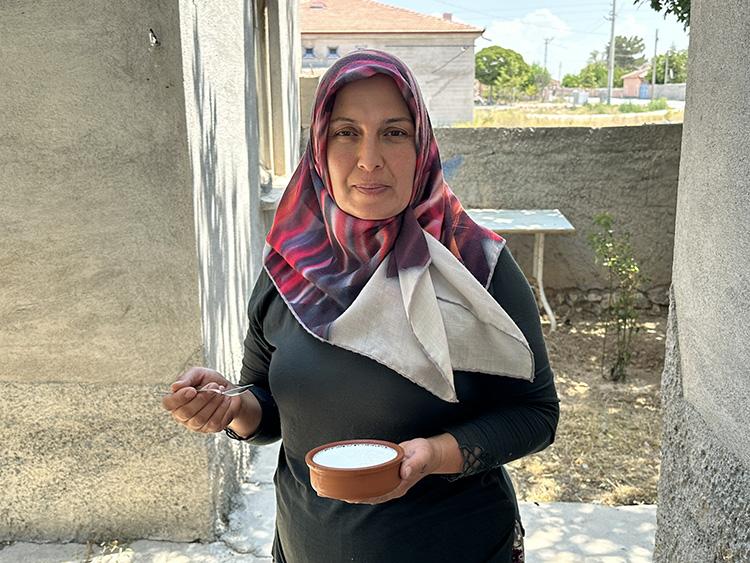
Producer of Eşmekaya Yogurt (AA)
Eşmekaya yogurt is produced from the milk of sheep that feed on the native vegetation within the geographical boundary. The region’s flora includes various endemic plants such as gökbaş, yağlıca, pıtırak, tilki kuyruğu, güvenik, wild wheat, kangal sitili, yavşan otu, keme otu, wild clover, tosbağa otu, üzerlik and keçi biciği. The milk obtained from these sheep has an acidity level of 0.18%, a fat content of 9% and a density of 1.03%. These properties give Eşmekaya yogurt its thick, non-fluid consistency.
The protein content of Eşmekaya yogurt is 6.2% ± 0.4% and its fat content is 8.5% ± 0.5%. The yogurt has a very thick consistency. It is primarily produced between April and June, but production occurs for approximately 12 months of the year. The distinctive aroma imparted by the prevailing winds from the Tuz Gölü Basin during spring through late September enhances the endemic grasses and forage plants, giving Eşmekaya yogurt its unique flavor. The starter culture for the yogurt is also prepared from the yogurt itself.
Traditional methods are used in the production of Eşmekaya yogurt. Milk obtained from sheep grazing within the geographical boundary is filtered twice through cloth sieves. It is then boiled in copper or aluminum cauldrons over a wood fire. During cooking, the milk is stirred using milk stirring devices. This stirring process aims to remove air bubbles from the milk, resulting in a firmer and longer-lasting yogurt. Once the milk reaches boiling point, it is removed from the heat and transferred to clean cauldrons for cooling. The ideal temperature for fermentation is 36–38°C. For every 5 kg of milk, 100–120 g of starter culture is sufficient. The starter culture for Eşmekaya yogurt is obtained from yogurt produced the previous day. The selected culture is thoroughly mixed with a portion of the cooled milk at 36–38°C before being added to the rest of the milk.
The resulting homogeneous mixture is poured into earthenware, metal or plastic containers suitable for yogurt production. The containers are covered with a clean cloth and left at room temperature for 2.5 to 3 hours to complete fermentation. After fermentation, the containers are opened and the yogurt is left to cool. Cooling lasts between 6 and 8 hours depending on the season. After cooling, the yogurt is stored in a refrigerator for an additional 6 hours before being ready for consumption. The entire production process requires approximately 13 hours of labor per day. The yogurt is transported approximately 70 kilometers to restaurants and dairy product retailers.
Yogurt is a fermented dairy product derived from milk. With a history dating back to 6000 BCE, yogurt is recognized as a nutritious and valuable food. Eşmekaya sheep milk and yogurt are rich in fat and contain phospholipids, which are vital for brain and nerve cell function. The main energy source in milk, lactose, consists of glucose and galactose. Galactose is utilized in nerve and brain tissues, while glucose is a key component of energy metabolism.
Eşmekaya yogurt is also a rich source of minerals and an important source of calcium. Calcium enhances dental and bone development during growth stages and helps prevent bone loss in older age. Phosphorus, also present in its composition, plays a significant role in bone formation. It is also a good source of vitamin B2, which is essential for cognitive development, skin health and eye health.
Some benefits of Eşmekaya sheep milk and yogurt include effectiveness against microbial infections and a role in treating diarrhea symptoms. It has been observed to alleviate stomach discomfort and regulate the digestive system, helping to prevent ulcers. Studies have shown positive effects of sheep milk in combating tooth decay, chronic bronchitis, cancer and substances causing edema in the body. It is also reported to inhibit the growth of undesirable microorganisms in the intestines and promote a healthy gut flora. The immune system is strengthened, and it is believed to have protective effects against many diseases caused by pathogenic fungi and bacteria.
Warning: The content provided here is for general encyclopedic information only. These details must not be used for diagnosis, treatment or medical advice. Before making any decisions regarding health, you must consult a physician or qualified healthcare professional. The author and KÜRE Encyclopedia accept no responsibility for any consequences arising from the use of this information for diagnostic or therapeutic purposes.
The monitoring of Eşmekaya yogurt is carried out by a three-member oversight body composed of experts from the Aksaray Chamber of Commerce, the Aksaray Provincial Directorate of Agriculture and Forestry, and the Aksaray Sheep and Goat Breeders Association, coordinated by the Aksaray Chamber of Commerce. Monitoring is conducted annually as a routine procedure and may also be carried out at any time upon request or in response to complaints. The oversight body verifies that the milk used in production is sourced within the geographical boundary, that the starter culture is obtained from yogurt produced the previous day, that the production method is followed (particularly fermentation conditions), that the yogurt’s consistency, fat and protein levels meet standards, and that labeling and emblem usage comply with regulations.
Aksaray Üniversitesi. "Eşmekaya Koyun Sütü ve Yoğurdu." E-Şehir Aksaray. Accessed May 23, 2025. http://e-sehir.aksaray.edu.tr/2021/03/24/esmekaya-koyun-sutu-ve-yogurdu/
Anadolu Ajansı. “Tescilli Esmekaya Yoğurdu İçin 13 Saat Mesai Yapıyor.” Accessed May 23, 2025. https://www.aa.com.tr/tr/yasam/tescilli-esmekaya-yogurdu-icin-13-saat-mesai-yapiyor/3275614
Ministry of Culture and Tourism of the Republic of Turkey. "Eşmekaya Yoğurdu." Kültür Portalı. Accessed May 23, 2025.
Turkish Patent and Trademark Office. "Eşmekaya Yoğurdu." Coğrafi İşaretler. Accessed May 23, 2025.
Türk Patent ve Marka Kurumu. *Eşmekaya Yoğurdu Teknik Şartnamesi*. Ankara: TÜRKPATENT, Accessed May 23, 2025.

Eşmekaya Yogurt
Type of Geographical Indication | Origin Name | ||||||||
|---|---|---|---|---|---|---|---|---|---|
File Number | C2018/214 | ||||||||
Application Date | 2018-11-23 | ||||||||
Registration Number | 768 | ||||||||
Registration Date | 2021-05-25 | ||||||||
Product / Product Group(s) | Dairy products other than cheeses and butter | ||||||||
Province(s) | Aksaray | ||||||||
Applicant/Registrant(s) | Aksaray Chamber of Commerce | ||||||||
Status | Registered | ||||||||
Description and Distinctive Characteristics
Production Method
Nutritional Properties and Benefits
Monitoring