

+1 More

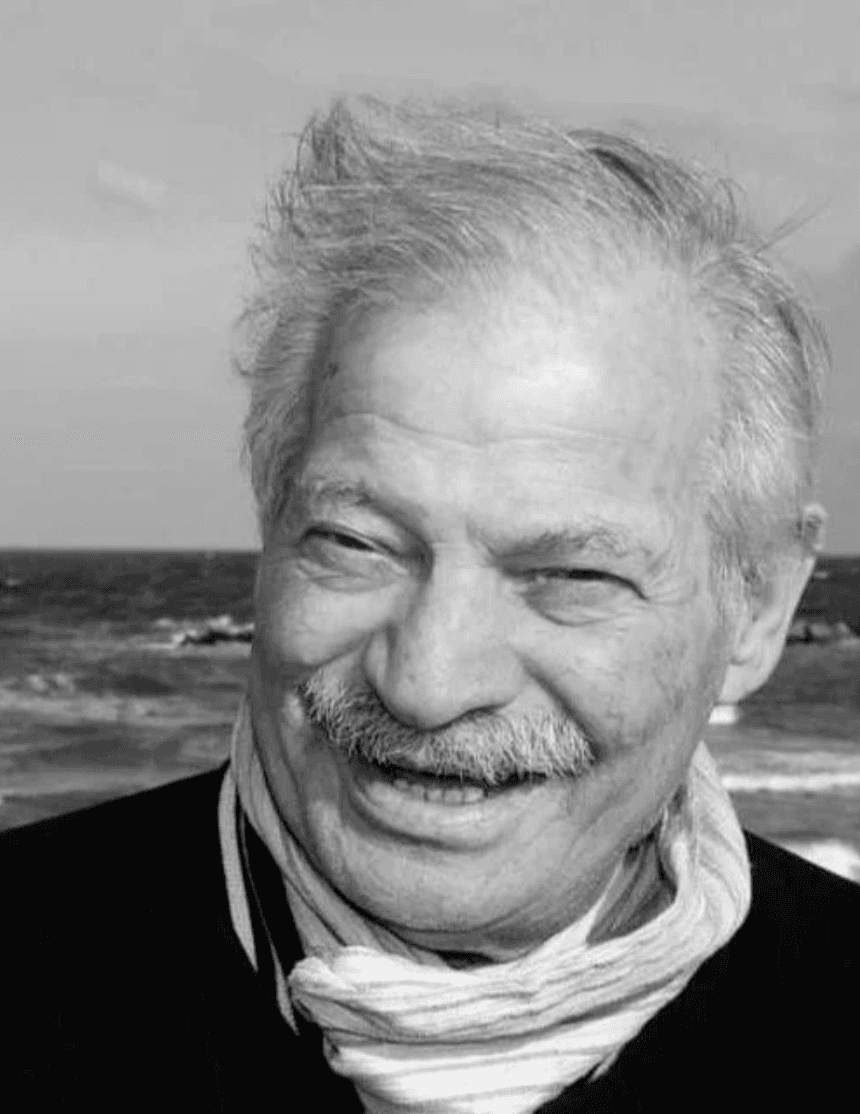
Erol Şadi Erdinç
Date and Place of Birth | 1935, İstanbul | ||||||||
|---|---|---|---|---|---|---|---|---|---|
Ölüm tarihi | 2012-09-17 | ||||||||
Education | Istanbul University Faculty of Law | ||||||||
Erol Şadi Erdinç was born in Istanbul in 1935. He lived in the Beyoğlu district of Istanbul and spent his childhood and early youth in the Aksaray neighborhood. He completed his education at the Faculty of Law of Istanbul University. During his legal studies he became one of the most distinguished students of the late Tarık Zafer Tunaya; he contributed to his scholarly work by providing documentary evidence. At the same time he was a student of Ahmet Ateş, an expert in Persian literature and Ottoman Turkish. Through this he acquired the linguistic proficiency necessary to work directly with classical texts.
Erdinç’s historiography was not shaped within an academic chair but through sustained archival research and documents work. He focused especially on Committee of Union and Progress on. He spent much of his life collecting classifying and interpreting the documents of this institution. He became identified with the phrase “Unionism is first and foremost a spirit!” The label “Last Unionist” was deemed fitting by Murat Bardakçı and over time this designation was also adopted by the public.
Erdinç’s expertise was not limited to collecting Unionist documents. His knowledge rested on a historical mastery that penetrated the finest details. Even in everyday conversation he could recount intricate episodes from the past with his witty style blending serious historical questions with humor. The saying by İlber Ortaylı “Those who know too much cannot write easily” was tailor-made for him. He preferred speaking to writing combining rich oral expression with critical intellect in his conversations.
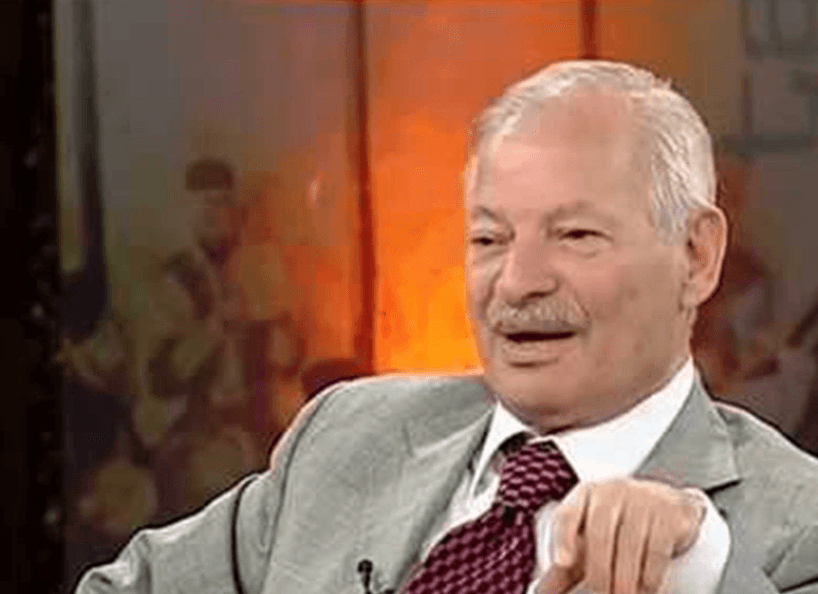
Erol Şadi Erdinç became known to a broader public through the program “A Backward Glance at History from the Present” which he prepared and presented on National Canal. The program presented narratives based on documents and firsthand testimonies concerning the final years of the Ottoman Empire and the early Republic. These broadcasts enabled him to convey his academic depth to wider audiences.
Erdinç’s most striking characteristic was his perfectionism. He repeatedly reviewed every sentence and even every word of his writings to ensure their flawlessness and thus never managed to publish his works during his lifetime. This attitude was both a limiting factor for his productivity and a demonstration of his meticulousness. He did not publish any books while alive; he kept his documents in what he called “alchemical storage.” His major work which he could not publish during his lifetime was released six years after his death in 2018.
This three-volume work contained the official records related to the trial process of the Committee of Union and Progress:
Following this work another book was to be published containing the statutes and regulations of the Committee of Union and Progress. However after his death the organization and editing of his archives and draft manuscripts took on long a process.
Erol Şadi Erdinç died on 17 October 2012 at the age of 77. His funeral was held in Istanbul Teşvikiye Camii. Many academics journalists and intellectuals including İlber Ortaylı wrote deeply reflective pieces following his death. His passing was regarded as both the end of an era in historiography and the loss of Istanbul’s old intellectual atmosphere.
Erdinç’s greatest legacy is his document-based approach to historiography. With a posture that valued oral narratives as much as written history he connected documents with living memory. The publication of his books enabled the public to access the most comprehensive sources on the Committee of Union and Progress. His works are now among the foundational sources for understanding the transition from the Ottoman Empire to the Republic.
Erol Şadi Erdinç occupies a unique place in Turkish historiography as one of the rare figures who conducted profound historical research without being affiliated with any university.
Bardakçı, Murat. “Son İttihadçı’nın Büyük Eseri, Vefatından Altı Sene Sonra Bu Hafta Yayınlanabildi!” Habertürk, July 4, 2018. Accessed April 3, 2025. https://www.haberturk.com/yazarlar/murat-bardakci/2043724-son-ittihadcinin-buyuk-eseri-vefatindan-alti-sene-sonra-bu-hafta-yayinlanabildi.
Ortaylı, İlber. “İlber Ortaylı Erol Şadi Erdinç’i Yazdı.” OdaTV, October 21, 2012. Accessed April 3, 2025. https://www.odatv.com/guncel/ilber-ortayli-erol-sadi-erdinci-yazdi-26666.

Erol Şadi Erdinç
Date and Place of Birth | 1935, İstanbul | ||||||||
|---|---|---|---|---|---|---|---|---|---|
Ölüm tarihi | 2012-09-17 | ||||||||
Education | Istanbul University Faculty of Law | ||||||||
Historiography and Academic Identity
Television and Public Engagement
Publication Activities and Perfectionism
Death and Legacy