

 Recently Added:
This article was automatically translated from the original Turkish version.
The 2026 local elections in the United Kingdom, held after the 2024 general election, were regarded as one of the most comprehensive political votes in the country and constituted a significant democratic process that reshaped the parliaments of Scotland and Wales alongside local authorities.
Millions of voters went to polling stations across England to elect approximately five thousand local council members and determine mayors in certain regions. Elections were held in all 32 London borough councils, as well as in numerous district unitary and county councils throughout the country.
In addition, mayoral elections took place in the areas of Croydon Hackney Lewisham Newham Tower Hamlets and Watford. While some local authorities held elections for all council seats others elected only half or one third of their council members.
In Scotland all 129 seats of the parliament were up for election while in Wales representatives were chosen in 16 constituencies under a new system that increased the number of parliamentary seats from 60 to 96.
During the election campaign the governing Labour Party under Prime Minister Keir Starmer aimed to strengthen its influence at the local level. The party emphasized improvements in public services healthcare social housing projects and economic stability in its campaign messaging.
The main opposition Conservative Party placed tax policy preservation of local budgets and immigration control at the center of its campaign. Party leadership sought to regain strength at the local level following losses in the 2024 general election.
One of the notable political formations in the elections was Reform UK. The party supported by Nigel Farage sought to attract support primarily from the Conservative voter base through campaigns focused on restricting irregular migration anti-European rhetoric and economic dissatisfaction.
In Scotland the Scottish National Party continued its pro-independence policies while Scottish Labour aimed to translate its growing support in recent years into electoral gains. In Wales competition emerged between Welsh Labour and the nationalist party Plaid Cymru.
The cost of living energy costs healthcare social services housing crisis and immigration policies emerged as the central issues in the election campaigns.
Since local authorities are responsible for elderly and disabled care waste collection and recycling education social housing and road maintenance the election outcomes were expected to have a direct impact on daily life.
Moreover the elections held political significance as an indicator of voter satisfaction with the central government’s management of the economy and public services.
In England voters were required to be at least 18 years old and present a valid photo ID to cast their ballots. In contrast in Scotland and Wales citizens aged 16 and over were eligible to vote and no photo ID requirement was enforced in these regions.
BBC News Türkçe. "İngiltere’de yerel seçimler: Seçmenler neden sandık başında?" Accessed May 7, 2026. https://www.bbc.com/turkce/articles/czr2n1k1603o
TRT Haber. "İngiltere'de halk yerel seçimler için sandık başında." Accessed May 7, 2026. https://www.trthaber.com/haber/dunya/ingilterede-halk-yerel-secimler-icin-sandik-basinda-944323.html
The Guardian. "May local elections live: Polls open across England, Scotland and Wales." Accessed May 7, 2026. https://www.theguardian.com/politics/live/2026/may/07/may-local-elections-polls-open-england-scotland-wales-uk-politics-latest-news-updates

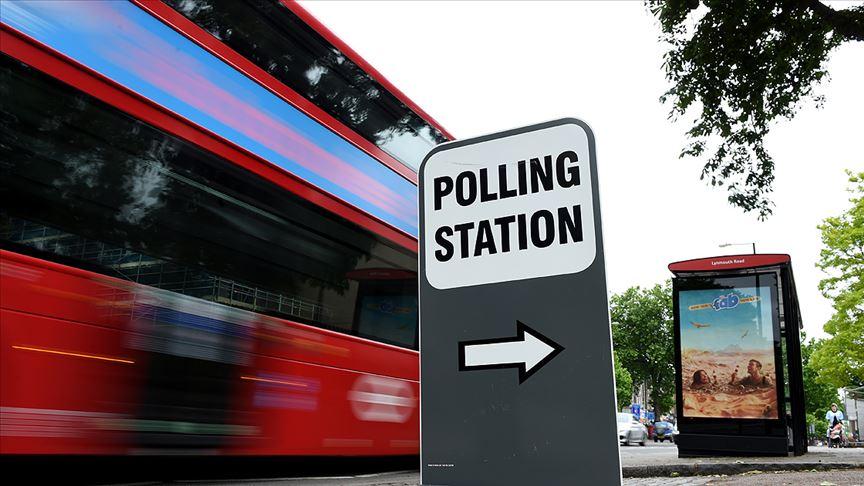
In the United Kingdom, millions of voters went to the polls to determine local authorities as well as the parliaments of Scotland and Wales.
No Discussion Added Yet
Start discussion for "England 2026 Local Elections" article
May 7, 2026
Scope of the Elections
May 7, 2026
Political Parties and Candidates
May 7, 2026
Key Themes of the Campaigns
May 7, 2026
Voting System