


This article was automatically translated from the original Turkish version.
+1 More
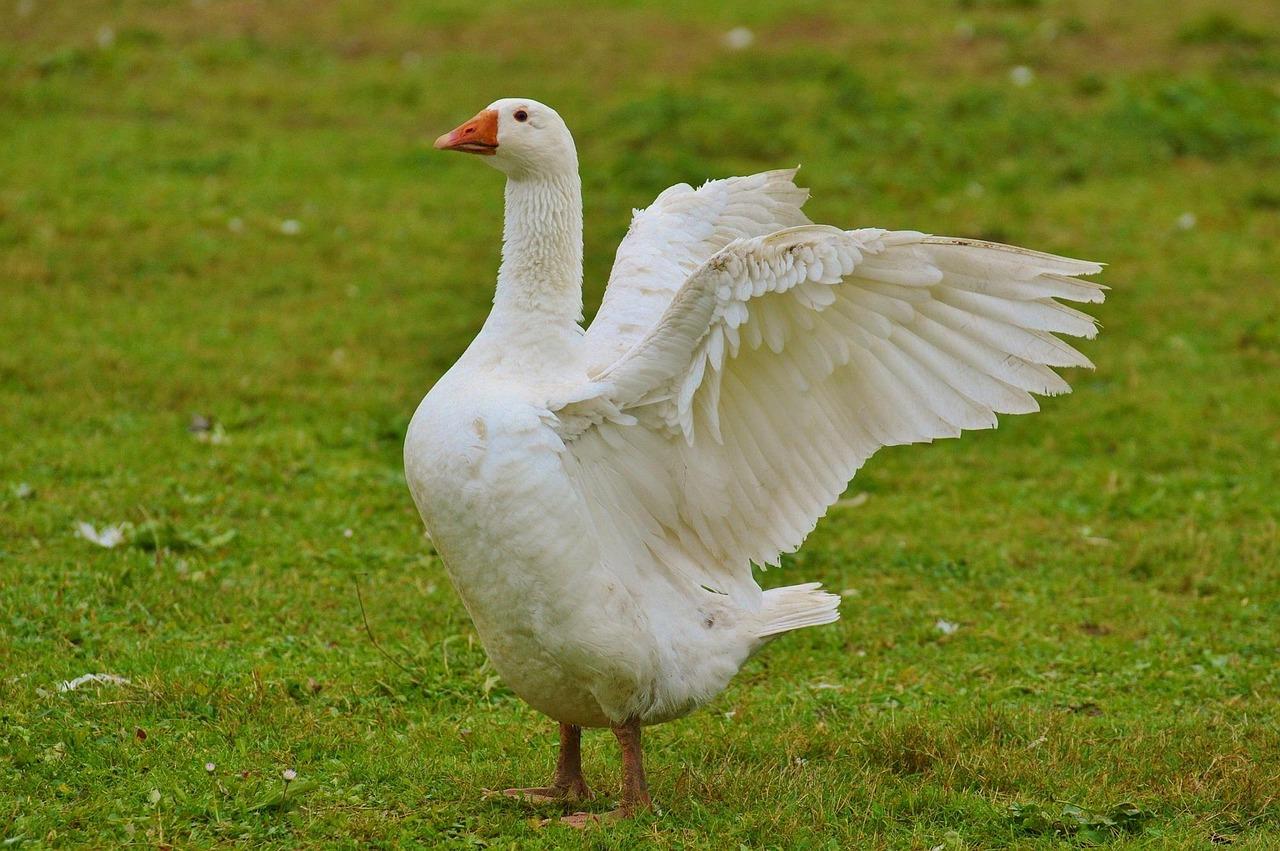
Emden Excavation
World | Animalia | ||||||||
|---|---|---|---|---|---|---|---|---|---|
Branch | Chordata | ||||||||
Class | Aves | ||||||||
Team(s) | Anseriformes | ||||||||
Family | Anatidae | ||||||||
Race | Emden (Embden) | ||||||||
Average Height and Weight (Men) | 85-95 cm, 10-12 kg | ||||||||
Average Height and Weight (Women) | 80-90 cm, 8-10 kg | ||||||||
Duck farming is a specialized branch of animal husbandry that is particularly common in cold climates and is noted for its high-nutrient meat and liver. In Türkiye, duck farming has developed significantly in recent years, with not only native breeds but also high-yielding foreign breeds being incorporated into production. One of these breeds is the Emden duck, originating from Germany. This breed, with important advantages for farming, has attracted the attention of producers and researchers in Türkiye.
The Emden duck was developed around the city of Emden in northwestern Germany and derives its name from this region. It is recognized as one of the oldest and largest white duck breeds in Europe. It is among the most productive breeds in industrial duck farming, noted particularly for its rapid growth and large body size. Studies conducted in Türkiye have aimed to increase meat and egg production by crossbreeding Emden ducks with native breeds.
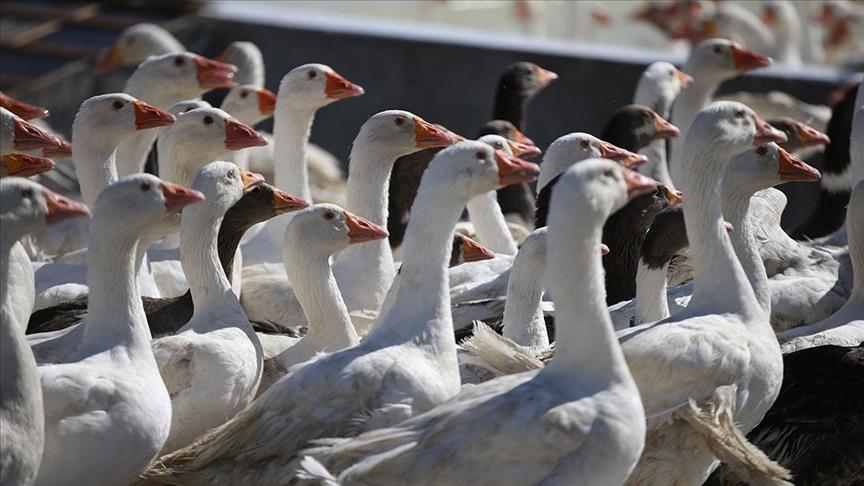
Emden Ducks (AA)
Physically, the Emden duck is large and has white plumage. It is distinguished by its broad and elongated body, thick neck, and orange beak. Adult males can reach an average weight of 10–12 kg, while females reach 8–10 kg. The plumage is dense and white, providing resistance to cold weather conditions. During the incubation period, they are notable for their high egg weights (approximately 160–200 grams).
The Emden duck is raised in many countries, primarily in Europe. In Türkiye, it has begun to be raised alongside native ducks in eastern Anatolian cities such as Kars, Ardahan, and Erzurum. Within the framework of agricultural development projects, the Emden duck has been used in various farms to improve the productivity of native breeds through crossbreeding. This expansion is based on the breed’s adaptability to climatic conditions.
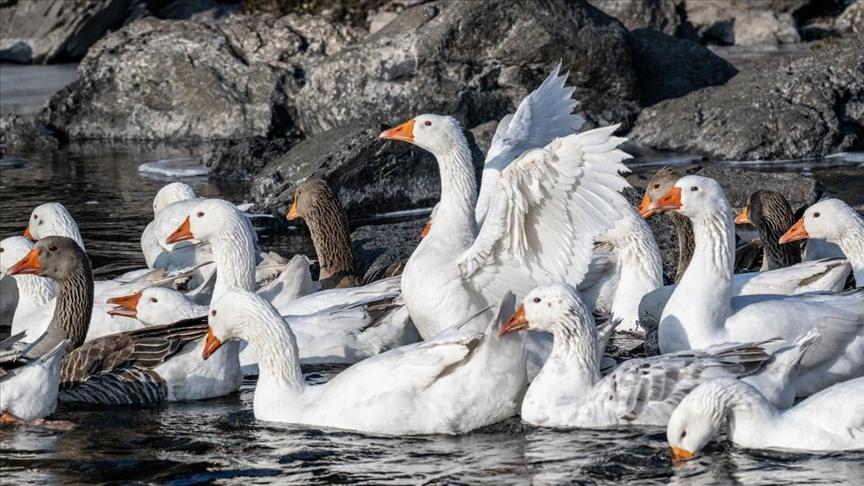
Emden Ducks (AA)
This breed is generally calm but exhibits cautious behavior toward environmental factors. They tend to move in flocks. They are herbivorous and well-suited to grazing on pastures and meadows. Additionally, when fed wheat, barley, corn, and green forages, these ducks show rapid weight gain. Studies in Türkiye have determined that their feed evaluation capacity is quite high.
Due to its high meat yield, the Emden duck is one of the important breeds in commercial duck farming. It is preferred by producers seeking rapid growth and high carcass yield. In Türkiye, duck farming has been promoted in recent years as an alternative source of income. The Emden breed forms the foundation of hybrid production in this context. Moreover, municipalities and development agencies provide breeding stock support to producers using Emden ducks.
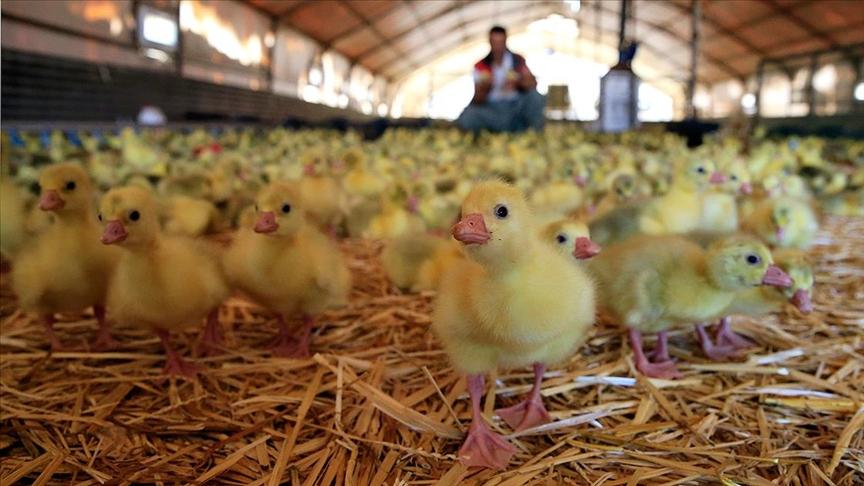
Emden duck farming (AA)
Although the Emden duck is not native to Türkiye, recent breeding programs, especially in Kars and surrounding areas, have contributed to the cultural production model. Duck meat forms the basis of traditional dishes in Anatolia, and the Emden duck integrates into this tradition through its high productivity. In Germany, the history of this breed dates back centuries and holds an important place in the history of farm animal husbandry.
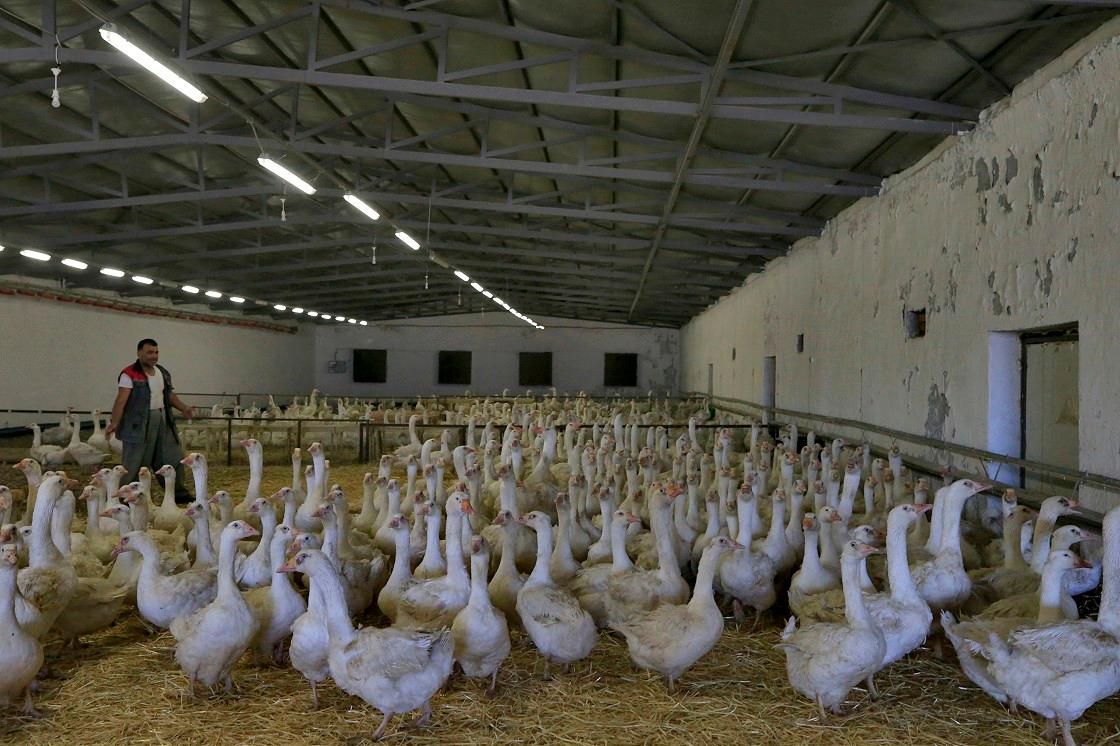
Emden duck farming (AA)
The main products obtained from the Emden duck are meat, eggs, fat, and feathers. Its meat is fatty and flavorful, commonly consumed smoked or roasted. Its liver is valuable in foie gras production. Feathers are used in the manufacture of pillows, quilts, and garments. Eggs are utilized both for consumption and as breeding stock. Additionally, in some regions, duck fat is used in traditional medicinal practices.
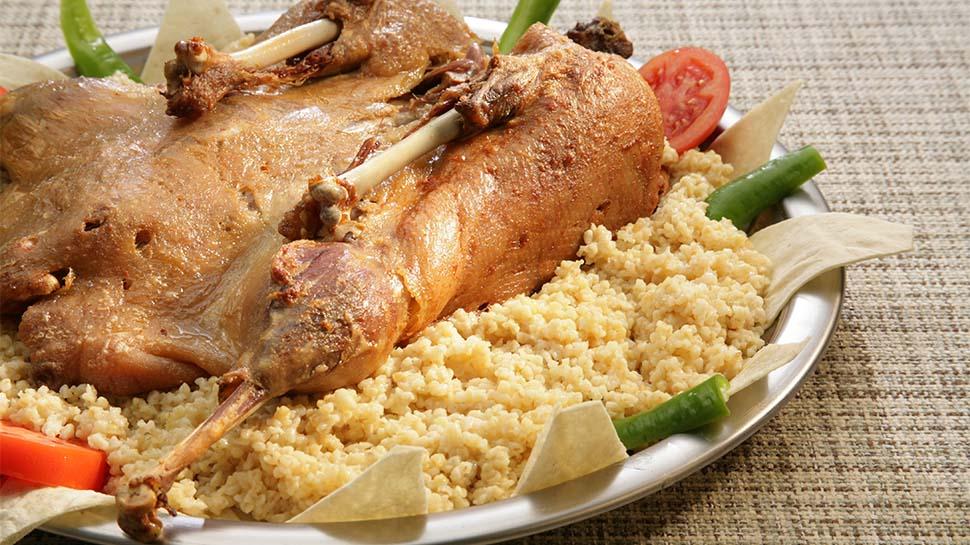
Duck-stuffed pilaf (Ardahan Foundation)
The welfare of Emden ducks varies according to feeding, housing hygiene, and stress factors. They perform more productively when raised in spacious, clean environments. Particular attention must be paid to parasitic infections among diseases. Adherence to vaccination programs and hygiene standards directly affects flock health. Educational projects in Türkiye provide producers with specific information on these matters.
China, Hungary, and Poland lead global duck production, while Türkiye has begun to increase both its production volume and diversity in recent years. In Europe, the Emden duck is preferred for meat production, whereas in Türkiye it is used primarily for crossbreeding with native ducks. Thanks to rural development projects and farmer training, duck farming in Türkiye is becoming a more organized and productive sector.
Beşli, Özgen. "Kış aylarının vazgeçilmez lezzeti kazların sofralara hazırlık süreci devam ediyor". Anadolu Ajansı. Accessed May 17, 2025. Accessed Adresi.
Erciyes Üniversitesi Faculty of Veterinary Medicine. "Kaz Yetiştiriciliği." Erciyes University Faculty of Veterinary Medicine Website. Accessed May 17, 2025. https://veteriner.erciyes.edu.tr/EditorUpload/Files/kaz-yetistiriciligi-ciftcilerin-egitimi-ogrenci-egitimi.pdf
Kafkas University. "3. Türkiye Kaz Yetiştiriciliği Çalıştayı ve Kaz Günü Etkinliği." Kafkas Üniversitesi Web Sitesi. Accessed May 17, 2025. https://www.kafkas.edu.tr/belgeler/c7cf2ac8-7f78-4807-a095-abff4501cea8.pdf
Kaya, Miraç. "Enstitüde yetiştirilecek kazlar 'Türk kazı' olarak tescillenecek." Anadolu Ajansı. Accessed May 17, 2025. Accessed Adresi.
Konya Ovası Projesi, Bozok Üniversitesi, Ortadoğu Kalkınma Ajansı. "Türkiye Kaz Yetiştiriciliği Çalıştayı Sonuç Raporu". Kalkınma Kütüphanesi Web Sitesi. Accessed May 17, 2025. https://www.kalkinmakutuphanesi.gov.tr/assets/upload/dosyalar/12-kop_turkiye_kaz_yetistiriciligi_calistayi_sonuc_raporu.pdf
Yüzer, Atilla, and Özkan, Selçuk. *Kaz, Ördek ve Hindi Yetiştiriciliği 11-12.* Milli Eğitim Bakanlığı Yayınları, 2020. Accessed May 17, 2025. https://meslek.meb.gov.tr/upload/dersmateryali/pdf/HYS2024KOH111215.pdf
Ünlü, Celil. "Kaz Etli İçli Pilav". *Ardahan Vakfı.* Accessed May 17, 2025. Accessed Adresi.
Şen, İsmail. "Devlet desteğiyle kaz üretimini 4 yılda 100 kat arttırdı". Anadolu Ajansı. Accessed May 17, 2025. Accessed Adresi.

Emden Excavation
World | Animalia | ||||||||
|---|---|---|---|---|---|---|---|---|---|
Branch | Chordata | ||||||||
Class | Aves | ||||||||
Team(s) | Anseriformes | ||||||||
Family | Anatidae | ||||||||
Race | Emden (Embden) | ||||||||
Average Height and Weight (Men) | 85-95 cm, 10-12 kg | ||||||||
Average Height and Weight (Women) | 80-90 cm, 8-10 kg | ||||||||
Physical Characteristics
Habitats and Distribution
Behavior and Feeding Habits
Duck Farming and Economic Importance
Cultural and Historical Significance
Duck Products and Uses
Duck Health and Welfare
Duck Farming in Türkiye and Worldwide