


This article was automatically translated from the original Turkish version.
Electronic Dance Music (EDM) is a modern music genre produced using electronic instruments, synthesizers, drum machines, and digital technologies. Originally designed for clubs, festivals, and nightlife, EDM has become a global music phenomenon reaching millions of listeners. With technological advancements, music production processes have evolved, with digital audio workstations (DAWs) and virtual instruments (VSTs) making EDM production more accessible.
The roots of EDM date back to the mid-20th century. The Musique Concrète movement introduced the idea of composing music by manipulating electronic sounds, and in the 1950s the Elektronische Musik movement developed in Germany with figures such as Karlheinz Stockhausen. In the 1970s, disco music merged with electronic rhythms, accelerating the evolution of dance music.
In the 1980s, the genres of Chicago House and Detroit Techno emerged, forming the foundational pillars of electronic music. In the 1990s, genres such as trance, drum & bass, and hardcore appeared, and in the 2000s, the advancement of digital music production tools enabled EDM to gain global popularity. Today, large festivals, DJs, and AI-assisted production technologies continue to drive EDM’s ongoing evolution.
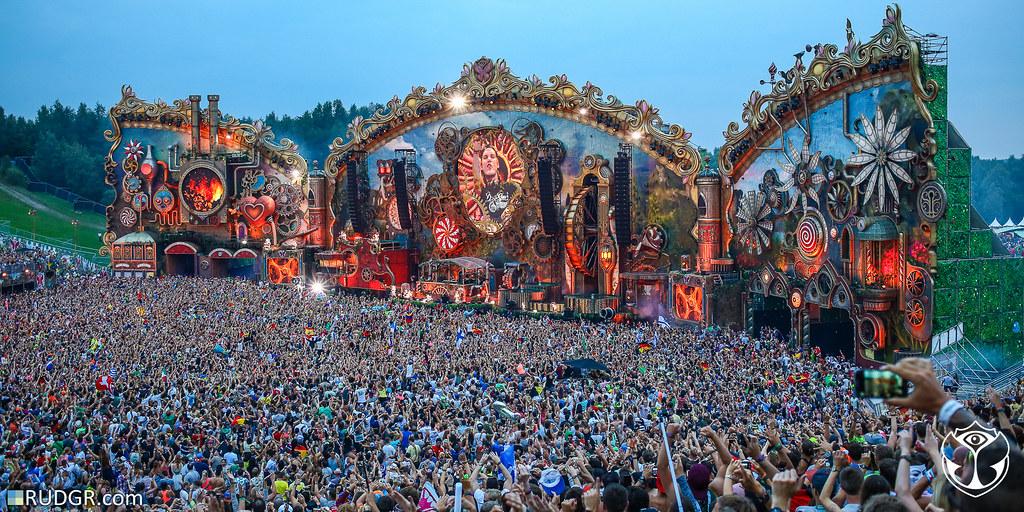
Avicii at Tomorrowland, 2014 Belgium - RUDGR
EDM encompasses numerous subgenres, some of which include:
1. House: Originating in early 1980s Chicago, this genre is characterized by a 4/4 rhythm structure. Its most popular subgenres include Deep House, Progressive House, Electro House, Melodic House, Slap House, Tropical House, Future House, Tech House, Bass House and Afro House.
2. Techno: Originating in Detroit, this genre is defined by fast tempos and mechanical rhythms. Its most popular subgenres include Minimal Techno, Industrial Techno, Acid Techno, Hard Techno and Melodic Techno.
3. Trance: Emerging in Germany in the 1990s, this genre is known for its hypnotic melodies. Its most popular subgenres include Psytrance, Goa Trance, Vocal Trance, Acid Trance, Progressive Trance and Uplifting Trance.
4. Dubstep: Emerging in early 2000s England, this genre is known for its heavy bass rhythms and aggressive drops. Its most popular subgenres include Brostep, Riddim and Melodic Dubstep.
5. Drum & Bass: A genre distinguished by fast-paced drum rhythms and deep basslines. Its most popular subgenres include Liquid DnB, Neurofunk and Jump-Up.
6. Future Bass: A melodic and atmospheric style of dance music with a soft, emotive character.
7. Big Room: A genre designed for large festival stages, featuring powerful kicks and epic build-ups.
8. Hardstyle: A genre characterized by fast BPM (typically 150–160), powerful kick bass, and energetic melodies. Its most popular subgenres include Rawstyle, Euphoric Hardstyle and Hardcore.
9. Trap (EDM Trap): A genre influenced by hip-hop, featuring heavy 808 bass and high-tempo hi-hat patterns.
10. Moombahton: A fusion genre blending Latin rhythms with house and reggaeton.
EDM production is largely carried out on digital platforms, differing from traditional instrumentation. The key technologies used include:
1. DAW (Digital Audio Workstation): The cornerstone of music production. Software such as Ableton Live, FL Studio, Logic Pro and Cubase are widely used by EDM producers.
2. VST (Virtual Studio Technology): Enables the use of digital instruments and effects plugins within a DAW. Synthesizer VSTs such as Serum, Massive and Sylenth1 are frequently preferred in EDM music.
3. MIDI Control Devices: Provide manual control over synthesizers and beat machines. Devices such as Akai MPK, Novation Launchpad and Ableton Push are used for this purpose.
4. Sound Libraries and Samples: Pre-recorded drum loops, synth melodies and effect sounds play a major role in EDM production. These can be sourced from platforms such as Splice, Loopmasters and Cymatics.
5. Sound Design and Synthesizer Programming: EDM producers place great importance on sound design to customize their sonic identity. Techniques such as FM Synthesis (FM8, DX7) and Wavetable Synthesis (Serum, Massive X) are used to create unique sounds.
6. Mixing and Mastering Processes: For an EDM track to achieve professional sound quality, it must undergo mixing and mastering. Techniques such as EQ, compression, reverb and stereo widening ensure the track is presented optimally to listeners.
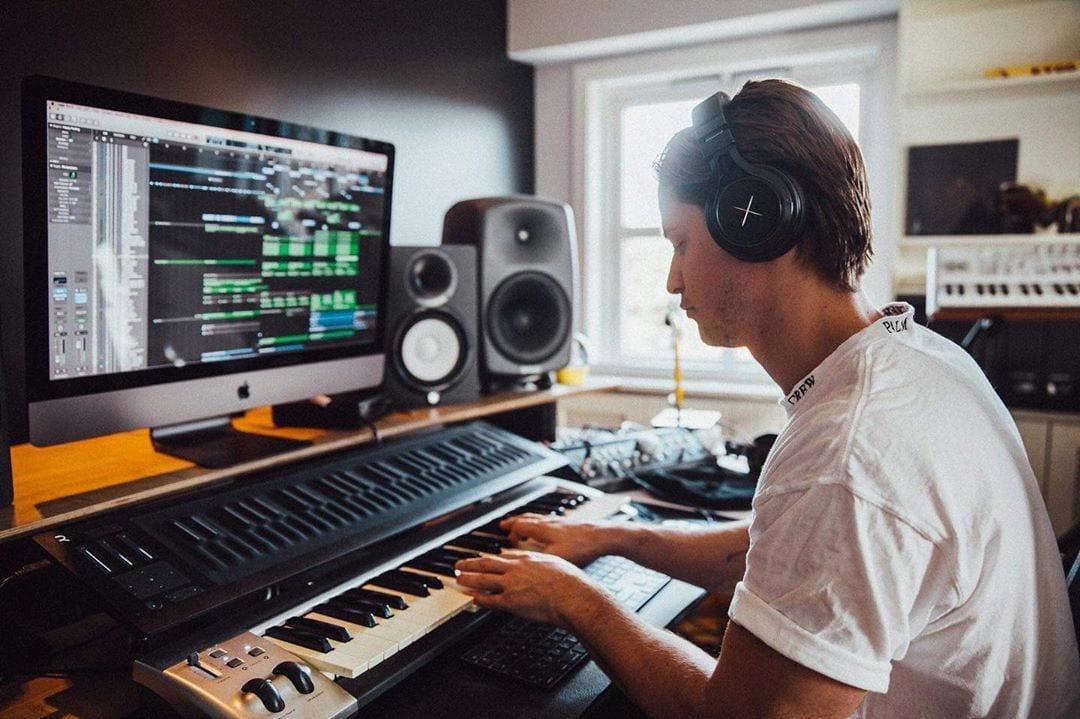
Kygo in the studio working on the "Golden Hour" album, 2020 Norway - Dj Times
EDM reaches wide audiences worldwide through major festivals and DJs. Some of the most influential artists in this field include:
1. David Guetta: A French DJ and producer who brought EDM to mainstream audiences by blending it with pop music. Hits such as "Titanium," "Memories," and "I'm Good (Blue)" played a key role in popularizing EDM globally.
2. Calvin Harris: A Scottish DJ and producer known for blending electronic music with pop and producing chart-topping hits. Tracks like "Summer," "One Kiss," and "We Found Love" successfully merged EDM with mainstream music.
3. Avicii (Tim Bergling): One of the pioneers of House music, Avicii played a major role in bringing EDM into the mainstream with hits like "Levels," "Wake Me Up," and "Hey Brother." Despite his tragic death in 2018, his music continues to be loved by millions of listeners.
4. Martin Garrix: Achieved major breakthrough with his track "Animals" and is considered one of the pioneers of Big Room House.
5. Tiësto: One of the most prominent figures in Trance and Big Room House, and a foundational pillar of the EDM scene.
6. Armin van Buuren: A pioneer in Trance music who has built a massive global fanbase through his radio show "A State of Trance."
7. Skrillex: A producer who played a major role in bringing Dubstep into the mainstream.
8. The Chainsmokers: Have produced global hits by blending electronic music with pop.
9. Alan Walker: Achieved worldwide success with his track "Faded."
10. Anyma (Matteo Milleri): A producer and DJ known for his deep and atmospheric sound in the Melodic Techno scene.
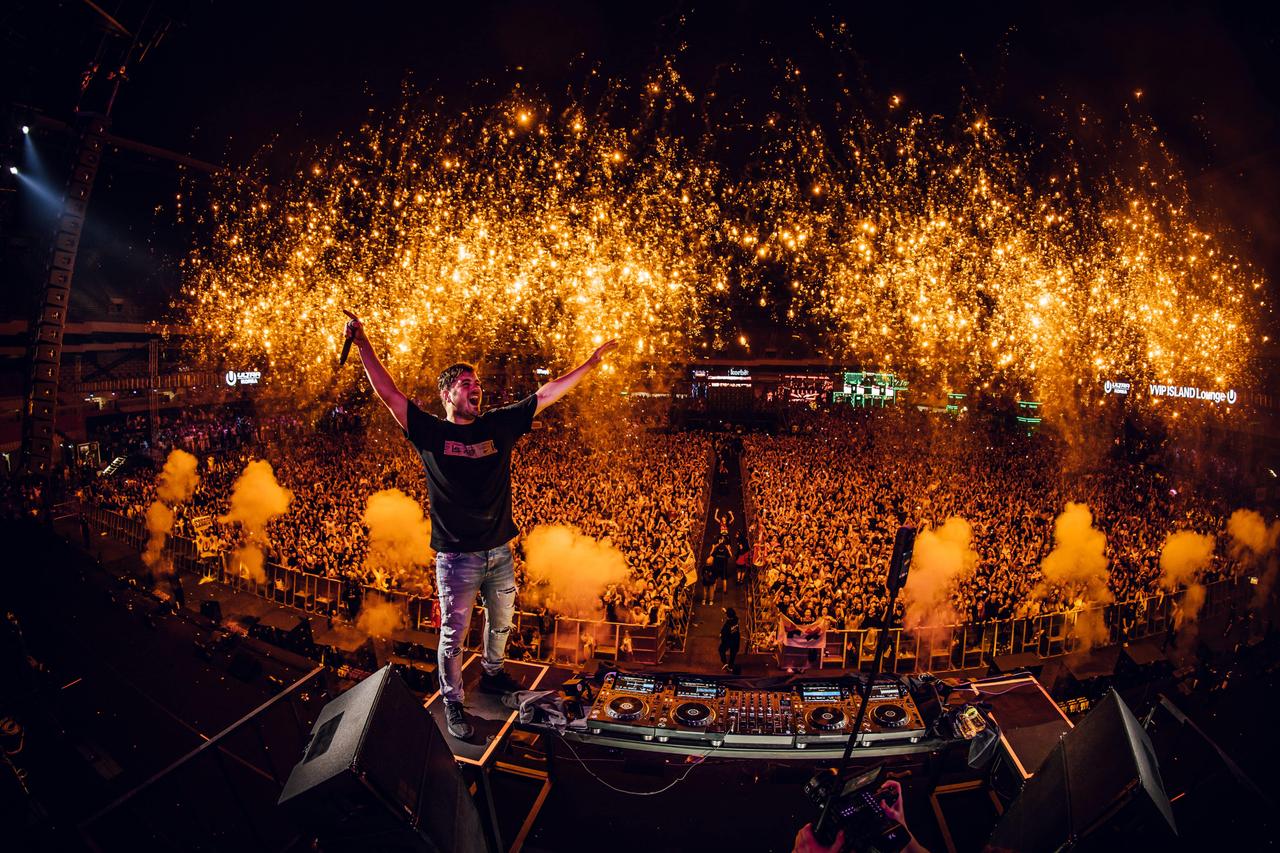
Martin Garrix Live Performance, 2024 Dubai UAE - Kerzner
In recent years, the EDM scene in Antalya has experienced significant growth. Festivals held in cities such as Istanbul and Antalya have supported the genre’s rise in the country. Notable Turkish EDM artists include:
1. Ümmet Özcan: A DJ and producer who has successfully represented Türkiye on the global EDM scene. Known for energetic productions in Big Room House and Electro House styles, he gained widespread attention in 2017 with his track "İzmir," which he performed at major festivals worldwide.
2. Mahmut Orhan: Achieved international success with his Deep House and Ethnic House style.
3. Burak Yeter: Known globally for blending electronic music with pop. His track "Tuesday" has been streamed approximately 630 million times on Spotify and over 1.2 billion times on YouTube.
4. İlkay Şencan: A producer and DJ recognized for his distinctive Slap House style. He has reached millions of listeners worldwide with hit tracks such as "Don't Say Goodbye," "Do It," and "Rockstar."
5. Serhat Durmuş: A producer and DJ known for his original style that blends Trap (EDM Trap) with ethnic tones. He has gained a large listener base with tracks like "Hislerim" and is recognized on the international stage.
EDM continues to evolve alongside technological progress. Innovations such as AI-assisted music production, NFT-based music economies, and virtual concerts offer insights into how EDM may develop in the future. Additionally, with growing interest among Turkish youth in electronic music, more local producers are expected to establish themselves on the international stage.
Armada Music. (n.d.). *EDM: Electronic Dance Music - The Complete Guide*. Accessed February 15, 2025.https://www.armadamusic.com/news/edm-electronic-dance-music
EDMProd. (n.d.). *What is Electronic Dance Music (EDM)?* Accessed February 15, 2025.https://www.edmprod.com/what-is-electronic-dance-music-edm/
eMastered. (n.d.). *What is EDM? Understanding the World of Electronic Dance Music*. Accessed February 15, 2025.https://emastered.com/blog/what-is-edm
iMusician. (n.d.). *Electronic Dance Music: Everything You Need to Know.* Accessed February 15, 2025.https://imusician.pro/en/resources/blog/electronic-dance-music
No Discussion Added Yet
Start discussion for "Electronic Dance Music" article
Origins of Electronic Dance Music
EDM Genres
How Is Electronic Dance Music Produced?
Global EDM Representatives
EDM in Türkiye and Key Representatives
The Future of Electronic Dance Music