


This article was automatically translated from the original Turkish version.
Electricity is a fundamental element of daily life and consists of the flow of negatively charged particles called electrons. As an energy unit, electricity is generated by converting primary energy sources and is typically delivered to users through a grid. Electricity production is carried out using various fuel types and technologies, which rely on both renewable and nonrenewable resources.
Electrical energy is produced by converting a primary form of energy such as chemical, kinetic, or thermal energy into electrical energy. This conversion is based on Michael Faraday’s discovery of electromagnetic induction in 1831. Faraday found that a moving magnet inside a wire coil generates an electric current, a principle that laid the foundation for modern electromagnetic generators. Modern generators consist of a stator (a cylinder of fixed wire coils) and a rotor (a rotating electromagnetic shaft). The rotation of the rotor induces an electric current in the coils, which is then transmitted to users via power lines.
The most common method of electricity generation involves turbine-generator systems that convert kinetic energy into electricity. Turbines are driven by the energy of a moving fluid such as water, steam, gas, or wind such as, and this mechanical energy is converted into electrical energy by generators. In addition, methods that do not require turbines, such as photovoltaic solar panels, are also in use.
Electrical energy can be generated from nonrenewable (fossil fuels, nuclear) and renewable (solar, wind, hydroelectric, geothermal) resources. Each method has its own specific technologies, advantages, and challenges.
Coal has played a significant role in electricity generation historically. Pulverized coal is burned in boilers to convert water into steam, which drives turbines to generate electricity. In the United States in 2022, coal provided 19.4% of electricity. Natural gas is used both in simple-cycle gas turbines and in combined-cycle systems.
In combined-cycle systems, waste heat from the gas turbine is used to generate steam for a steam turbine, achieving efficiencies of up to 60%. This system produced 33.8% of U.S. electricity in 2022. However, fossil fuels contribute to climate change by emitting greenhouse gases such as carbon dioxide and are unsustainable due to limited reserves. For example, in the United Kingdom, coal’s share in electricity generation fell from 39.6% in 2013 to 1% in 2023.

Fossil Fuel Power Plant
Advantages
Disadvantages
Nuclear fission generates heat by splitting the nuclei of radioactive materials such as plutonium. This heat converts water into steam to drive turbines and produce electricity. Light-water reactors, which use ordinary water, operate either by boiling water directly (boiling water reactor) or by directing high-pressure steam to a steam generator (pressurized water reactor). In the United States in 2022, nuclear energy provided 18.2% of electricity. While nuclear energy offers high energy efficiency and low carbon emissions, it faces challenges such as waste management and safety risks.
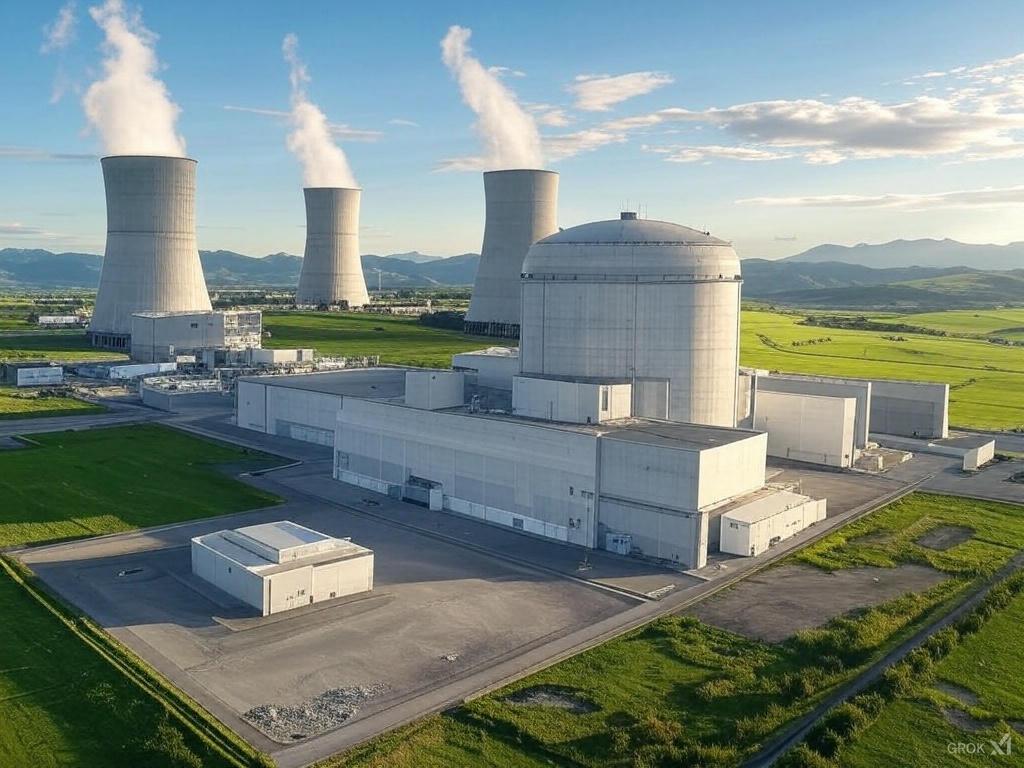
Nuclear Power Plant
Advantages
Disadvantages
The kinetic energy of moving water drives turbines to generate electricity. Traditional hydroelectric plants use water stored in dams, while wave and tidal turbines harness energy from ocean movements. Although renewable, hydroelectric power requires suitable geographic locations and can impact ecosystems.
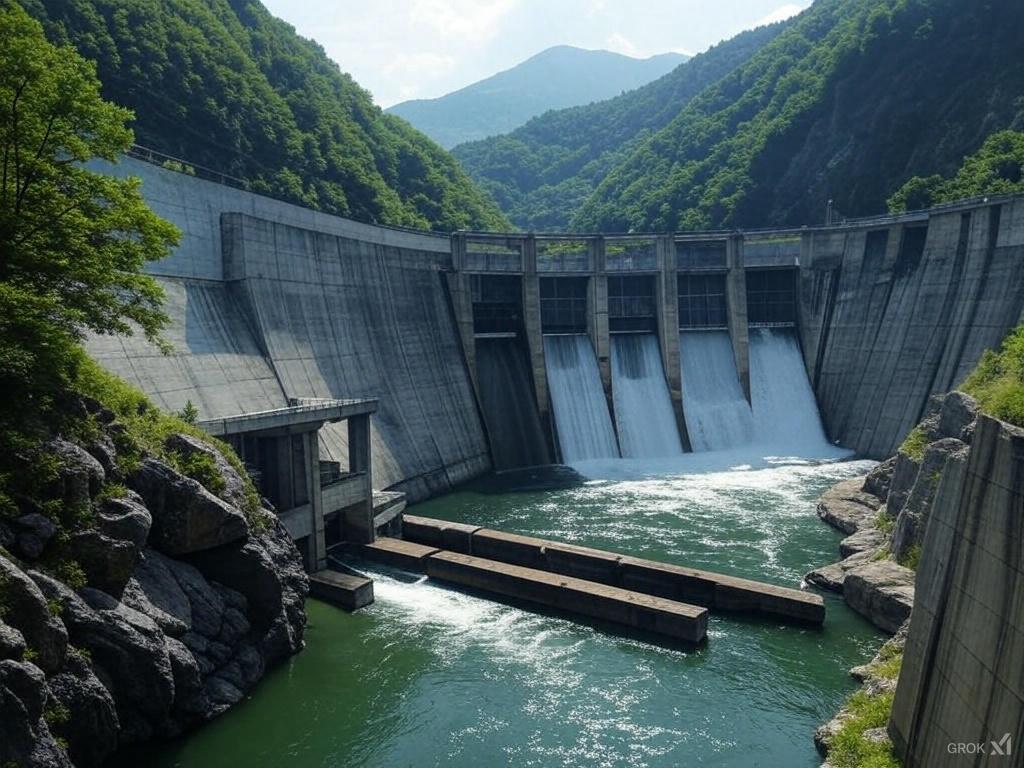
Hydroelectric Power Plant
Advantages
Disadvantages
Wind turbines convert the kinetic energy of air flow into electricity. Horizontal-axis turbines are the most common. Wind energy is clean and sustainable, but limited by intermittency and land use constraints.
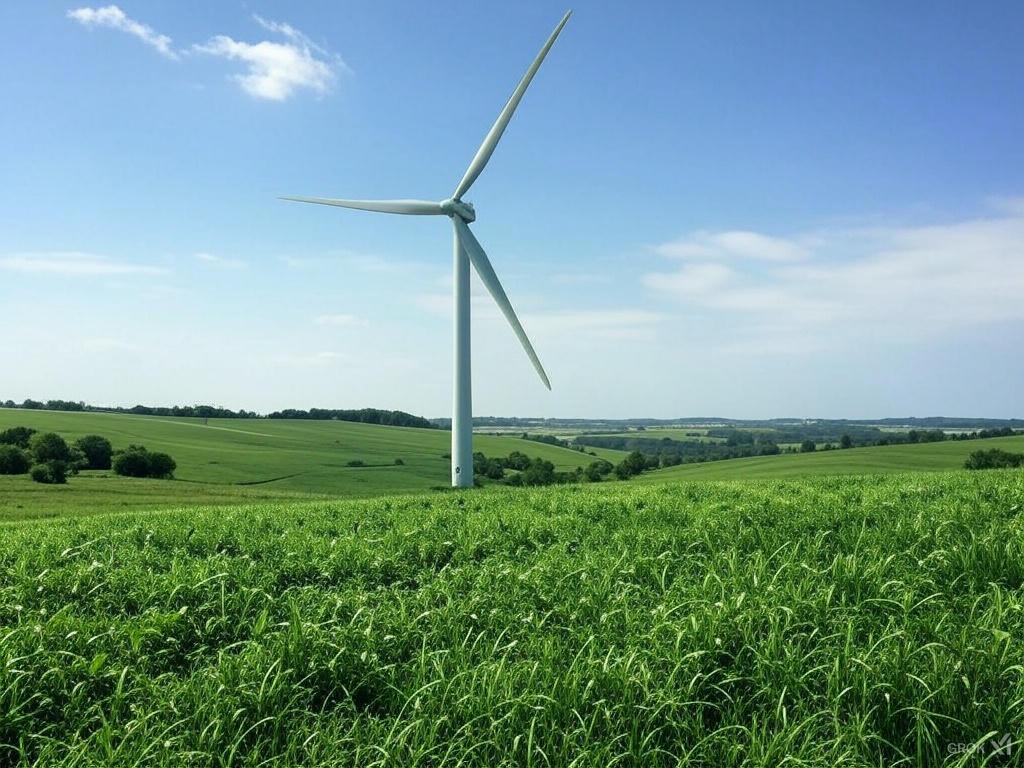
Wind Turbine
Advantages
Disadvantages
Photovoltaic (PV) panels convert sunlight directly into electricity through semiconductors. They do not require turbines and can operate at low temperatures; electricity generation depends solely on the intensity of sunlight.
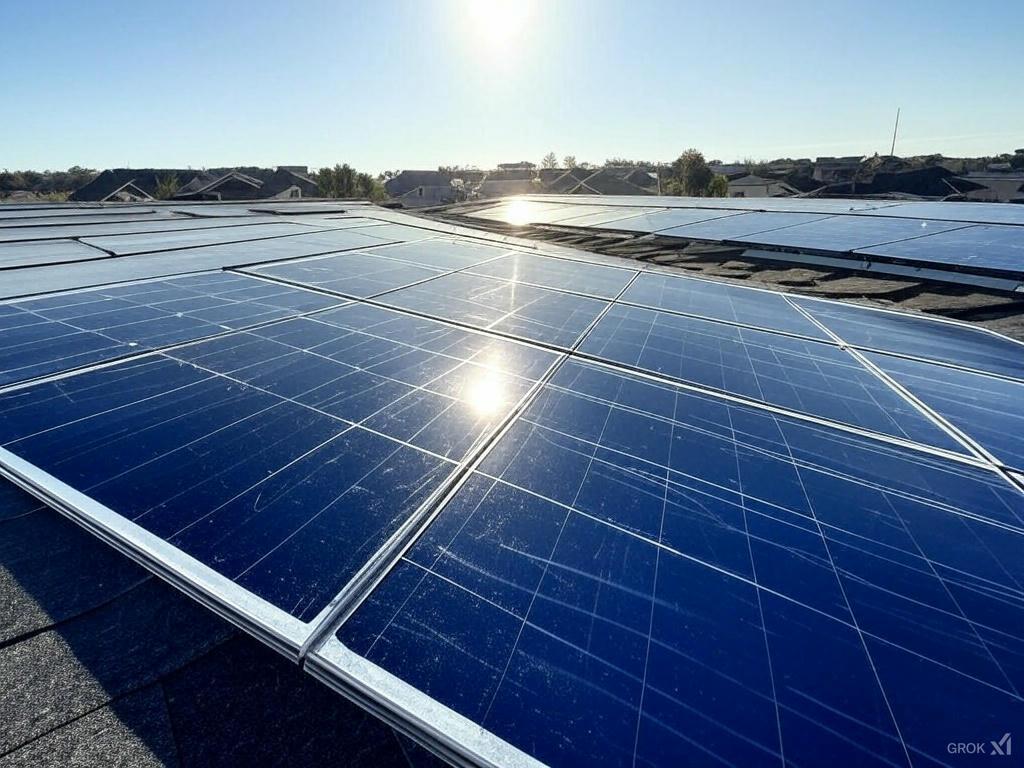
PV Panel
Advantages
Disadvantages
Heat from within the Earth converts water into steam to drive turbines. Technologies such as dry steam, flash steam, and binary cycle systems are used. The United States leads in geothermal production with a capacity of 4 gigawatts, sufficient to power approximately three million homes. Enhanced Geothermal Systems can increase potential in areas with insufficient natural conditions by creating artificial reservoirs. It is projected that geothermal energy could supply power to 40–65 million homes by 2050.
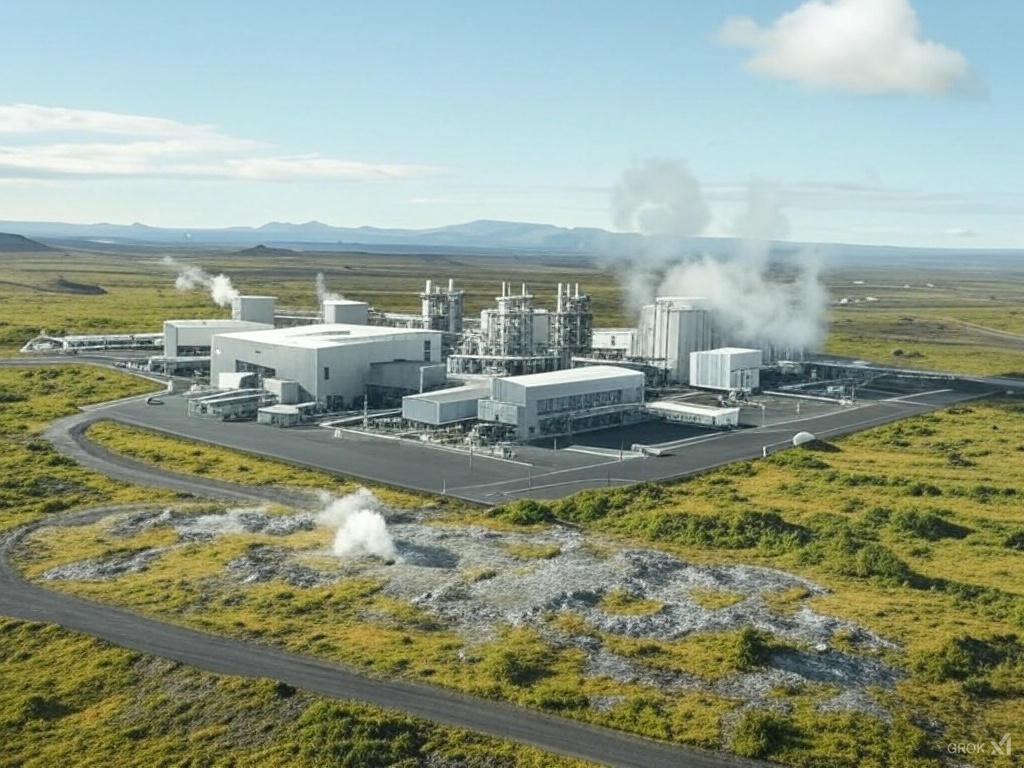
Geothermal Power Plant
Advantages
Disadvantages
Hydrogen can be produced from natural gas, nuclear, or renewable sources and converted into electricity via fuel cells. Although not yet widespread, it holds promise for a carbon-free future.
Advantages
Disadvantages
Turbine-Based Generators
Steam, gas, hydroelectric, and wind turbines convert kinetic energy into electricity. Steam turbines generate 42% of the world’s electricity and operate using coal, nuclear, or geothermal sources. Combined-cycle systems enhance efficiency.
Turbine-Free Methods
Photovoltaic cells convert sunlight directly into electricity, while internal combustion engines (diesel, biogas) are used for small-scale or emergency small emergency generation. Alternatives such as fuel cells and Stirling engines are also under development.
Energy Storage
Pumped-storage hydroelectricity, batteries, and flywheels balance the grid during fluctuations in electricity demand. Storage systems compensate for the intermittency of renewable resources.
As the world moves toward a greener future, the transition to renewable sources in electricity generation is accelerating. While the share of fossil fuels is declining (for example, coal’s share in the United Kingdom fell to 1% in 2023), clean sources such as wind, solar, and geothermal are gaining prominence. However, ensuring continuous energy supply requires diverse sources and technologies. Smart grids, energy storage, and integration of electric vehicles play a critical role in this transformation.
Electricity generation is a complex process involving a wide range of methods and technologies. Nonrenewable resources offer high efficiency but carry high environmental costs; renewable resources promise sustainability but face challenges related to continuity and infrastructure. Scientific advancements and impartial policies will reshape the energy future by balancing these factors.
BBC Bitesize. "How Is Electricity Generated?" Accessed February 20, 2025.https://www.bbc.co.uk/bitesize/articles/zgpj8hv#zmwrcmn.
Energy Education. "Electrical Generation." Energy Education. Accessed February 20, 2025.https://energyeducation.ca/encyclopedia/Electrical_generation.
Northeast Smart Energy Organization. "How Electricity is Generated." NESO Energy. Accessed February 20, 2025.https://www.neso.energy/energy-101/electricity-explained/how-electricity-generated.
U.S. Department of Energy. "Electricity Generation." Office of Energy Efficiency & Renewable Energy. Accessed February 20, 2025.https://www.energy.gov/eere/geothermal/electricity-generation.
U.S. Energy Information Administration. "How Electricity Is Generated." Energy Explained. Accessed February 20, 2025.https://www.eia.gov/energyexplained/electricity/how-electricity-is-generated.php.

No Discussion Added Yet
Start discussion for "Electric Power Generation" article
Fundamental Principles of Electricity Generation
Electricity Generation Methods and Resources
Nonrenewable Resources
Fossil Fuels (Coal, Natural Gas, Oil)
Nuclear Energy
Renewable Resources
Hydroelectric
Wind Energy
Solar Energy
Geothermal Energy
Hydrogen
Electricity Generation Technologies
The Future of Electricity Generation