


This article was automatically translated from the original Turkish version.
The Eiffel Tower is an iron tower located in France’s capital Paris and is one of the most recognized structures in the world. Designed by French engineer Gustave Eiffel the tower was constructed for the 1889 Paris World Fair (Exposition Universelle). Built to commemorate the 100th anniversary of the French Revolution the tower sparked major controversy at the time due to its design and scale. Initially criticized by many artists and intellectuals it eventually became one of France’s national symbols.
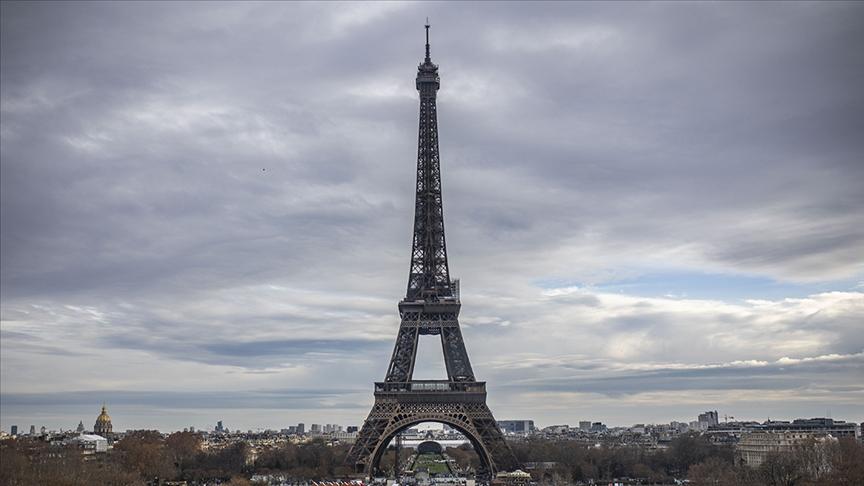
Eiffel Tower
Upon its completion in 1889 the Eiffel Tower at 330 meters became the tallest structure in the world. It took this title from the Washington Monument in the United States which stood at 169 meters. The Eiffel Tower retained this title until 1930 when it was surpassed by the Chrysler Building in New York which reached 381 meters. The tower became the pioneer of steel structures regarded as marvels of modern engineering.
The Eiffel Tower consists of three main levels. Visitors can reach the first two levels by foot or elevator but only the elevator can take them to the third level. The top level not only offers a magnificent view of Paris but also houses a replica of Gustave Eiffel’s office. The tower is constructed from approximately 7,300 tons of iron and is repainted every seven years to preserve it. This maintenance requires about 60 tons of paint.
The Eiffel Tower was originally designed as a temporary structure but was spared from demolition due to its immense popularity and its emergence as a symbol of Paris. Throughout the 20th century it served as an important communications hub for radio and television broadcasting. Today it is a major attraction visited by millions of tourists annually. It has also served as inspiration for numerous films literary works and art pieces.
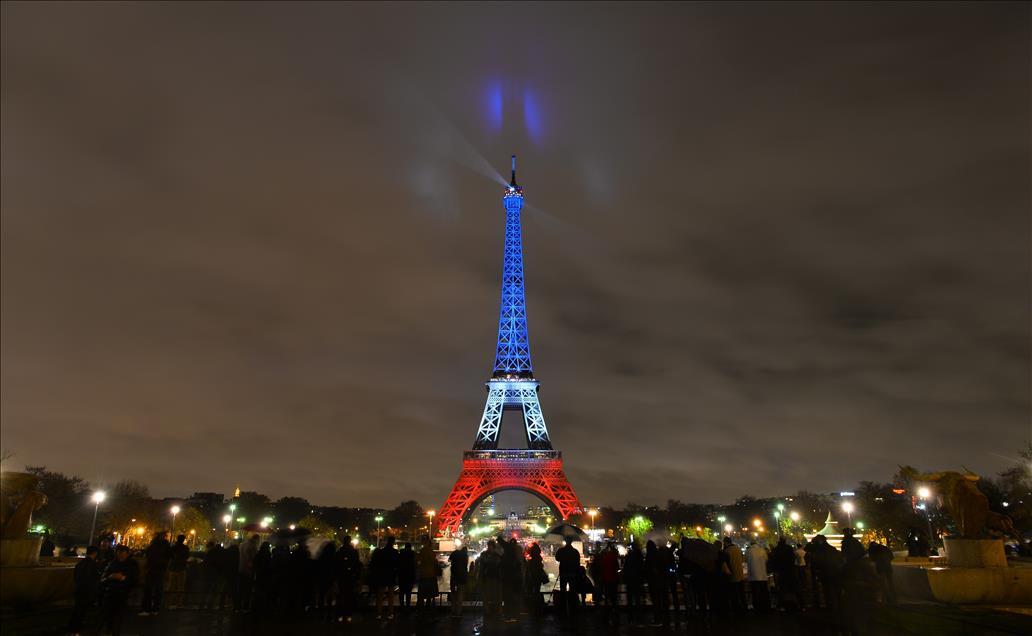
The Eiffel Tower illuminated in memory of the victims of the terrorist attack in Paris 2015
The Eiffel Tower is a defining structure that embodies Paris’s reputation as the “City of Lights” particularly through its nighttime illumination. First installed in 1985 the lighting system today uses thousands of bulbs and LEDs to create a captivating visual display. This illumination is often modified for special events and celebrations to give the tower different symbolic meanings.

Architecture and Height
Historical and Cultural Significance
Night Illumination and Striking Appearance