


This article was automatically translated from the original Turkish version.
Ecological art (eco-art) is a contemporary artistic practice that integrates awareness of environmental issues with aesthetic production placing the relationship between nature and humans at its core. This form of art does not limit itself to representing nature but seeks to develop interactive processes with it contribute to environmental sustainability and enhance ecological awareness. Ecological art is a field in which the artist collaborates with nature in the creative process guiding viewers not only on an aesthetic level but also toward ethical and political reflection.
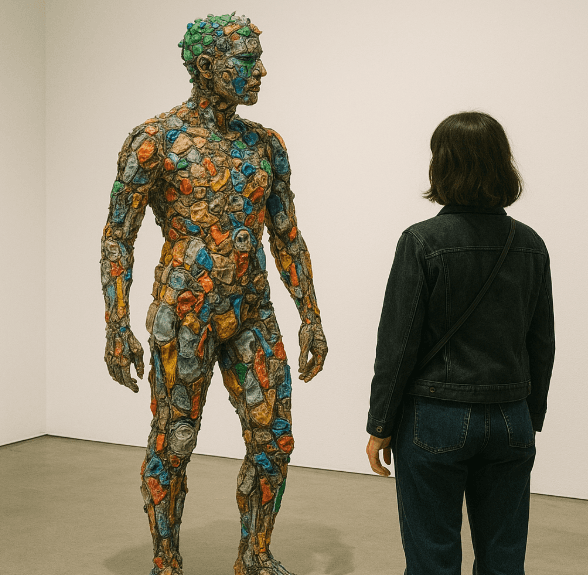
Ekolojik Sanat Görseli (Yapay Zeka ile Oluşturulmuştur.)
The origins of ecological art emerged in parallel with environmental movements that developed in the United States and Europe during the 1960s and 1970s. The growing environmental consciousness of this period led to approaches that prioritized direct participation with nature over mere artistic representation. The field subsequently became intertwined with disciplines such as conceptual art land art and performance art resulting in a multifaceted development.
Ecological art regards nature not merely as a theme but as a collaborative partner in production. This approach allows art to move beyond representing nature and become a process coexisting with it. Ecological art works are typically ephemeral using biodegradable materials and adhering to the principle of non-intervention in nature’s own cycles. The artist’s goal is generally to produce without harming natural processes and even to support them.
Methods employed in this artistic approach include direct production in natural settings site-specific art works made from recycled materials nature walks community-based projects documentary production and interactive installations. Ecological artists adopt a non-anthropocentric attitude in their relationship with nature.
Ecological art has transcended its role as an artistic medium to become a tool for fostering social awareness. It creates spaces for reflection on environmental issues such as climate change biodiversity loss and water and soil pollution. For this reason ecological art is also regarded as a political and ethical act. The artist assumes not only the role of an aesthetic producer but also that of an environmental activist.
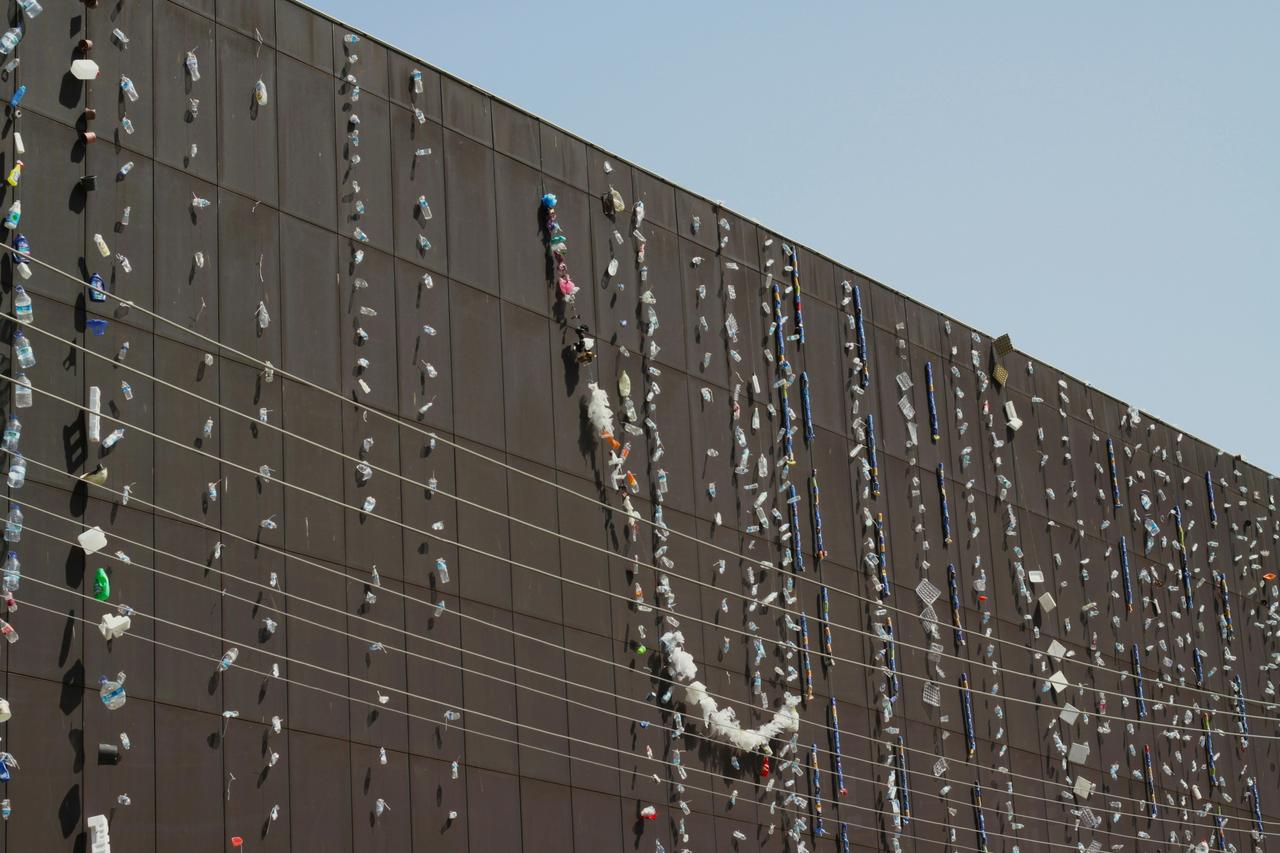
2022 Yılında Yalova'da Şehrin Atıklarının Sergilendiği Sanat Enstalasyonu (Zeynep Sümer, Unsplash)
Notable examples include Andy Goldsworthy’s ephemeral natural sculptures Agnes Denes’s work "Wheatfield – A Confrontation" and Joseph Beuys’s "7000 Oak Trees" project. In the context of Türkiye Hülya Küpçüoğlu’s water-based nature works Ayşe Erkmen’s environmentally sensitive urban installations and Hale Tenger’s explorations of the human-nature relationship stand out. These artists have developed innovative approaches demonstrating that creation can occur without harming nature.
The 7000 Oak Trees project is an environmental initiative that began in the German city of Kassel with the planting of the first oak tree at the opening of Documenta 7 in 1982 and is repeated every five years. With support from donors the project provides each contributor with a certificate of the tree bearing Beuys’s signature. Beuys also designed three different postcards related to this work.
Beuys viewed this project as a debt owed by himself and humanity to the world the ecological system and other living beings. Rapid industrialization and industrial pollution had disrupted ecological balance damaged nature and affected the physical and spiritual well-being of society. Beuys argued that a clean nature is a prerequisite for a clean society and hoped that this project initiated in Kassel would spread globally.
Yoko Ono is known for her diverse artistic contributions across multiple fields. Her work "Ex It" (1997–2007) is a site-specific installation consisting of an olive tree and fifty wooden coffins of varying sizes. The simple and rough craftsmanship of the coffins evokes the image of a hastily assembled mass grave following a natural disaster or war. From openings in the coffin lids grow olive saplings that increase in size over time while the space is animated by bird sounds. In this work the coffin signifies death the olive tree symbolizes rebirth and the bird sounds represent the power and energy of nature.
Arıkan, Hakan. “İnsan ve Doğa Ekseninde Ekolojik Sanat.” *İnönü Üniversitesi Kültür ve Sanat Dergisi* 7, no. 1 (2021): 76–87.https://dergipark.org.tr/tr/download/article-file/1572635
Mamur, Nuray. “Ekolojik Sanat: Çevre Eğitimi ile Sanatın Kesişme Noktası.” *Mersin Üniversitesi Eğitim Fakültesi Dergisi* 13, no. 3 (2017): 1000–1016.https://dergipark.org.tr/tr/download/article-file/393444
Sezgin, Eda, dir. *Sanat ve Ekoloji*. İstanbul: İletişim Yayınları, 2022.
Zeynep Sümer. Unsplash. Accessed May 7, 2025.https://unsplash.com/photos/a-building-with-a-bunch-of-clothes-hanging-on-the-side-of-it-3SLLh2OEme8
Çınar, Semih, and Özkan Köse. "Sanatta Ekolojik Dönüşüm Bağlamında Atık Kültürü." *Sosyolojik Düşün* 7, no. 2 (December 2022): 226–248.https://dergipark.org.tr/tr/download/article-file/2781890.
Şahin, Derya, and Kübra Nur Arat. "Joseph Beuys’un 7000 Meşe Projesinin Greimas’ın Göstergebilim Çözümleme Yöntemiyle İncelenmesi." İnönü Üniversitesi Uluslararası Sosyal Bilimler Dergisi 11, no. 1 (2022): 228–242.

No Discussion Added Yet
Start discussion for "Ecological art (eco-art)" article
Historical Background
Core Principles and Methods
Artistic and Social Function
Example Applications and Artists
Ecological Sculpture: The 7000 Oak Trees Project
Yoko Ono Ex It Work