


This article was automatically translated from the original Turkish version.
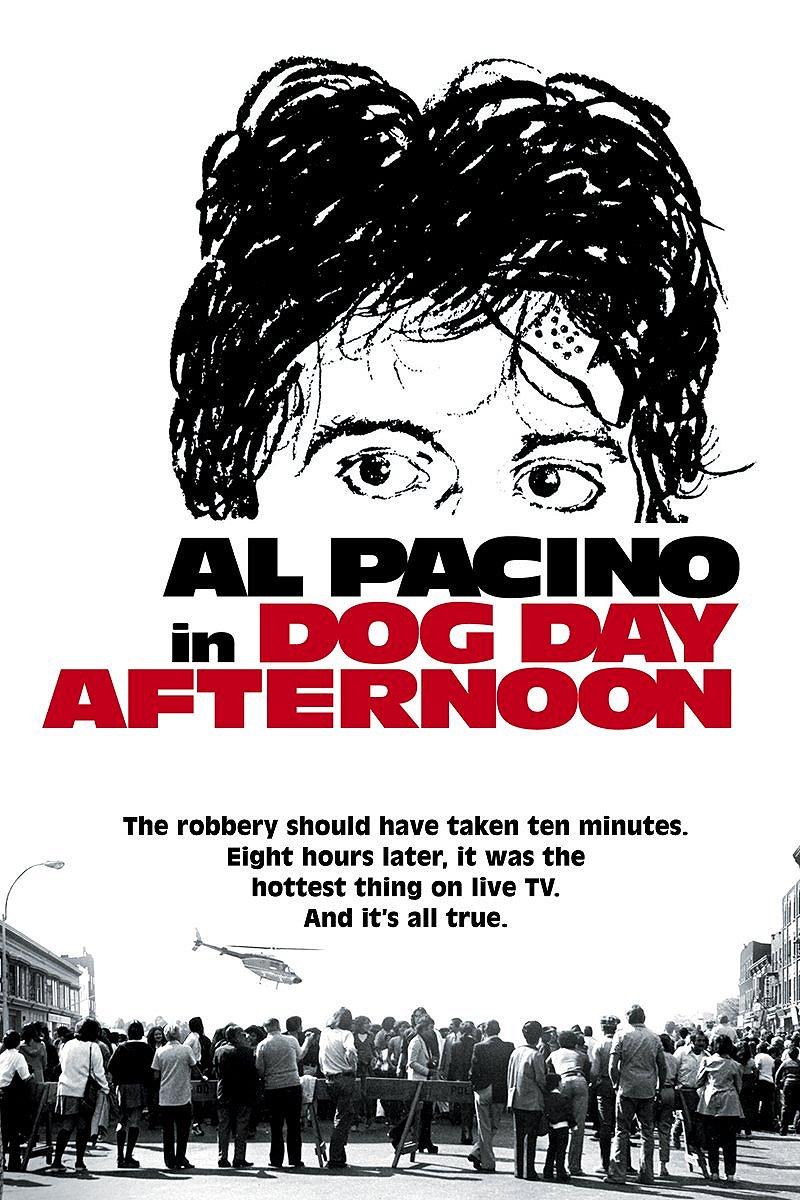
Dog Day Afternoon
Original Name | Dog Day Afternoon | ||||||||
|---|---|---|---|---|---|---|---|---|---|
Production Year | 1975 | ||||||||
Director | Sidney Lumet | ||||||||
Actor | Chris Sarandon (Leon Shermer) Charles Durning (Police Chief Moretti) John Cazale (Salvatore "Sal" Naturile) Al Pacino (Sonny Wortzik) | ||||||||
Genre | Drama Tension Crime | ||||||||
Dog Day Afternoon, directed by Sidney Lumet in 1975 and starring Al Pacino in the lead role, is an American crime-drama film.
Inspired by a real bank robbery, the film is regarded as one of the most important works in cinema history due to its character-driven narrative, realistic approach and observations on the social structure of its time. The film captivates the audience with a compelling blend of drama and tension.
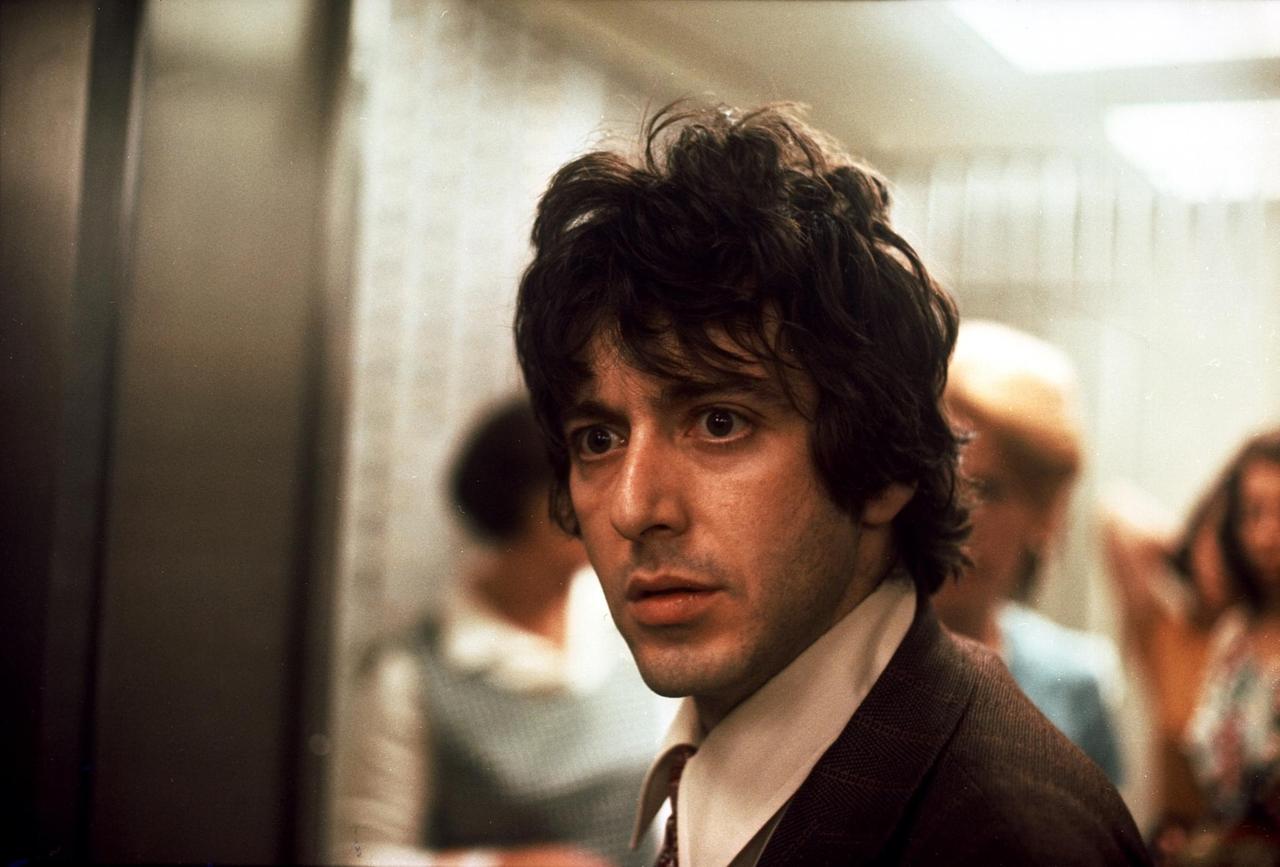
Sonny Wortzik (Al Pacino) (IMDb)
The film centers on the failed bank robbery attempt by two men on a hot summer day in Brooklyn. Sonny Wortzik (Al Pacino) and Sal Naturile (John Cazale) plan to quickly seize money from the bank, but events spiral out of control.
Police arrive shortly after the robbery and surround the bank. Bank employees are taken hostage, the media floods the scene, and a crisis captures the attention of the entire city. As negotiations between the robbers and police continue, tension and public interest escalate.
The screenplay by Frank Pierson was based on a 1972 article in Life magazine, which covered a real bank robbery that occurred in Brooklyn on August 22, 1972.
Sidney Lumet’s directing style emphasizes naturalism and realism; as a result, the film was shot largely in a single location and follows a chronological timeline. Most of the filming took place on a specially constructed bank set in Brooklyn.
Al Pacino’s performance received widespread acclaim for successfully conveying the film’s tension and emotional intensity. John Cazale stands out with his quiet and anxious portrayal of Sal.
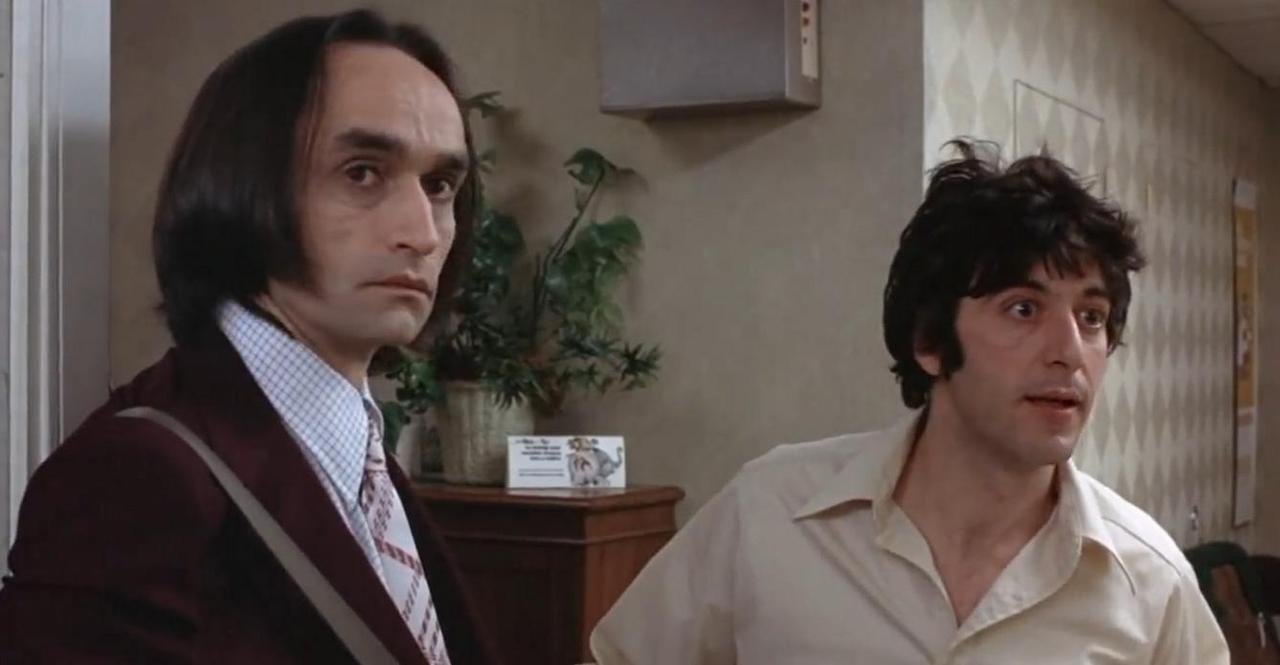
Sonny Wortzik (Al Pacino) and Sal Naturile (John Cazale) (IMDb)
Sidney Lumet aimed to create a documentary-like sense of authenticity throughout the film. The improvisational quality of the dialogue, the characters’ ordinary behaviors, and the uninterrupted flow of time reinforce this realism. The limited setting — nearly the entire film takes place inside the bank — draws the viewer into the heart of the event.
The representation of the media plays a significant role in the film. The presence of journalists at the scene and the public’s reaction gradually transforming into a spectacle reveal how public opinion is shaped during crises. The tensions between police, media and the public reflect the influence of mass communication on such events.
The character of Sonny deviates from classical hero archetypes. Although he appears well-intentioned, he is a dangerous criminal; his indecisiveness, anger and vulnerabilities are central to his portrayal. In this regard, he is one of the key examples of the “anti-hero” figure that became prevalent in 1970s American cinema.
Upon its release, the film received widespread praise from both critics and audiences. It has since become a classic due to its tense atmosphere, depth of character and powerful performances.
The film has won a total of 14 awards and received 20 additional nominations across various categories.
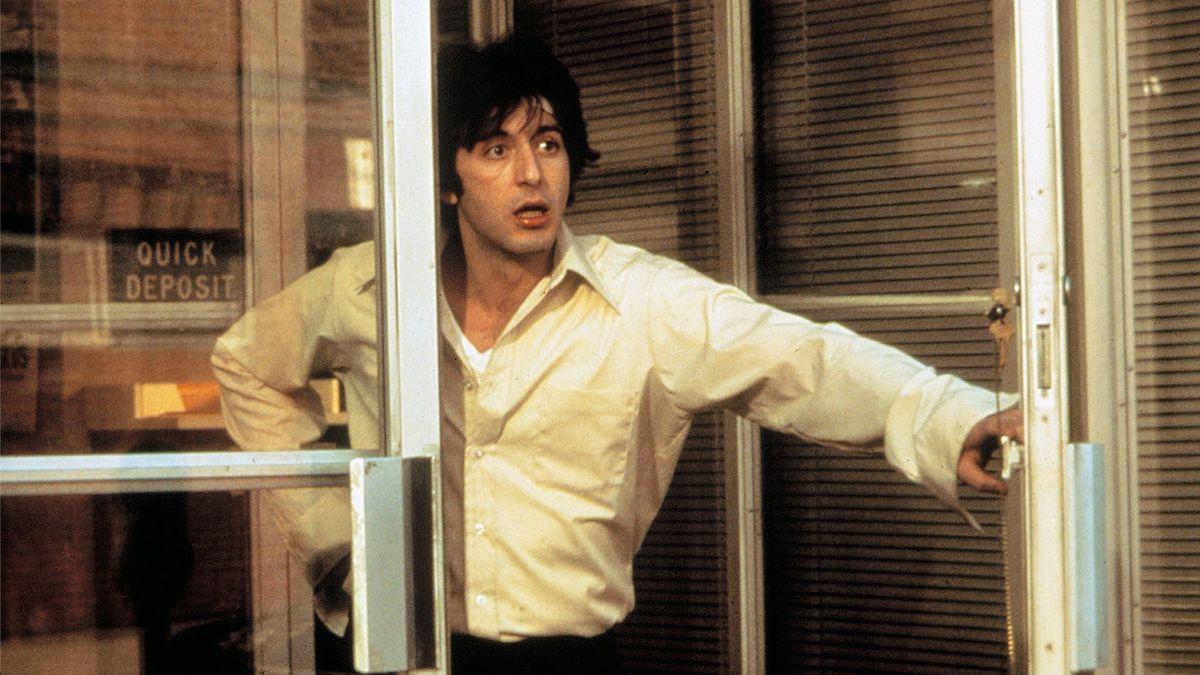
Sonny Wortzik (Al Pacino) (Letterboxd)
The film is inspired by the 1972 bank robbery carried out by a man named John Wojtowicz in Brooklyn. The real event received extensive media coverage, including live broadcasts, and involved tense negotiations with police. Although some details were altered for dramatic effect, the core narrative remains closely faithful to reality.
Dog Day Afternoon is one of the key examples of American New Wave cinema. Its character-driven storytelling, improvisational performances and realist aesthetic reflect the independent and innovative film sensibilities of its era. In particular, Sidney Lumet’s minimalist yet powerful direction has secured the film a distinguished place in cinema history.
Dog Day Afternoon is a film that masterfully intertwines tension with human psychology, examining how ordinary people behave under extraordinary circumstances. It has earned its place among the classics of cinema through its acting, narrative language and direction. Today, it continues to be widely discussed and appreciated by both academic circles and film enthusiasts.
Beyazperde. "Dog Day Afternoon." Accessed March 31, 2025.
Box Office Mojo. "Dog Day Afternoon" (1975). Accessed March 31, 2025.
Ebert, Roger. "Great Movie: Dog Day Afternoon (1975)." RogerEbert.com. Accessed March 31, 2025.https://www.rogerebert.com/reviews/great-movie-dog-day-afternoon-1975.
Filmsite.org. "Dog Day Afternoon (1975)." Accessed March 31, 2025.
IMDb. "Dog Day Afternoon" (1975). Accessed March 31, 2025.
Letterboxd. "Dog Day Afternoon." Accessed March 31, 2025.
MUBI. "Dog Day Afternoon." Accessed March 31, 2025.
Rotten Tomatoes. "Dog Day Afternoon." Accessed March 31, 2025.
The Numbers. "Dog Day Afternoon (1975) – Financial Information." Accessed March 31, 2025.

Dog Day Afternoon
Original Name | Dog Day Afternoon | ||||||||
|---|---|---|---|---|---|---|---|---|---|
Production Year | 1975 | ||||||||
Director | Sidney Lumet | ||||||||
Actor | Chris Sarandon (Leon Shermer) Charles Durning (Police Chief Moretti) John Cazale (Salvatore "Sal" Naturile) Al Pacino (Sonny Wortzik) | ||||||||
Genre | Drama Tension Crime | ||||||||
Plot Summary
Production Process
Cast
Themes and Narrative Features
Realism
Society and Media
Anti-Hero Narrative
Critical Acclaim and Awards
Academy Awards (1976):
Other Awards:
Historical Background and Connection to the Real Event
Cultural and Cinematic Significance