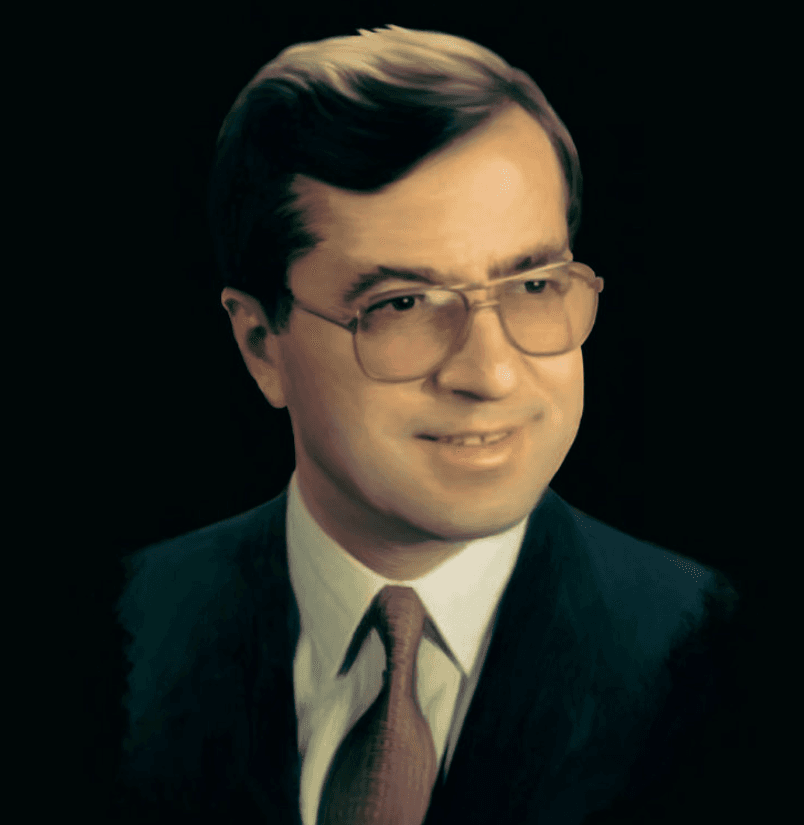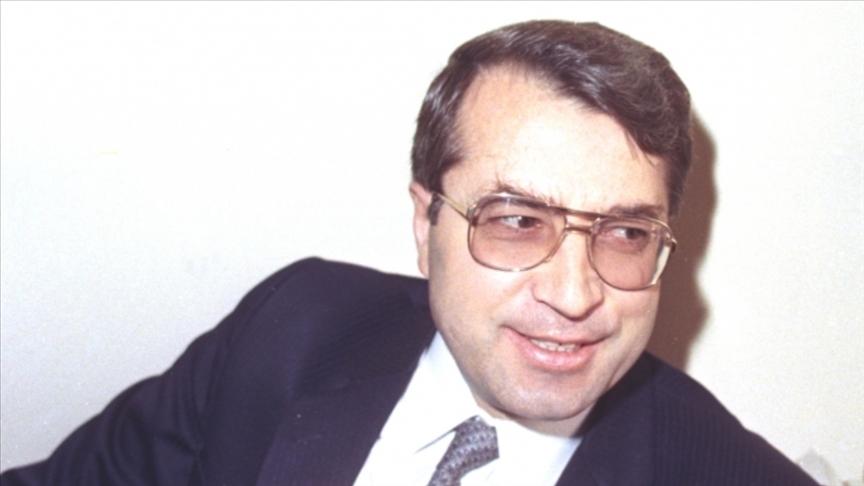

Spouse | Işık Müminoğlu | ||||||||
|---|---|---|---|---|---|---|---|---|---|
Date of birth | 1947-01-07 | ||||||||
Place of birth | Komotini, Greece | ||||||||
Child | Levent Funda | ||||||||
Political party | Friendship, Equality, Peace Party (DEB) | ||||||||
University education | Aristotle University of Thessaloniki Faculty of Medicine | ||||||||
Date of death | 1995-07-24 | ||||||||
Grave | Kahveci Cemetery, Komotini, Greece | ||||||||
Sadık Ahmet (7 January 1947, Komotini – 24 July 1995, Komotini) was a physician-turned-politician renowned for his struggle to defend the rights and freedoms of the Turks of Western Thrace. Throughout his life, he championed the identity, education, and political representation of the Turkish minority in Greece, facing severe repression and obstruction in pursuit of this cause. He has become one of the iconic figures of the minority rights movement. Dr. Sadık Ahmet, one of the most prominent figures in the struggle for identity, equality, and freedom of the Turks of Western Thrace, was not merely a doctor or a politician; he was a leader who rose to prominence through his unwavering defense of justice. Greece’s Turkish minority’s rights campaign was closely followed in Western Thrace and in Türkiye.
class=\
Born on 7 January 1947 in the village of Küçük Sirkeli (Agra), near Komotini, Sadık Ahmet grew up amid the hardships of the Greek Civil War (1946–1949), which followed the Second World War and claimed over 185,000 lives. During this period, Turkish villages in Western Thrace were targeted by armed gangs, resulting in numerous deaths and disappearances. Due to this volatile environment, his family temporarily lived as refugees with relatives in Komotini.
The only child of his family, Sadık Ahmet was named after his grandfather, Sadık Efendi. He grew up alongside two sisters, Hatice (b. 1949) and Fatma (b. 1954). He completed his primary education in his village and then attended Celal Bayar High School in Komotini, graduating from middle school in 1960 and high school in 1966. The school, originally named after Celal Bayar, was renamed in the 1960–61 academic year as the Komotini Muslim Middle School and High School.
After graduating from high school, Sadık Ahmet traveled to Türkiye and spent one year studying at Ankara University Faculty of Medicine before transferring to the Faculty of Medicine at Thessaloniki University, from which he graduated as a physician in 1974. In May of the same year, he joined the Greek army as a reserve officer candidate. However, despite being a qualified doctor, he was not commissioned as an officer and was instead conscripted as a private soldier. Dr. Ahmet’s military service, which coincided with the Turkish Peace Operation in Cyprus, was extended to 34.5 months due to these events and the disciplinary penalties he received.
After completing his military service, Dr. Sadık Ahmet fulfilled his mandatory medical service in the village of Kastania in Central Greece. In 1978, he returned to Western Thrace, began his surgical residency at the Sismanoglio State Hospital in Komotini, and opened a private clinic. He completed his surgical specialization at the University Hospital in Dedeağaç (Alexandroupolis) and received the title of “Operating Physician” in 1984. He is also recognized as the region’s first “professional circumciser.”
Dr. Sadık Ahmet married Işık Müminoğlu from Iskele on 7 October 1978. They had two children: Levent (b. 1979) and Funda (b. 1982). After his death, his wife Işık Sadık Ahmet served two terms as general chairperson of the Friendship, Equality and Peace Party (DEB) and remains its honorary president.
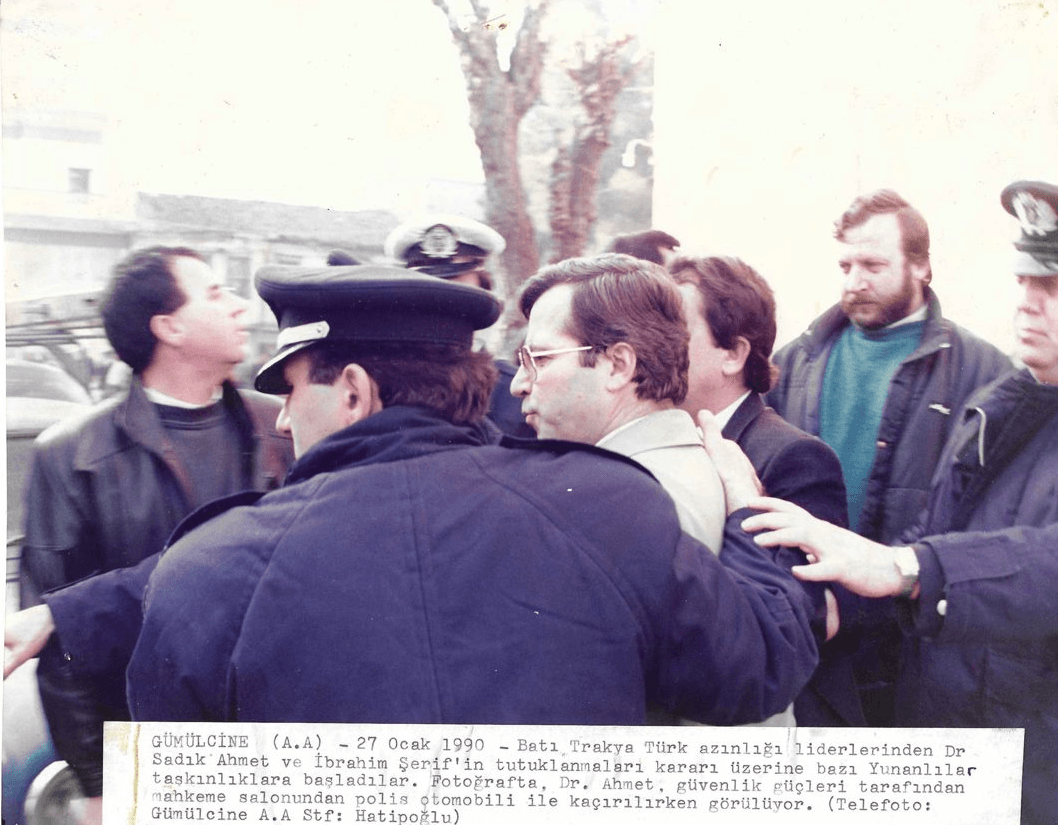
Dr. Ahmet was one of the 28 founding members of the Association of Highly Educated Members of the Western Thrace Minority, and at one point served as its general secretary. Established in 1982, the association aimed to promote minority rights, human rights, and Turkish-Greek friendship. During this period, it launched a major signature campaign to bring the problems of the Turks of Western Thrace to the attention of the Greek authorities and, if necessary, international platforms. A lawsuit was filed against him due to signature lists found in his car, and the case evolved from an individual matter into a broader social issue.
Dr. Ahmet drew the attention of the Greek state through his signature campaign, which he initiated in 1985. He was arrested in 1986 and sentenced in 1987 in Thessaloniki to 30 months in prison for distributing materials related to the Turkish minority. His defense statement during the trial has become historic: “I am being tried because I am a Turk. If being a Turk is a crime, then yes, I am a Turk and I will remain one.”
class=\
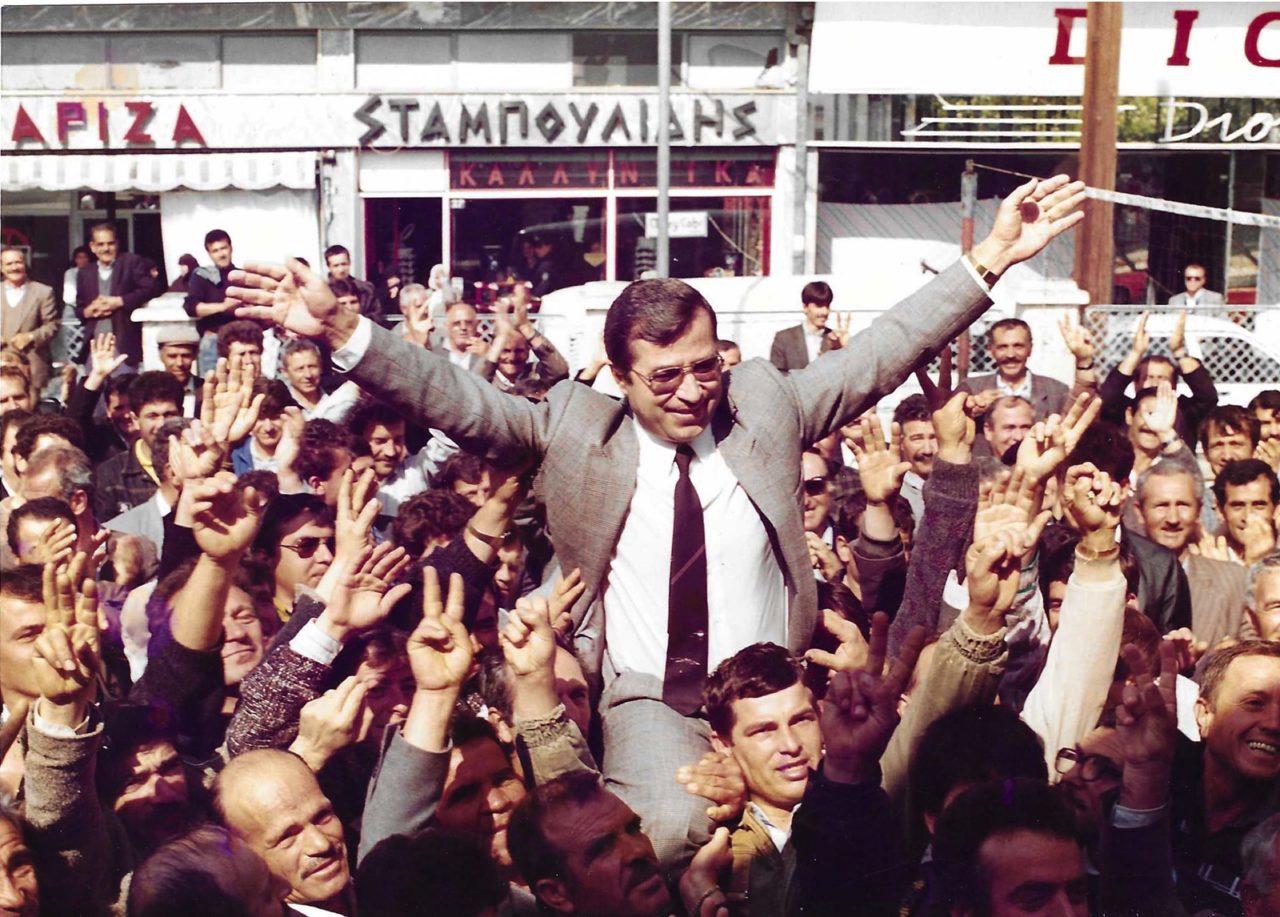
Dr. Sadık Ahmet was elected to parliament as an independent candidate in the general elections of 18 June 1989 on the Independent Confidence List, but his election was annulled by court order. In the elections of 5 November 1989, his candidacy was invalidated due to a minor administrative irregularity. However, he was re-elected in the elections of 8 April 1990 and his parliamentary seat was officially confirmed. He received 29,547 votes, securing 35.2 percent of the regional vote. This level of support has never been matched by any candidate from the region since.
On 13 September 1991, he founded the Friendship, Equality and Peace (DEB) Party to advocate for the rights of the Turks of Western Thrace on the political stage. At the party’s first congress on 11 April 1992, he was elected its general chairperson and launched the newspaper “Balkan” to inform public opinion. Dr. Sadık Ahmet undertook global visits to introduce the Turks of Western Thrace and highlight their issues, traveling from Moscow to Washington, Riyadh to Oslo, Copenhagen to Dakar, and Karachi.
However, a new electoral law enacted in 1993 imposed a mandatory 3 percent national vote threshold for parties to enter parliament, effectively making it impossible for DEB to gain representation. Indeed, despite receiving 24,952 votes in the elections of 10 October 1993, the party failed to win a parliamentary seat.
Dr. Sadık Ahmet died on 24 July 1995, on the anniversary of the Treaty of Lausanne, in a suspicious traffic accident. Many believe this was not an ordinary accident.
class=\
Upon his death, memorial services were held in villages across Western Thrace. According to official police records, between 35,000 and 37,000 people attended his funeral, exceeding the number of votes he had received and marking the largest gathering Komotini had ever seen. He was buried in the Kahveci Cemetery in Komotini. In Türkiye, funeral prayers in absentia were held in numerous mosques, including Kocatepe Mosque in Ankara, Fatih Mosque in Istanbul, and Şükraniye Mosque in Bursa. His spirit of struggle continues to be honored annually through commemorations held in Türkiye and Western Thrace. Schools, streets, parks, and cultural centers have been named in his memory.
Altuntaş, Birsen. “Doktor: Sadık Ahmet filminde kim başrol oynayacak?” *birsenaltuntas.com*. Accessed June 20, 2025.https://www.birsenaltuntas.com/kultur-sanat/doktorsadik-ahmet/19621
Anadolu Ajansı. “Batı Trakya davasının sembol ismi: Dr. Sadık Ahmet.” aa.com.tr. Accessed June 20, 2025.https://www.aa.com.tr/tr/dunya/bati-trakya-davasinin-sembol-ismi-dr-sadik-ahmet/2466664
Anadolu Ajansı. “Dr. Sadık Ahmet ölümünün 29. yılında Batı Trakya’da anıldı.” aa.com.tr. Accessed June 20, 2025.https://www.aa.com.tr/tr/dunya/dr-sadik-ahmet-olumunun-29-yilinda-bati-trakyada-anildi/3284791
Anadolu Ajansı. “Dr. Sadık Ahmet.” *aa.com.tr*, infographics. Accessed June 20, 2025.https://www.aa.com.tr/tr/info/infografik/40417
Beyazperde. "Sadık Ahmet." beyazperde.com. Accessed June 20, 2025.https://www.beyazperde.com/filmler/film-314218
Dostluk Eşitlik Barış Partisi. "Dr. Sadık Ahmet." debpartisi.org. Accessed June 20, 2025.http://www.debpartisi.org/indexY.php?s=sadikahmet
NTV. "Dr. Sadık Ahmet kimdir, ne zaman öldü?" Accessed June 20, 2025.https://www.ntv.com.tr/n-life/kultur-ve-sanat/dr-sadik-ahmet-kimdir-ne-zaman-oldu,RN5alouvlEug8pHjaEFSiA
TRT Haber. "Türk dediği için hapse atılan Dr. Sadık Ahmet." trthaber.com. Accessed June 20, 2025.https://www.trthaber.com/haber/dunya/turk-dedigi-icin-hapse-atilan-dr-sadik-ahmet-597337.html
Türk Dünyası Ansiklopedisi. "Sadık Ahmet." Accessed June 25, 2025.https://turkdunyasiansiklopedisi.gov.tr/detay/1707/Sad%C4%B1k-Ahmet-
YouTube. "Dr. Sadık Ahmet." Accessed June 20, 2025.https://www.youtube.com/watch?v=vaQR3PPkJH0
Yurtdışı Türkler Başkanlığı. “Batı Trakya Türklerinin unutulmaz lideri: Dr. Sadık Ahmet kimdir?” ytb.gov.tr. Accessed June 20, 2025.https://ytb.gov.tr/haberler/bati-trakya-turklerinin-unutulmaz-lideri-dr-sadik-ahmet-kimdir
Yıldırım, Bülent, Melih Akdeniz, and Chousein Bostantzi. “Dr. Sadık Ahmet.” *Doğumunun 75. Yılı Anısına Dr. Sadık Ahmet*, 2021. Accessed June 20, 2025.https://www.academia.edu/98841803/Dr_Sad%C4%B1k_Ahmet
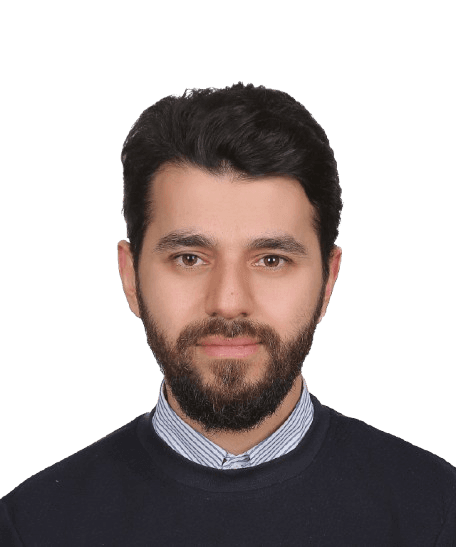
Spouse | Işık Müminoğlu | ||||||||
|---|---|---|---|---|---|---|---|---|---|
Date of birth | 1947-01-07 | ||||||||
Place of birth | Komotini, Greece | ||||||||
Child | Levent Funda | ||||||||
Political party | Friendship, Equality, Peace Party (DEB) | ||||||||
University education | Aristotle University of Thessaloniki Faculty of Medicine | ||||||||
Date of death | 1995-07-24 | ||||||||
Grave | Kahveci Cemetery, Komotini, Greece | ||||||||
Childhood and Education
Beginning of Professional and Political Life
Civil Society Activities and Spirit of Struggle
Trials for Defending His Identity
Political Struggle and the DEB Party
Suspicious Death and Living Legacy