


This article was automatically translated from the original Turkish version.
+1 More
Özbekistan's excavations in the Tashkent region have uncovered a Turk coin dating to the 6th century. This discovery includes a type of coin believed to belong to the Western Göktürk Khaganate. The inscription "Türk-Kağan" on the coin provides important evidence from the early periods of Turkic history.
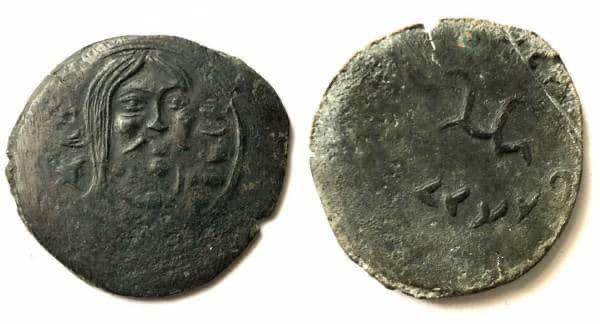
Üstünde Türk Kağan Yazan Türk Parası (TRT Haber)
According to statements by Professor Dr. Gaybulla Babayarov, the term "Türk-Kağan" on this coin demonstrates that the name Turk dates back 1500 years. While the word "Türk" in the Orkhon Inscriptions is dated to the 8th century, this coin suggests that the term Turk can be traced as far back as the late 6th century.
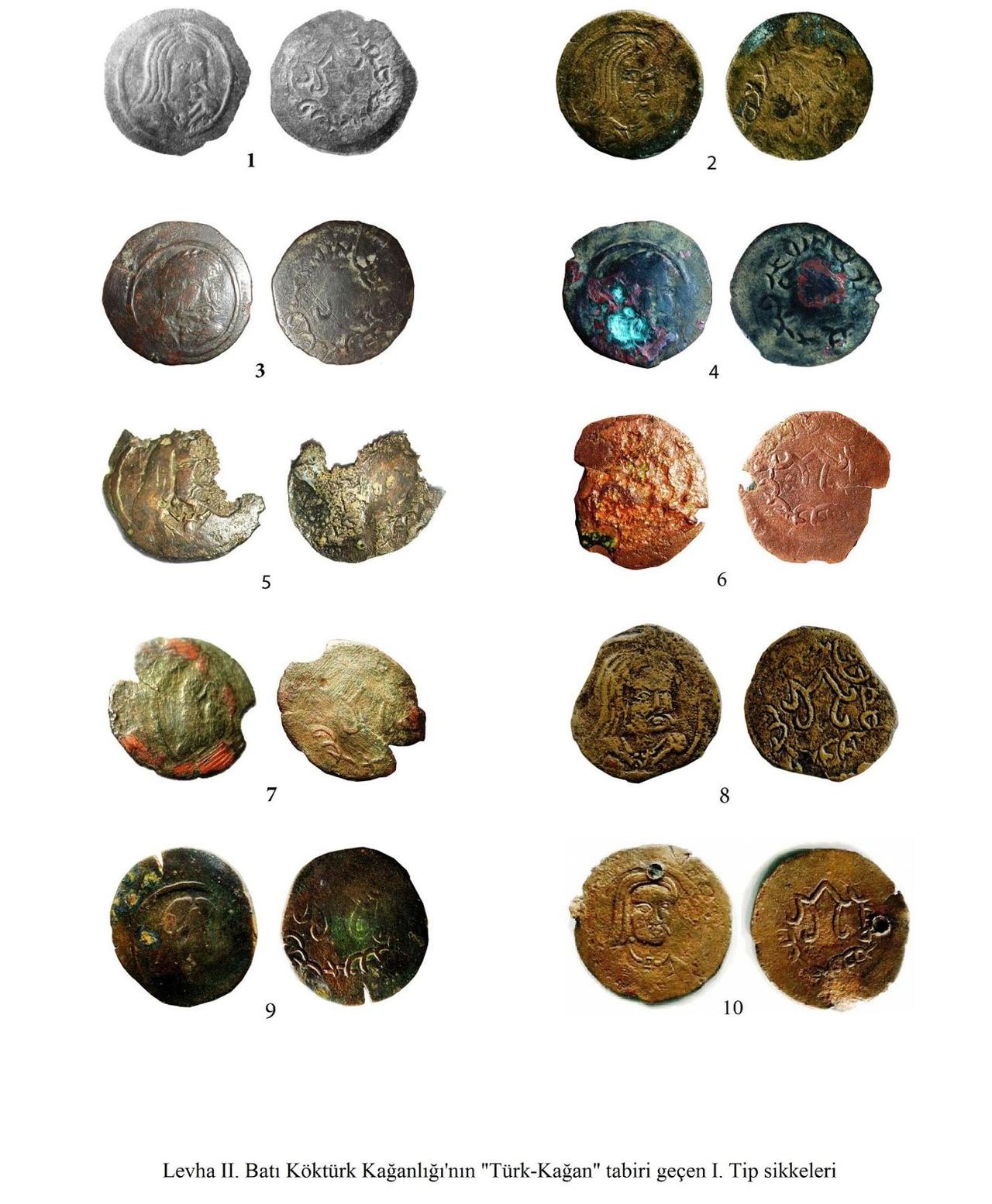
Type 1 Coins of the Western Turkic Khaganate Bearing the Title Türk-Kağan (TRT Haber)
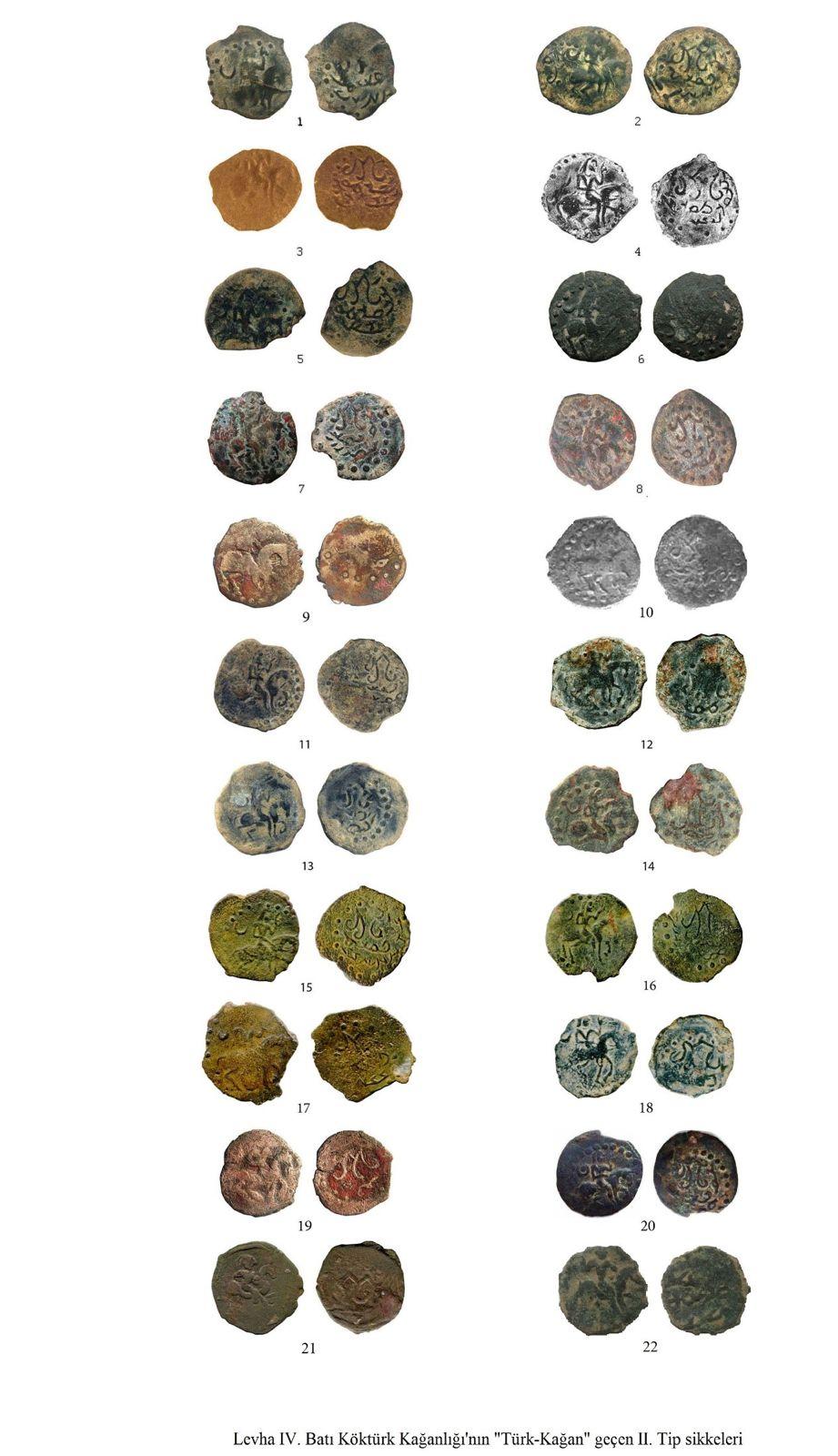
Turk Kaganship Western Göktürk Type II Inscribed Coins (TRT Haber)
This coin was minted with Sogdian inscriptions found in the ruins of the ancient city of Tashkent. Furthermore, its manufacturing style, metal composition, and dimensions differ from those of Western Göktürk Khaganate coins dated to the late 6th and early 7th centuries. This indicates that the Turkic society of the period was beginning to adopt a sedentary lifestyle and engage in trade. The coin type is associated with the Yabgu period of the Western Göktürk Khaganate.
The term "Türk-Kağan" refers not only to the name of a ruler but also to the ethnic and political identity of the Turkic community of that era. Professor Dr. Babayarov emphasizes that a similar usage of this term appears on coins of the Türgesh Khaganate that followed the Western Göktürks. The inscriptions on the coin reveal that Western Göktürk administrators frequently included their official titles on their coinage.
The coin is thought to belong to the descendants of Istemi Khagan, one of the founders of the Western Göktürk Khaganate, who ruled in Fergana. This hypothesis is based on the Sogdian inscriptions on the coin and archaeological findings.
This coin provides evidence that the Turks transitioned from a nomadic society to a sedentary lifestyle, establishing cities and engaging in trade. Research conducted to date has yielded significant findings demonstrating that the Turks were not only nomadic but also communities with a sedentary way of life.
This discovery marks a pivotal moment in understanding Turkic history. The coin found in Özbekistan offers crucial insights into the early periods of the Turks and pushes back the historical record of the name Turk to the 6th century.
TRT Haber. "6. yüzyıla ait Türk parası bulundu: Detaylar ilk kez TRT Haber'de." Accessed May 14, 2025.https://www.trthaber.com/haber/dunya/6-yuzyila-ait-turk-parasi-bulundu-detaylar-ilk-kez-trt-haberde-907037.html

No Discussion Added Yet
Start discussion for "Discovery of a Turkish Coin from the 6th Century" article
Historical Significance
Structure and Location of the Coin
Ethnic and Political Affiliation
Which Khagan the Coin Belongs To
The Turkic Transition to Sedentary Life