


This article was automatically translated from the original Turkish version.
+1 More
Desert Rose is a natural formation composed of mineral crystals that arise when wind, sand, and saline water combine under specific geological conditions. Although it derives its name from its resemblance to a rose flower, it is not a biological plant; it has neither thorns nor fragrance. Geologically, these formations emerge when minerals in shallow salt basins or fragmented soil structures crystallize into flat plate-like shapes.
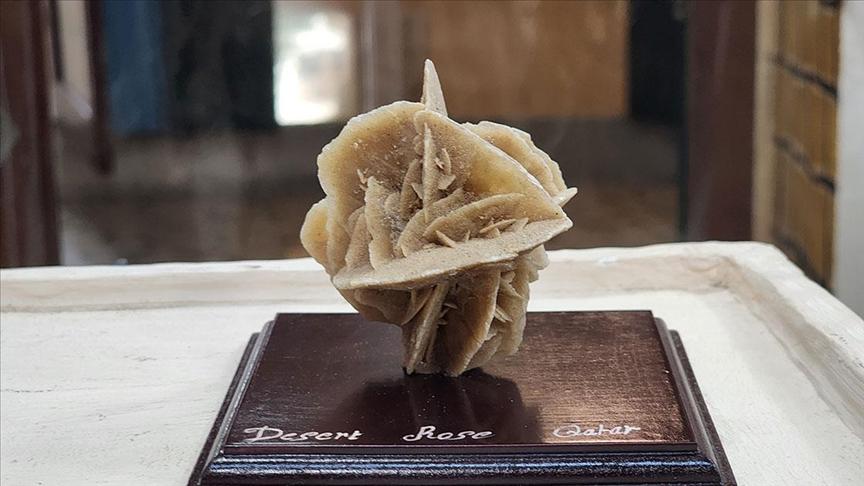
Desert Rose (AA)
The formation of the desert rose is based on mineral processes of evaporation and crystallization. These structures, often indicating the presence of groundwater, acquire their distinctive shape through the intricate interweaving of sand grains with minerals such as gypsum or barite. The entrapment of sand particles within the crystal structure gives the formation a sandy, natural appearance.
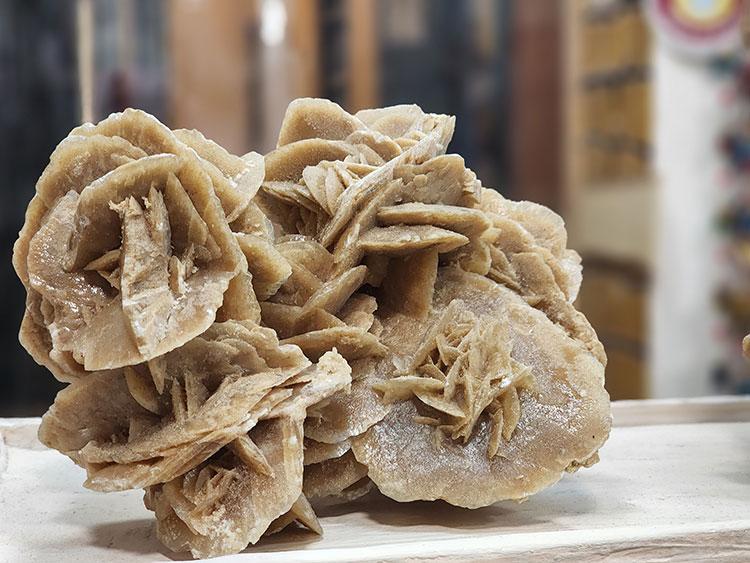
Desert Rose (AA)
In desert rose, Qatar recognizes a characteristic element of its natural environment and considers it among the nation’s geological symbols. Moreover, this formation holds meaning not only as a natural phenomenon but also as part of the country’s cultural heritage.
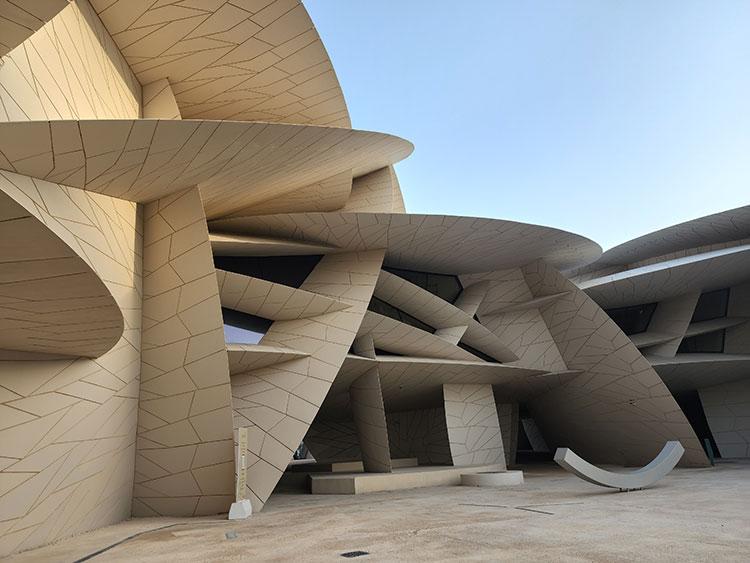
Qatar National Museum (AA)
The desert rose has inspired the architectural design of Qatar National Museum, the country’s largest museum. Designed by French architect Jean Nouvel and inaugurated in 2019 by Emir of Qatar Sheikh Tamim bin Hamad Al Thani, the structure spans approximately 140,000 square meters and consists of curved, interlocking disks inspired by desert rose crystals.
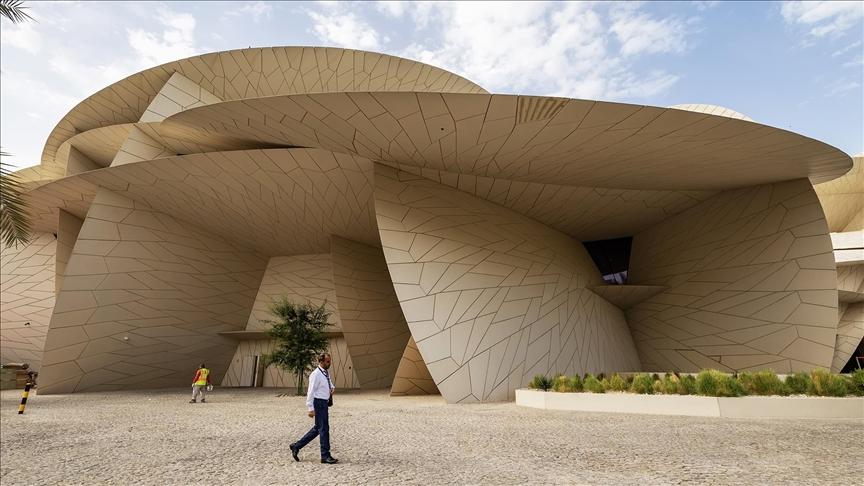
Qatar National Museum (AA)
The desert rose attracts significant tourist interest in Qatar. Following the opening of the Qatar National Museum, souvenirs shaped like the desert rose became among the most sought-after items in historic markets. Gypsum-based figurines and miniatures have emerged as popular gifts reflecting Qatar’s natural heritage.
Desert roses have been largely destroyed due to random vehicle traffic and now occur only rarely in limited areas.
Anadolu Ajansı. "Katar'da nadir “Çöl Gülü”nden ilham alan büyüleyici tasarım: Katar Ulusal Müzesi." Anadolu Ajansı, May 8, 2025. Accessed March 25, 2026. https://www.aa.com.tr/tr/kultur/katarda-nadir-col-gulu-nden-ilham-alan-buyuleyici-tasarim-katar-ulusal-muzesi/3560934
Anadolu Ajansı. "Katar'ın doğal kültürel mirası ve jeolojik simgesi: Çöl gülü." Anadolu Ajansı, August 12, 2022. Accessed March 25, 2026. https://www.aa.com.tr/tr/yasam/katarin-dogal-kulturel-mirasi-ve-jeolojik-simgesi-col-gulu/2659918


Formation and Physical Characteristics
Cultural Significance
Architectural Influence
Touristic Interest and Current Status