


This article was automatically translated from the original Turkish version.
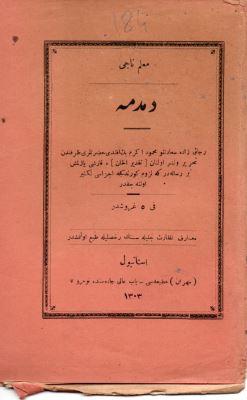
The original edition of the Demdeme work written in Ottoman Turkish
Author | Muallim Naci | ||||||||
|---|---|---|---|---|---|---|---|---|---|
Country | Türkiye | ||||||||
Language | Türkçe | ||||||||
Type | Criticism | ||||||||
Publication | 1186 | ||||||||
Muallim Nâci’s one of the most controversial works in Turkish literature, Demdeme, was serialized in the newspaper Saâdet in 1886. This work was written as a response to criticisms directed at Muallim Nâci by Recaizâde Mahmut Ekrem in the introduction to his three-volume poetic series “Zemzeme III”. It is regarded as an important part of the old-new debates in Tanzimat-era Turk literature. In this work, Muallim Nâci defended the view that “Rhyme is for the eye”, in opposition to Recaizâde Mahmut Ekrem’s assertion that “Rhyme is for the ear”.
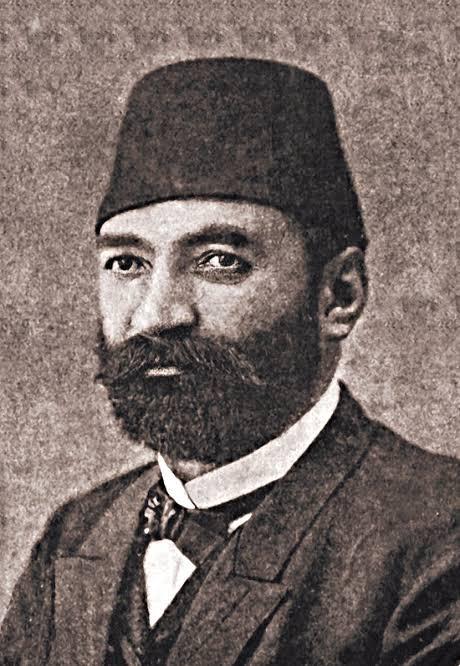
The author of Demdeme is Muallim Nâci
Demdeme serves as a defense against Recaizâde Mahmut Ekrem’s criticisms of Muallim Nâci’s literary works. Recaizâde’s sharp critiques of the traditional poetic style in his critical pamphlet Takdîr-i Elhân prompted Nâci to write this work. In it, Muallim Nâci meticulously responded to both Recaizâde Mahmut Ekrem’s literary philosophy and his personal attacks.
In Demdeme, Muallim Nâci not only articulated his own views on literature and poetry but also gave space to arguments supporting the traditional poetic heritage. Nâci frequently cited passages from Recaizâde Mahmut Ekrem’s works such as Nağme-i Seher and Zemzeme IIIgibi to critique them. The style of Demdeme is sharp and polemical for its time. While defending the values of traditional poetry, Nâci also criticized the new literature influenced by the West for its detachment from native literary traditions.
The publication of Demdeme generated widespread reaction within the literary circles of the period and deepened the debates between supporters of traditional and modern literature. This polemic was not merely a personal dispute between two individuals but also held significance for understanding the broader structure of Tanzimat-era literature. The government’s intervention in 1886 to halt its publication demonstrates the extent of its impact.
Muallim Nâci’s meticulous attention to language and style is clearly evident in Demdeme. While defending classical literature, the work also offers insights into how elements borrowed from Western literature might be integrated with local traditions. Demdeme presents a distinct perspective on the renewal movement of the Tanzimat period and is regarded as an important source for understanding the literary outlook of the era.
Ay, Ferudun. "MUALLİM NÂCİ'NİN EDEBÎ KİŞİLİĞİ HAKKINDAKİ GÖRÜŞLER (1860-1912)." The Journal of Social Sciences (2021).
Karahan, Ali. "RECAİZÂDE MAHMUT EKREM İLE MUALLİM NACİ ARASINDAKİ TARTIŞMALARDA ABDÜLHAK HÂMİD’İN YERİ." Bayburt Üniversitesi İnsan Ve Toplum Bilimleri Fakültesi Dergisi (2020), 3(7), 101-107.
Turk Edebiyatı Eserler Sözlüğü. Accessed December 31, 2024.https://tees.yesevi.edu.tr/madde-detay/demdeme-muallim-naci
Turk Edebiyatı. Accessed December 31, 2024.
Özge Özbey, “Muallim Naci’nin Tenkît Anlayışı Üzerine Bir İnceleme.” *Uluslararası Sosyal Araştırmalar Dergisi / The Journal of International Social Research* 9, no. 42 (February 2016): 300–307.

The original edition of the Demdeme work written in Ottoman Turkish
Author | Muallim Naci | ||||||||
|---|---|---|---|---|---|---|---|---|---|
Country | Türkiye | ||||||||
Language | Türkçe | ||||||||
Type | Criticism | ||||||||
Publication | 1186 | ||||||||
The Writing Process and Purpose of the Work
Content and Style
Controversies and Impact
Literary Value