


This article was automatically translated from the original Turkish version.
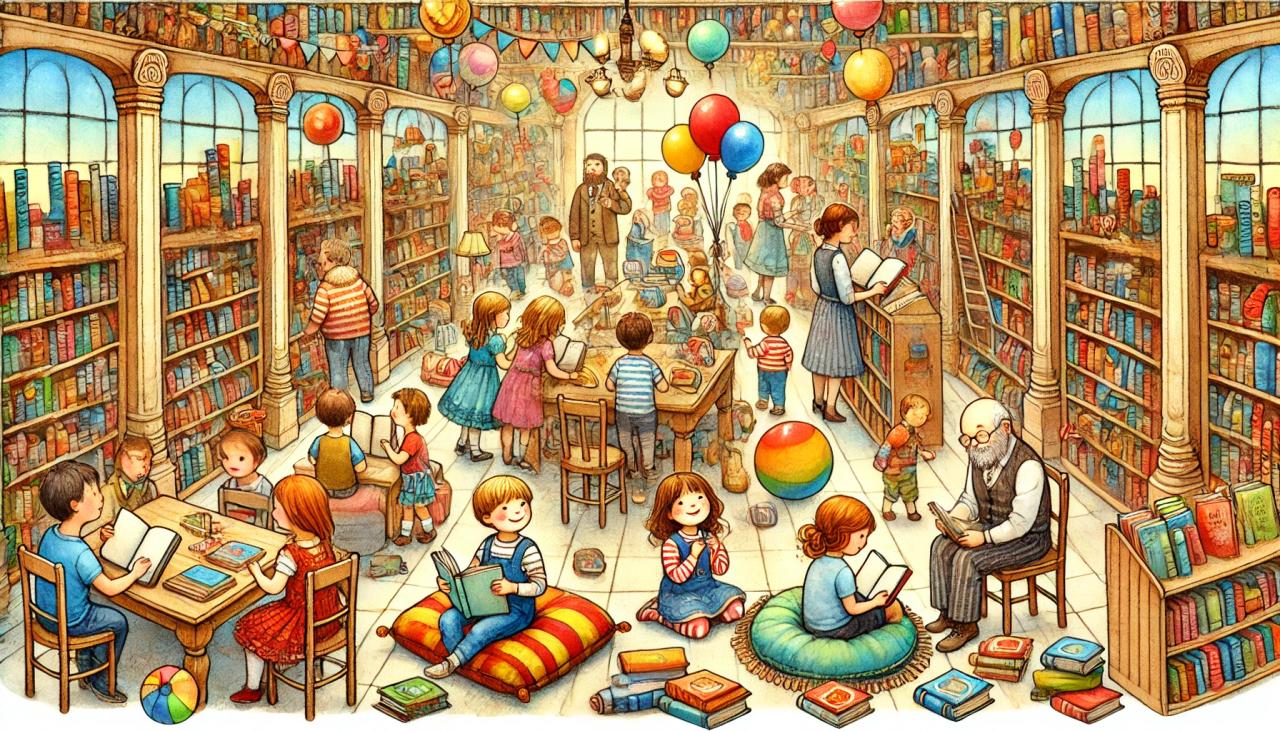
Children’s literature may appear simpler in structure compared to adult literature but requires a highly layered and meticulous production process. One of its fundamental challenges is crafting texts that take into account the developmental cognitive and emotional levels of the target audience. A children’s book author must consider pedagogical principles child psychology and age-appropriate narrative styles. A text written for children is evaluated against multiple criteria including age appropriateness thematic structure linguistic simplicity capacity to arouse curiosity coherence of visual elements and possession of original ideas. Therefore children’s literature is not merely a simple narrative; rather it is a multifaceted literary genre requiring careful planning.
For children’s literature authors to achieve success it is essential to observe children’s world understand their interests and be able to become part of that world. In this process authorship involves not only a narrative role but also the roles of game designer educator and guide. Alongside the formal and technical structure of the work the values it conveys the skills it aims to instill and its capacity to nurture children’s imagination must also be considered. This requires the author not only to possess writing ability but also to be equipped with knowledge of child development and literary structure.
class=\
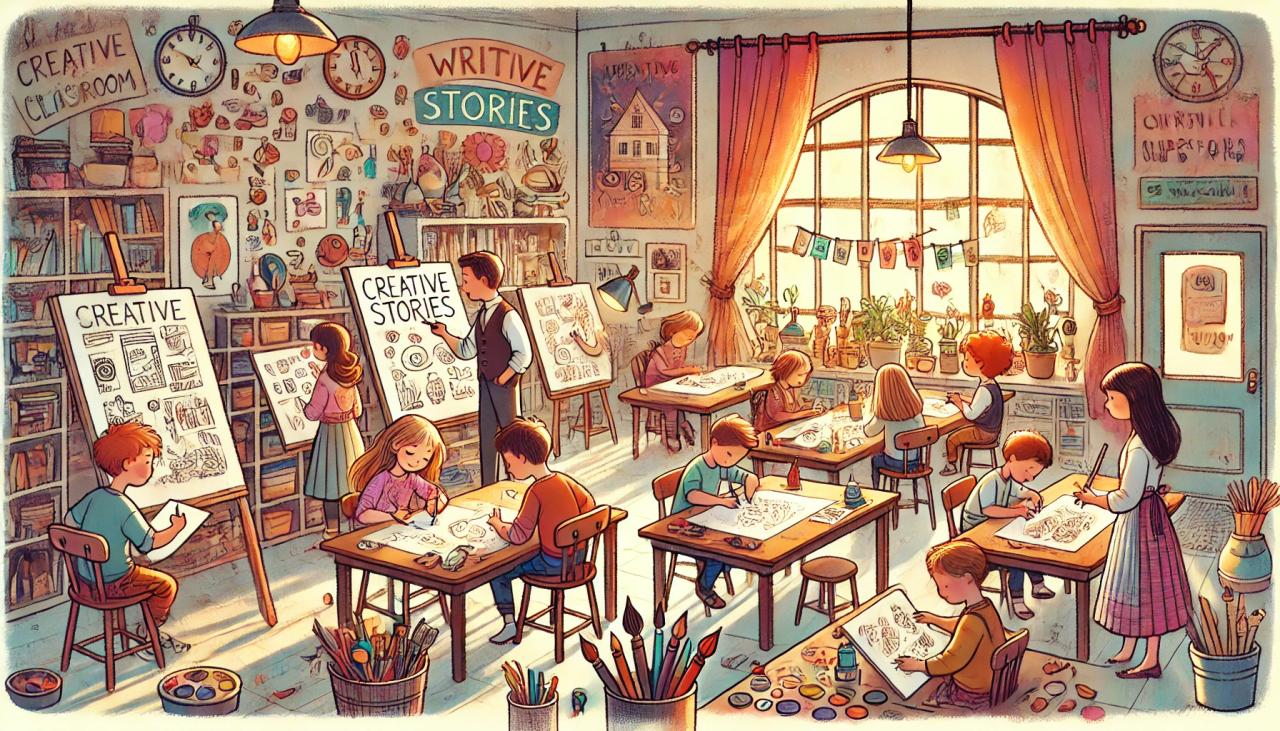
In evaluating children’s books not only literary value but also age appropriateness cognitive accessibility visual-textual harmony clarity of language and pedagogical suitability of the message are all taken into account. Especially in illustrated books illustrations are expected not merely to support the text but also to construct their own narrative. In this sense children’s books are assessed within the context of multiliteracy emerging as hybrid structures that integrate visual literary and digital elements.
class=\
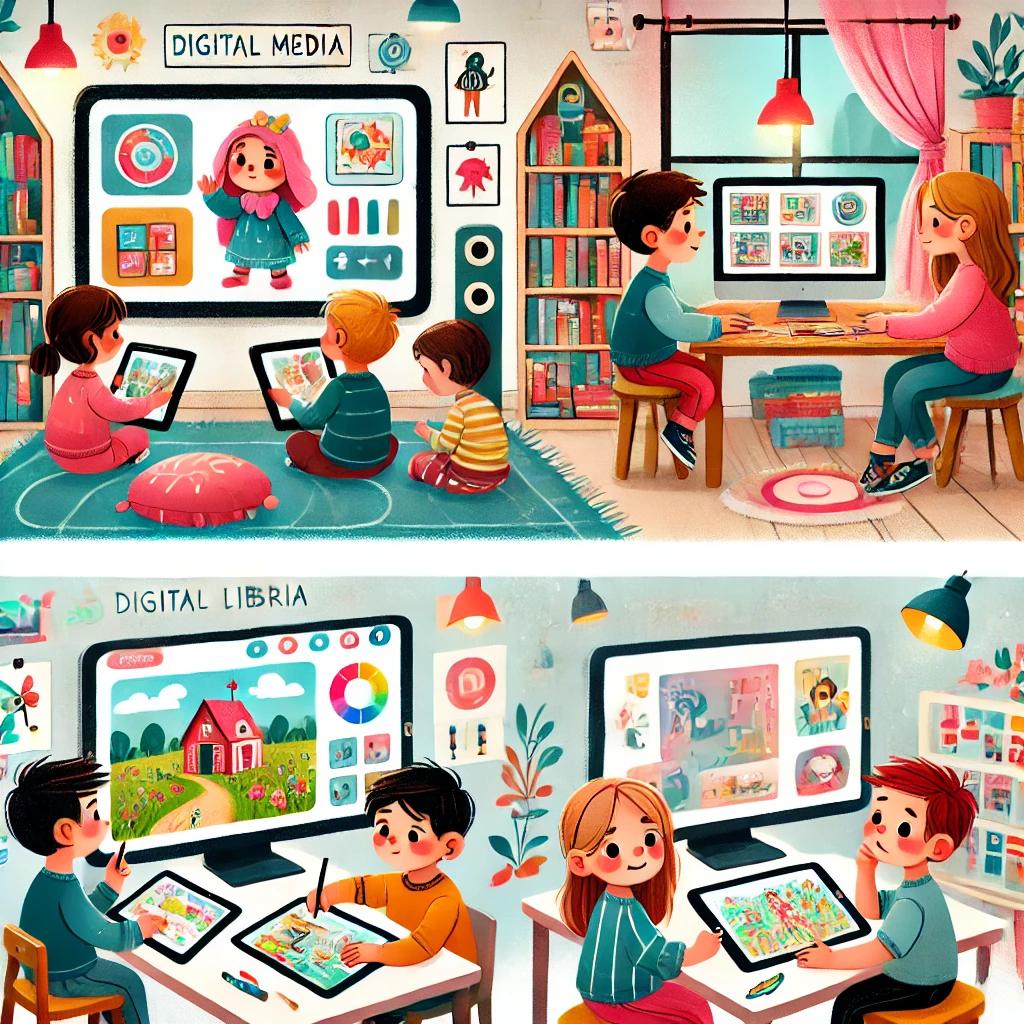
The influence of digital media on children’s lives is increasing steadily. Especially during the pandemic period the frequency of children’s exposure to digital tools rose significantly. In this context the quality of digital content aimed at children plays a decisive role in their development. Research indicates that due to their high levels of visual and auditory stimuli digital content exerts a strong attention-grabbing effect on children. This situation has brought to the forefront the responsibilities digital platforms must uphold in producing content for children.
When developing digital platforms for children the content must be educational trustworthy age-appropriate and engaging. At this point the existence of high-quality alternative content offered to children is as important as monitoring the content they encounter in digital spaces. Such platforms should be positioned as tools that enable children both to play and to learn. Moreover in preparing content for these platforms the direct opinions of the target audience should be sought and children’s interests consumption habits and preferences should be analyzed to guide the form and presentation of the content.
class=\
Today the production of content for children is shaped not only by literary or educational concerns but also by the influence of popular culture. This trend has become more visible as well-known public figures turn to writing children’s books. However this increase does not produce homogeneity in terms of quality; on the contrary it makes quality selection more difficult. The rise in the number of children’s books does not necessarily mean an improvement in content quality. In this context the conscious selectivity of parents educators and publishers is of great importance.
The relatively short history of children’s literature is one of the main reasons why critical mechanisms in this field have not yet developed sufficiently. Although the history of children’s literature extends back to the 18th century globally in Türkiye this tradition is relatively new. Therefore the establishment of a culture of criticism the evaluation of product quality and the cultivation of a reading culture from early childhood are long-term processes.
Children’s literature and digital children’s publishing are fields that require not only content creation but also pedagogical responsibility and aesthetic sensitivity. Writers editors publishers and content creators working in this area must possess multidimensional competencies including knowledge of child development literary proficiency and technological literacy. The production of content for children must be the product of conscious education and a sense of responsibility. Through high-quality children’s books and digital content it is possible to contribute to children’s intellectual and emotional development. In this context long-term impact and sustainable quality principles must be the foundation of all content produced for children.
Children's Literature. "Children's Literature: A Brief Introduction." YouTube video, 14:35. Uploaded June 25, 2022. https://www.youtube.com/watch?v=EJE4Gf6Yhs4&t=587s.
Istanbul Bilgi University. "Dijital Medya ve Çocuk." Accessed March 21, 2025.https://dijitalmedyavecocuk.bilgi.edu.tr/.
Lumen Learning. “History of Children’s Literature.” SUNY Herkimer County Community College. Accessed March 21, 2025.https://courses.lumenlearning.com/suny-hccc-childrenslit/chapter/history-of-childrens-literature/.
{'author': 'Erdoğan, F.', 'title': 'Çocuklar İçin Yazmak', 'publisher': 'Binbir Kitap', 'date': 'March 1, 2023'}

No Discussion Added Yet
Start discussion for "Current Trends in Children's Literature Publishing" article
Dynamics of Children’s Literature Authorship
Criteria for Evaluating Children’s Books
Digital Content and Children’s Publishing
Current Trends and Quality Issues in Children’s Publishing