


This article was automatically translated from the original Turkish version.
+1 More
Cultural landscapes are geographic areas that have emerged as a result of the long-term interaction between humans and nature, and that possess aesthetic, cultural, historical, and scientific values. These areas present a complex wholeness that encompasses not only physical elements but also beliefs, rituals, ways of life, and traditions.
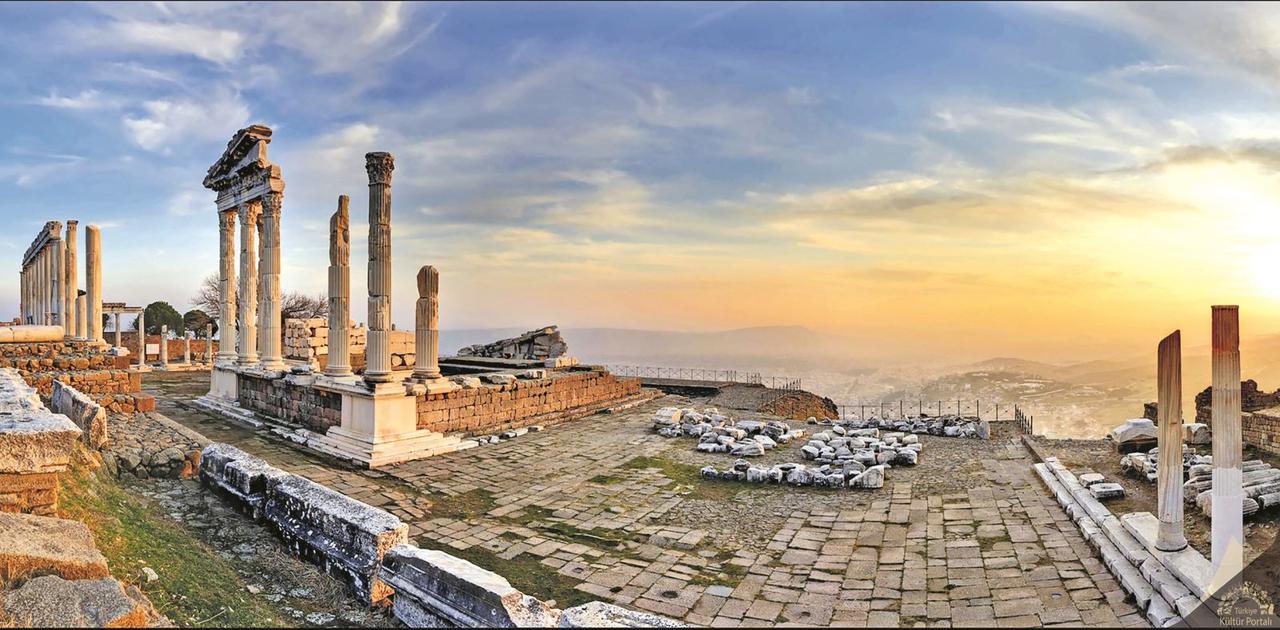
Bergama Multi-Layered Cultural Landscape Area (Culture Portal)
The term "landscape" refers to areas shaped by the interaction and activities of human and/or natural factors. Human presence transforms the landscape into a cultural form, while cultural elements add new meanings and values to it. In this context, the concepts of "cultural landscape" play a central role in understanding rural settlements and other areas through their encompassing dimensions of the culture-nature relationship.
The International Union for Conservation of Nature (IUCN) defines cultural landscapes as "geographic areas that include cultural and natural resources and associated wildlife and domesticated animals, and that serve as settings for historical events or activities or exhibit various cultural and aesthetic values."
UNESCO’s World Heritage Committee describes cultural landscapes as "joint works of nature and humanity", focusing on settlements that display mosaic qualities of extraordinary universal value, reflecting the evolution of human communities through natural conditions as well as social, economic, and cultural influences.
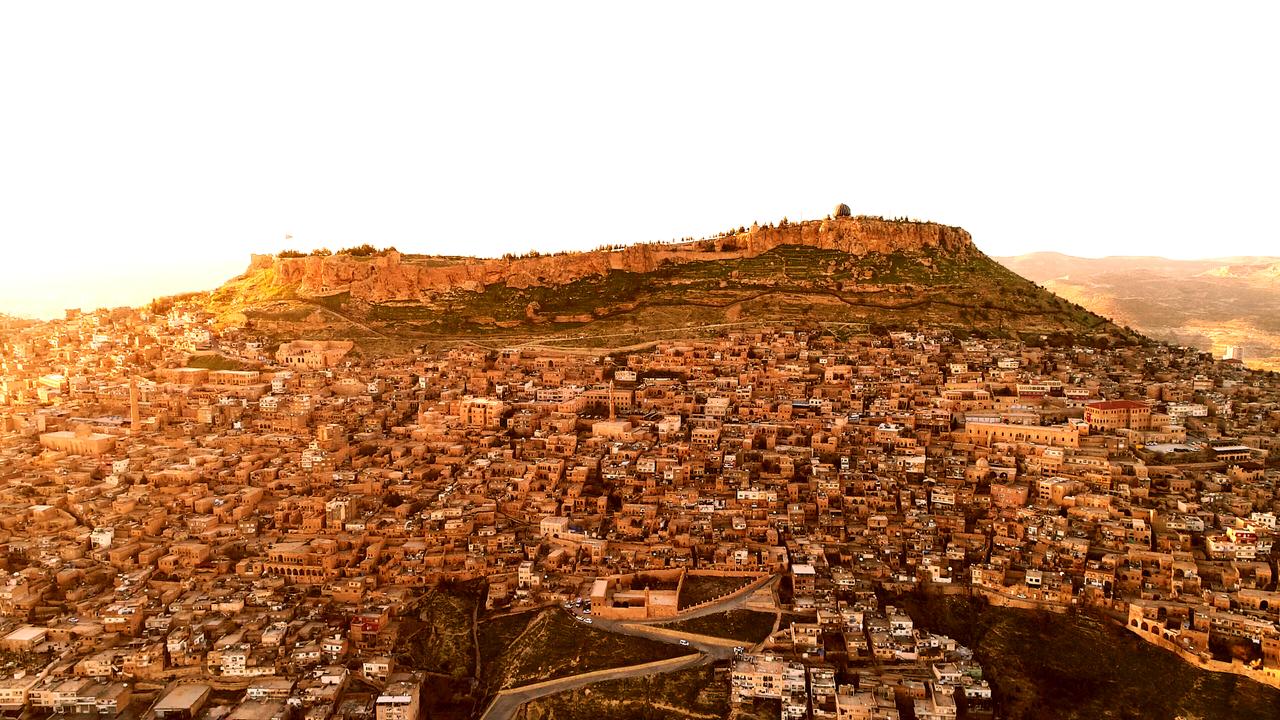
Mardin Cultural Landscape Area (Artkulu Municipality)
The qualities sought in cultural landscape areas include harmony between natural and human-made elements; possession of historical, aesthetic, ethnological, and anthropological value; and the ability to represent the dominant natural features, land-use patterns, and social fabrics in which traditional ways of life have been sustained.
Cultural landscapes can be classified into different categories according to their formation processes and characteristics:
1. Landscapes Deliberately Designed and Created by Humans: This category typically includes gardens, parks, and landscape areas within religious and monumental structures. The Yıldız Sarayı Complex and Gardens in Istanbul are an example of this type.
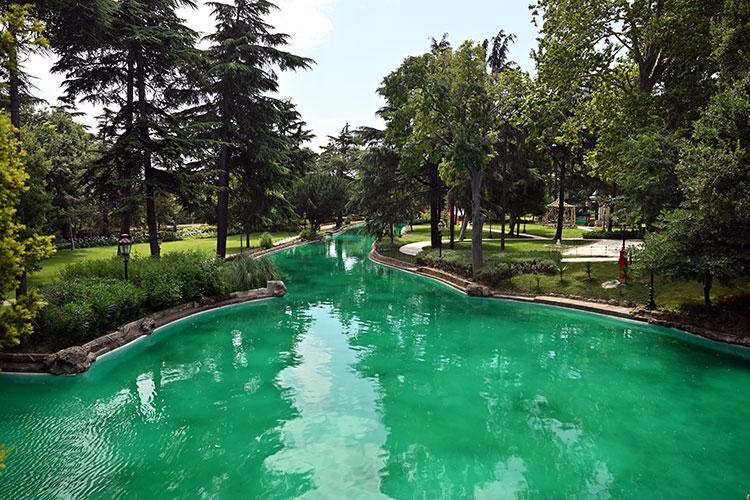
Yıldız Sarayı / Hasbahçe (AA)
2. Organically Evolved Landscapes: These are areas shaped by the relationship between a culture’s socio-economic, administrative, and religious inputs and the natural environment, reflecting an evolutionary process. Subcategories of this group include:
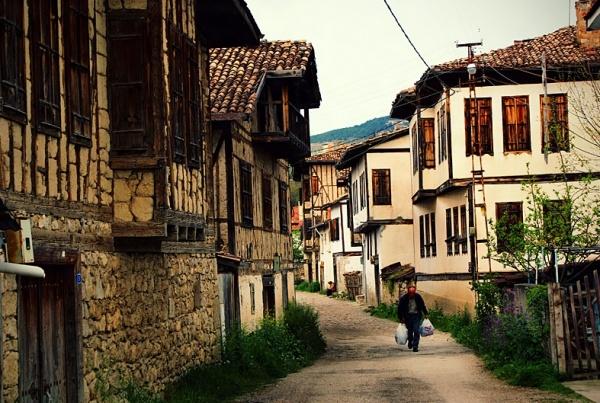
Safranbolu Yörük Köyü (Safranbolu Tourism Advisory Office)
3. Combined Cultural Landscapes (Auxiliary Cultural Landscapes): Areas in which natural elements are deeply integrated with strong religious, artistic, or cultural attributes. The "Ağlayan Kaya" (Niobe) near Manisa, a natural formation associated with a mythological motif, exemplifies this type.
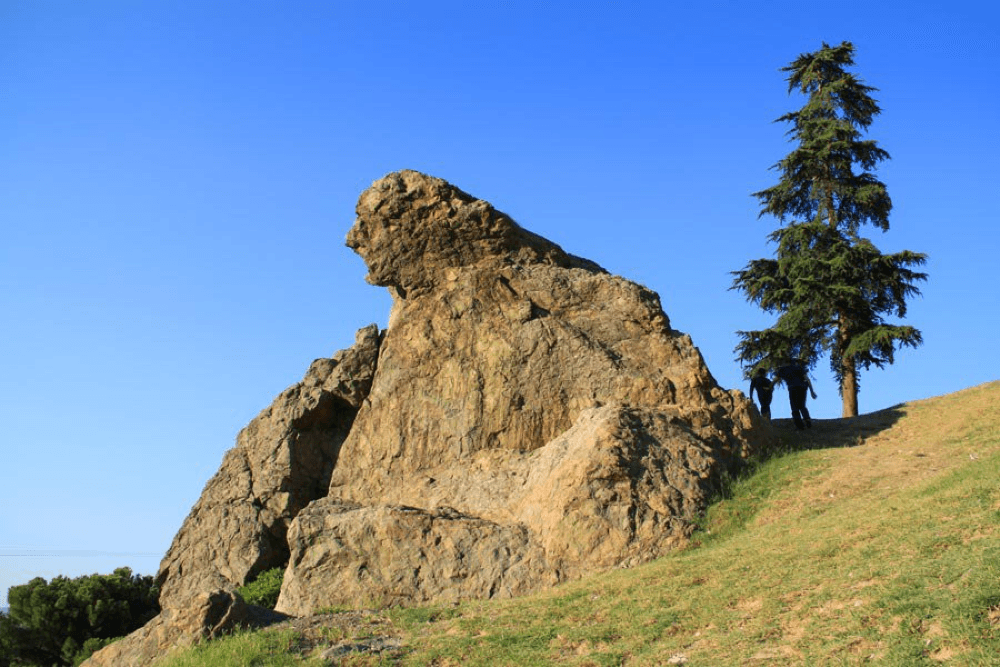
Ağlayan Kaya (Yunusemre Municipality)
IUCN’s classification similarly proposes three categories: "Clearly Defined Landscapes," "Organically Evolved Landscapes" (Geological Heritage-Fossil-Remnant Landscapes, Landscapes with Ongoing Continuity), and "Auxiliary Cultural Landscapes."
Rural settlements face degradation from wear and tear over time as well as from industrialization, tourism, secondary housing, changing agricultural policies, urban encroachment on natural resources, migration, cultural erosion, and macro-level interventions alien to the traditional environment. Legal frameworks support their protection.
Conserving cultural landscapes requires not only the preservation of physical elements but also the sustainability of intangible cultural heritage—beliefs, rituals, and crafts. Rural settlements are threatened by temporal degradation, economic changes, tourism pressure, and cultural erosion. Conservation efforts, supported by organizations such as the Cultural Landscape Foundation (TCLF), established in 1998, rely on education and awareness initiatives.
Cultural Landscape Foundation (TCLF) is an international civil society organization founded in 1998 in Washington, D.C., United States, by Charles A. Birnbaum with the aim of conserving, promoting, and understanding cultural landscapes. TCLF continues its efforts to raise awareness about the historical significance and conservation of cultural landscapes.
TCLF’s core activities include education, documentation, advocacy, and awareness campaigns. The organization undertakes various projects, organizes educational programs and seminars, and contributes to public understanding of the importance of conserving and sustaining cultural landscapes.
Anadolu Ajansı. "Yıldız Sarayı, yaklaşık 6 yıllık restorasyonun ardından kapılarını halka açıyor." Accessed July 21, 2025.https://www.aa.com.tr/tr/kultur/yildiz-sarayi-yaklasik-6-yillik-restorasyonun-ardindan-kapilarini-halka-aciyor/3277770
Artuklu Municipality. "Artuklu Belediyesi." Accessed July 21, 2025.https://artuklu.bel.tr/#.
Atik, Meryem. “Antalya Akdeniz Örnekleri ile Kırsal Kültürel Peyzaj Karakterleri.” *Peyzaj Araştırmaları ve Uygulamaları Dergisi* 1, no. 1 (2019): 18–25. Accessed July 21, 2025.https://dergipark.org.tr/tr/pub/paud/issue/47106/583457
Karabudak Ertem, Zeynep, and Hilal Turgut. “Kültürel Peyzaj Planlaması Kapsamında Tarihi Çevrelere Yönelik Kentsel Tasarım Önerileri: Tarihi İspir Kalesi ve İspir Evleri.” *Iğdır Üniversitesi Fen Bilimleri Enstitüsü Dergisi* 10, no. 3 (2020): 2076–2089. Accessed July 21, 2025.https://dergipark.org.tr/tr/download/article-file/1124697
Karahân, Ayşe. “Kültürel Peyzaj Vakfı.” *Türkiye Turizm Ansiklopedisi*, 2024. Accessed July 21, 2025.https://turkiyeturizmansiklopedisi.com/kulturel-peyzaj-vakfi
Kaya, Latif Gürkan. “Cultural Landscape for Tourism.” *ZKÜ Bartın Orman Fakültesi Dergisi* 4, no. 4 (2002): 54. Accessed July 21, 2025.https://dergipark.org.tr/tr/download/article-file/40137
Kayın, Emel. “Bir ‘Kültürel Manzara-Kültürel Peyzaj’ Öğesi Olarak Kırsal Yerleşimlerin Korunmasına Yönelik Kavramsal ve Yasal İrdelemeler.” *Mimarlık* 367 (September-October 2012). Accessed July 21, 2025.http://www.mimarlikdergisi.com/index.cfm?sayfa=mimarlik&DergiSayi=381&RecID=2998.
Mimarlar Odası. “Kültürel Peyzaj Alanları Korunmalı ve Toplum Yararına Kullanılmalıdır...” 18 Nisan 2007. Accessed July 21, 2025.https://www.tmmob.org.tr/icerik/mimarlar-odasi-kulturel-peyzaj-alanlari-korunmali-ve-toplum-yararina-kullanilmalidir
SafranboluTurizm Bakanlığı Office (Ministry of Culture and Tourism). "Yörük Köyü."Safranbolu Turizm Advisory Office. Accessed July 21, 2025.https://safranboluturizmdanismaburosu.ktb.gov.tr/TR-156249/yoruk-koyu.html.
Türkiye Kültür ve Turizm Bakanlığı. "Bergama Çok Katmanlı Kültürel Peyzaj Alanı." Kültür Portalı. Accessed July 21, 2025.https://www.kulturportali.gov.tr/turkiye/izmir/gezilecekyer/bergama-cok-katmanli-kulturel-peyzaj-alani.
Tırnakçı, Aslıhan. “Kırsal Yerleşimlerde Geleneksel Kırsal Kültürel Peyzaj Özellikleri.” *Social Sciences Studies Journal* 58 (2020): 1037–1049. Accessed July 21, 2025.https://sssjournal.com/DergiTamDetay.aspx?ID=2110
Yunusemre Belediyesi. "Ağlayan Kaya." Accessed July 21, 2025.https://www.yunusemre.bel.tr/aglayan-kaya

Definition and Conceptual Foundations of Cultural Landscapes
Types and Examples of Cultural Landscapes
Conservation of Cultural Landscapes
Cultural Landscape Foundation