


This article was automatically translated from the original Turkish version.
Disasters are natural or human-induced events that threaten human life and can cause extensive destruction. In such events, establishing an effective communication system plays a life-saving role. Communication during disasters does not merely ensure the flow of information but also organizes post-disaster response efforts guides rescue operations and enhances the community’s capacity to cope with the disaster.
The primary objectives of communication during disasters include the rapid transmission of accurate information and the protection of those affected. Rapid communication plays a critical role in minimizing the impact of disasters. Moreover uninterrupted communication strengthens coordination and management during emergencies increasing the efficiency of rescue and relief operations. Disaster and emergency communication primarily serves three key objectives:
1. Emergency Information Sharing: Ensuring rapid access to up-to-date information for the public local authorities and rescue teams in the disaster zone.
2. Coordination and Collaboration: Enabling disaster and emergency units to operate in coordination with other public and private sector organizations.
3. Humanitarian Aid and Intervention: Ensuring the distribution of relief supplies the direction of rescue teams and the delivery of assistance to disaster victims.
During disasters continuous and secure communication is a critical element for effective disaster response. Infrastructure losses during disasters can disrupt communication. Therefore temporary communication infrastructures are established using specialized communication systems. In Türkiye the systems developed by AFAD (Disaster and Emergency Management Presidency) and HGM (General Directorate of Communications) ensure communication continuity during disasters.
The Continuous and Secure Communication System (KESKÖS) in Türkiye is a protocol designed to serve this purpose. This system aims to prevent communication line failures by activating alternative communication channels during disasters. This system is supported by alternative technologies such as backup systems mobile communication units and satellite connections.
Communication technologies used in disasters and emergencies are vital for effective crisis management. Satellite communication is one of the most reliable methods when terrestrial and undersea communication lines are damaged. Mobile telephone networks radio frequencies and internet-based communication networks also play an important role in disaster communication. Technological solutions can be examined under the following categories:
1. Satellite Communication: When terrestrial communication is disrupted satellite-based systems maintain communication between the crisis management center and the disaster zone.
2. Mobile and Portable Communication Systems: Mobile communication units are rapidly deployed to disaster areas to ensure uninterrupted communication.
3. Digital Radio Systems: Digital radio systems are used to coordinate disaster response teams at local regional and national levels.
4. Internet-Based Systems: Internet-based communication is also used as an important channel to ensure communication continuity during disasters.
Due to the frequent occurrence of natural disasters Türkiye undertakes comprehensive efforts in disaster and emergency communication. The Disaster and Emergency Management Presidency (AFAD) in Türkiye supports the communication infrastructure used during disasters with continuous and secure communication systems. KESKÖS developed by AFAD coordinates all disaster and emergency units across Türkiye.
The General Directorate of Communications (HGM) also plays an active role in organizing and strengthening Türkiye’s communication infrastructure. This institution assumes a vital role in creating alternative communication channels during disasters to minimize the impact of natural disasters and enable rapid response during crises.
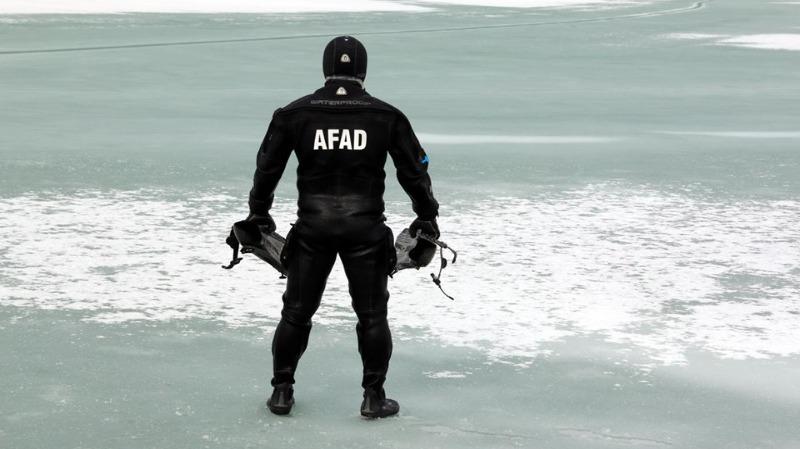
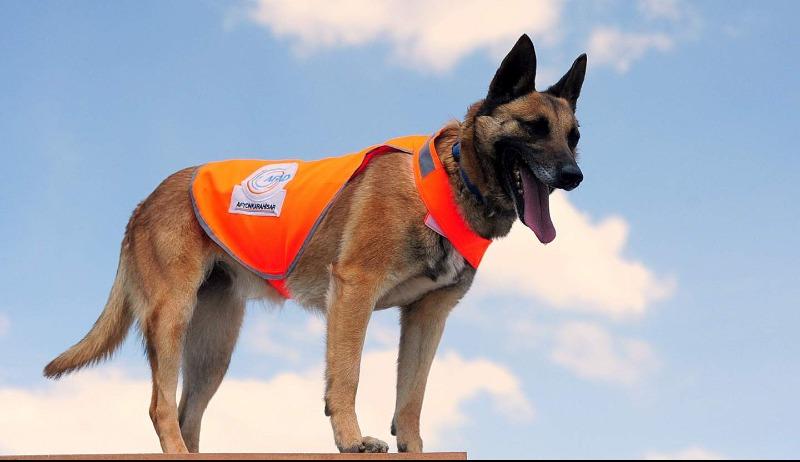
Search and rescue teams must operate quickly and effectively to save human lives during disasters. These teams acquire professional skills through training organized by AFAD and other relevant institutions. Teams typically consist of various groups such as Fire Services Gendarmerie Health Units Unmanned Aerial Vehicles (UAVs) and marine search and rescue teams. Moreover each team is trained in specialized techniques and tactics suited to different disaster scenarios. AFAD organizes search and rescue training nationwide to teach both local teams and volunteers how to act during such critical moments. Advanced technological equipment such as search dogs robots and UAVs are important tools that enhance the effectiveness of these teams.
Each type of disaster presents unique conditions and challenges. Therefore search and rescue teams employ different techniques depending on the disaster type. For example during a earthquake when buildings collapse and people are trapped under rubble search dogs acoustic listening devices and radar systems are used. In floods and other water inundations boats and diving teams are deployed. In fires fire services use water-based search methods in conjunction with other units. Each disaster type requires teams to be equipped with different tools. AFAD ensures that teams are provided with the necessary vehicles and equipment to remain effective in all situations.
class=\
class=\
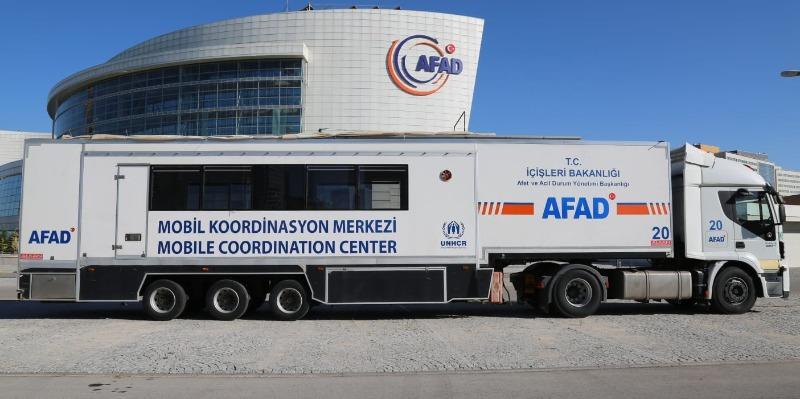
The equipment used in search and rescue operations is critical for rapid and effective intervention. AFAD employs a wide range of vehicles and tools for disaster response. These include mobile command centers rescue vehicles medical units and transportation vehicles. These assets facilitate rapid access to disaster zones and support the work of local response teams.
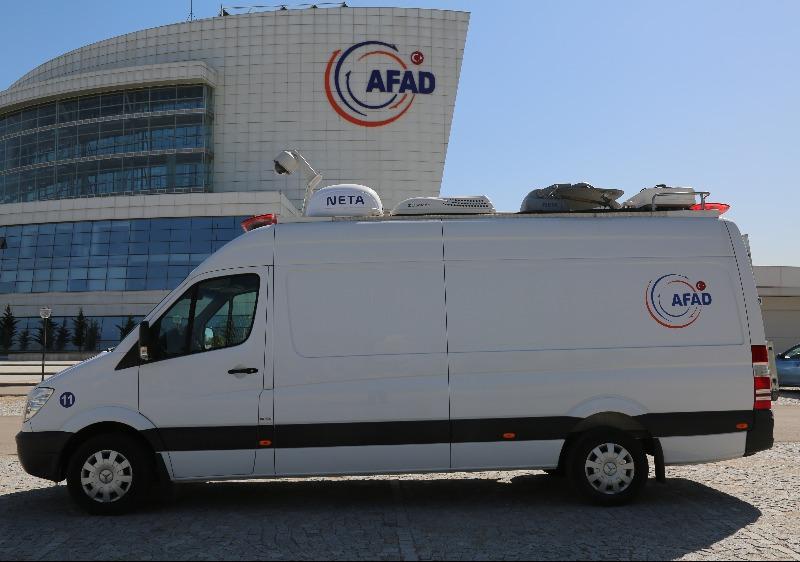
Mobile command centers are used to coordinate between AFAD and other relevant institutions in the disaster area. Equipped with communication systems these centers monitor developments in real time and issue necessary directives.
class=\
Rescue vehicles are actively used during disasters such as earthquakes fires and floods. These vehicles serve both to transport equipment and to provide on-site first aid. AFAD deploys these vehicles to disaster zones to accelerate rescue operations.
UAVs assist ground teams by conducting aerial surveillance in hard-to-reach areas. This technology is used to locate individuals trapped under collapsed buildings or lost in forested areas. AFAD effectively utilizes drone technology to perform imaging and mapping operations more rapidly.
class=\
Türkiye engages in international cooperation on disaster management sharing its own experiences with other countries. AFAD participates in international search and rescue operations and enhances Türkiye’s global capacity for disaster management. Humanitarian Aid and Search and Rescue Units conduct operations under AFAD’s leadership during major disasters abroad. Particularly in major disasters such as the 2011 Van earthquake and the 2010 Haiti earthquake AFAD’s rescue efforts served as a clear indicator of Türkiye’s international disaster response capability.
"Afet ve Acil Durum Haberleşmesi." HGM, Accessed May 16, 2024.https://hgm.uab.gov.tr/afet-ve-acil-durum-haberlesmesi
"Kesintisiz ve Güvenli Haberleşme Sistemi." AFAD, Accessed May 16, 2024.https://www.afad.gov.tr/kesintisiz-ve-guvenli-haberlesme-sistemi

No Discussion Added Yet
Start discussion for "Communication in Disasters" article
Primary Objectives of Disaster and Emergency Communication
Technological Solutions for Continuous and Secure Communication During Disasters
Disaster Communication in Türkiye
Structure Training and Techniques of Search and Rescue Teams
Equipment and Mobile Command Centers
Rescue Vehicles and UAVs
AFAD’s International Cooperation and Interventions