


This article was automatically translated from the original Turkish version.
Film Title | How Do You Live? | ||||||||
|---|---|---|---|---|---|---|---|---|---|
Director(s) | Hayao Miyazaki | ||||||||
Screenwriter(s) | Hayao Miyazaki | ||||||||
Producer(s) | Toshio Suzuki | ||||||||
Cinematographer(s) | Atsushi Okui | ||||||||
Editing | Takeshi Seyama | ||||||||
Music(s) | Joe Hisaishi | ||||||||
Production Company | Studio Ghibli | ||||||||
Release Date(s) | 14 July 2023 | ||||||||
Duration | 124 minutes | ||||||||
Country | Japan | ||||||||
Language(s) | Japanese | ||||||||
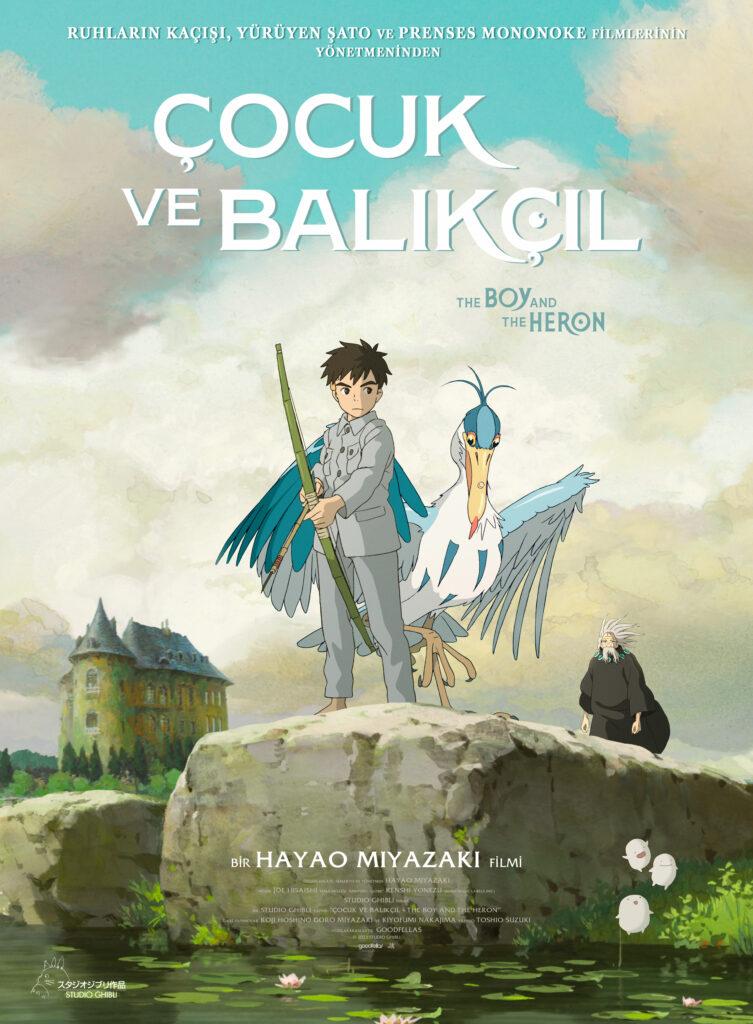
The Boy and the Heron (Kimitachi wa Dō Ikiru ka, "How Should We Live?") is a 2023 Japanese animation fantasy film written and directed by Hayao Miyazaki and produced by Studio Ghibli. Inspired by Genzaburō Yoshino’s 1937 novel of the same title, Film it is not a direct adaptation. Released in Türkiye on 14 July 2023, the film reached a wide international audience and received widespread critical acclaim.
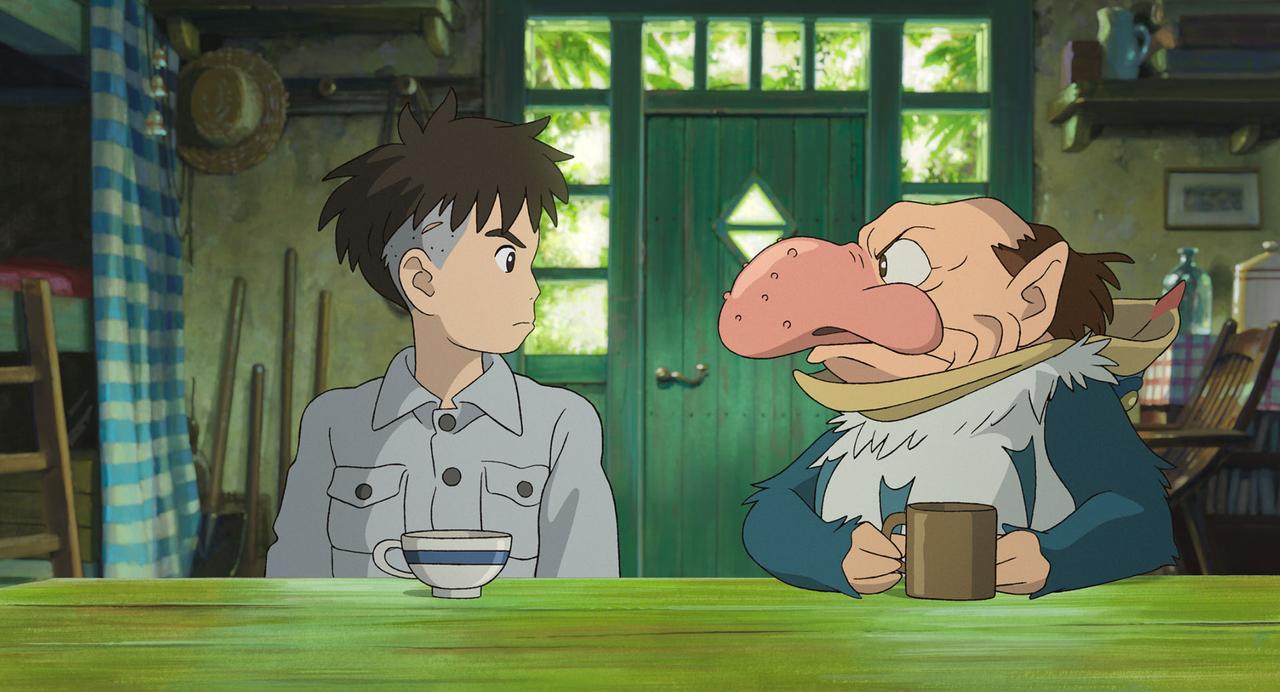
Still from The Boy and the Heron
The film tells the story of Mahito Maki, a boy who moves to a rural area after losing his mother during World War II. Struggling to adapt to his father’s new marriage and build a new life, Mahito discovers an abandoned tower and is led by a talking grey heron into a magical realm. The film centers on Mahito’s efforts to cope with the trauma of war, his personal growth, and the transformative power of love.
The narrative contains autobiographical elements drawn from Miyazaki’s own experiences. Descriptions of Japan during the war period add a profound historical depth to the story.
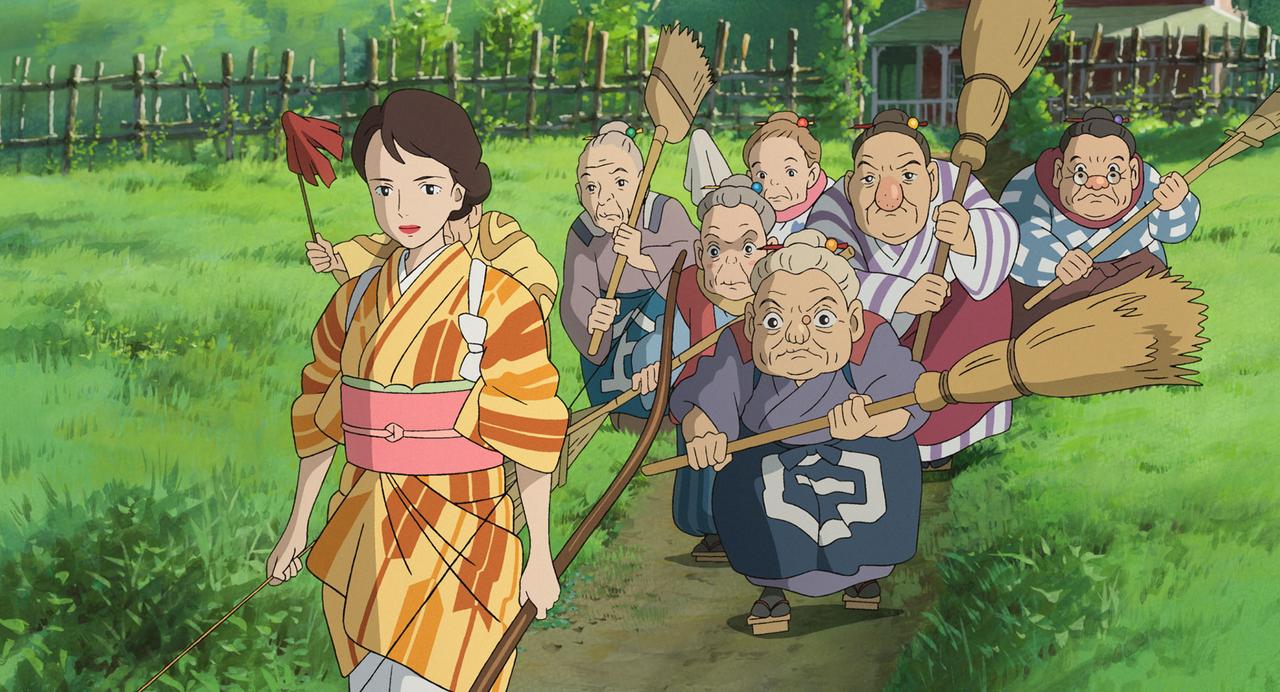
Still from The Boy and the Heron
Although Hayao Miyazaki announced his retirement in 2013, he worked on a short film titled Boro the Caterpillar and later decided to make a full-length feature. He completed the initial screenplay in 2016 and began production in 2017, a process that lasted approximately seven years. The COVID-19 pandemic and the meticulous hand-drawn animation required for the film contributed significantly to its extended timeline.
Producer Toshio Suzuki stated that the film is among the most expensive in Japanese cinema history. It has also been noted that Miyazaki conceived the film as a letter to his grandson and included homages to Isao Takahata.
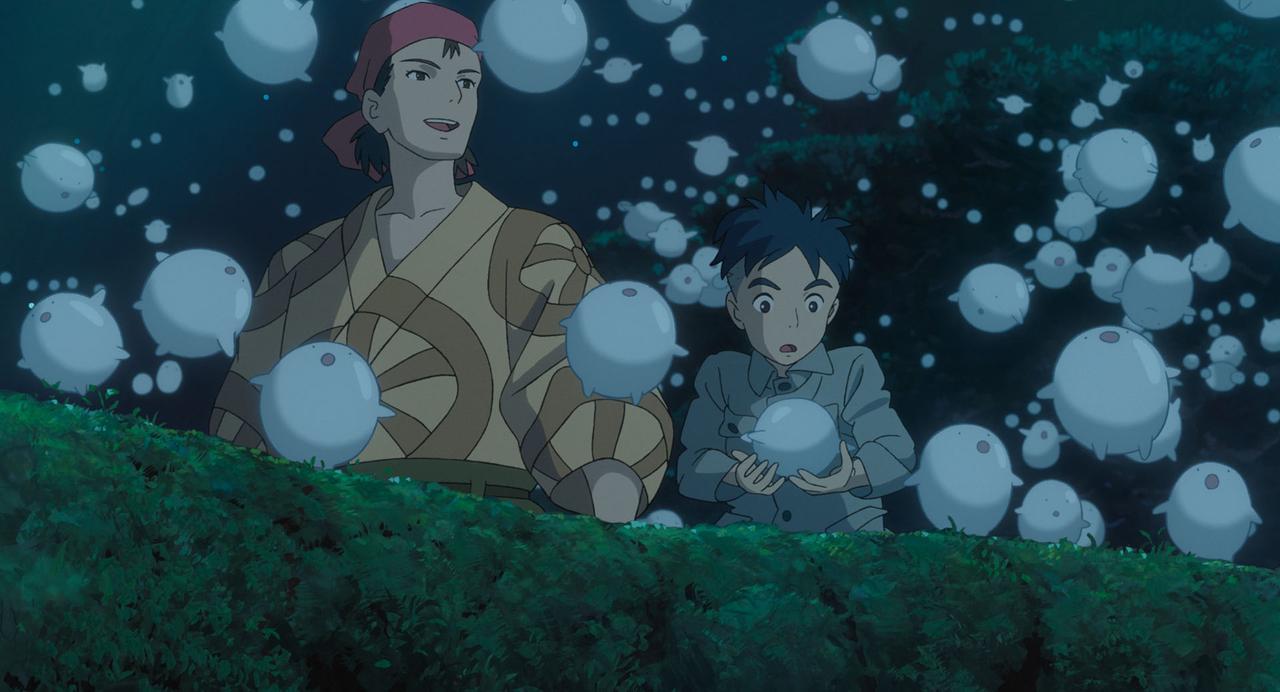
Still from The Boy and the Heron
The film explores universal themes of life and death, personal loss, growth, and reconstruction. The character of Mahito reflects Miyazaki’s childhood memories of wartime Japan, revealing the work’s autobiographical nature. Details such as Mahito’s father working in a factory producing warplanes and the family’s relocation to the countryside reinforce the film’s historical context.
In the film, inner human conflicts and the importance of resilience during difficult times are expressed through symbolic and metaphorical imagery. These themes are examined not only through individual experience but also within a broader social framework.
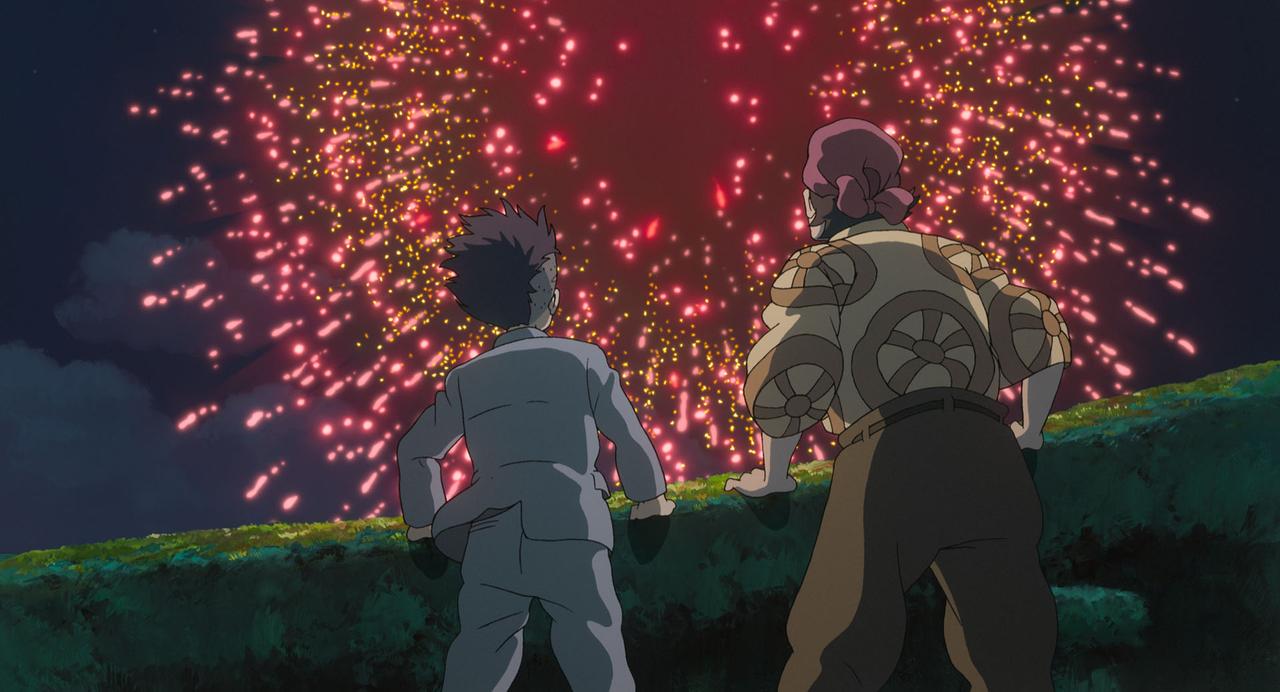
Still from The Boy and the Heron
The film’s score was composed by Joe Hisaishi, Miyazaki’s long-time collaborator. The main theme song, “Chikyūgi” (The Turning Earth), was written and performed by Kenshi Yonezu. Song The song complements both the film’s atmosphere and its thematic structure.
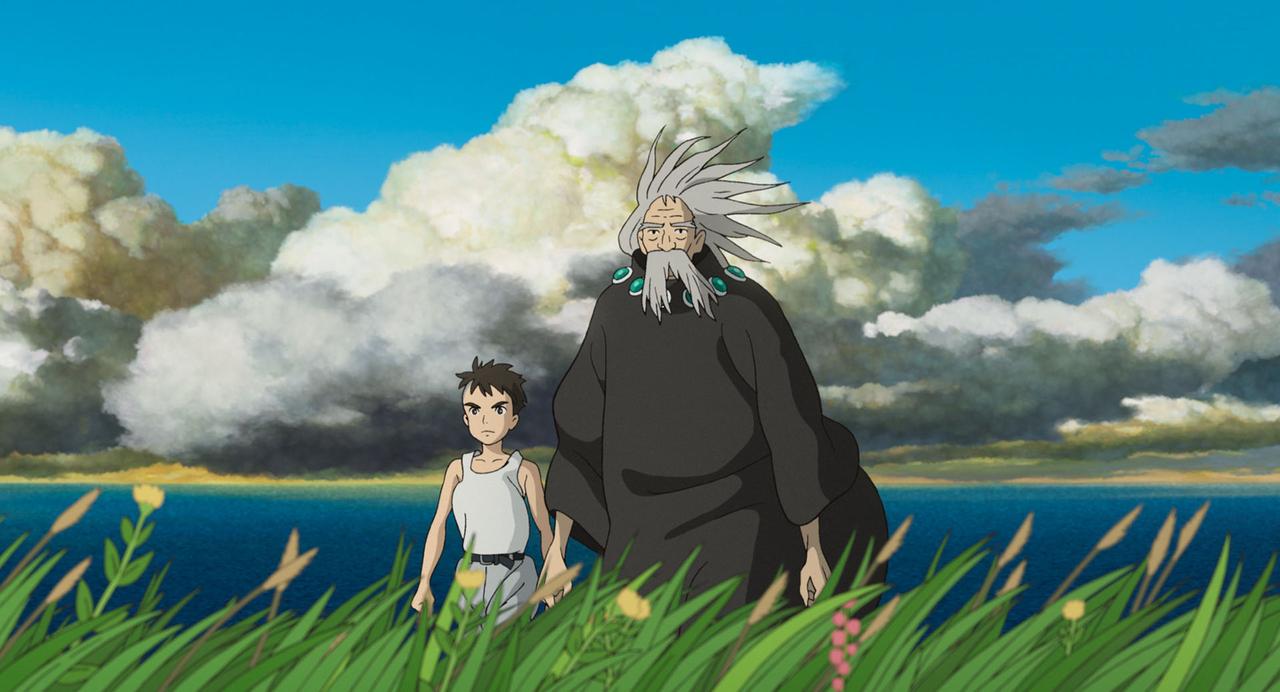
Still from The Boy and the Heron
The film premiered in Japan on 14 July 2023 without any promotional materials. Studio Ghibli chose not to release trailers, visuals, or cast information to allow audiences to experience the film without preconceptions. Despite this strategy, the film achieved significant box office success both in Japan and internationally.
Its international premiere took place at the 2023 Toronto International Film Festival. The film earned $294.2 million worldwide and received nominations for Best Animated Feature at the Oscars, BAFTAs, and Golden Globes.
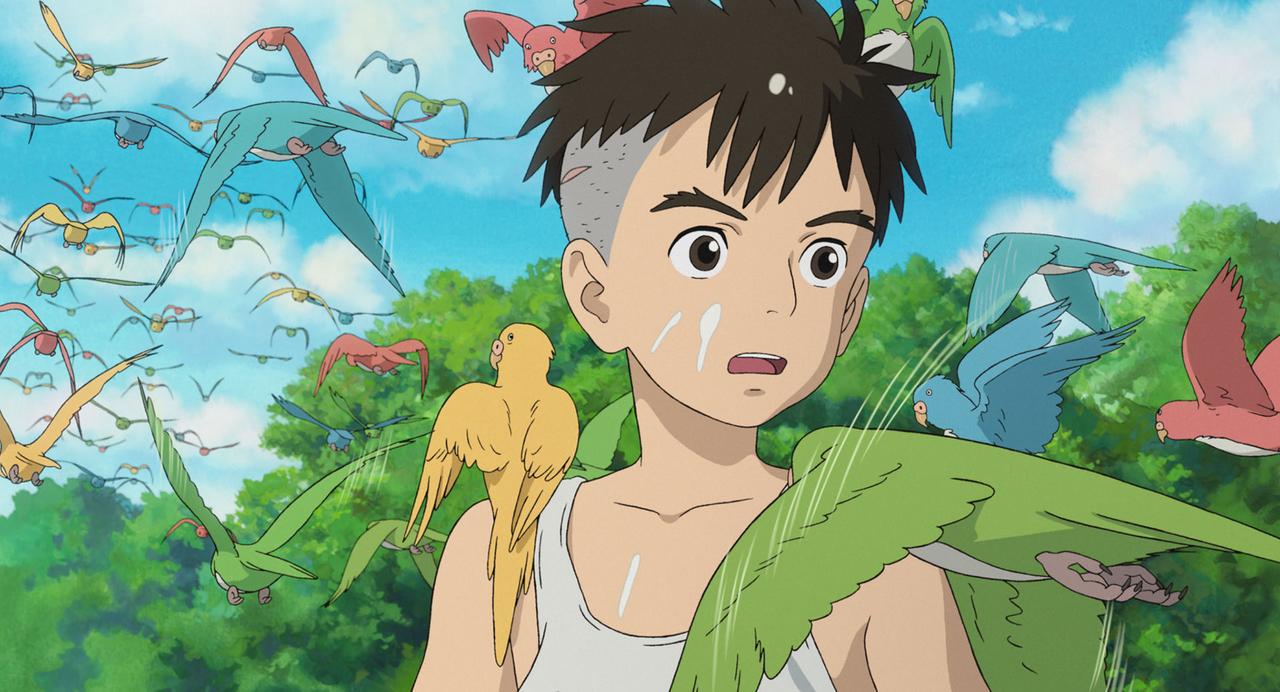
Still from The Boy and the Heron
The Boy and the Heron is a landmark in Hayao Miyazaki’s artistic career, enriched with autobiographical elements. Blending his childhood memories with observations of wartime Japan, the film offers viewers a profound meditation on human nature, resilience, and creative potential. The work draws attention not only through its mastery of animation but also through its layered and multifaceted narrative.
Altyazı. "Çocuk ve Balıkçıl: İnsan Nasıl Yaşar, Yaşamalı? " Accessed January 7, 2025. https://altyazi.net/yazilar/elestiriler/cocuk-ve-balikcil/.
Napier, Susan J. “Themes of War and Loss in Japanese Anime.” Asian Cinema Journal, vol. 12, no. 2, 2001, pp. 77-90.
Studio Ghibli. "Kimi-tachi wa Dō Ikiru ka (How Do You Live?)." Accessed January 7, 2025. https://www.ghibli.jp/works/kimitachi/#frame.
Suzuki, Toshio. “Reflections on Miyazaki’s Creative Process.” The Art of Ghibli Journal, 2023.

Film Title | How Do You Live? | ||||||||
|---|---|---|---|---|---|---|---|---|---|
Director(s) | Hayao Miyazaki | ||||||||
Screenwriter(s) | Hayao Miyazaki | ||||||||
Producer(s) | Toshio Suzuki | ||||||||
Cinematographer(s) | Atsushi Okui | ||||||||
Editing | Takeshi Seyama | ||||||||
Music(s) | Joe Hisaishi | ||||||||
Production Company | Studio Ghibli | ||||||||
Release Date(s) | 14 July 2023 | ||||||||
Duration | 124 minutes | ||||||||
Country | Japan | ||||||||
Language(s) | Japanese | ||||||||
No Discussion Added Yet
Start discussion for "Child and Fisherman" article
Plot
Production Process
Themes
Music
Release and Accolades