


This article was automatically translated from the original Turkish version.
Salvia viridis (Salvia viridis L.) is an annual or biennial plant species belonging to the Lamiaceae (Lamiaceae) family. Native to the Mediterranean region, it is particularly widespread in temperate climate zones. The plant has an herbaceous structure reaching a height of 30–60 cm and is distinguished by its colorful bracts.
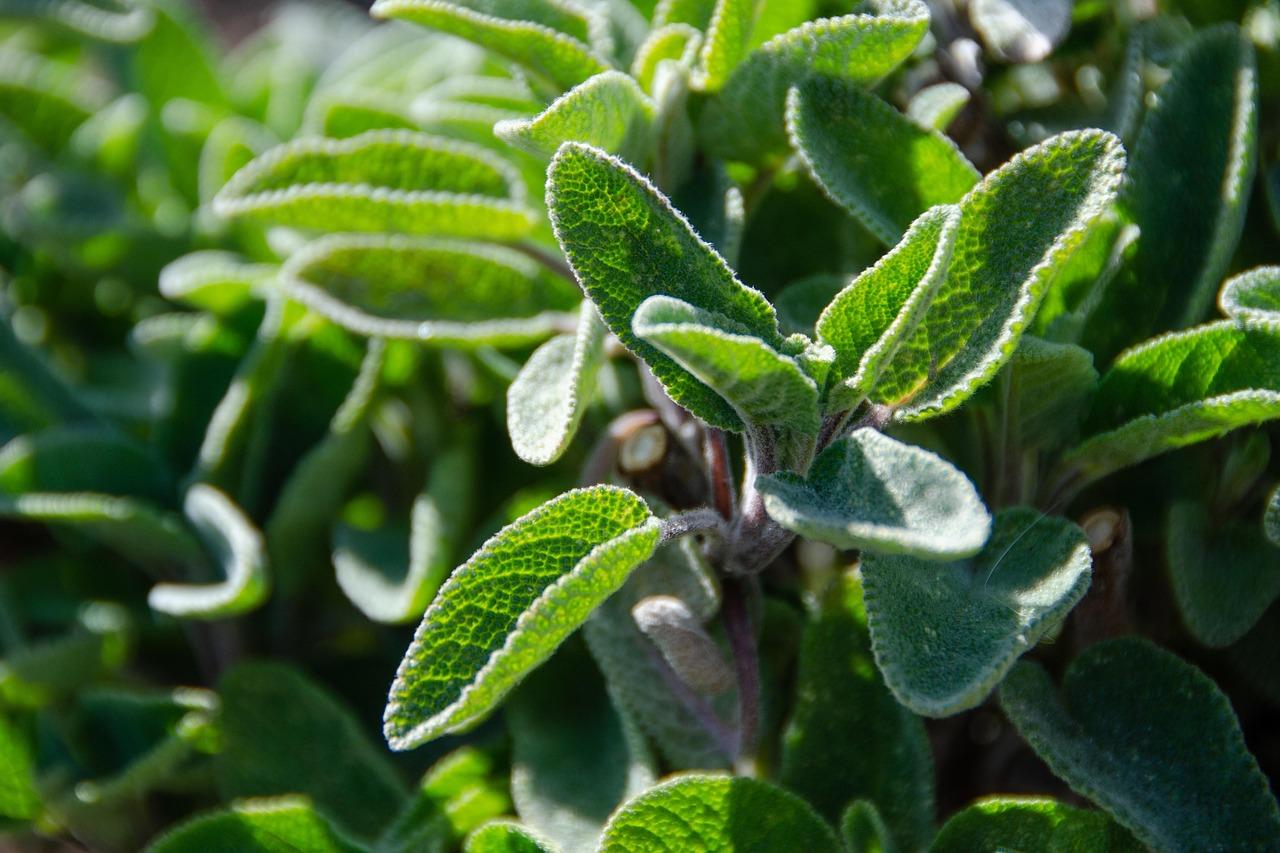
Salvia viridis
Salvia viridis has an upright stem covered with hairs. The leaves are opposite, ovate-lanceolate in shape with toothed margins. The flowers are pale purple to violet and hermaphroditic. Flowering occurs between May and July. The most distinctive feature of the plant is the colorful bracts surrounding the flowers, which play a role in pollination and contribute to its ornamental appearance.
This species is naturally distributed across the Mediterranean basin. In Türkiye, it is especially common in the Aegean, Marmara and Mediterranean regions. It prefers open habitats such as limestone cliffs, dry grasslands and road verges. Although not selective regarding soil type, it exhibits better growth in well-drained sandy-loamy soils.
Salvia viridis contains various bioactive compounds in its leaves and flowers. Phytochemical analyses have identified the following constituents:
Pharmacological studies have confirmed the plant’s antioxidant, antimicrobial and anti-inflammatory properties. In vitro studies have demonstrated that plant extracts exhibit inhibitory effects against pathogens such as Staphylococcus aureus and Escherichia coli.
In traditional Anatolian medicine, Salvia viridis has been used to treat digestive disorders and as a wound-healing agent. Today, it is primarily used as a culinary spice and herbal tea.
Salvia viridis is a seed-propagated plant. The ideal sowing periods are spring (March–April) or autumn (September–October). Seeds can be sown directly into the soil either by broadcasting or in rows. Row spacing should be maintained at 30–40 cm. Although the plant is drought-tolerant, regular irrigation can enhance yield.
Doğan, H. (2025). *Phlomis calba*. *Kocaeli Bitkileri*. Accessed August 5, 2025. https://kocaelibitkileri.com/content/phlomis-calba/
Sarıkaya, A. G., & Fakir, H. (2017). Göynük yöresinde (Antalya) yetişen *Phlomis leucophracta* P. H. Davis & Hub.-Mor. ve *Phlomis lycia* D. Don türlerinin yaprak ve çiçeklerine ait uçucu bileşenler. *Journal of Bartın Faculty of Forestry, 19*(2), 69-73. Accessed August 5, 2025. http://dergipark.org.tr/tr/download/article-file/347546
İşler, M. (2021, January 22). Tıbbi ve aromatik bitkiler. *Topraksiz.com*. Accessed August 5, 2025. https://www.topraksiz.com/adacayi-yetistiriciligi-nasil-yapilir/

No Discussion Added Yet
Start discussion for "Chalba Herb (Salvia viridis L.)" article
Morphological Characteristics
Ecological Distribution and Habitat Preferences
Chemical Composition and Pharmacological Effects
Traditional and Modern Uses
Agricultural Production Techniques