


This article was automatically translated from the original Turkish version.
+2 More
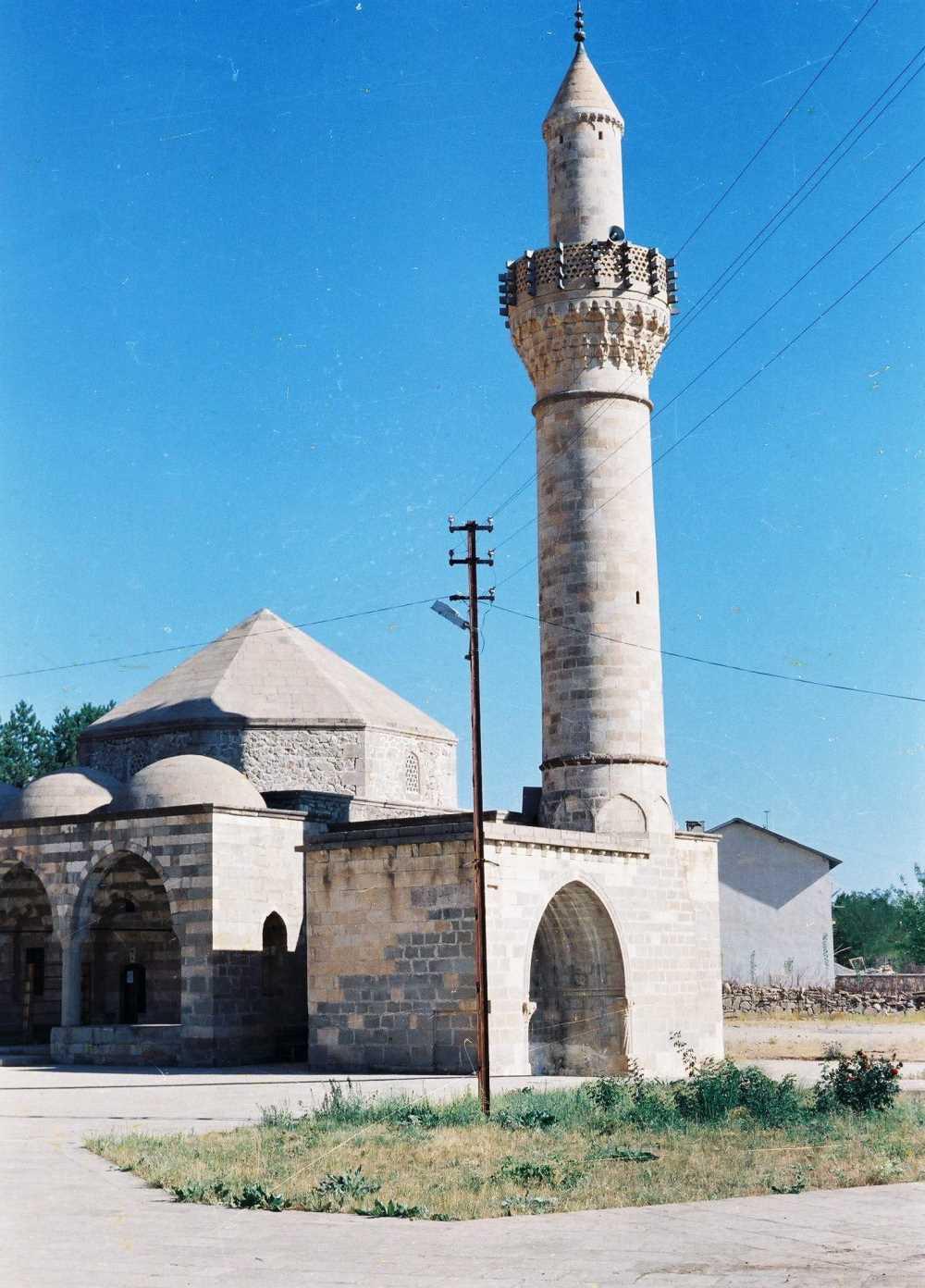
Çelebi Ağa Camii(Kültürportalı)
Location | Pertek district Tunceli province | ||||||||
|---|---|---|---|---|---|---|---|---|---|
Construction Date(s) | Hijri 976 / Gregorian 1569 | ||||||||
Patron | Çelebi Bey son of Ali | ||||||||
Architectural Style | Classical Ottoman | ||||||||
Construction Material | Cut stone, rubble stone | ||||||||
Plan Features | Eyvani fountain arrangement Single-dome harim Three-dome final prayer space | ||||||||
Conservation Process | Reconstructed under the supervision of ODTÜ due to the Keban Dam | ||||||||
Current Use | Open for worship and visitation | ||||||||
Çelebi Ağa Camii is one of the significant representatives of 16th-century Ottoman architecture in Eastern Anatolia. The structure was built in line with the increasing administrative and military presence of the Ottoman Empire in the region and also functions as a religious and cultural center. Its founder, Çelebi Ali Bey, served as the sanjakbey of Pertek and undertook various construction activities for the development of the area. This mosque is named after him and is directly attributed to him through an inscription.
The inscription on the entrance door, carved in Arabic script, states that the mosque was constructed in Ramadan 976 AH (1569 CE) by Çelebi Bey bin Ali. This date corresponds to the peak period of classical Ottoman architecture and confirms that the structure was built in accordance with the architectural sensibilities of its time.
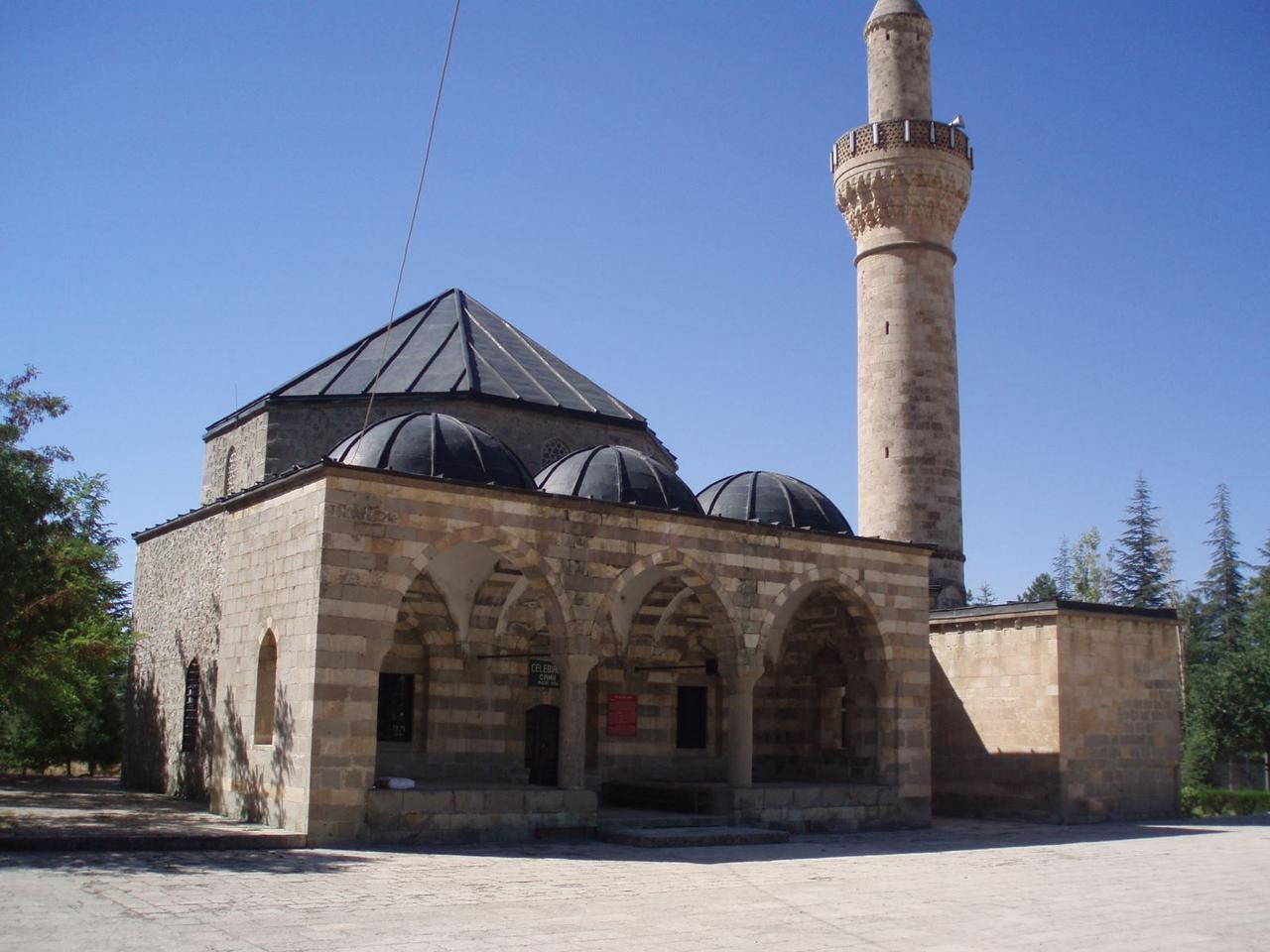
Çelebi Ağa Camii (Kültürportalı)
Çelebi Ağa Camii follows the traditional Ottoman mosque plan featuring a single-domed prayer hall and a three-domed congregational space. The structure was built using a combination of cut stone and rubble stone.
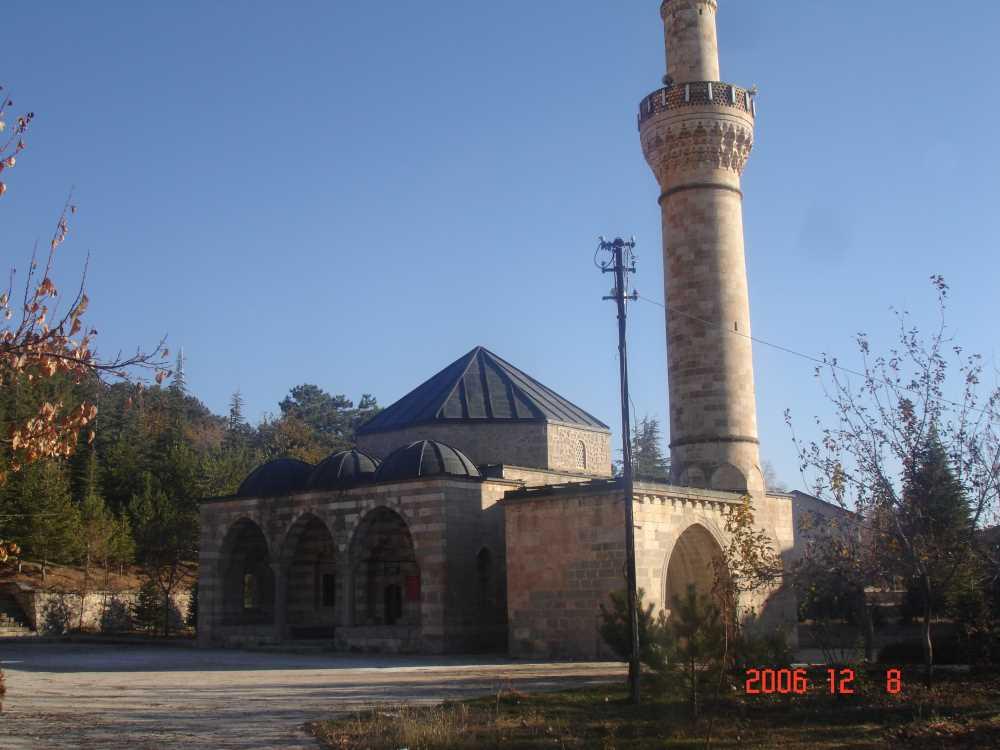
Çelebi Ağa Camii (Kültürportalı)
During the 1970s, parts of Pertek district faced the risk of submersion due to the construction of the Keban Dam. To preserve Çelebi Ağa Camii, each stone was numbered, carefully dismantled, and relocated above the water level under the supervision of the Restoration Department of Middle East Technical University (METU). The structure was reconstructed at its new location faithfully adhering to its original plan and material arrangement. In this regard, the mosque is one of the few historical mosques in Türkiye relocated due to dam projects.
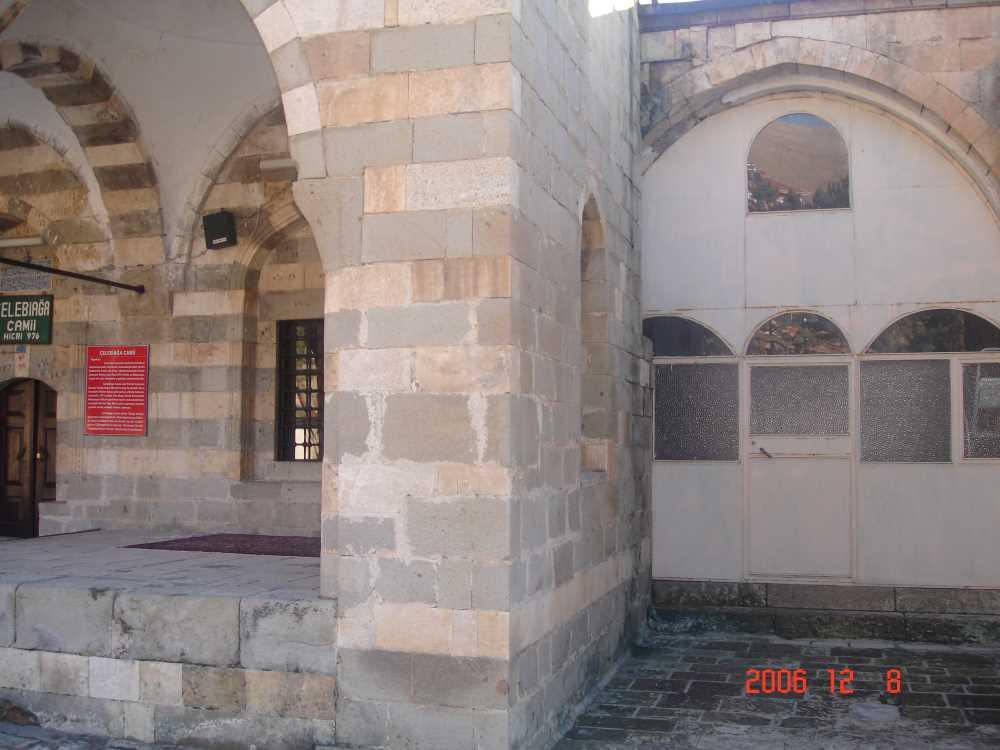
Çelebi Ağa Camii (Kültürportalı)
The minaret, fountain, dome transitions, and stonework elements of Çelebi Ağa Camii reflect a synthesis of classical Ottoman architecture with local stone craftsmanship. The use of two-colored stones is notable both aesthetically and technically. The fountain, with its eyvan form and arched niches, fulfills a public function that supports its environmental context.
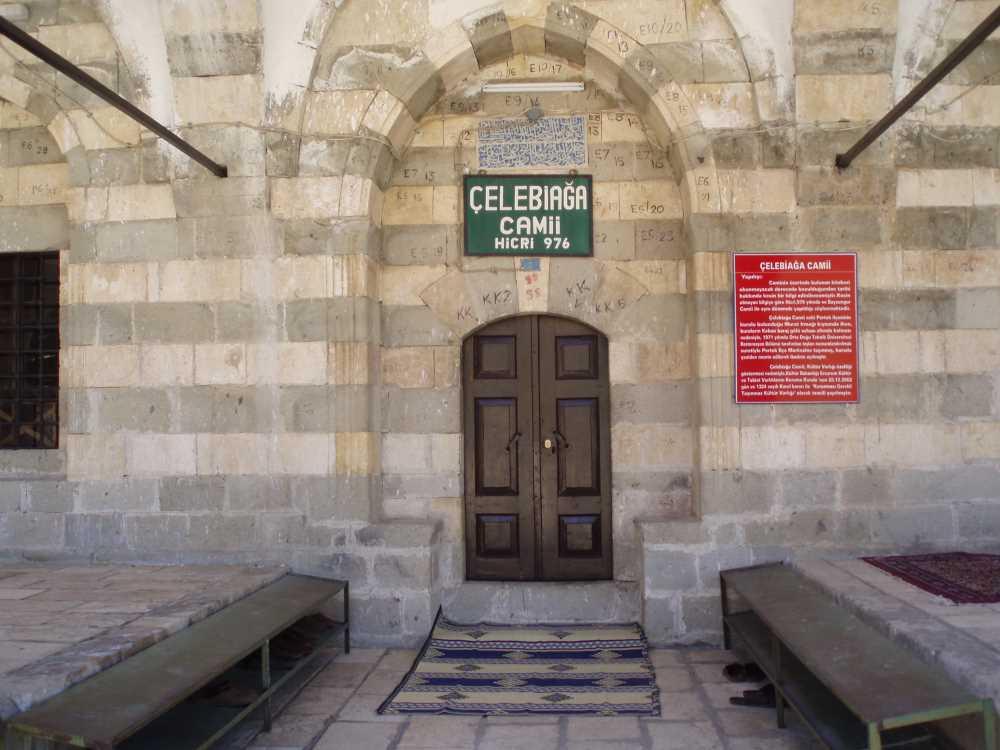
Çelebi Ağa Camii (Kültürportalı)
Today, the mosque is located in the center of Pertek district and remains open for worship. It is regarded as a cultural landmark attracting both local and international visitors. Furthermore, the preservation of its architectural integrity and its continued functional use represent a successful example of cultural heritage management in the region.
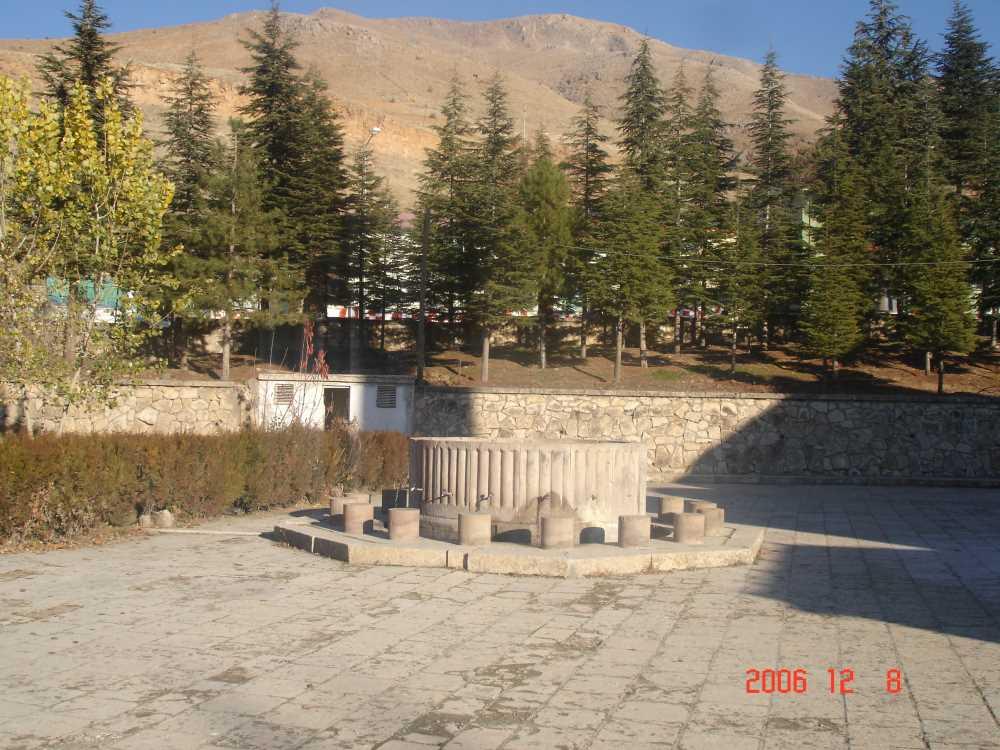
Çelebi Ağa Camii (Kültürportalı)
T.C. Ministry of Culture and Tourism. “Çelebi Ağa Camii.” Kültür Portalı. Accessed July 15, 2025.https://www.kulturportali.gov.tr/turkiye/tunceli/gezilecekyer/celebi-aga-camii
T.C.Tunceli İl Directorate of Culture and Tourism. "Cami ve Türbeler." Accessed July 15, 2025.https://tunceli.ktb.gov.tr/TR-57264/cami-ve-turbeler.html
T.C.Tunceli İl Directorate of Culture and Tourism. "Pertek." Accessed July 15, 2025.https://tunceli.ktb.gov.tr/TR-57258/pertek.html
Çelebi Ağa Camii(Kültürportalı)
Location | Pertek district Tunceli province | ||||||||
|---|---|---|---|---|---|---|---|---|---|
Construction Date(s) | Hijri 976 / Gregorian 1569 | ||||||||
Patron | Çelebi Bey son of Ali | ||||||||
Architectural Style | Classical Ottoman | ||||||||
Construction Material | Cut stone, rubble stone | ||||||||
Plan Features | Eyvani fountain arrangement Single-dome harim Three-dome final prayer space | ||||||||
Conservation Process | Reconstructed under the supervision of ODTÜ due to the Keban Dam | ||||||||
Current Use | Open for worship and visitation | ||||||||
Construction Date and Inscription Information
Architectural Planning and Structural Features
Relocation Process: Conservation and Restoration Intervention
Artistic and Symbolic Value
Current Location and Function