


This article was automatically translated from the original Turkish version.
Carpet tile carpet is a modular flooring solution consisting of square or rectangular sections produced in standard sizes (typically 50x50 cm or 60x60 cm). These tiles offer a practical flooring option that is easy to install, replace, and maintain. They are widely preferred in high-traffic areas such as commercial spaces, offices, hotels and educational institutions gibi. Carpet tiles are important elements in modern interior design due to their aesthetic appeal, acoustic performance and design flexibility.
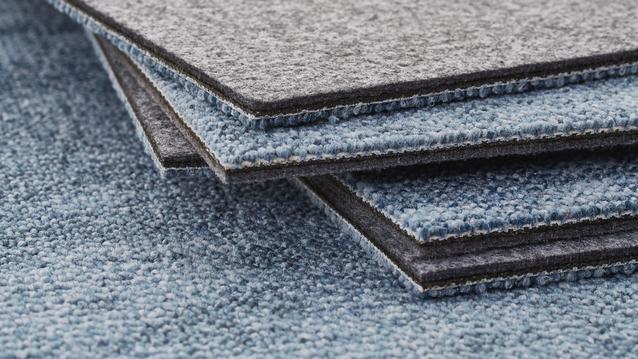
Carpet Tile
Carpet tiles emerged in Europe in the 1950s. Initially developed for industrial and commercial applications, these products later gained popularity in the residential sector. Their modular structure provided design and installation flexibility, enabling rapid adoption across markets.
1. Modular Design
Thanks to their modular design, carpet tiles can be easily installed and replaced section by section when needed. This feature allows for quick and cost-free renewal of damaged or soiled areas, especially in high-traffic zones.
2. Design Flexibility
With a wide range of colors, textures and patterns, carpet tiles impart a unique aesthetic to any space. Combinations of different tiles can be used to create custom designs and motifs.
3. Acoustic Performance
Carpet tiles offer high performance in sound insulation. In open-plan office environments, they reduce noise levels and contribute to a more comfortable working environment.
4. Easy Maintenance and Cleaning
Thanks to their modular structure, stained or damaged tiles can be easily removed and replaced. General cleaning is also practical; regular vacuuming and periodic professional cleaning help maintain their original appearance.
5. Environmentally Friendly Options
Many manufacturers produce environmentally friendly carpet tiles using recycled materials. This makes them an important choice for organizations with sustainability goals.
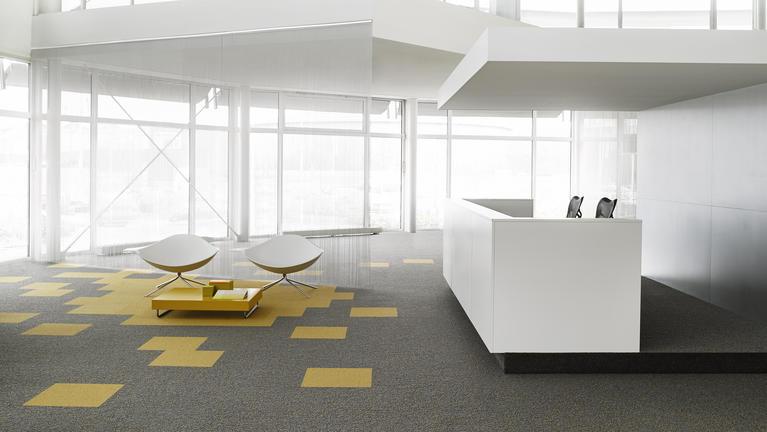
Carpet Tile
Loop Pile Carpet Tiles
These tiles feature yarns looped to form a surface that is durable against heavy foot traffic and easy to clean. Their flat surface makes them ideal for commercial spaces.
Cut Pile Carpet Tiles
These tiles have cut yarn ends that create a soft, plush surface. They are preferred in spaces where comfort and a luxurious appearance are prioritized.
Tip Sheared (Cut and Loop Pile Combination) Carpet Tiles
These tiles combine both cut and loop pile weaving techniques to offer textural and visual variety.
Many carpet tile manufacturers adopt environmentally friendly practices in their production processes. By using recycled yarns and materials, they aim to reduce their carbon footprint. Additionally, programs have been developed to recycle tiles at the end of their useful life.
Carpet tiles are modern flooring solutions that combine aesthetics and functionality. Their modular structure, design flexibility, acoustic performance and easy maintenance make them an ideal option for both commercial and residential spaces. When properly selected and installed, they add value to spaces and can be used for many years.
Ünal, Mehmet. "Karo Halıların İç Mekân Tasarımındaki Rolü." İç Mimarlık Dergisi 12, no. 4 (2019): 45–52. Özkan, Ayşe. "Zemin Kaplamalarında Modüler Çözümler ve Karo Halı Uygulamaları." Yapı ve Teknoloji Dergisi 8, no. 2 (2020): 30–38. Kadolph, Sara J. Textiles. 11th ed. New Jersey: Pearson Prentice Hall, 2007. TSE (Türk Standartları Enstitüsü). TS 9669 Tekstilli Yer Döşemeleri – Karo Halılar – Özellikler. Ankara: TSE, 2017. Erdoğan, Selim. "Ofis Mekânlarında Akustik Konfor ve Karo Halı Seçimi." Akustik ve Ses Dergisi 5, no. 1 (2018): 22–29. Carpet Institute of Australia Limited. Carpet Tiles: Installation and Maintenance Guidelines. Melbourne: Carpet Institute of Australia, 2018. Interface Inc. Sustainability Report. Atlanta: Interface Inc., 2020. BRE Global. Environmental Profile of Carpet Tiles. Watford: BRE Press, 2015. International Organization for Standardization (ISO). ISO 14001 Environmental Management Systems. Geneva: ISO, 2015. TEGE Carpet. Karo Halı Ürün Kataloğu. İstanbul: TEGE Carpet Yayınları, 2021.

History of Carpet Tiles
Features of Carpet Tiles
Applications of Carpet Tiles
Types of Carpet Tiles
Installation and Application Process
Maintenance and Cleaning Recommendations
Advantages and Disadvantages of Carpet Tiles
Advantages:
Disadvantages:
Carpet Tiles from an Environmental and Sustainability Perspective