


This article was automatically translated from the original Turkish version.
+1 More
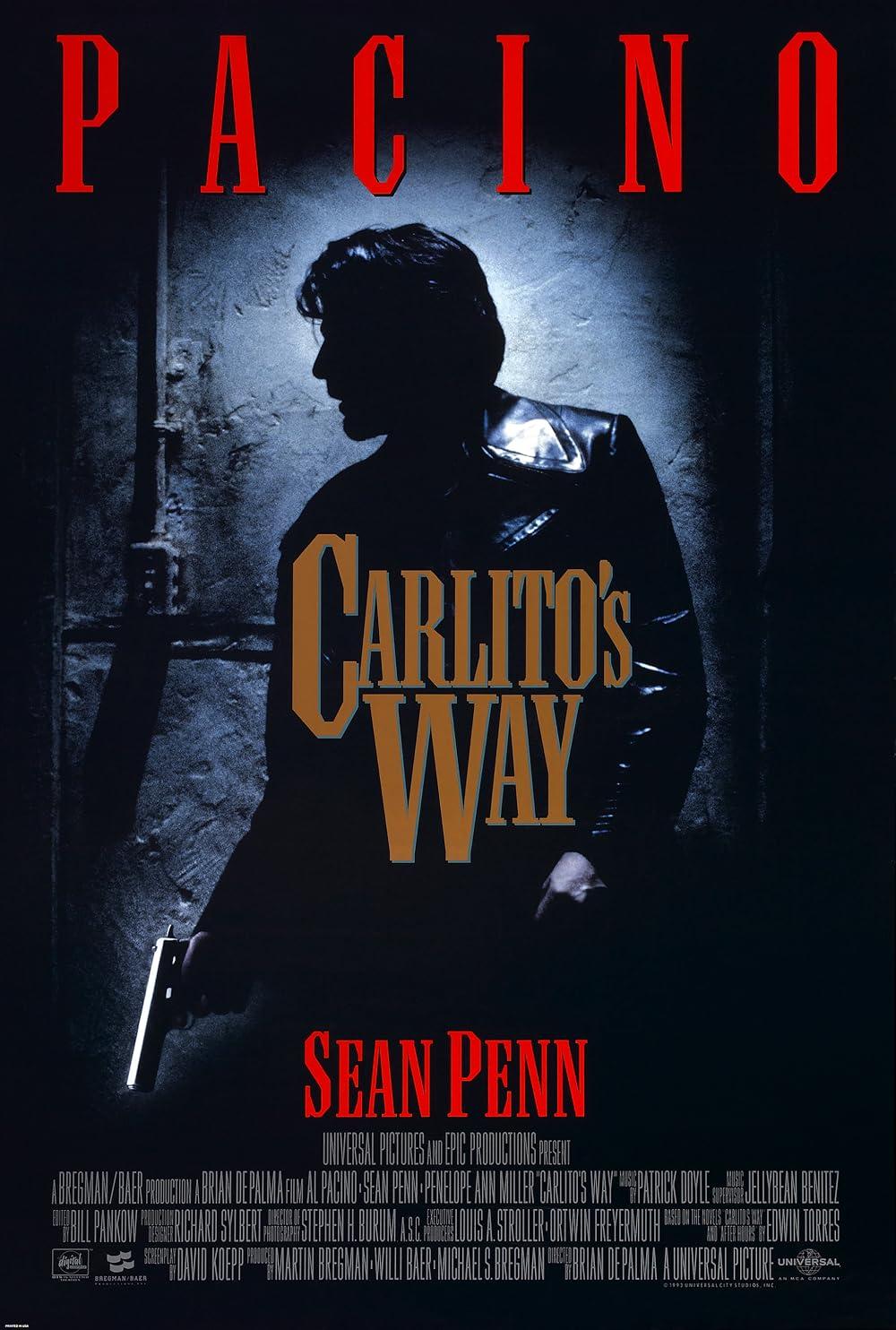
Carlito’s Way
Original Name | Carlito's Way | ||||||||
|---|---|---|---|---|---|---|---|---|---|
Director | Brian De Palma | ||||||||
Screenplay | David Koepp | ||||||||
Adaptation | Adapted from the novel by Edwin Torres | ||||||||
Actor | Sean Penn (David Kleinfeld) Penelope Ann Miller (Gail) Al Pacino (Carlito Brigante) | ||||||||
Genre | Drama Crime | ||||||||
Production Year | 1993 | ||||||||
Music | Patrick Doyle | ||||||||
Brian De Palma’s 1993 film Carlito’s Way (Carlito’s Way) adheres to the classic narrative structures of crime cinema while distinguished by its character-driven depth.
Shaped by Al Pacino’s performance as Carlito Brigante, the film explores the inner conflicts and corrupt relationships surrounding a former drug baron who seeks to escape the criminal world.
Adapted from the novels of the same name by Edwin Torres, the film contributes to both the cinematic sensibilities of its era and the gangster genre through its dramatic structure, stylized direction and powerful storytelling. Completed with De Palma’s technical mastery and Patrick Doyle’s atmospheric score, the film has attained cult status and become one of the most significant examples of crime cinema.
Set in the late 1970s, the film tells the story of Carlito Brigante, a Puerto Rican former drug baron who, after being released from prison, attempts to build a new life away from crime. However, his past and the corrupt individuals around him pull him back into a path of violence and betrayal. The involvement of his closest friend and lawyer, David Kleinfeld, in dark dealings forces Carlito to confront the very past he sought to leave behind.
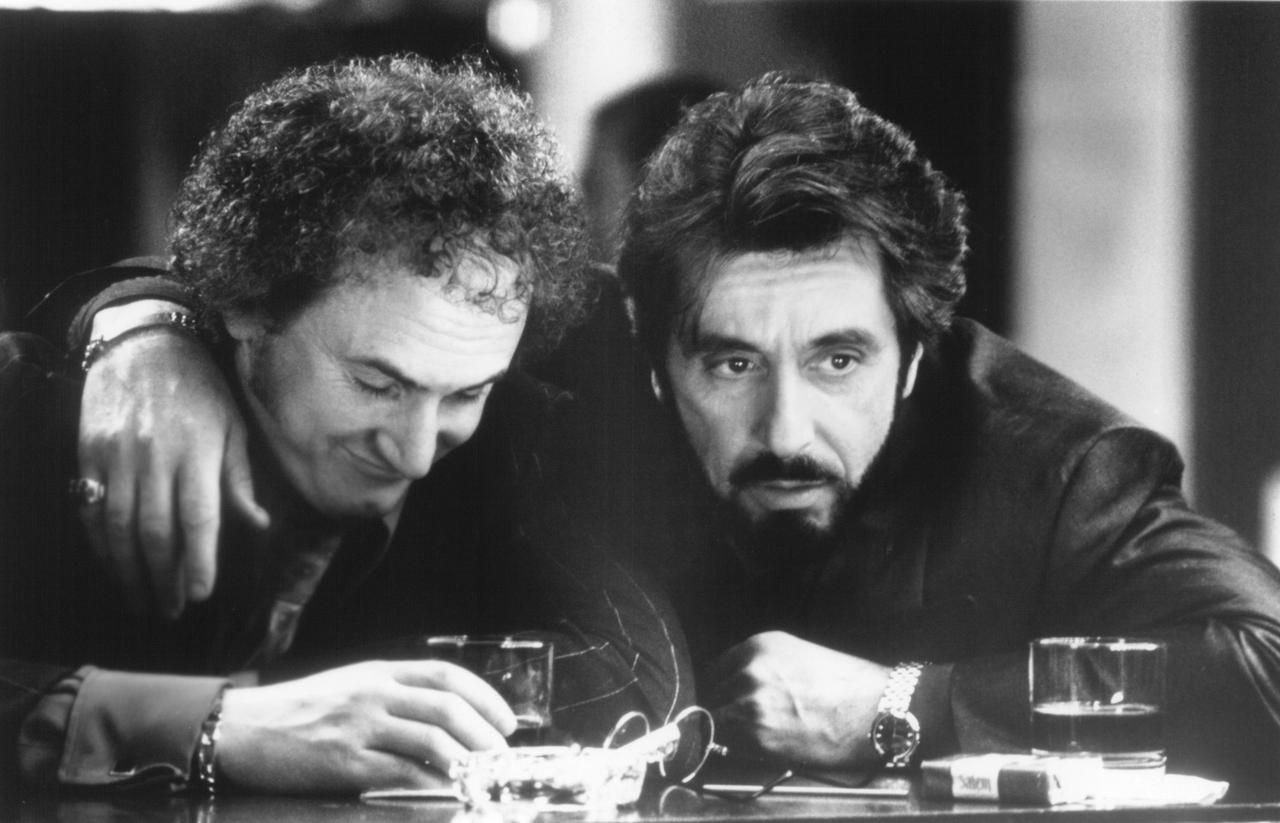
Carlito Brigante and David Kleinfeld (IMDb)
The film was scripted by David Koepp, drawing inspiration from two novels by writer Edwin Torres: Carlito’s Way (1975) and After Hours (1979). Torres’s novels are grounded in his real-life observations of Latin criminal circles in New York. The film freely adapts the plot and characters of these novels to create a dramatic narrative.
Carlito’s Way explores themes such as the desire for personal redemption, loyalty, betrayal, fatalism and the inevitable consequences of crime.
The film employs Carlito’s voice-over narration to present events from within the character’s inner world. This method enhances the film’s approach to noir aesthetics. A tone oscillating between hope and pessimism dominates the narrative.
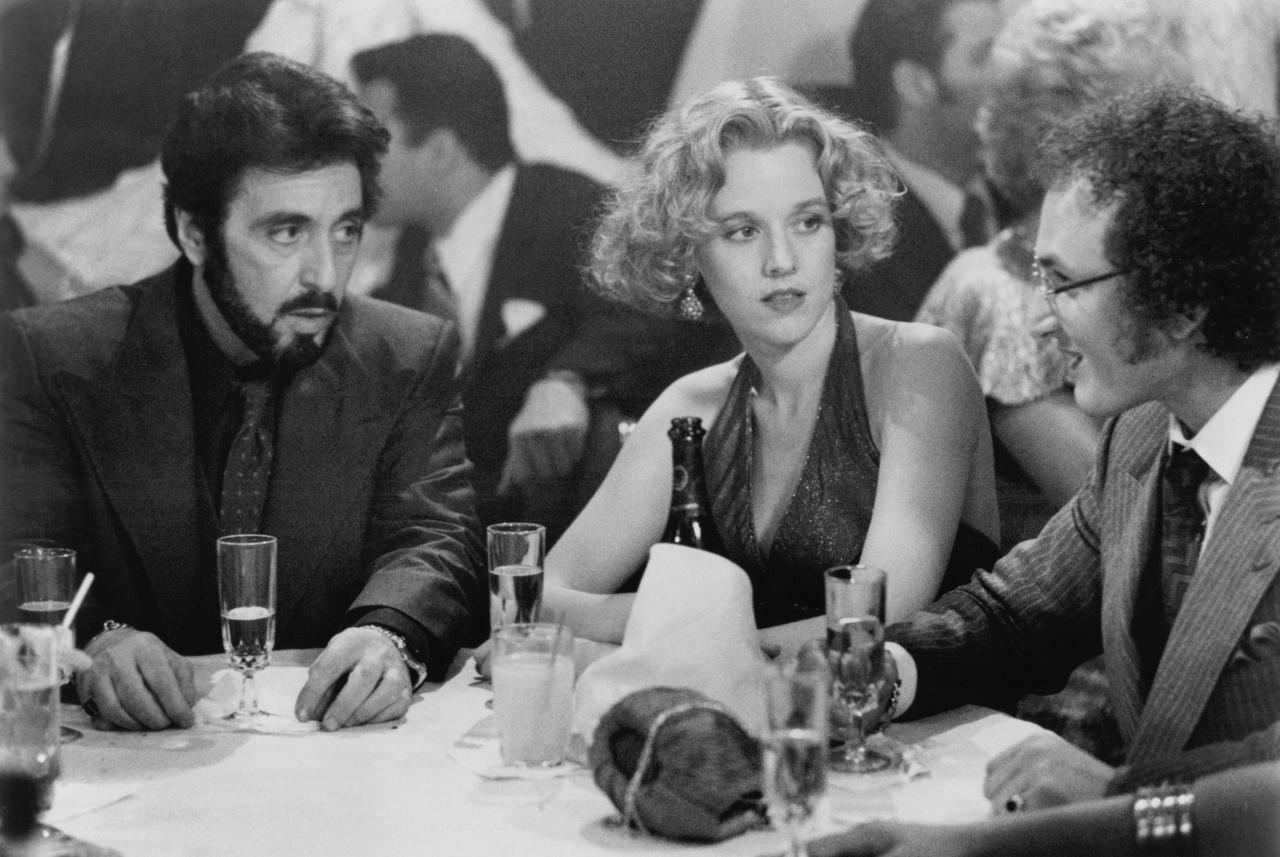
Carlito Brigante, Gail and David Kleinfeld (IMDb)
Brian De Palma skillfully employs his signature directorial techniques in the film, including long takes, tension-filled tracking shots and symmetrical framing. The final sequence at the train station is particularly regarded as one of the most important examples in cinema history for its mastery of suspense. De Palma’s aesthetic of crime cinema in this film blends classical and innovative elements.
Patrick Doyle’s score enhances the film’s emotional tone. Soul, funk and Latin melodies reflecting the spirit of the 1970s are woven into the background throughout the film. These musical elements reinforce both the era’s atmosphere and the characters’ emotional states.
Although the film received mixed reviews upon its release, it has since attained cult status. Al Pacino’s performance was widely appreciated, though some critics found it less impactful when compared to Scarface (1983). In later retrospective assessments, Carlito’s Way has been recognized as one of Brian De Palma’s most mature and dramatic works.
The film is now regarded among the classic works of crime cinema. The character of Carlito Brigante has left a mark on popular culture as a charismatic anti-hero. References to this character and the film appear across many domains, from hip-hop music to video games. Additionally, a prequel titled Carlito’s Way: Rise to Power was released in 2005, though it did not attract the same level of attention as the original film.
Carlito’s Way is regarded as a film that portrays the inner world of crime with a strong dramatic structure, visually striking style and thematic depth. While telling the tragic story of a man caught between the desire to escape crime and the inevitability of fate, it also prompts viewers to reflect on moral and emotional dilemmas.
Beyazperde. "Carlito’s Way." Accessed March 30, 2025.
Ebert, Roger. "Carlito’s Way." RogerEbert.com. Accessed March 30, 2025.
IMDb. Carlito’s Way (1993). Accessed March 30, 2025.
Letterboxd. "Carlito’s Way." Accessed March 30, 2025.
NBCUniversal Wiki. "Carlito’s Way." Fandom. Accessed March 30, 2025.
Rotten Tomatoes. "Carlito’s Way." Accessed March 30, 2025.

Carlito’s Way
Original Name | Carlito's Way | ||||||||
|---|---|---|---|---|---|---|---|---|---|
Director | Brian De Palma | ||||||||
Screenplay | David Koepp | ||||||||
Adaptation | Adapted from the novel by Edwin Torres | ||||||||
Actor | Sean Penn (David Kleinfeld) Penelope Ann Miller (Gail) Al Pacino (Carlito Brigante) | ||||||||
Genre | Drama Crime | ||||||||
Production Year | 1993 | ||||||||
Music | Patrick Doyle | ||||||||
Plot Summary
Adaptation and Source Material
Themes and Narrative Style
Character Analyses
Visual Style and Direction
Music and Atmosphere
Critical Reception and Achievements
Cultural Impact and Legacy