+1 More

Date of birth | 1929-11-09 | ||||||||
|---|---|---|---|---|---|---|---|---|---|
Education | Doctorate from Paris University Académie de la Grande Chaumière Faculty of Law, Ankara University | ||||||||
Date of death | 2013-01-16 | ||||||||
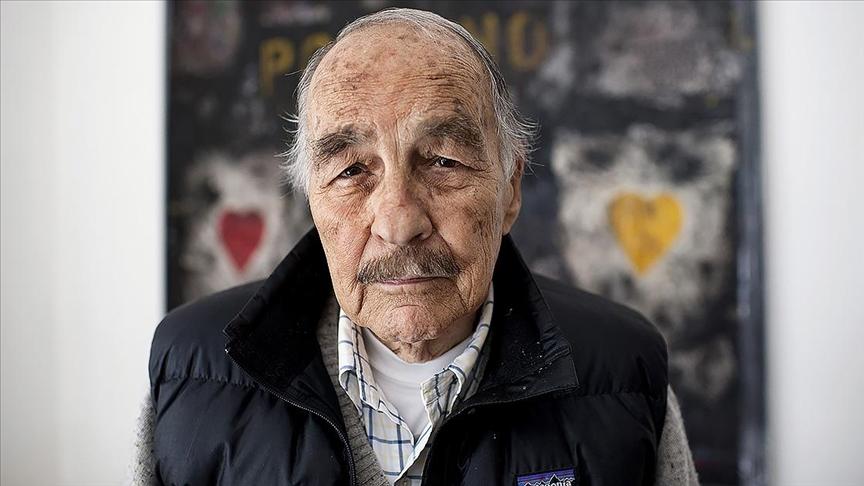
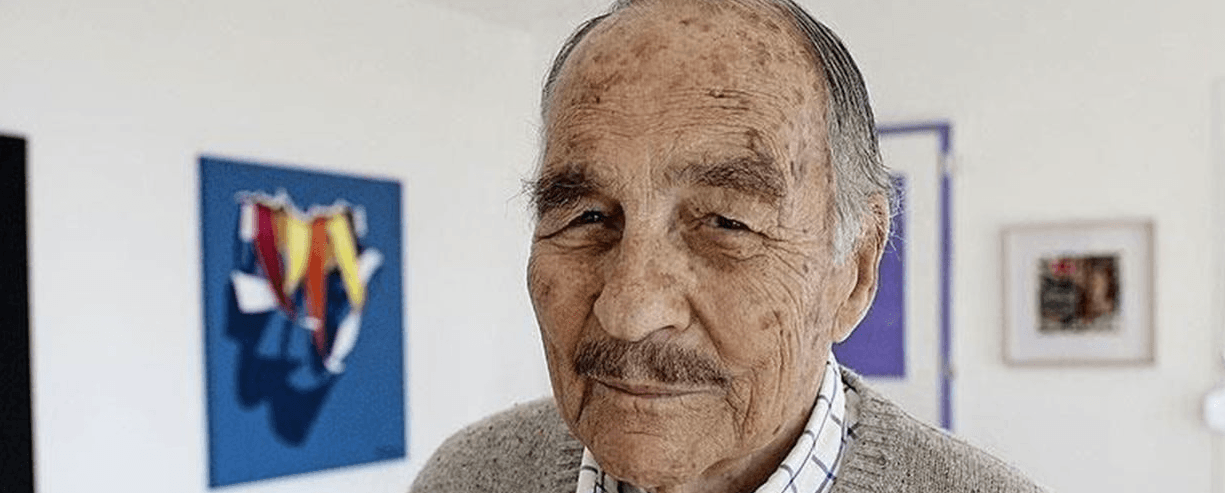
Burhan Doğançay, Türk painter and photographer. He is regarded as one of the most important artists of the 20th century. Doğançay is known for his artistic approach based on urban walls and his abstract expressionist works, and over many years he reflected the traces of various cultures in his art.
Born on 11 September 1929 in Istanbul, Burhan Doğançay was the son of Adil Doğançay, a painter and map officer. His first encounter with art came with the support of his father and the painter Arif Kaptan. After completing his undergraduate education at the Faculty of Law of Ankara University, he went to Paris where he took painting classes at the Académie de la Grande Chaumière and earned a doctorate in economics from the University of Paris.
When Doğançay returned to Ankara in 1955, he organized exhibitions with his father at the Art Enthusiasts Club and held his first solo exhibition in 1956. His move to New York in 1962 marked a turning point in his artistic career, and his acceptance into the Guggenheim Museum in 1964 strengthened his position in the art world.
His interest in wall art began in New York and he became known for his “Walls” series. As part of his “World Walls” project, launched in 1975, he photographed walls in 114 countries; this project was exhibited in Paris in 1982 under the title “Whispering Walls.” In 1986, during the renovation of the Brooklyn Bridge, he took 19 large-format photographs, which were exhibited at New York’s JFK International Airport in 1998.
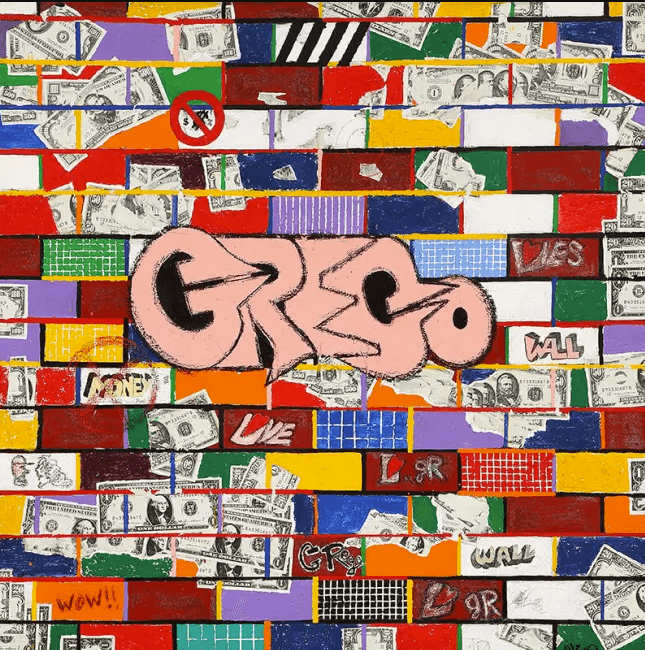
Burhan Doğançay, “Grego Rolling in Dough” – Grego’s Walls Series; 1993 (OGGUSTO)
Doğançay’s artistic work focused on documenting the transformations urban walls underwent over time. The artist examined the layers and traces on walls and reflected the social and cultural shifts they revealed. His “Urban Walls” series has become one of his most renowned works, seen as a reflection of collective memory.
Collage and montage techniques were frequently used in Doğançay’s works. Real urban debris, posters, billboard fragments, and other urban elements were integrated into his compositions.
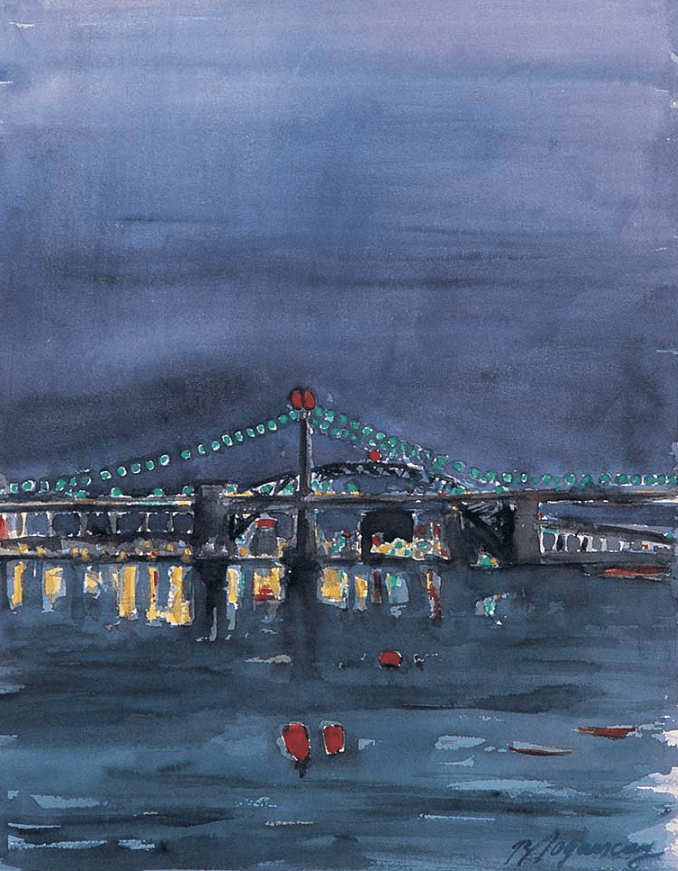
Burhan Doğançay, Evening Lights (İstanbul Sanatevi)
Among his most famous works is “Blue Symphony” (1987). This work was purchased in 2009 by Murat Ülker for 2.2 million Turkish lira and became the most expensive Turkish painting sold between 2005 and 2010.
Additionally, the “Walls V” series represents another turning point in his career, marked by innovative use of graphic and color.
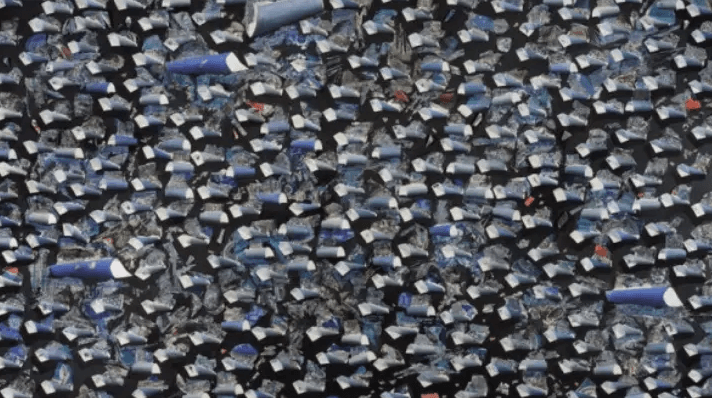
Burhan Doğançay, Blue Symphony (OGGUSTO)
Throughout his artistic career, Burhan Doğançay produced nearly 4,000 works, many of which have been exhibited at major institutions including the British Museum, the Guggenheim Museum, the Metropolitan Museum of Art, and the Pompidou Center. The Doğançay Museum holds the distinction of being Türkiye’s first contemporary art museum. Opened to the public in 2004 in Istanbul’s Beyoğlu district, the museum is housed in a five-story historical building with a history of approximately 150 years. The museum’s core collection consists of works that chronologically trace the artistic journey of Burhan Doğançay, one of the most significant figures in modern Turkish art. This collection spans a fifty-year period, beginning with his early figurative works and extending through his pieces inspired by urban walls and his photographic studies. The permanent exhibitions also include works by the artist’s father, Adil Doğançay.
Since the museum’s opening, Doğançay’s lifestyle—divided between his studios in Istanbul, New York, and Bodrum-Turgutreis—has provided a multifaceted perspective on his creative process. Particularly known for works inspired by urban walls, Doğançay viewed these walls both as repositories of memory and as surfaces reflecting socio-political transformations. His collages, composed of posters and objects collected from walls and unified through his “fumage” technique, as well as his ribbon and cone series, developed unique modes of expression. His ribbon series, developed especially in the 1970s and 1980s, consisted of works based on play of shadows using uniform paper strips, later transformed into three-dimensional sculptures using aluminum materials. In this context, Doğançay’s output encompassed painting, graphic art, sculpture, photography, and wall tapestries. He treated urban walls as an archive documenting the traces of time, social change, and visual expressions left by individuals.
Beyond being an exhibition space, the museum actively engages in art education and social contribution. Since 2005, educational programs conducted in collaboration with the Istanbul Metropolitan Municipality and various sponsoring organizations have organized juried art competitions among primary schools. Each year, approximately 7,000 students aged 8 to 14 from around 1,500 schools participate in these competitions. Students who achieve top rankings have been awarded educational trips to art-centric cities such as Paris in 2006 and London in 2007. The Doğançay Museum aims to foster a love of art among children and youth, encourage artistic expression, and enhance visual literacy through these competitions.
After a long artistic career, Burhan Doğançay passed away in Istanbul on 16 January 2013. Following his will, he was buried at the Karabağ Cemetery in Bodrum-Turgutreis.
"Artists Inspired by Life: Burhan Doğançay." Anadolu Ajansı (AA). Accessed March 10, 2025.https://www.aa.com.tr/tr/kultur-sanat/eserlerinde-yasamdan-beslenen-ressam-burhan-dogancay/2475265
"Burhan Doğançay." Biyografi.net. Accessed March 10, 2025.https://www.biyografi.net/kisi-burhan-dogancay-1244/.
"Burhan Doğançay: Geleneksel Türk Sanatçıları - 1." Wannart. Accessed March 10, 2025.https://wannart.com/icerik/35970-burhan-dogancay-geleneksel-turk-sanatcilari-1.
"Burhan Doğançay: Hayatı, Eserleri ve Bilinmeyenleri." Oggusto. Accessed March 10, 2025.https://www.oggusto.com/sanat/sanatci/burhan-dogancay-hayati-eserleri-ve-bilinmeyenleri.
Demir, Rabia Okt., and Elif Anbarpınar. "Burhan Doğançay Sanatında Kent Duvarları." IV. Uluslararası Türk Dünyası Araştırmaları Sempozyumu, 2017.https://www.academia.edu/33764746/BURHAN_DOĞANÇAY_SANATINDA_KENT_DUVARLARI
TamSanat. "Doğançay Müzesi." TamSanat, April 29, 2020. Accessed April 15, 2025.https://tamsanat.net/dogancay-muzesi/

Date of birth | 1929-11-09 | ||||||||
|---|---|---|---|---|---|---|---|---|---|
Education | Doctorate from Paris University Académie de la Grande Chaumière Faculty of Law, Ankara University | ||||||||
Date of death | 2013-01-16 | ||||||||
Youth and Education
Career and Artistic Life
Artistic Approach
Major Works
Legacy and Doğançay Museum
Death