


This article was automatically translated from the original Turkish version.

Boeing 777 Series
Producer | Boeing Commercial Airplanes | ||||||||
|---|---|---|---|---|---|---|---|---|---|
First Flight | 12 June 1994 | ||||||||
Aircraft Type | Wide-body, twin-engine, long-range passenger aircraft | ||||||||
Engines | GE90, Rolls-Royce Trent 800, Pratt & Whitney PW4000 | ||||||||
Widest Model (777-300ER) | 396 passenger capacity, ~13,650 km range | ||||||||
Longest Range Model | 777-200LR – ~15,843 km | ||||||||
New Generation Variant | 777X – Foldable wingtips, advanced aerodynamics | ||||||||
Material Used in Fuselage | Aluminum alloys, titanium and composite materials | ||||||||
Flight Control System | Fly-by-wire (electronic flight control system) | ||||||||
Prominent Application Area | International long-range passenger and cargo transportation | ||||||||
Competitor Models | Airbus A330, Airbus A350 | ||||||||
Boeing 777 is a twin-engine long-range wide-body passenger aircraft developed by American aircraft manufacturer Boeing and introduced into service in 1995. The 777 series stands out for its advanced aerodynamic design fuel efficiency and passenger comfort and is widely preferred by airlines around the world.
The technical specifications of the standout models of the Boeing 777 the 777-200LR and 777-300ER are as follows:
The Boeing 777 family includes various variants designed for different needs:
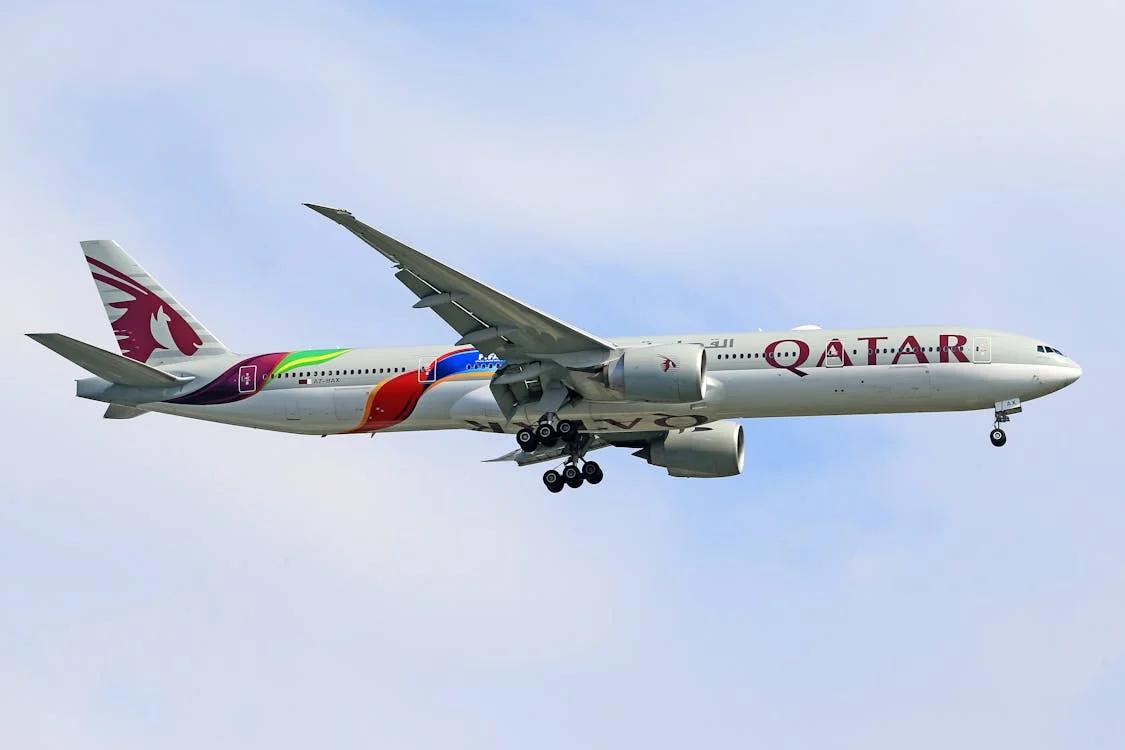
Boeing 777(Source: 777)
The Boeing 777 was the first commercial aircraft developed entirely using computer-aided design (CATIA). This technology enabled virtual assembly without physical prototypes accelerating the design process. Additionally the 777 was designed according to Boeing’s “collaborative work” concept incorporating feedback from eight major airlines.
The aircraft is equipped with a fly-by-wire (electronic flight control) system which allows pilots to transmit control inputs via electronic signals. This technology reduces the aircraft’s weight simplifies assembly and lowers maintenance requirements. Structurally weight has been reduced and durability enhanced through the use of aluminum and titanium alloys alongside composite materials.

Boeing 777-300ER (Source: 777)
Boeing 777X is the latest generation of the 777 family developed with advanced engineering and design solutions for long-range wide-body aircraft. It introduces innovations in both performance and passenger experience.
The Boeing 777X consists of two models.
Boeing 777-300ER.
Boeing 777.
Boeing. "777 Design Highlights." Boeing.com. Accessed April 16, 2025.https://www.boeing.com/Commercial/777/design-highlights
Boeing. "777X Teknik Özellikler." Boeing.com. Accessed April 16, 2025.https://www.boeing.com/commercial/777x
Boeing. "Boeing 777." Boeing.com. Accessed April 16, 2025.https://www.boeing.com/commercial/777
Boeing. "Teknik Özellikler." Boeing Türkiye.com. Accessed April 16, 2025.https://www.boeing.com.tr/products-and-services/commercial-airplanes/777

Boeing 777 Series
Producer | Boeing Commercial Airplanes | ||||||||
|---|---|---|---|---|---|---|---|---|---|
First Flight | 12 June 1994 | ||||||||
Aircraft Type | Wide-body, twin-engine, long-range passenger aircraft | ||||||||
Engines | GE90, Rolls-Royce Trent 800, Pratt & Whitney PW4000 | ||||||||
Widest Model (777-300ER) | 396 passenger capacity, ~13,650 km range | ||||||||
Longest Range Model | 777-200LR – ~15,843 km | ||||||||
New Generation Variant | 777X – Foldable wingtips, advanced aerodynamics | ||||||||
Material Used in Fuselage | Aluminum alloys, titanium and composite materials | ||||||||
Flight Control System | Fly-by-wire (electronic flight control system) | ||||||||
Prominent Application Area | International long-range passenger and cargo transportation | ||||||||
Competitor Models | Airbus A330, Airbus A350 | ||||||||
Technical Specifications
Variants
Design and Development
Boeing 777X
Key Features
Innovations and Advantages
Folding Wingtips
Advanced Material Usage
New Generation GE9X Engines