


This article was automatically translated from the original Turkish version.
+1 More
Boeing 747
Category | long-range passenger and cargo aircraft wide-body | ||||||||
|---|---|---|---|---|---|---|---|---|---|
Origin | United States (Boeing Commercial Airplanes) | ||||||||
First Flight and Production Year | 9 February 1969 (first flight) 1968 - 2023 (years of production) | ||||||||
Number Produced | 1,574 units | ||||||||
Engine and Power System | 4 × General Electric CF6 or Rolls-Royce RB211 or Pratt & Whitney PW4000 turbofan engines (depending on model) | ||||||||
Dimensions | Length: 70.6 - 76.3 metres depending on model Wingspan: 64.4 metres Height: 19.4 metres | ||||||||
Weights | Empty weight: 162,400 - 180,800 kg depending on model Maximum takeoff weight: 396,890 - 447,700 kg depending on model | ||||||||
Performance | Maximum speed: Mach 0.89 (945 km/h) Cruise speed: Mach 0.85 (907 km/h) Range: 9,800 - 14,815 km depending on model | ||||||||
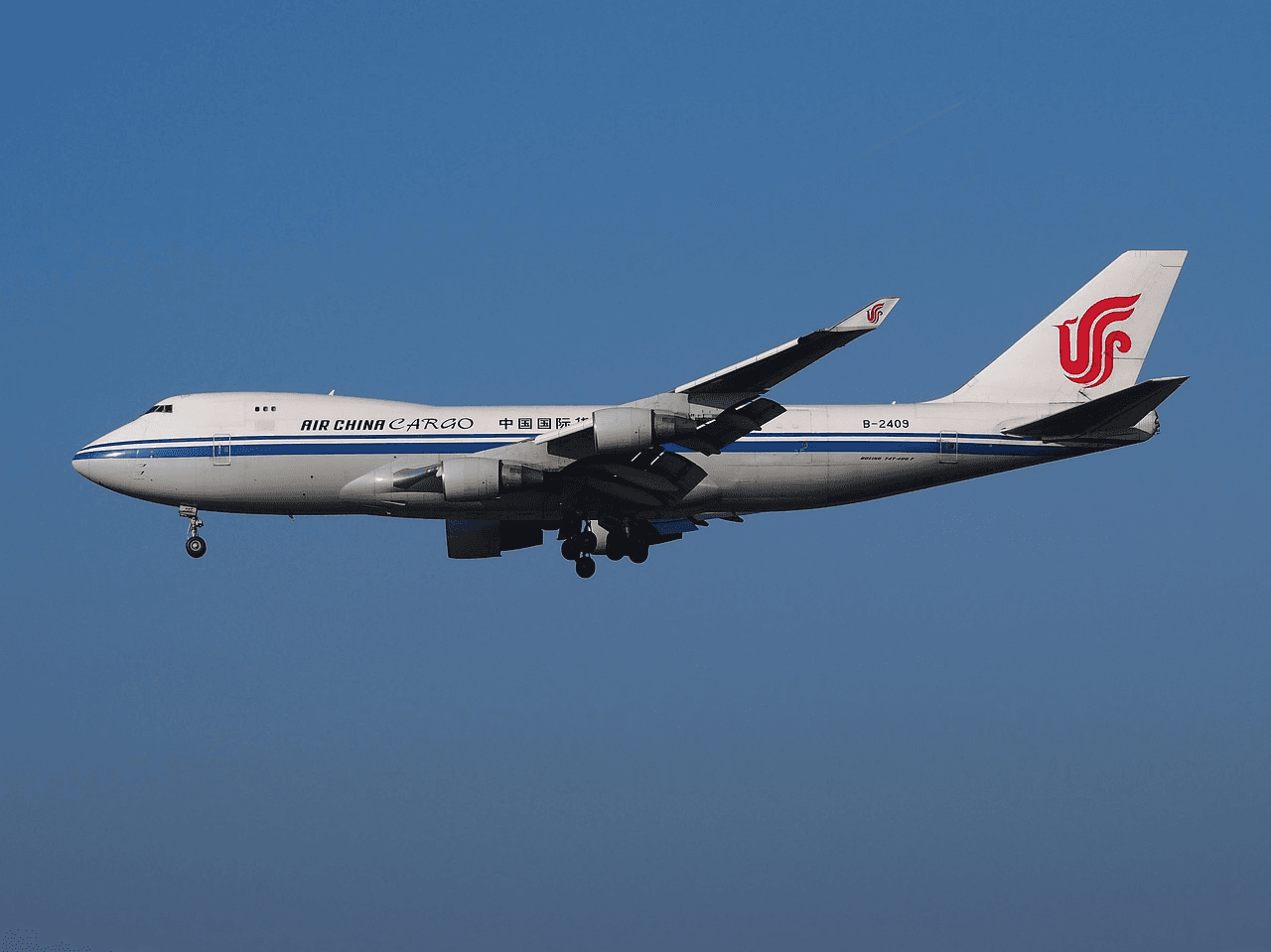
Boeing 747 is a wide-body, four-engine passenger and cargo aircraft manufactured by Boeing. Known as the “Jumbo Jet”, this aircraft drew significant attention in the aviation industry during the 1970s. Designed for long-range flights, the 747 has played an important role in both passenger and cargo transportation.

Boeing 747 (Source: Pixabay)
The story of the Boeing 747 began in the mid-1960s to meet the growing demand for air travel. First introduced in commercial service in 1969, it was the result of an extensive engineering process. Advanced technologies and engineering approaches of the era were employed during its design. The initial model, the 747-100, offered a passenger capacity unprecedented for its time and could carry more passengers than any previous aircraft. Production of the Boeing 747 began in 1967 and continued for 55 years. During this period, a total of 1,574 aircraft were produced for over 100 customers. With its large passenger capacity and long range, the Boeing 747 established a significant place in aviation. These features contributed to the development of air transport worldwide.
The Boeing 747 is equipped with four high-thrust jet engines. Its wide fuselage provides ample space for both passenger and cargo transport. The aircraft’s distinctive upper deck gives it a unique external appearance. Designed for long-range flights, the 747 has been widely used for intercontinental routes. Different variants (747-200, 747-400, 747-800) offer varying cargo capacities and performance characteristics. The 747-8 model, in particular, stands out due to modifications in its engine system and aerodynamic structure. The 747-8 Intercontinental has a range of approximately 14,430 km (7,790 nautical miles), while the cargo variant has a range of 8,010 km (4,325 nautical miles). Its maximum takeoff weight can reach up to 447,700 kg. The Boeing 747 features a double-deck design and can accommodate hundreds of passengers in typical configurations. The 747 series cruises at subsonic speeds (approximately 0.85 Mach). The 747-400 series offers lower operating costs compared to earlier models.

Boeing 747 (Pixabay)
The Boeing 747 represents a major structural shift in the aviation industry. Thanks to its large passenger capacity and long range, it contributed significantly to the popularization of international travel and the growth of global transportation. Known as the “Jumbo Jet”, the 747 has become an icon in popular culture. The Boeing 747 is also recognized by its distinctive “hump” upper deck design, which adds an extra level to the fuselage and increases internal volume. With these technical and visual characteristics, the Boeing 747 has become one of the most recognizable models in the aviation industry.
"Boeing 747 - Havayolu 101". Accessed April 16, 2025.https://www.havayolu101.com/2012/09/16/boeing-747/.
"Boeing 747 nedir? - Molatik Teknoloji - Milliyet." Accessed April 16, 2025.https://www.milliyet.com.tr/molatik/teknoloji/boeing-747-nedir-83484.
"Boeing 747-200 400 800 - Air Charter Service." Accessed April 16, 2025.https://www.aircharterservice.com.tr/aircraft-guide/group/boeing-usa/boeing747-200400800.
"Boeing 747: Havacılığın İkonu - Flyive". Accessed April 16, 2025.https://flyive.com/ansiklopedi/sivil-ucaklar/boeing-747-havaciligin-ikonu.
AirTurkHaber. "Geçmişten günümüzde efsane uçak B747". Accessed April 16, 2025.https://www.airturkhaber.com/haberler/gecmisten-gunumuzde-efsane-ucak-b747/
Boeing. "747-8 Airplane." Accessed April 16, 2025.https://www.boeing.com/commercial/747-8/

Boeing 747
Category | long-range passenger and cargo aircraft wide-body | ||||||||
|---|---|---|---|---|---|---|---|---|---|
Origin | United States (Boeing Commercial Airplanes) | ||||||||
First Flight and Production Year | 9 February 1969 (first flight) 1968 - 2023 (years of production) | ||||||||
Number Produced | 1,574 units | ||||||||
Engine and Power System | 4 × General Electric CF6 or Rolls-Royce RB211 or Pratt & Whitney PW4000 turbofan engines (depending on model) | ||||||||
Dimensions | Length: 70.6 - 76.3 metres depending on model Wingspan: 64.4 metres Height: 19.4 metres | ||||||||
Weights | Empty weight: 162,400 - 180,800 kg depending on model Maximum takeoff weight: 396,890 - 447,700 kg depending on model | ||||||||
Performance | Maximum speed: Mach 0.89 (945 km/h) Cruise speed: Mach 0.85 (907 km/h) Range: 9,800 - 14,815 km depending on model | ||||||||
Historical Development
Technical Specifications
Variants
Applications:
Social Impact