


This article was automatically translated from the original Turkish version.
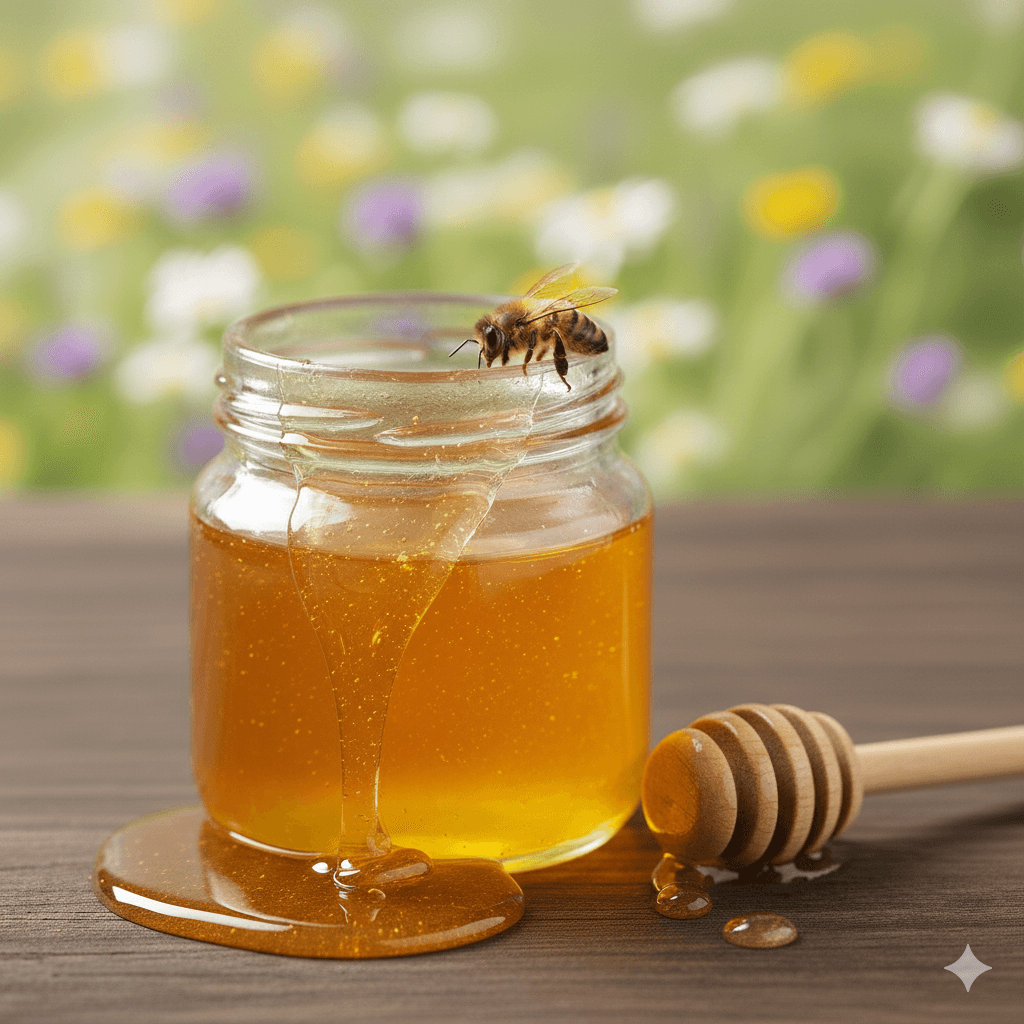
Bingöl Honey (Generated with AI)
Sectoral Status | Strategic local product | ||||||||
|---|---|---|---|---|---|---|---|---|---|
Medicinal Value | Antimicrobial and antioxidant capacity | ||||||||
Distinctive Characteristic | High-altitude floral diversity | ||||||||
Production Technique | Traditional beekeeping methods | ||||||||
Economic Impact | Gastronomy tourism and rural development | ||||||||
Core Analysis Parameter | Proline and diastase values | ||||||||
Botanical Source | Geven and endemic alpine flowers | ||||||||
Prominent Feature | Türkiye's first honey registered in the EU | ||||||||
International Registration Authority | European Commission | ||||||||
Local Registration Authority | Turkish Patent and Trademark Office | ||||||||
EU Registration Date | 10 July 2024 | ||||||||
Registration Type | Place of Origin (PDO) | ||||||||
Geographic Location | Bingöl Türkiye | ||||||||
Product Name | Bingöl Honey | ||||||||
Bingöl Honey; a bee product obtained from high-altitude pastures within the boundaries of Bingöl Province in Eastern Anatolia, Türkiye, from the region’s rich and endemic flora. Classified by production method as strained, comb, or traditional log honey, it is polyfloral in nature. This product, with its distinctive aroma, color, and texture, has been officially registered by the European Commission with the status of “Protected Designation of Origin” (PDO), becoming Türkiye’s first honey to receive geographical indication recognition from the EU.【1】
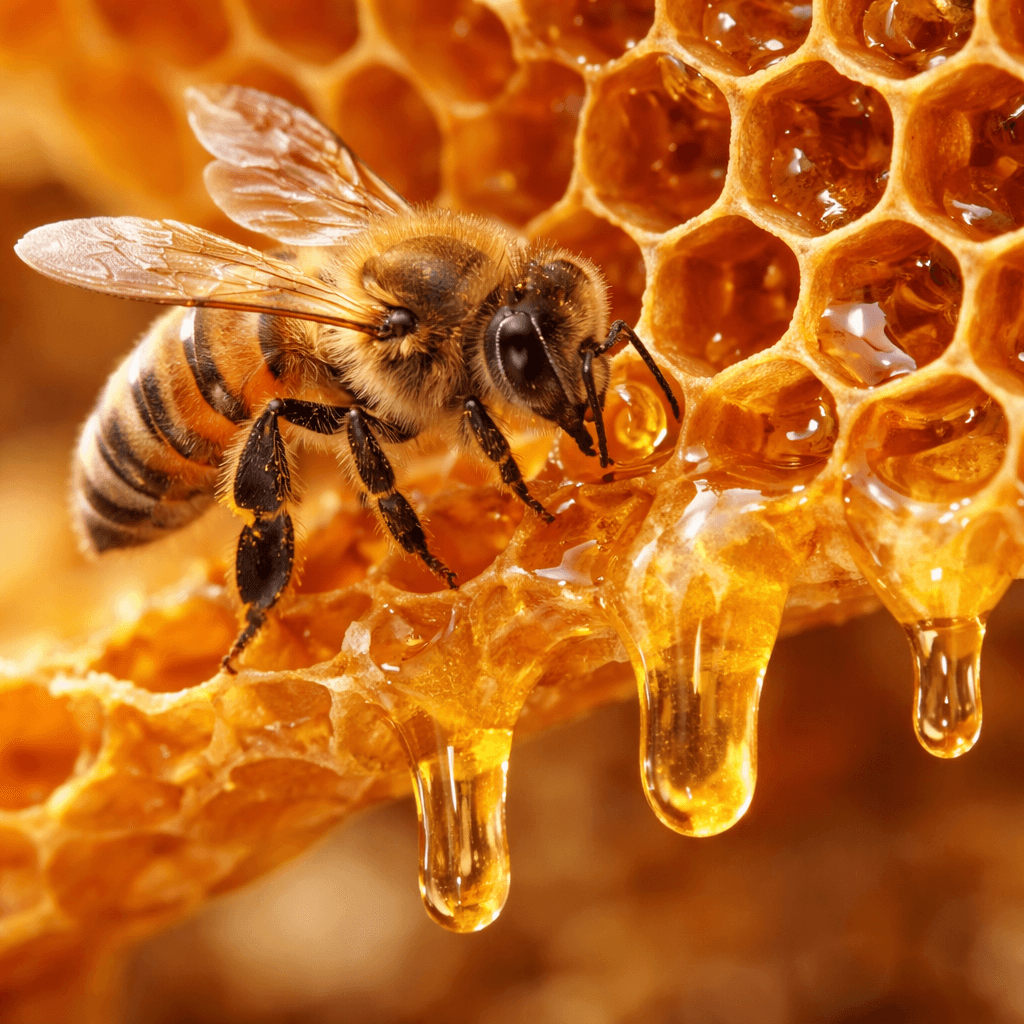
Bingöl Balı (Görsel Yapay Zeka ile Oluşturulmuştur)
The branding and registration processes for Bingöl Honey were conducted under the “Regional Development-Oriented Mission Differentiation and Specialization Program,” coordinated by Bingöl University, selected as a pilot university in the field of “Agriculture and Basin-Based Development.” The product was first nationally registered as a “designation of origin” by the Turkish Patent and Trademark Office on 7 October 2022.
Following national registration, an application was submitted to the European Union under the Ministry of Industry and Technology’s “International Geographical Indication Campaign.” After evaluation by the European Commission, Bingöl Honey was published in the Official Journal of the European Union on 12 March 2024 and officially registered on 10 July 2024, granting it the right to bear the EU’s PDO logo. 【2】This status guarantees under international law that the product’s quality and reputation derive exclusively from its geographical origin (Bingöl) and that all stages of production occur within the defined geographical boundaries.
The distinctive sensory and chemical properties of Bingöl Honey originate from the floristic richness of its production area. Approximately 1,700 plant species are found in the Bingöl region, around 300 of which are endemic to the area. 【3】The region’s topography, high altitude, and extended flowering period directly shape the honey’s aroma.
Dominant plant taxa providing nectar and pollen to Bingöl Honey include astragalus (Astragalus spp.), thyme (Thymus spp.), clover (Trifolium spp.), and white clover, all of which have high nectar value. In particular, the high concentration of astragalus and thyme pollen plays a decisive role in forming the honey’s characteristic flavor.
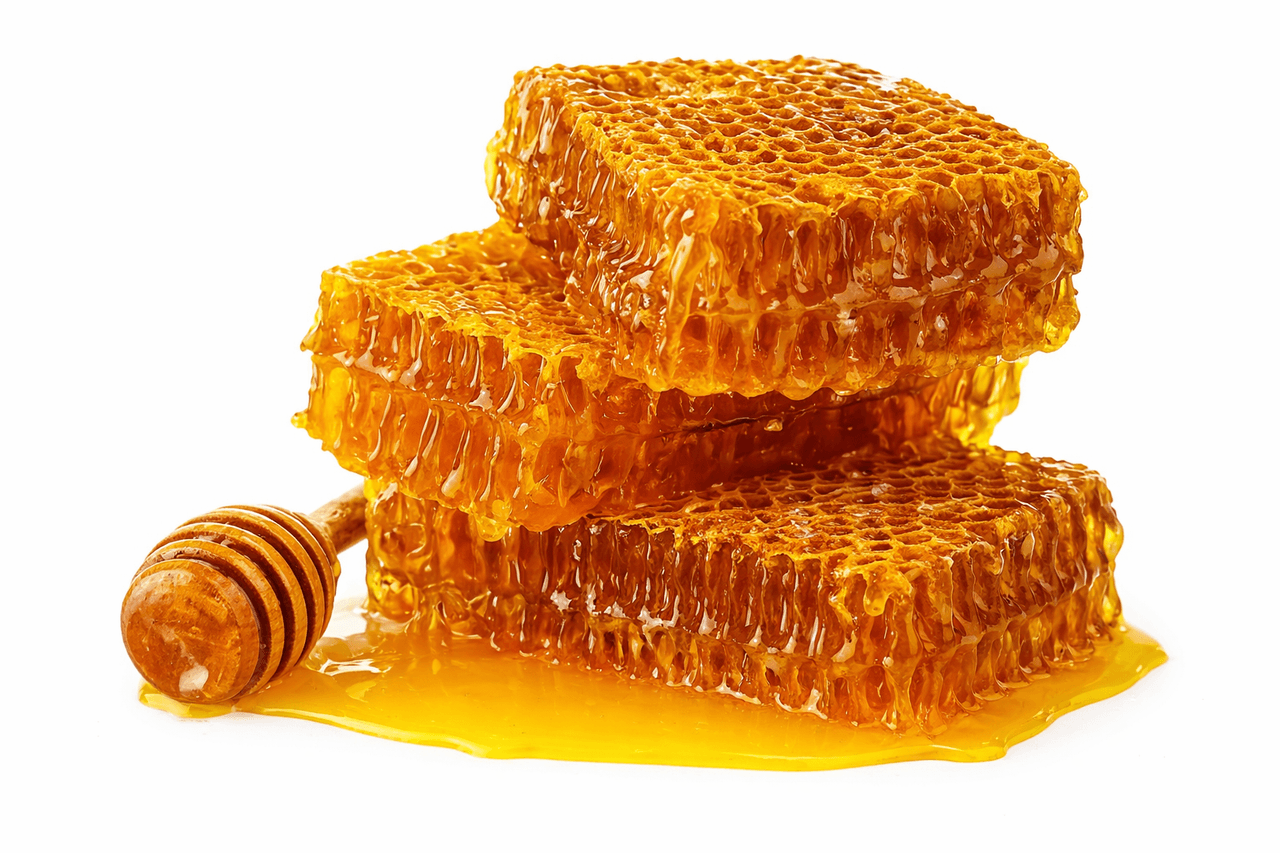
Bingöl Balı (Görsel Yapay Zeka ile Oluşturulmuştur)
Bingöl Honey exhibits a color range from light amber to dark amber, depending on the diversity of its floral sources and seasonal conditions. Its consistency is thick and fluid.
The honey has a mild, non-irritating taste that does not cause throat irritation, yet offers a unique flavor profile due to its endemic plant aromas. Consumer perception studies have shown that the honey’s “taste perception” is one of the most significant factors positively influencing repurchase intent.
In vitro scientific studies on honey and propolis samples collected from the Bingöl region have demonstrated that these products possess broad-spectrum antimicrobial activity. Microbiological analyses have identified inhibitory effects of Bingöl Honey against the following microorganisms:
In particular, traditional log honey samples have been reported to produce larger inhibition zones—up to 49 mm—against pathogens such as Klebsiella pneumoniae compared to strained and comb honeys. These antimicrobial properties stem not only from the honey’s osmolarity but also from its hydrogen peroxide, phenolic compounds, and other phytochemicals.【4】
Beekeeping is one of the key drivers of rural development in Bingöl Province. Due to its low capital requirements and independence from direct land dependency, beekeeping serves as a strategic livelihood source for the local population. The number of hives in the province has increased over the years; according to data from the Turkish Statistical Institute (TÜİK), national hive numbers rose from approximately 4 million in 2002, with Bingöl showing a parallel increase in hive population and honey production.【5】
In addition to modern (scientific) hives, traditional basket and log hive beekeeping practices are also maintained in the region. Economic analyses have revealed that the increase in modern hive numbers has positively impacted honey production volume, while the persistence of traditional hives has limited overall output. Key challenges facing the sector include inadequate marketing, insufficient branding, and fluctuations in productivity (honey yield per hive).
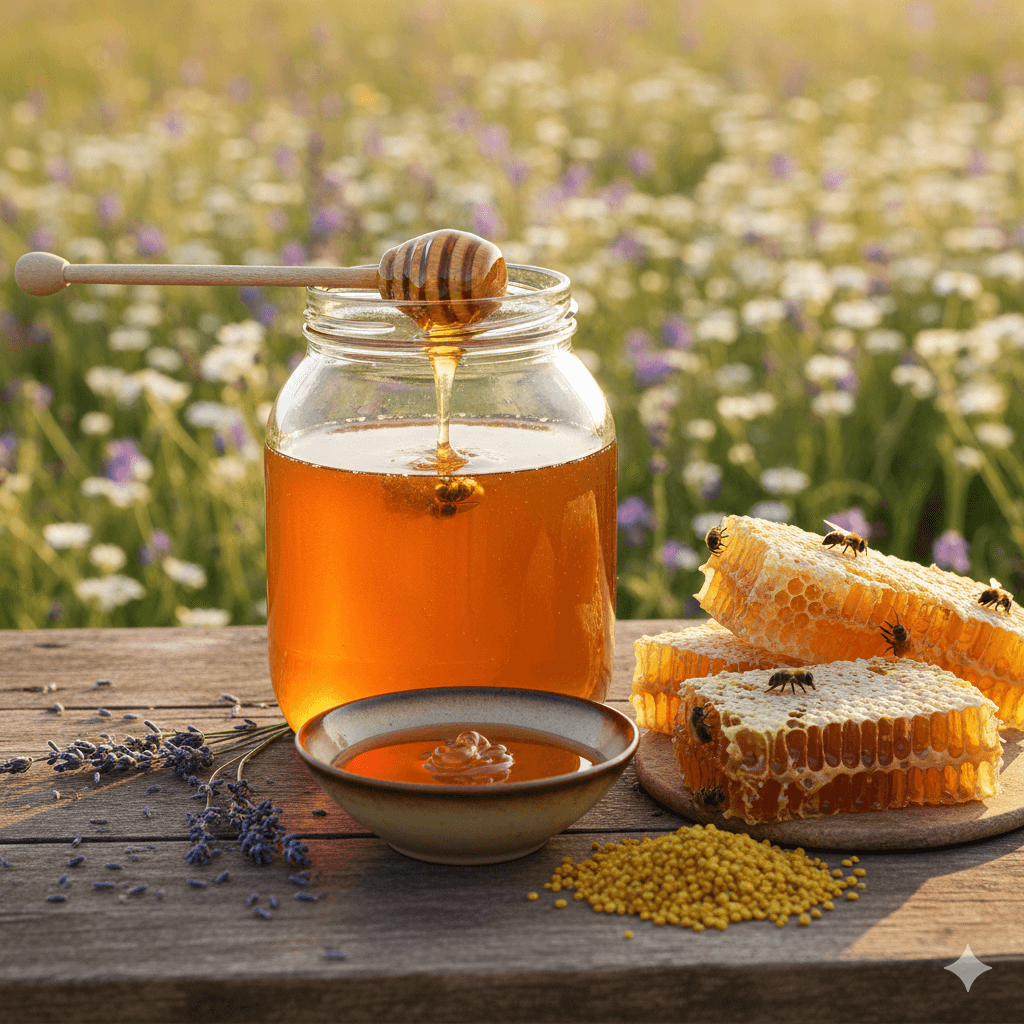
Bingöl Balı (Görsel Yapay Zeka ile Oluşturulmuştur)
Bingöl Honey is also considered within the context of gastronomy tourism. Academic studies have shown that the “taste perception,” “price perception,” and “service experience at point of sale” associated with the geographically indicated Bingöl Honey collectively explain 75 percent of consumer repurchase intent.【6】Consumers perceive the product’s geographical indication registration as a guarantee of quality and trust, thereby enhancing its brand value.
The quality of Bingöl Honey has been internationally recognized through prestigious awards:
Accessed November 26, 2025.
Accessed November 26, 2025.
Aksoy, Zelal and Metin Dığrak. "Bingöl Yöresinde Toplanan Bal ve Propolisin Antimikrobiyal Etkisi Üzerinde in vitro Araştırmalar." Fırat Üniversitesi Fen ve Mühendislik Bilimleri Dergisi 18, no. 4 (2006): 471-478. Accessed February 16, 2026.
Bağış, Bilal and Zeki Akbakay. "Arıcılık ve Bal Üretiminin Bingöl İli ve Bölge Ekonomisi İçin Önemi." İktisadiyat Dergisi 1, no. 1 (2017): 193-211. Accessed February 16, 2026.
Bingöl Üniversitesi. "Bingöl Balı Resmen AB’li Oldu." Haberler. Accessed February 16, 2026.
Bükey, Aziz. "Gastronomi Turizminde Coğrafi İşaretli Ürünlerin Tekrar Satın Alma Niyetine Etkisi: Bingöl Balı Örneği." Akademik MATBUAT 9, no. 2 (December 2025): 177-193. Accessed February 16, 2026.
European Union Turkey Delegation. "Türkiye’nin AB Tescilli İlk Balı." Press and Communication Team. June 12, 2025. Accessed February 16, 2026.
Gürbüz, Zeki, Ahmet Baraç, and Ömer Arıgtekin. "Coğrafi İşarete Aday Olmaya Hazır ‘Bingöl Balı’ Üzerine Bir Çalışma." In Uluslararası Arıcılık Araştırmaları ve Sürdürülebilir Kırsal Kalkınma Stratejileri Kongresi Bildiri Kitabı, 230-243. Bingöl: Bingöl Üniversitesi, October 11-13, 2019. Accessed February 16, 2026.
Karakaya, Ersin and Semiha Kızıloğlu. "Bingöl İli Bal Üretimi." Iğdır Üniversitesi Fen Bilimleri Enstitüsü Dergisi 5, no. 2 (2015): 25-31. Accessed February 16, 2026.
Uslu, Ayşe Nur. "Türk Mutfak Kültüründe Bal ve Türkiye’de Yer Alan Coğrafi İşaretli Ballar Üzerine Bir Araştırma." Uluslararası Türk Dünyası Turizm Araştırmaları Dergisi 9, no. 1 (June 2024): 75-93. Accessed February 16, 2026.
[1]
Avrupa Birliği Türkiye Delegasyonu, “Türkiye’nin AB Tescilli İlk Balı,” Basın ve İletişim Ekibi, 12 Haziran 2025, erişim 16 Şubat 2026
[2]
Bingöl Üniversitesi, “Bingöl Balı Resmen AB’li Oldu,” Haberler, erişim 16 Şubat 2026
https://www.bingol.edu.tr/tr/haberler/bingol-bali-resmen-abli-oldu
[3]
Avrupa Birliği Türkiye Delegasyonu, “Türkiye’nin AB Tescilli İlk Balı,” Basın ve İletişim Ekibi, 12 Haziran 2025, erişim 16 Şubat 2026
[4]
Zelal Aksoy ve Metin Dığrak, “Bingöl Yöresinde Toplanan Bal ve Propolisin Antimikrobiyal Etkisi Üzerinde in vitro Araştırmalar,” Fırat Üniversitesi Fen ve Mühendislik Bilimleri Dergisi 18, sy. 4 (2006): 471-478, erişim 16 Şubat 2026
[5]
Bilal Bağış ve Zeki Akbakay, “Arıcılık ve Bal Üretiminin Bingöl İli ve Bölge Ekonomisi İçin Önemi,” İktisadiyat Dergisi 1, sy. 1 (2017): 193-211, erişim 16 Şubat 2026
[6]
Aziz Bükey, “Gastronomi Turizminde Coğrafi İşaretli Ürünlerin Tekrar Satın Alma Niyetine Etkisi: Bingöl Balı Örneği,” Akademik MATBUAT 9, sy. 2 (Aralık 2025): 177-193, erişim 16 Şubat 2026


Bingöl Honey (Generated with AI)
Sectoral Status | Strategic local product | ||||||||
|---|---|---|---|---|---|---|---|---|---|
Medicinal Value | Antimicrobial and antioxidant capacity | ||||||||
Distinctive Characteristic | High-altitude floral diversity | ||||||||
Production Technique | Traditional beekeeping methods | ||||||||
Economic Impact | Gastronomy tourism and rural development | ||||||||
Core Analysis Parameter | Proline and diastase values | ||||||||
Botanical Source | Geven and endemic alpine flowers | ||||||||
Prominent Feature | Türkiye's first honey registered in the EU | ||||||||
International Registration Authority | European Commission | ||||||||
Local Registration Authority | Turkish Patent and Trademark Office | ||||||||
EU Registration Date | 10 July 2024 | ||||||||
Registration Type | Place of Origin (PDO) | ||||||||
Geographic Location | Bingöl Türkiye | ||||||||
Product Name | Bingöl Honey | ||||||||
Geographical Indication Registration and Legal Status
Floristic Composition and Botanical Sources
Physical and Sensory Characteristics
Color and Consistency:
Taste and Aroma:
Microbiological and Antimicrobial Properties
Production Economy and Beekeeping Activities
Gastronomy and Consumer Behavior
International Achievements and Awards