


This article was automatically translated from the original Turkish version.
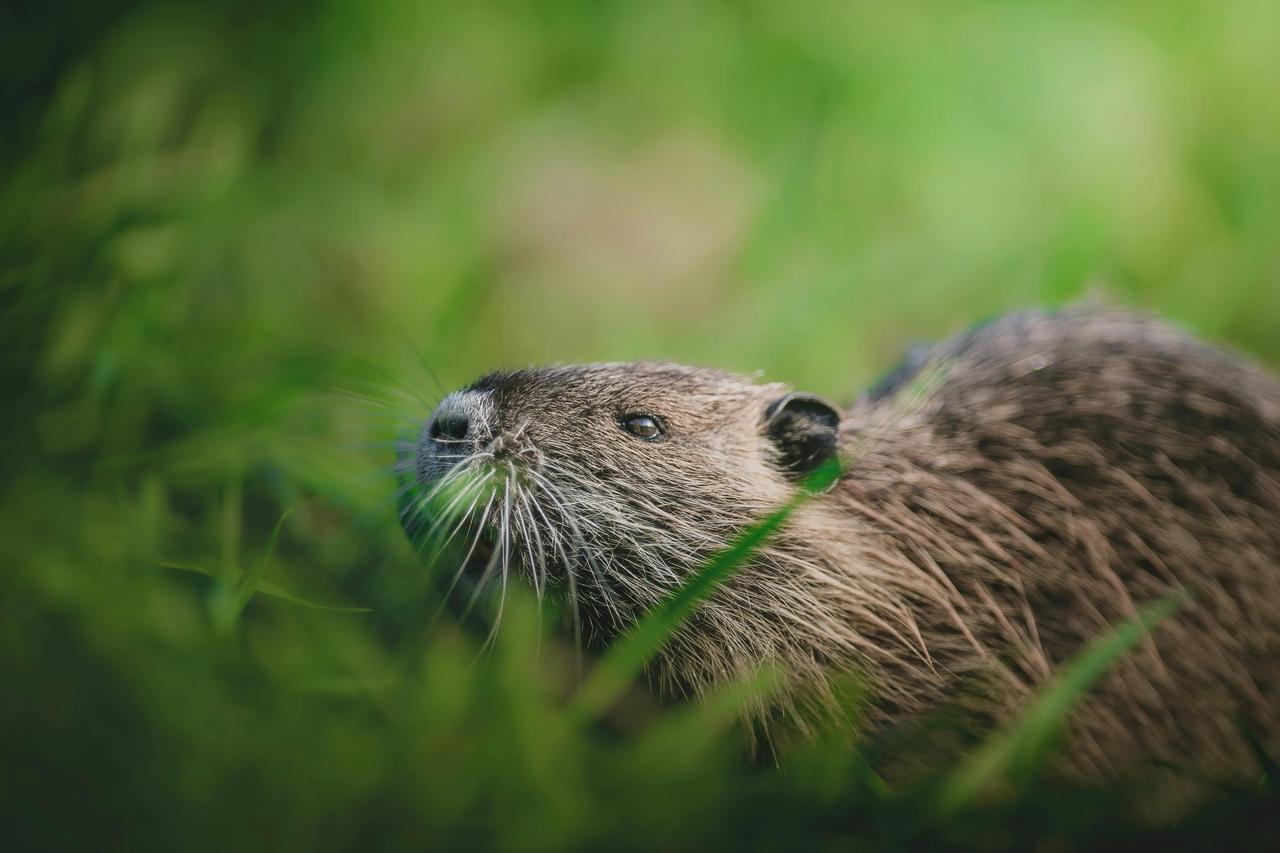
Eurasian Hare (Daniil Komov, Pexels)
Realm | Animalia | ||||||||
|---|---|---|---|---|---|---|---|---|---|
Branch | Chordata | ||||||||
Class | Mammalia | ||||||||
Team | Rodentia | ||||||||
Family | Castoridae | ||||||||
Genus | Castor | ||||||||
Species | Castor canadensis (North American beaver), Castor fiber (Eurasian beaver) | ||||||||
English Name | Beaver | ||||||||
Conservation Status (IUCN) | Least Concern | ||||||||
Habitat | Forest areas near freshwater sources | ||||||||
Beavers (Castor spp.) are large rodents noted for their semiaquatic lifestyle, capacity to modify environments, and complex social structures. Today, only two living species exist: the North American beaver (Castor canadensis) and the Eurasian beaver (Castor fiber). Both species are classified as ecosystem engineers in freshwater ecosystems because they actively transform their surroundings, thereby enhancing biodiversity.
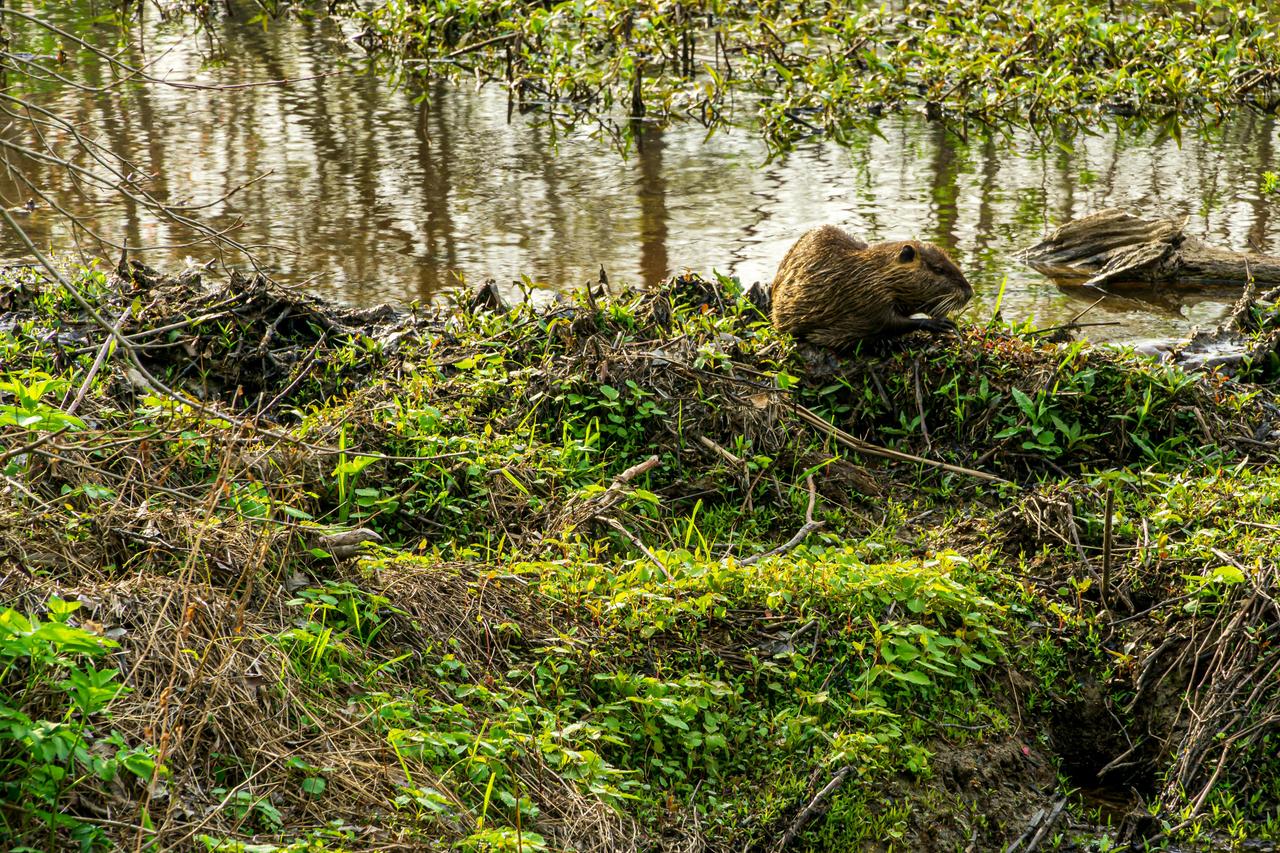
Avrasya Kunduzu (Pexels)
Beavers (Castor spp.) are large semiaquatic mammals and among the largest rodents in the class Mammalia. The two extant species, Castor canadensis (North American beaver) and Castor fiber (Eurasian beaver), are similar in external appearance but exhibit distinct morphological features.
Both species have short legs, robust bodies, and a distinctive broad, scaly tail. This tail functions as a rudder during swimming and provides balance on land. It also serves as an acoustic signal: when threatened, beavers slap the water surface to alert other members of the colony. Their weight typically ranges from 16 to 30 kilograms, although some individuals of Castor fiber can reach up to 40 kg. Body length varies between 1 and 1.3 meters. Castor canadensis is generally slightly larger and has fur coloration ranging from yellowish-brown to dark brown. Castor fiber is typically darker and has denser fur.
Beavers walk on all four limbs; their hind legs are large, webbed, and powerful, providing propulsion during swimming. In particular, C. canadensis possesses a double claw on the second digit of its hind feet. This specialized structure aids in grooming and cleaning its fur, maintaining its waterproofing. The forelimbs are five-toed, flexible, and grasping. Beavers use these limbs to hold branches, dig, and manipulate materials for dam construction. Although their movement on land is clumsy, they are highly agile underwater and can swim at speeds of approximately 6 miles per hour (10 km/h).
All beavers have two large orange incisors in both the upper and lower jaws. These teeth grow continuously and are used for cutting tree bark and chewing wood. The orange coloration results from iron deposits in the enamel, which strengthen the teeth.
Beavers are highly organized animals with strong family structures. They are monogamous: once paired, beaver couples remain together for life. Pairs live in colonies with their offspring, constructing dams and lodges. A typical beaver colony consists of a breeding pair, the current year’s young, and juveniles born in the previous year.
Both species are primarily nocturnal, being most active at night. During daylight hours, they rest in their lodges or in burrows dug into riverbanks. In cold climates, beavers remain inside their lodges throughout winter, surviving on food stores accumulated beforehand. The biological rhythm of Castor canadensis can shift in low-light conditions. When deprived of sunlight, their circadian cycles can extend to 26–29 hours, a phenomenon linked to their dome-shaped lodges.
Castor canadensis is widespread across much of North America, with dense populations in Canada, the United States, and northern Mexico. Additionally, it was introduced to Tierra del Fuego in Argentina in 1946, where it has since become invasive and begun damaging native ecosystems.
Castor fiber ranges across the Eurasian continent, from Western Europe to eastern Russia. Historically, it was heavily hunted for its fur and a secretion known as castoreum. As a result, it suffered severe population declines in the early 20th century. However, since the 1920s, reintroduction programs have led to its recovery in several regions.
Beavers typically inhabit areas near freshwater sources such as riverbanks, lakes, marshes, and stream beds. They prefer forested regions. Eurasian beavers tend to favor more secluded and remote habitats, whereas North American beavers can adapt to areas closer to human settlements.
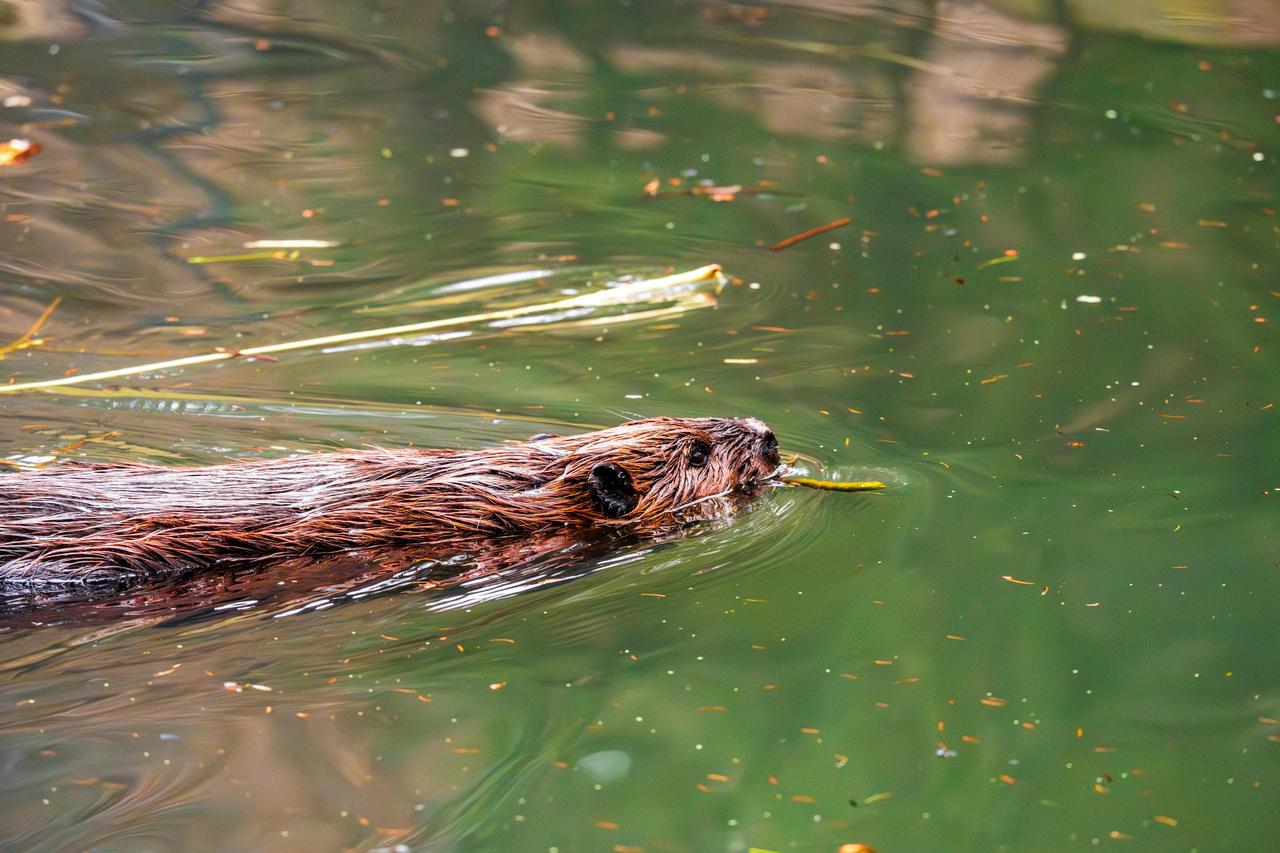
Sakin Bir Gölette Yüzen Bir Kunduzun Yakın Çekimi (Pexels)
Beavers are herbivorous and primarily feed on tree bark, young shoots, leaves, and aquatic plants. Commonly consumed tree species include willow, poplar, birch, and maple. During summer, they consume more fresh vegetation, while in winter they rely on branches stored near their dams and lodges. They carefully select their food and hoard supplies for winter, enabling them to feed even when water bodies are frozen. Specialized microorganisms in their digestive system allow them to break down fibrous plant material.
The feeding behavior of beavers not only meets their energy needs but is also directly linked to their environmental impact. Tree-felling activities alter forest structure, creating light-exposed areas that facilitate the growth of different plant species.
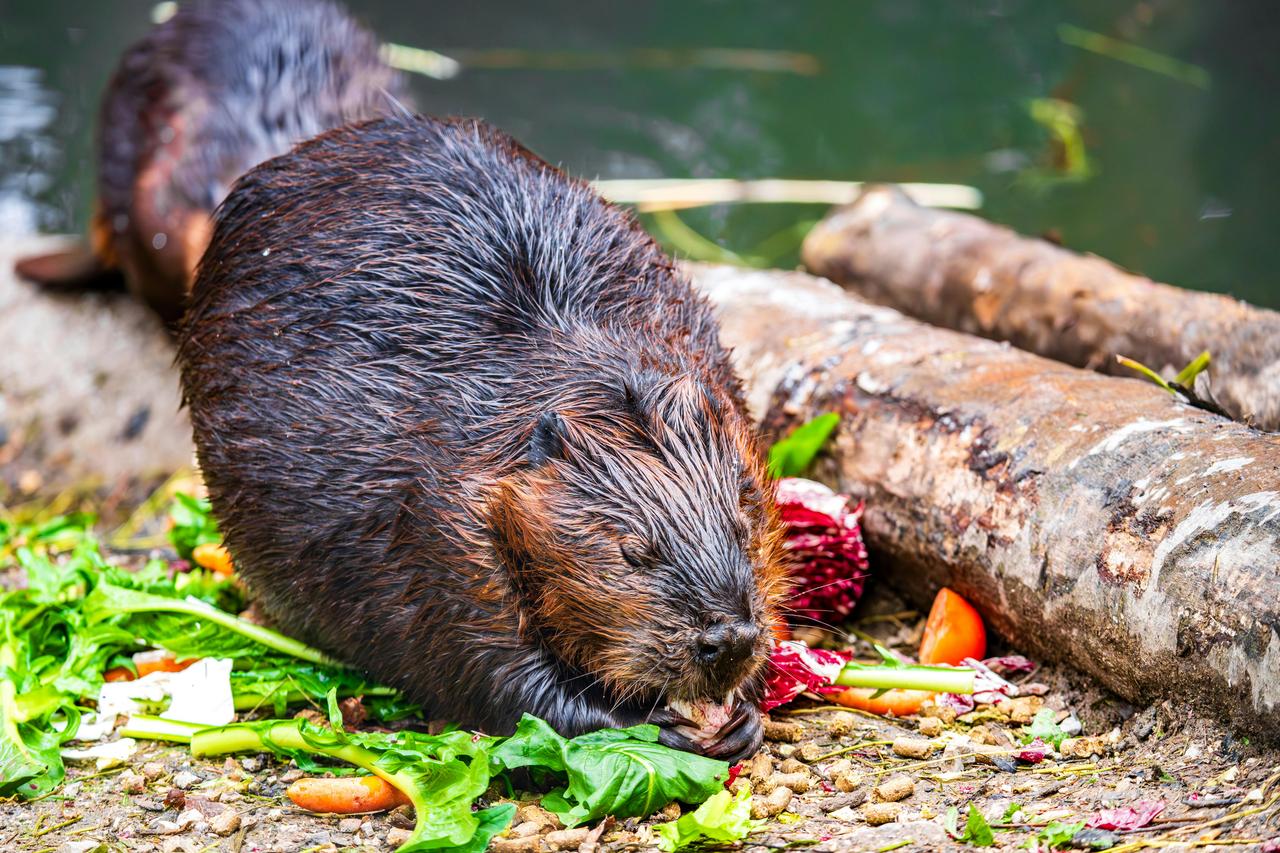
Kunduz Doğal Ortamında Sebze Yiyor (Pexels)
Beavers are among the most effective ecosystem engineers in nature. By constructing dams, they alter local hydrology, creating new habitats for numerous organisms. Water retained behind dams forms marsh-like environments that provide suitable living conditions for birds, amphibians, fish, and insects. By slowing water flow, beavers promote sediment deposition, which contributes to water purification. Additionally, the ponds they create raise groundwater levels, modify microclimates, and facilitate carbon sequestration in soils. However, their structures can also have negative consequences, such as flooding agricultural land or blocking forest roads. Consequently, some regions have implemented management strategies to limit beaver impacts.
According to the IUCN, both beaver species are currently classified as “Least Concern.” However, this does not necessarily indicate stable populations. In particular, Castor fiber was driven to the brink of extinction across Europe due to overhunting, but has since recovered in certain areas thanks to rewilding projects.
Conservation efforts prioritize habitat restoration, reintroduction programs, and combating illegal hunting. The protection of Eurasian beavers is guaranteed under the European Union’s Habitats Directive. Public awareness campaigns and the inclusion of local communities are also key long-term strategies. In North America, beaver populations are more stable, and in some areas, high population densities have led to conflicts with agricultural land. As a result, certain states have implemented population control programs for beavers.
Bizjak, Matej. "Kunduz doğal ortamında sebze yiyor JPG." Pexels. Accessed May 6, 2025.
Bizjak, Matej. "Sakin bir gölette yüzen bir kunduzun yakın çekimi JPG." Pexels. Accessed May 6, 2025.
Cassola, F. “Castor canadensis.” The IUCN Red List. Accessed May 11, 2025.https://dx.doi.org/10.2305/IUCN.UK.2016-3.RLTS.T4003A22187946.en
Daniil Komov. “Kunduz JPG.” Pexels. Accessed May 6, 2025.https://www.pexels.com/tr-tr/fotograf/doga-cimen-cim-zemin-19334527/
Gazzard, A. “Castor fiber (Europe assessment).” *The IUCN Red List.* Accessed May 11, 2025.https://dx.doi.org/10.2305/IUCN.UK.2024-2.RLTS.T4007A218566456.en
National Park Service. "Acadia's North American Beaver: The Ultimate Keystone Species." National Park Service. Accessed May 8, 2025.
National Zoo. "Beaver." Smithsonian's National Zoo and Conservation Biology Institute. Accessed May 5, 2025.
NatureScot. "Beavers: Understanding the Ecosystem Engineer leaflet." NatureScot Nadar Alba. Accessed May 6, 2025.
Western Beavers Cooperative. "What Beavers Eat." Western Beavers Cooperative. Accessed May 9, 2025.
Younkin, Scoot. "Hayvan, kemirgen, vahşi yaban hayatı JPG." Pexels. Accessed May 6, 2025.

Eurasian Hare (Daniil Komov, Pexels)
Realm | Animalia | ||||||||
|---|---|---|---|---|---|---|---|---|---|
Branch | Chordata | ||||||||
Class | Mammalia | ||||||||
Team | Rodentia | ||||||||
Family | Castoridae | ||||||||
Genus | Castor | ||||||||
Species | Castor canadensis (North American beaver), Castor fiber (Eurasian beaver) | ||||||||
English Name | Beaver | ||||||||
Conservation Status (IUCN) | Least Concern | ||||||||
Habitat | Forest areas near freshwater sources | ||||||||
No Discussion Added Yet
Start discussion for "Beavers (Castor spp.)" article
Morphological Characteristics
Behavior and Ecology
Habitat and Social Distribution
Feeding Habits
Ecological Role and Ecosystem Impacts of Dam Building
Conservation Status