


This article was automatically translated from the original Turkish version.
+1 More
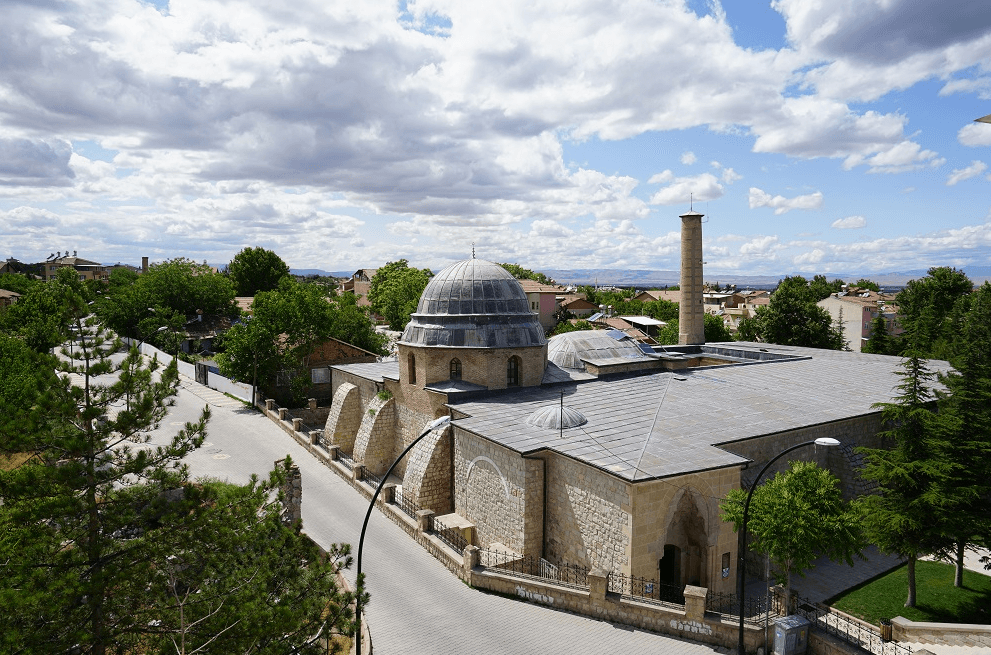
Battalgazi Grand Mosque
Location | Battalgazi Malatya Türkiye | ||||||||
|---|---|---|---|---|---|---|---|---|---|
Construction Date(s) | 1224 | ||||||||
Architectural Style | Seljuk architecture | ||||||||
Building Material(s) | Cut stone Brick | ||||||||
Restorations | 1845 (Ottoman period), 20th century and 21st century | ||||||||
Battalgazi Ulu Camii is a historical structure located in the Battalgazi (Old Malatya) district of Malatya province, recognized as one of the original examples of Anatolian Seljuk architecture. Based on inscriptions and archival documents, the construction of the mosque dates to the first quarter of the 13th century.
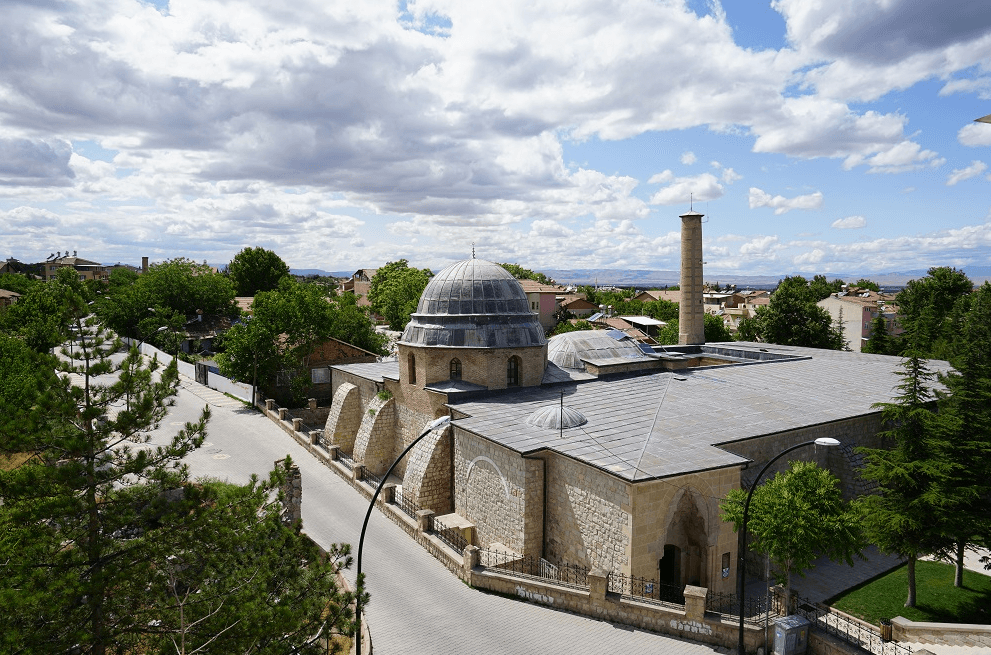
Battalgazi Ulu Camii (Malatya Valiliği)
Although sources vary in their accounts of the construction date of the Battalgazi Ulu Camii, the generally accepted view is that the structure was completed during the reign of Anatolian Seljuk Sultan I. Alaeddin Keykubad in 621 AH / 1224 CE. One of the mosque’s foundation inscriptions is currently preserved at the Malatya Museum. However, some waqf records indicate that construction began during the rule of Kaykavus bin Kaykhusraw (1211–1220). This suggests that construction was initiated under Kaykavus and completed under Keykubad.
According to the inscriptions, the architect was Yakub ibn Abu Bakr al-Malati, while the calligrapher was Ketebe Ahmed ibn Yakub. Significant contributions were made during later additions and repairs by Ustad Hüsrev al-Bennâ.
The Battalgazi Ulu Camii stands out as the sole example in Anatolia representing the Great Seljuk architectural tradition of Iran. The building follows a four-iwan plan. The central rectangular courtyard and the iwan openings leading to it, along with the dome over the mihrap area, form the primary layout of the mosque. This planning concept occupies an exceptional position among Anatolian mosques.
Brick and stone were used together as construction materials. The distinction is evident as early construction elements were made of brick, while later additions were constructed in stone. Rubble stone is observed on exterior walls, while regular cut stone and brick are used internally. Stone masonry is present in portals, arcade arches, and supporting elements. The mosque measures 34 by 55 meters and has three entrances: south, east, and west.
The dome over the mihrap area is erected on a square base and connected to the iwan by six supported pointed arches. The interior surface of the dome is decorated with spiral motifs made of unglazed brick and turquoise-glazed ceramic tiles placed between them. The name “Muhammad” is inscribed in decorative Kufic script using purple and turquoise tiles at the dome’s apex. The 16 borders along the dome’s base contain verses 1 to 5 of Surah Al-Fath.
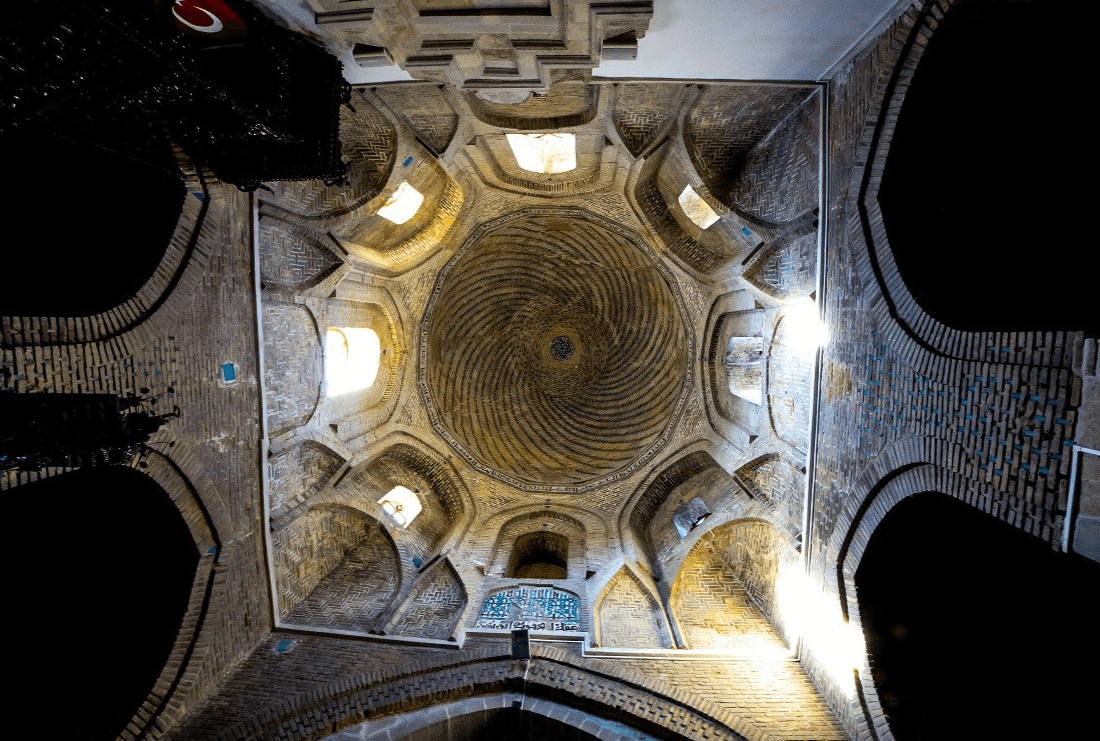
Battalgazi Ulu Camii (Malatya Valiliği)
The arch surfaces of the iwan between the dome and the inner courtyard are adorned with Quranic verses, masterful carved inscriptions, and vegetal motifs. The eastern and western sides of the courtyard are arcaded. The western arcade has largely retained its original form, while the eastern arcade has been reconstructed in stone. Various Quranic verses are inscribed in Kufic and Rayhani scripts on the lintels of the arcade arches.
The original structure did not include a minaret, but one was constructed in 645 AH / 1247 CE from brick during the rebuilding of the western wall. The minaret has an octagonal base with a cylindrical shaft and was partially damaged due to a lightning strike.
The original mihrap of the mosque collapsed during an earthquake in 1893 and was replaced by a new one constructed between 1900 and 1902 during the reign of Sultan II. Abdülhamid. The original minbar is currently exhibited at the Ankara Ethnography Museum. The minbar currently in the mosque was brought from the Söğütlü Mosque in Malatya.
This additional structure located north of the courtyard, which was used as a second mosque, dates to the Mamluk period (second half of the 14th century). Its façade features two pointed-capped supporting towers and a three-line inscription.
The earthquakes centered in Kahramanmaraş on 6 February 2023, which caused widespread destruction across a vast region, inflicted serious damage on the Battalgazi Ulu Camii. Initial post-earthquake assessments revealed:
Significant structural damage was observed in the minaret, with reports of bending in the shaft and brick detachment. Following the earthquake, the structure was placed under protection through collaboration between the Ministry of Culture and Tourism and the General Directorate of Foundations, and a comprehensive restoration project was launched. The repair process is being carried out under scientific supervision to preserve the historical fabric and maintain the building’s original character.
Culture Portal. "Eski Malatya (Battalgazi) Ulu Cami." T.C.Kültür Portalı Turizm Bakanlığı. Accessed April 22, 2025.https://kulturportali.gov.tr/turkiye/malatya/gezilecekyer/eski-malatya-battalgazi-ulu-cami.
Malatya Valiliği. "Battalgazi Ulu Camii." T.C. Malatya Valiliği Resmî Web Sitesi. Accessed April 22, 2025.http://www.malatya.gov.tr/battalgazi-ulu-cami.
Tapan, İrfan. “Kahramanmaraş Merkezli Depremlerin Tarihi ve Kültürel Miras Yapılarına Etkisi: Malatya Örneği.” *Recep Tayyip Erdoğan Üniversitesi Sosyal Bilimler Dergisi*, special issue (December 30, 2023): 436–449.https://dergipark.org.tr/en/pub/rteusbe/article/1375917.

Battalgazi Grand Mosque
Location | Battalgazi Malatya Türkiye | ||||||||
|---|---|---|---|---|---|---|---|---|---|
Construction Date(s) | 1224 | ||||||||
Architectural Style | Seljuk architecture | ||||||||
Building Material(s) | Cut stone Brick | ||||||||
Restorations | 1845 (Ottoman period), 20th century and 21st century | ||||||||
No Discussion Added Yet
Start discussion for "Battalgazi Grand Mosque" article
History and Construction Process
Architectural Features
Dome
Iwans and Courtyard
Doors
Minaret
Mihrap and Minbar
Kaysariya
Condition After the Earthquake