This article was automatically translated from the original Turkish version.
+1 More
Location | Bartın / Türkiye | ||||||||
|---|---|---|---|---|---|---|---|---|---|
Founding Date | 27 January 2018 | ||||||||
Founding Institution | Bartın Municipality | ||||||||
Building Date | 1885 (constructed as an elementary and intermediate school) | ||||||||
Bartın City Museum is an urban museum that presents the history, culture and social life of Bartın, spanning from the 2000s BCE to the present, within a chronological framework. The museum operates in a historic building dating back to 1885, located on Hükümet Caddesi.
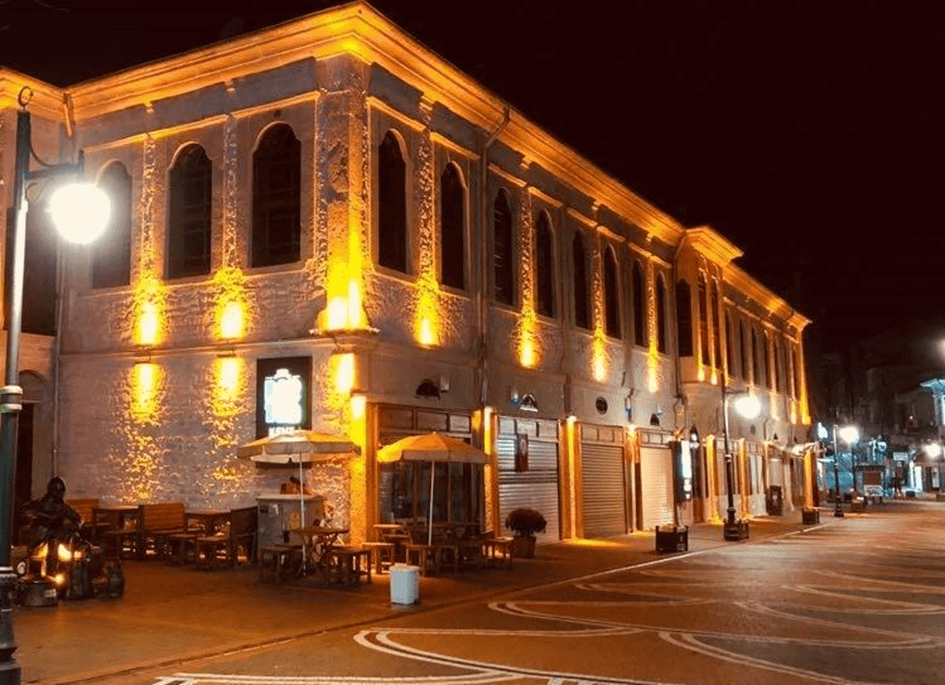
Bartın City Museum (Bartın Provincial Directorate of Culture and Tourism)
The building housing the museum was constructed in 1885 as the İptidai and Rüştiye School. From 1924 to 1949 it served as the Republican Primary School, and from 1953 to 2008 it functioned as the administrative building of Bartın Municipality. The Bartın Municipal Council decided on 6 April 2016, with Decision No. 99, to convert the building into a city museum. After restoration and renovation works, it was opened to the public on 27 January 2018.
The historic building reflects the late Ottoman period civil architectural style of the 19th century. The two-story rectangular structure features stone masonry walls and wooden flooring. Its symmetrical façade, large windows and wooden joinery give the building a simple yet imposing appearance. During restoration, original architectural details were preserved, and modern exhibition infrastructure suitable for museum functions was added.
Bartın City Museum is arranged over two floors on an area slightly larger than 700 m². A total of 2,070 artifacts and materials are exhibited, donated by 113 individuals.
The museum also records Bartın’s social memory through interactive oral history projects.
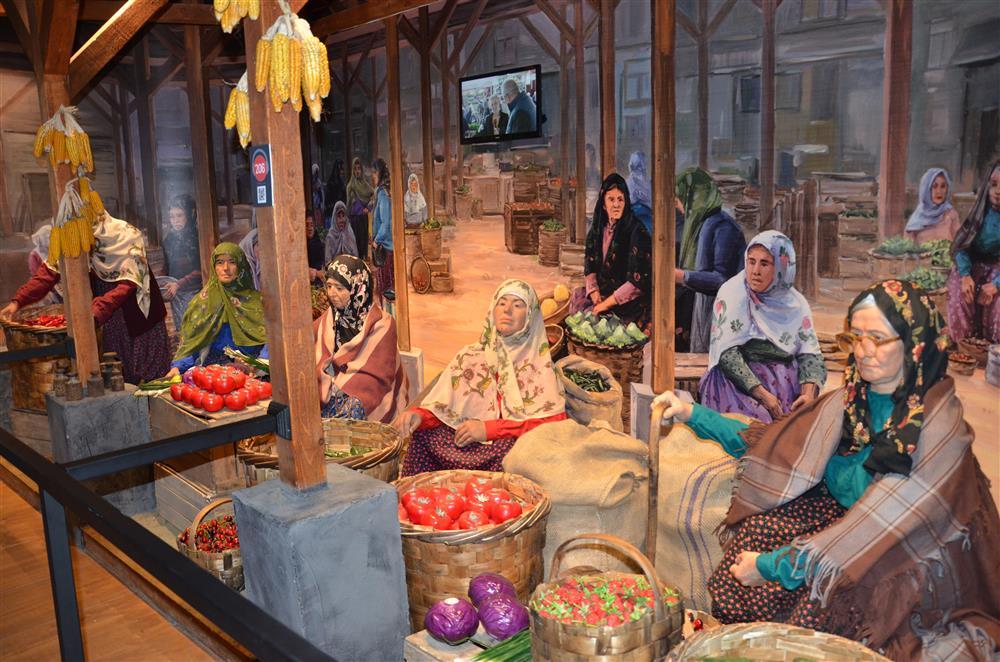
The museum comprehensively explores Bartın’s 4,000-year history. Visitors are presented with numerous themes including geographical structure, natural disasters, transportation, endemic species, craftsmanship, shipbuilding, trade, mining, market culture, architectural heritage, political developments, education and press history, literature, folk traditions, domestic life, culinary culture and tourism.
The museum is open daily except Mondays from 09:30 to 18:30. Since its opening, Bartın City Museum has attracted more than 90,000 visitors annually.
In observance of 25 November International Day for the Elimination of Violence Against Women, Bartın Municipality transformed the exterior lighting of the museum to orange. The color orange, chosen by the United Nations, symbolizes hope, solidarity and a world free from violence. Mayor Muhammet Rıza Yalçınkaya stated that this initiative aims to raise social awareness.
Bartın Municipality. "Kent Müzesi Turuncuya Büründü." Bartın Belediyesi Web Sitesi. Accessed August 16, 2025.
T.C. Kültür ve Turizm Bakanlığı. "Müzeler ve Örenyerleri." Bartın İl Kültür ve Turizm Müdürlüğü. Accessed August 16, 2025.
Çetin, Emrah. “Bartın Kent Müzesi.” Türkiye Turizm Ansiklopedisi. Accessed August 16, 2025. https://turkiyeturizmansiklopedisi.com/bartin-kent-muzesi
Location | Bartın / Türkiye | ||||||||
|---|---|---|---|---|---|---|---|---|---|
Founding Date | 27 January 2018 | ||||||||
Founding Institution | Bartın Municipality | ||||||||
Building Date | 1885 (constructed as an elementary and intermediate school) | ||||||||
History
Architectural Features
Museum Layout and Content
Themes
Visit Information
Social Responsibility and Awareness Campaigns