


This article was automatically translated from the original Turkish version.
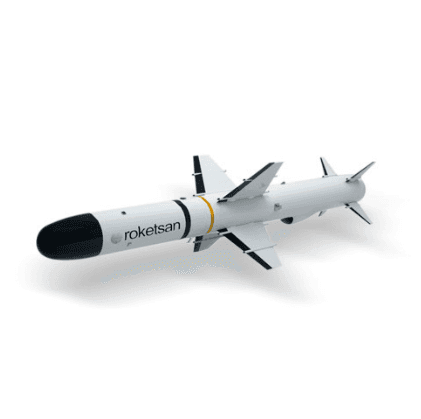
ATMACA Anti-Ship Missile
Menzil | 250 km | ||||||||
|---|---|---|---|---|---|---|---|---|---|
Length | 4.3 - 5.2 m | ||||||||
Weight | less than 750 kg | ||||||||
Warhead Weight | 220 kg | ||||||||
Motor | TR40 Turbojet Engine KTJ-3200 Turbojet Engine | ||||||||
Guidance System | Barometric Radar Altimeter Global Positioning System (GPS) Inertial Navigation System (INS) | ||||||||
Seeker Head | Active RF Radar Seeker Head | ||||||||
Targeting Methods | Moving Surface Targets Fixed Land Targets Target Update Reattack Capabilities | ||||||||
The ATMACA Anti-Ship Missile is a high-precision anti-ship missile developed by Türkiye using its own local and national capabilities for naval operations. Developed by Roketsan, ATMACA is a critical defense system designed to enhance the defense and offensive capabilities of the Turkish Navy. This missile, now integrated into the inventory of the Turkish Armed Forces, features superior attributes such as long range, low-altitude cruise capability, and precise target tracking.
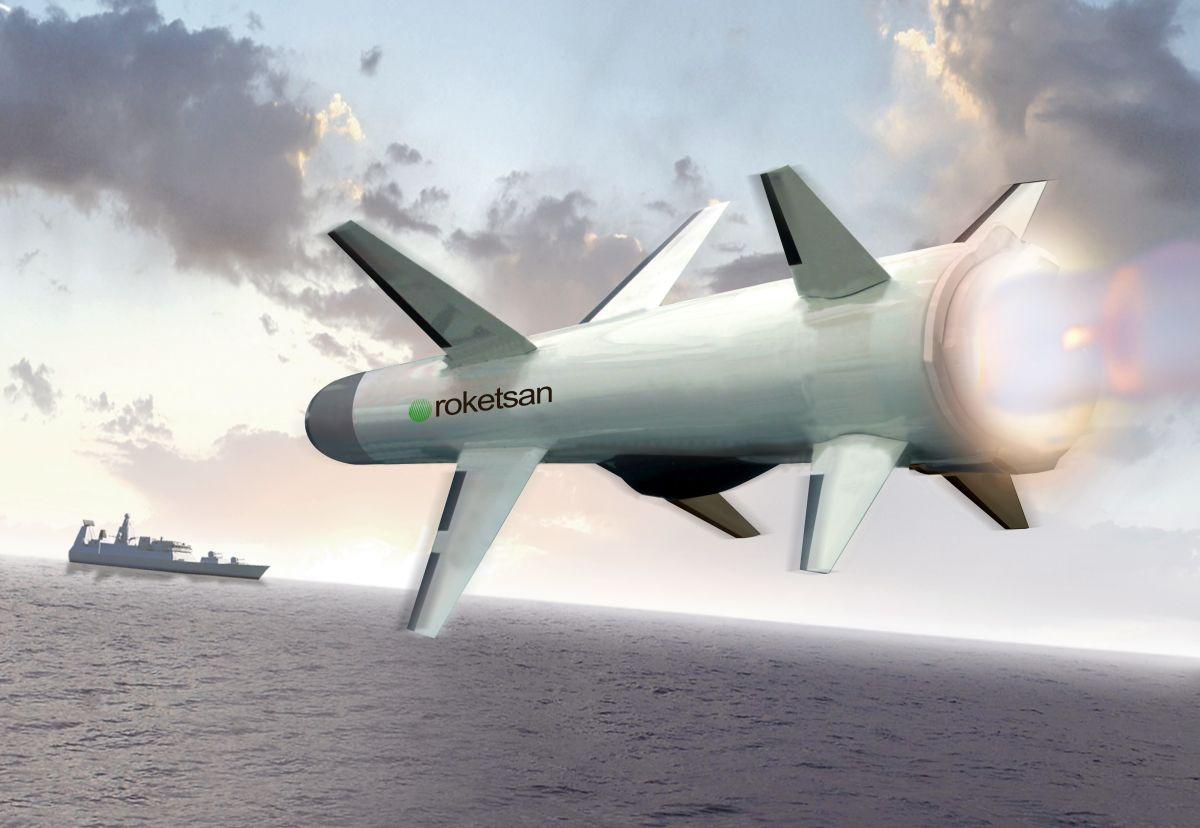
ROKETSAN - ATMACA Anti-Ship Missile (Credit: roketsan.com)
The development of ATMACA was initiated in 2009 under Roketsan’s prime contractorship, in collaboration with Turkish defense industry companies such as ASELSAN and ARMERKOM. The project was developed using local and national resources to meet the Turkish Navy’s requirement for an anti-ship missile. Following successful tests in 2018, a Series Production Agreement was signed in 2019. ATMACA has positioned Türkiye among the five countries in the world capable of producing their own anti-ship missiles.
ATMACA minimizes the likelihood of detection by radar by flying at extremely low altitudes above sea level. This feature, known as Super Sea Skimming, enables the missile to approach its target at low altitude, significantly reducing the time available for target platforms to detect and respond to the incoming threat. Flying at a speed of 0.85 Mach, the missile leaves minimal reaction time before impact.
The missile’s active radar seeker and inertial navigation system (INS) ensure accurate target acquisition and tracking even if GPS signals are jammed or disrupted. This capability renders ATMACA resilient against electronic warfare attacks.
The initial integration of ATMACA was carried out on warships such as the Milgem-class corvettes and Gabya-class frigates. The missile has been successfully integrated into the Turkish Navy’s fleet, with its first launch conducted from the TCG KINALIADA corvette. Additionally, plans are underway to integrate ATMACA onto Turkish F-16 fighter jets. This will transform ATMACA into a system capable of engaging targets not only from naval platforms but also from the air.
The first test launch of ATMACA was conducted on 4 November 2019 from the TCG KINALIADA corvette. The first live warhead launch took place on 4 February 2021, and on 18 June 2021, the retired TCG IŞIN ship was successfully hit during a test in the Black Sea. These tests have demonstrated the effectiveness and reliability of ATMACA.
ATMACA is a critical system that enhances the power and maritime defense capabilities of the Turkish Navy. Its features—including a 250 km range, low radar signature, high target hit accuracy, and low-altitude flight capability—provide a significant advantage when compared to other anti-ship missiles worldwide. The missile offers a substantial upgrade over older foreign systems such as Harpoon and Exocet.
The development and integration of ATMACA reflect Türkiye’s firm commitment to defense industry independence and domestic production. Furthermore, with the deployment of ATMACA, the Turkish Navy has acquired an effective strike capability against both maritime and land targets.
Future versions of ATMACA will be adapted for compatibility with different platforms such as submarines and coastal defense batteries, expanding its operational scope. Additionally, the capability to be launched from torpedo tubes is expected to be incorporated into subsequent generations of this missile.
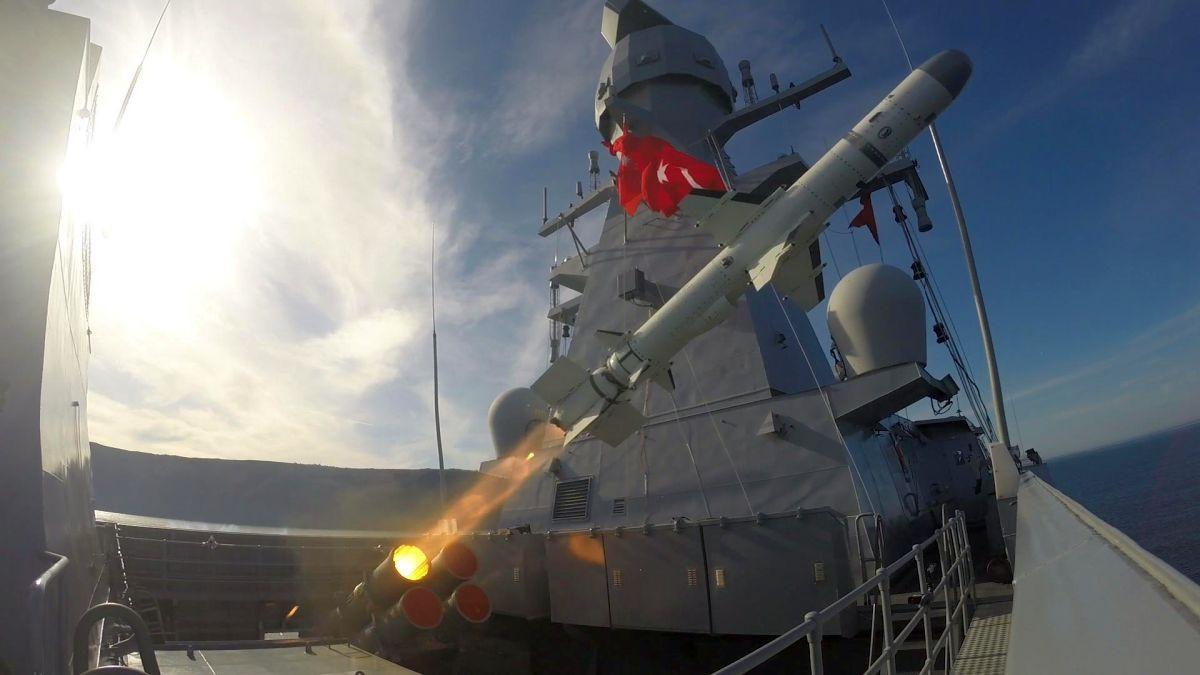
ATMACA Anti-Ship Missile during launch from a ship (Credit: roketsan.com)
Test launch of the encapsulated ATMACA cruise missile from a submarine, 12.03.2025.
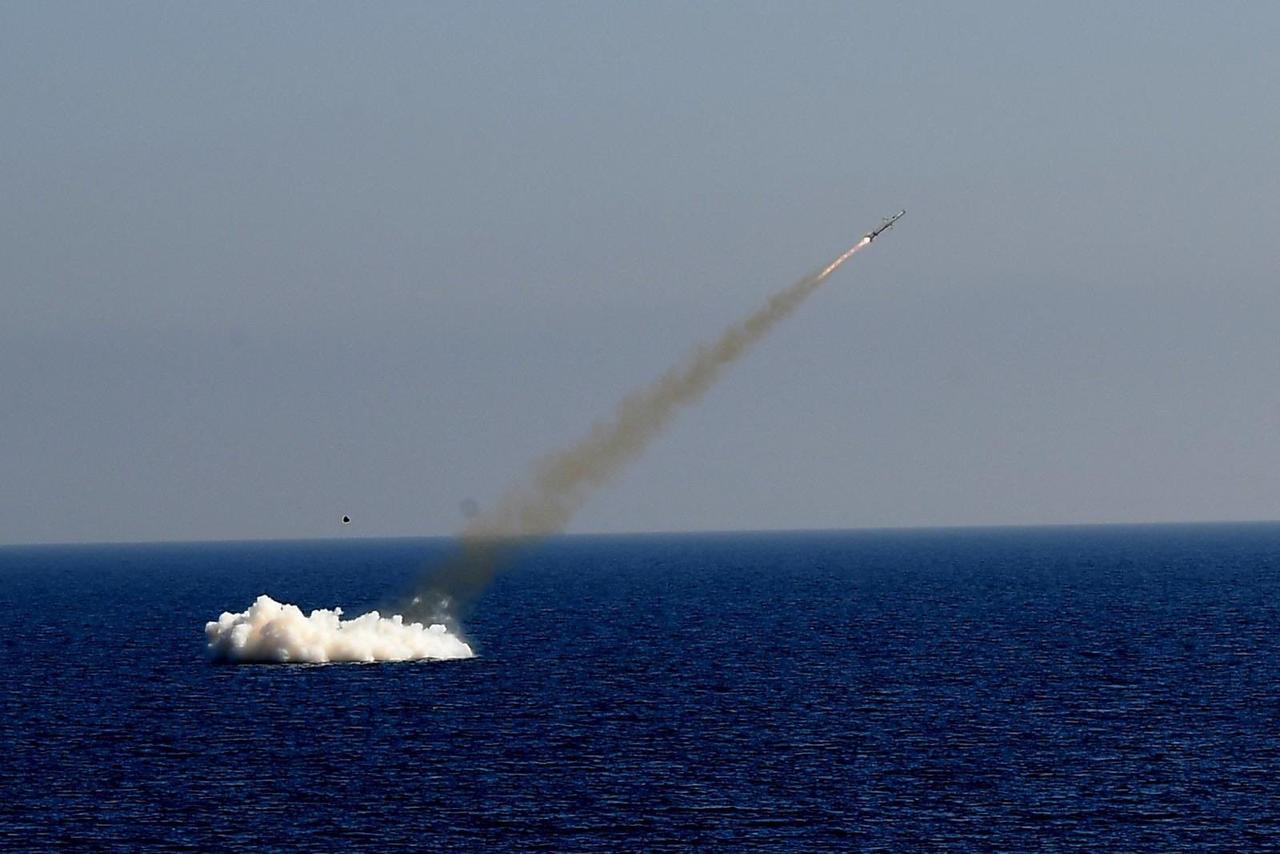
ATMACA Anti-Ship Missile launched from a submarine, 12.03.2025. (Credit: Demirören Haber Ajansı)
Mavi Vatan. (2023). “ROKETSAN Atmaca Gemisavar Füzesi”.Accessed Adresi.
Mechtekno. (2021). “Atmaca Gemisavar Füzesi ve Rakipleri Arasındaki Farklar”.Accessed Adresi.
ROKETSAN. "ATMACA Gemisavar Füzesi."Accessed Adresi.
SavunmaSanayiST. (2023). “F-16’lara uyumlu ATMACA Gemisavar Füzesi geliyor”.Accessed Adresi.
SavunmaSanayiST. (2023). “Roketsan’dan ilk seri üretim ATMACA Füzesi teslimatı”.Accessed Adresi.
Turkish Armed Forces Strengthening Foundation. (2025). “ATMACA Gemisavar Füzesi”.Accessed Adresi.
Yüzüncü Yıl Galerisi. (2024). “ATMACA GEMİSAVAR FÜZESİ”.Accessed Adresi.

ATMACA Anti-Ship Missile
Menzil | 250 km | ||||||||
|---|---|---|---|---|---|---|---|---|---|
Length | 4.3 - 5.2 m | ||||||||
Weight | less than 750 kg | ||||||||
Warhead Weight | 220 kg | ||||||||
Motor | TR40 Turbojet Engine KTJ-3200 Turbojet Engine | ||||||||
Guidance System | Barometric Radar Altimeter Global Positioning System (GPS) Inertial Navigation System (INS) | ||||||||
Seeker Head | Active RF Radar Seeker Head | ||||||||
Targeting Methods | Moving Surface Targets Fixed Land Targets Target Update Reattack Capabilities | ||||||||
No Discussion Added Yet
Start discussion for "ATMACA Anti-Ship Missile" article
Development Process
Features
Integration and Usage
Historical Development
Strategic Importance
Future Perspectives
Technical Specifications
System Features