


This article was automatically translated from the original Turkish version.
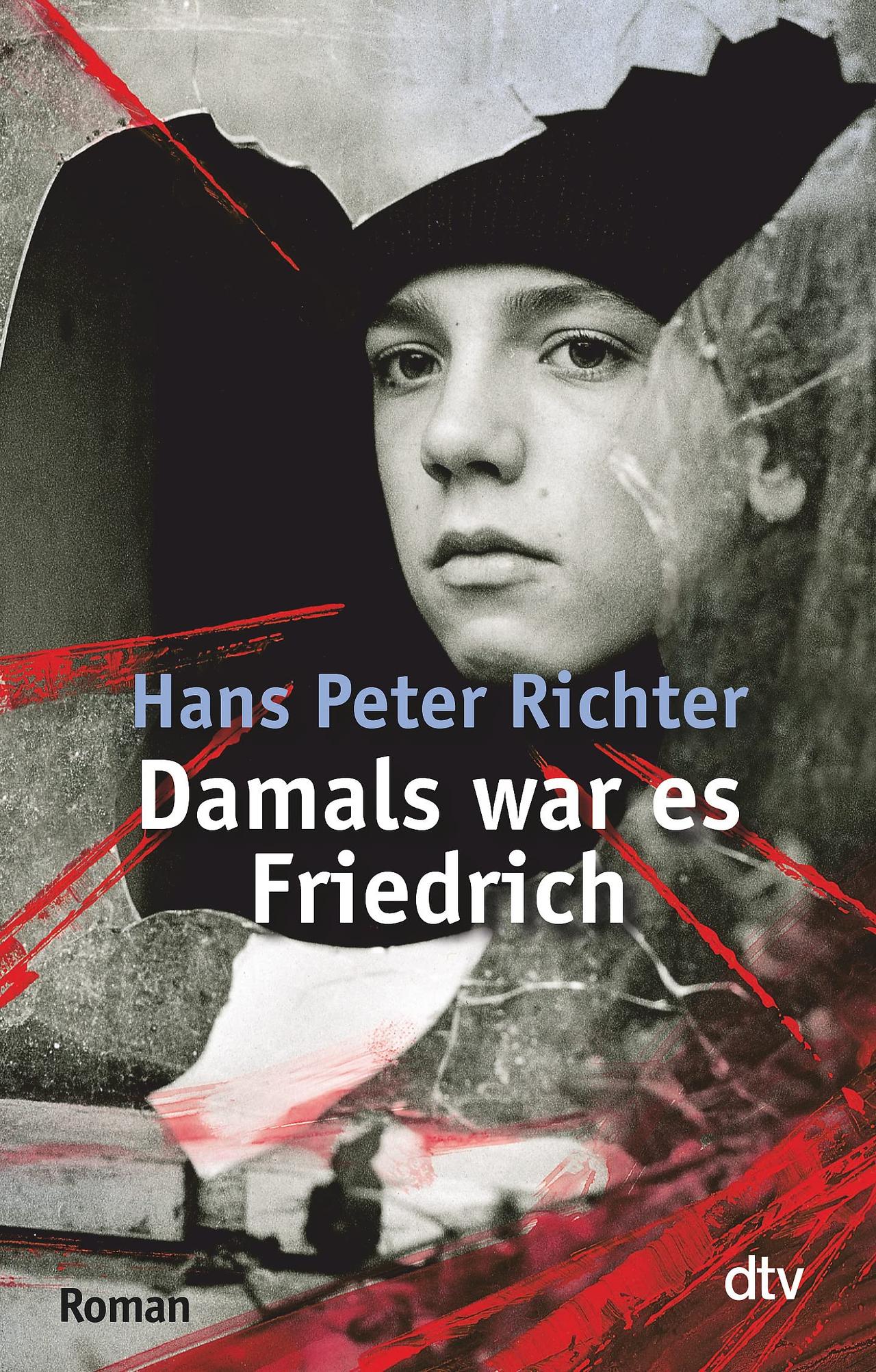
At that time, it was Friedrich.
Author(s) | Hans Peter Richter | ||||||||
|---|---|---|---|---|---|---|---|---|---|
Year of Publication | 2010 | ||||||||
Number of Pages | 176 | ||||||||
Language of Writing | German | ||||||||
Publisher(s) | DTV | ||||||||
Damals war es Friedrich (Turkish: O Zamanlar Friedrich Vardı) is a children’s novel written by Hans Peter Richter and first published in 1961. The book tells the story of a friendship set against the backdrop of the rise of Nazism in Germany. Richter aimed through this work to provide young readers with an emotional and instructive window into understanding this historical period.
The novel focuses on Nazi Germany during the 1930s and 1940s through the eyes of two children: Friedrich and the narrator. Friedrich is a Jewish boy whose life becomes increasingly difficult due to the antisemitic practices of the time. The narrator is his close friend. The text recounts Friedrich’s experience of discrimination, exclusion, and ultimately his destruction by the Nazi regime. Themes of friendship, loyalty, humanity, and injustice are explored. The story presents, in a narrative tailored for young readers, the social and political pressures faced by the Jewish population in Germany before and during the Second World War.
Richter uses simple yet powerful language to reach child and adolescent readers. The book draws attention by dramatizing historical facts in a way accessible to children. Because the narrative is told from a child’s perspective, events are presented with both emotional and didactic insight. As a result, the novel has become a frequently assigned text in educational institutions and schools.
Damals war es Friedrich addresses themes of antisemitism and genocide in Germany under the Nazi regime. The book is regarded as a tool for transmitting to younger generations the human rights violations and systematic oppression of that era. The novel explicitly depicts how antisemitism infiltrated daily life and affected society.
Key themes in the novel include friendship, justice, human rights, hatred, and exclusion. Friedrich’s hardships reveal the impact of racism and othering on children. Friendship emerges as a symbol of hope and solidarity. The book enables readers to develop empathy and understand historical events on a personal level.
The novel Damals war es Friedrich has gained an important place in children’s and young adult literature, particularly in Germany and many other countries. Due to its use of accessible language to address historical events, it is widely evaluated within pedagogical contexts. The social changes and discriminations of Nazi Germany are portrayed through the eyes of a child, aiming to foster fundamental awareness of the era. For this reason, the work has been used as a source text in various educational programs dealing with the Holocaust and Nazi Germany.
The book has been translated into many languages beyond German and published in numerous countries. These translations have increased its international recognition and influence. It has also been adapted for the theater and performed for educational purposes.
Today, Damals war es Friedrich is regarded as an important resource for preserving historical memory and helping younger generations understand the era of Nazi Germany. By illustrating the impact of historical tragedies on children, the book seeks to cultivate empathy and awareness. In modern educational systems, it is particularly used within the frameworks of human rights and tolerance education.
Richter, Hans Peter. Damals war es Friedrich. 2010.

At that time, it was Friedrich.
Author(s) | Hans Peter Richter | ||||||||
|---|---|---|---|---|---|---|---|---|---|
Year of Publication | 2010 | ||||||||
Number of Pages | 176 | ||||||||
Language of Writing | German | ||||||||
Publisher(s) | DTV | ||||||||
No Discussion Added Yet
Start discussion for "At that time, it was Friedrich (Book)" article
Plot and Summary
Writing Style and Target Audience
Historical Context
Themes and Motifs
Literary and Cultural Impact
Adaptations and Translations
Contemporary Significance