


This article was automatically translated from the original Turkish version.
+1 More
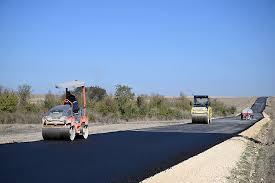
Asphalt Material
Material Type | Asphalt Pavement Material | ||||||||
|---|---|---|---|---|---|---|---|---|---|
Main Component | Asphalt (Binder) + Aggregate (Mineral Material) | ||||||||
Application Area | Airports Parking Lots Sidewalks Highways Decorative Areas | ||||||||
Production Temperature | 140–180 °C (Hot Mix), 110–140 °C (Warm Mix) | ||||||||
Recycling Status | 100% Recyclable | ||||||||
Innovative Feature | Self-Healing, Decorative Asphalt, Eco-Friendly Production | ||||||||
Asphalt is a flexible durable and water-resistant pavement material produced by mixing bitumen a petroleum-derived binder with mineral aggregates in specific proportions. Bitumen is a hydrocarbon with a black or dark brown semi-solid or viscous consistency and forms the binding component of asphalt. Asphalt is an indispensable material in road construction due to its production at high temperatures the necessity for rapid laying and compaction and its reliable surface performance.
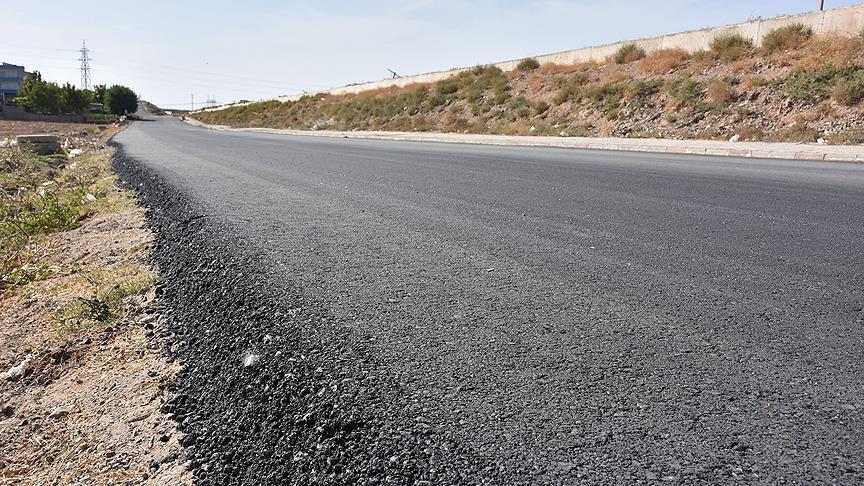
Asfaltlama işlemi yapılmış yol (AA)
The history of asphalt extends back to antiquity. The Sumerians used bitumen and asphalt in the 3rd millennium BCE for construction and waterproofing purposes. Asphalt was also employed in Babylonian and Assyrian civilizations to ensure water tightness in temple foundations and city walls. The Hanging Gardens of Babylon constructed in 625 BCE during the reign of King Nebuchadnezzar were coated with asphalt to provide waterproofing for the ground level.
The foundation of modern asphalt technology was laid in the mid-19th century by Belgian engineer Edward de Smedt who systematically applied bituminous pavements. The first modern asphalt road surface was constructed in 1870 in Newark New Jersey.
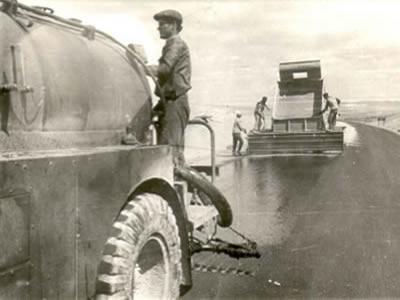
Cumhuriyetin İlk Yıllarına Ait Asfaltlama İşlemi (asmud)
Asphalt is classified into various categories based on production method application location and performance criteria:
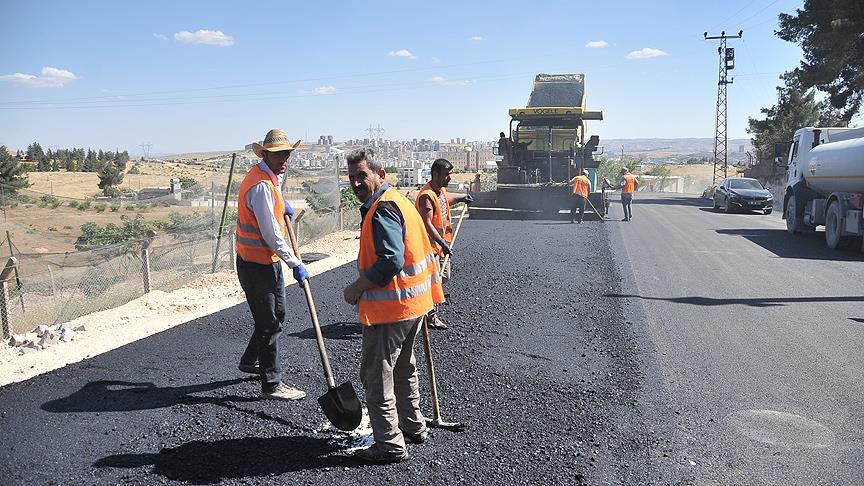
Asfalt Serim İşlemi Yapan İşçiler (AA)
Asphalt production is typically carried out in facilities known as asphalt plants. In these plants aggregates bitumen and additives are mixed in specified proportions to produce asphalt mixtures. Production plants are classified as:
Aggregates are dried at temperatures of 140–160°C before being mixed with bitumen. After homogenization the mixture is laid on the road using asphalt pavers and compacted with vibratory or pneumatic rollers.
Asphalt is typically applied in two layers within road structures:
Beneath these layers granular base and subbase layers such as plant-mix base are installed. The success of an asphalt pavement is directly related to the thickness of the layers the quality of compaction and the bitumen content used.
Various additives are used to enhance asphalt performance. These include:
Asphalt is not limited to vehicle roads and can also be used for decorative purposes. Colored and patterned asphalt provides aesthetic solutions for plazas parks parking lots and pedestrian pathways. Asphalt surfaces colored with acrylic or epoxy-based paints and stamped with templates gain visual variety.
Asphalt is a 100 percent recyclable material. Reusing milled old asphalt in new mixtures reduces costs and lowers consumption of natural resources. The use of reclaimed asphalt pavement (RAP) is important for energy savings and emission reduction.
Asphalt is one of the fundamental building blocks of modern road engineering due to its historical development production techniques performance-enhancing additives and sustainable usage options. Alongside conventional hot mixes innovations such as eco-friendly warm mixes self-healing structures and decorative applications are shaping the future of asphalt.
Alataş, Taner and Akın İstek. "Farklı Katkılarla Hazırlanan Asfalt Karışımların Sünme Performanslarının İncelenmesi." DÜMF Mühendislik Dergisi 11, no. 2 (2020): 745–758.
Anadolu Ajansı. "Asfalt İşçilerin Ramazan Mesaisi." Anadolu Ajansı, June 1, 2017. Accessed May 27, 2025.https://www.aa.com.tr/tr/turkiye/asfalt-iscilerin-ramazan-mesaisi/832615
Anadolu Ajansı. "Batman'da 17 günde 20 bin ton asfalt serildi." Accessed May 27, 2025.https://www.aa.com.tr/tr/turkiye/batmanda-17-gunde-20-bin-ton-asfalt-serildi-/666741
Büyüksaraçoğlu, Yalçın. Asfalt Yol İnşaatının Tedarik Zincirinin Simülasyon Tabanlı Modellenmesi. Master's thesis, İstanbul Teknik Üniversitesi, 2009.
Namlı, Remzi. "Farklı Bitüm Yüzdelerinin Asfalt Betonunun Sıkışabilirliğine Etkisi." Doğu Anadolu Bölgesi Araştırmaları (2006): 1–8.
Nas, Bahar. "Kendiliğinden İyileşen Asfalt, Mikrokapsüllerin Oluşturulması ve Performansa Etkisi." Euroasia Journal of Mathematics, Engineering, Natural & Medical Sciences 7, no. 12 (2020): 93–99.
Tunay, Canan. Dekoratif Kaplama Sistemlerinde Asfalt Kullanımı ve Alternatif Yöntemler ile Teknik-Ekonomik Yönden Karşılaştırılması. Master's thesis, Süleyman Demirel Üniversitesi, 2008.
Türkiye Asfalt Contractors Association. "Asfaltın Tarihçesi." Accessed May 27, 2025.https://www.asmud.org.tr/Asfalt_Tarihi.asp

Asphalt Material
Material Type | Asphalt Pavement Material | ||||||||
|---|---|---|---|---|---|---|---|---|---|
Main Component | Asphalt (Binder) + Aggregate (Mineral Material) | ||||||||
Application Area | Airports Parking Lots Sidewalks Highways Decorative Areas | ||||||||
Production Temperature | 140–180 °C (Hot Mix), 110–140 °C (Warm Mix) | ||||||||
Recycling Status | 100% Recyclable | ||||||||
Innovative Feature | Self-Healing, Decorative Asphalt, Eco-Friendly Production | ||||||||
History
Types of Asphalt
Production Process and Plant Technologies
Use in Road Structures and Layer Configuration
Additives and Modification
Decorative and Alternative Applications
Recycling and Sustainability