


This article was automatically translated from the original Turkish version.
+1 More
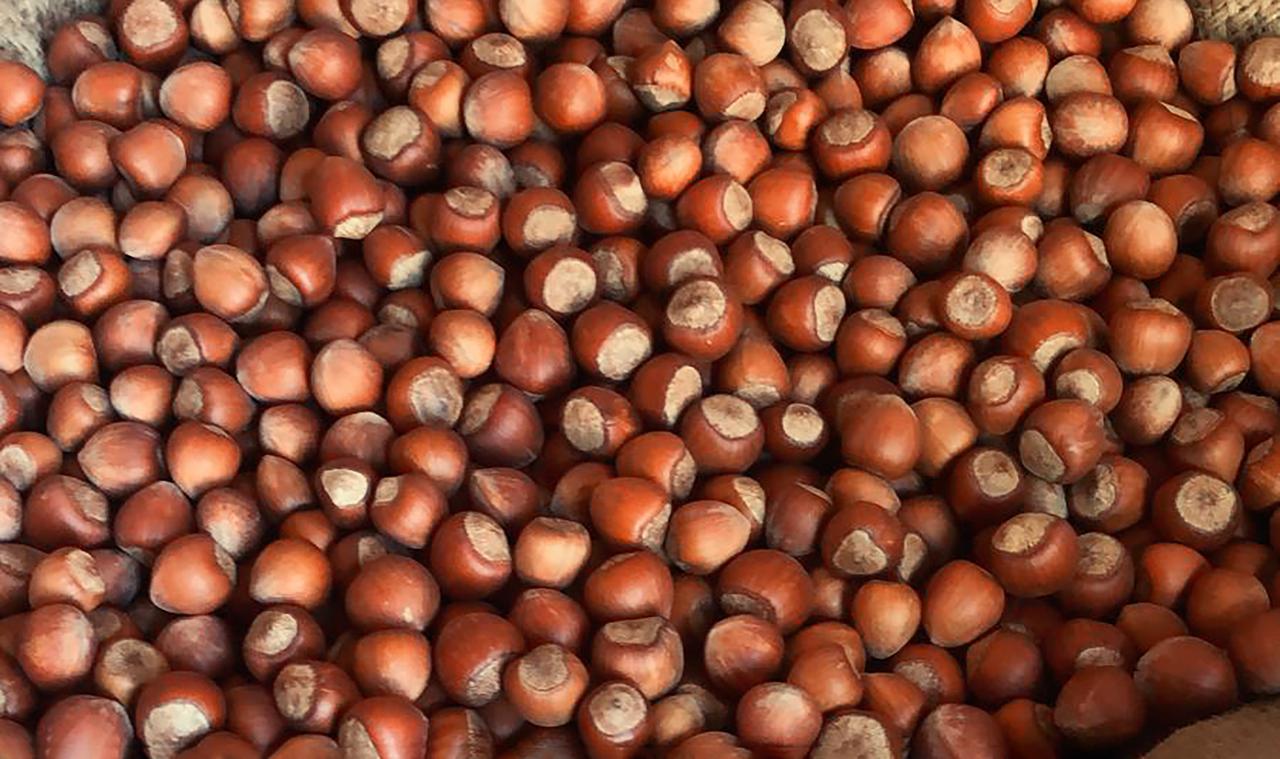
Arsin Foşa Hazelnut
Registration Number | 1276 | ||||||||
|---|---|---|---|---|---|---|---|---|---|
Registration Date | 08.12.2022 | ||||||||
Application Number | C2022/000055 | ||||||||
Application Date | 15.02.2022 | ||||||||
Name of the Geographical Indication | Arsin Foşa Fındığı | ||||||||
Product / Product Group(s) | Hazelnut / Processed and Unprocessed Fruits Vegetables and Mushrooms | ||||||||
Type of Geographical Indication | Geographical Indication | ||||||||
Applicant/Registrant(s) | Arsin Municipality | ||||||||
Address of the Registrant | Yalı Mah, Şht. Astsubay Halil Albayrak Cd. No:52 Arsin TRABZON | ||||||||
Geographical Boundary | Arsin District Trabzon Province | ||||||||
Arsin Foşa Hazelnut is a unique hazelnut variety native to the Arsin district of Trabzon province in Türkiye’s Black Sea Region. This product was officially registered with a geographical indication by the Turkish Patent and Trademark Office on 8 December 2022. The registration application was submitted by the Arsin Municipality on 15 February 2022.
Arsin Foşa Hazelnut is a variety of foşa hazelnut grown exclusively in the Arsin district of Trabzon province. It is also known locally as “boyhane.” It is marketed either in bulk or in jute sacks with a maximum moisture content of 12% in the shell.
The history of Arsin Foşa Hazelnut dates back to the Ottoman period. Tax records from 1486 (tapu-tahrir defteri) indicate that hazelnut cultivation in the region was conducted at a taxable scale. Records from the Trabzon Vilayet Yearbooks and 17th-century Trabzon qadi registers document hazelnut farming activities in the area.

Arsin Foşa Hazelnut, (generated by artificial intelligence.)
Arsin Foşa Hazelnut is an early to mid-season maturing variety. Harvest typically occurs between 10 and 15 August. Female flowers open in mid to late season (10–20 January), while male flowers open in early season (10–20 January). The fruit is round in shape with a reddish-brown, matte and slightly hairy shell. The number of nuts per kilogram in shell ranges from 298 to 405.
Fruit size and kernel yield vary, with kernel yield ranging from 46.88% to 55.12%. Shell thickness measures between 1.05 mm and 1.51 mm. Total oil content is 55.2%, protein content is 15.42%, saturated fatty acid content is 4.75%, and monounsaturated fatty acid content is 46.87%. It is particularly notable for its high oleic acid content (84.41%).

Arsin Foşa Hazelnut, (generated by artificial intelligence.)
Arsin Foşa Hazelnut is produced using the foşa variety of hazelnut. The optimal planting period is autumn. A single-tree planting system is applied, with spacing between trees ranging from 4.5 to 8 meters depending on land conditions. Soil analysis is conducted prior to planting to determine fertilizer requirements.
Fertilization is carried out according to soil analysis results. Pruning is performed during autumn-winter (October–December) and spring (March–May). Pollination occurs via wind, and the period from flowering to fertilization lasts approximately 3 to 5 months. Harvest maturity is determined by the color change of the husks and the ease with which the nuts detach from the branches.
Harvest begins when husks turn yellow and reddish, the nuts acquire their natural color, and they detach easily from the branches. Harvesting is done manually or with auxiliary tools. Husked hazelnuts are spread on concrete threshing floors to dry in the sun, then transferred to hullers to separate the husks. Drying continues until the nuts reach a moisture content of 12%.
Harvesting is performed manually or with auxiliary tools; nuts that fall to the ground from shaking branches are collected. To prevent contamination by fungi such as Aspergillus flavus, nuts must be collected immediately after falling to the ground and not left exposed.
Dried hazelnuts are stored in jute sacks or in bulk. After drying, they are stored in shell form with a maximum moisture content of 12%, either in jute sacks or in bulk. Storage facilities must maintain appropriate conditions regarding humidity, temperature and pest control. Temperature should be maintained between 15–20 °C, with adequate ventilation and insulation.
All production stages of Arsin Foşa Hazelnut must take place within the boundaries of the Arsin district of Trabzon province. Monitoring is conducted at least once annually under the coordination of the Arsin Municipality, with participation from the Arsin Chamber of Agriculture and relevant experts. Inspections cover compliance with production methods, physical properties of the product, and proper use of the registered logo and geographical indication mark. The term “Arsin Foşa Hazelnut” must be displayed together with the registered logo and geographical indication mark in a visible manner on the product packaging or within the production facility.
Production, processing and storage must all occur entirely within the boundaries of the Arsin district. Inspections are carried out at least once per year by a commission established under the coordination of the Arsin Municipality.
This hazelnut variety has a cultivation area limited exclusively to the Arsin district. Hazelnut farming activities in the region were recorded in Ottoman tax registers (tapu-tahrir defteri) dating back to 1486. Similarly, 17th-century Trabzon qadi records and Trabzon Vilayet Yearbooks document both the historical presence and economic significance of hazelnut production in Arsin. This historical continuity establishes a strong link between Arsin Foşa Hazelnut and its geographical origin.
Turkish Patent and Trademark Office (TÜRKPATENT). 2020. *Sürmene Pidesi*. National Geographical Indications Database. Accessed May 20, 2025. https://ci.turkpatent.gov.tr/cografi-isaretler/detay/6109.
Turkish Patent and Trademark Office (TÜRKPATENT). 2022. "Arsin Foşa Fındığı: Coğrafi İşaret Tescil Belgesi." Ankara: TÜRKPATENT. Accessed May 20, 2025.

Arsin Foşa Hazelnut
Registration Number | 1276 | ||||||||
|---|---|---|---|---|---|---|---|---|---|
Registration Date | 08.12.2022 | ||||||||
Application Number | C2022/000055 | ||||||||
Application Date | 15.02.2022 | ||||||||
Name of the Geographical Indication | Arsin Foşa Fındığı | ||||||||
Product / Product Group(s) | Hazelnut / Processed and Unprocessed Fruits Vegetables and Mushrooms | ||||||||
Type of Geographical Indication | Geographical Indication | ||||||||
Applicant/Registrant(s) | Arsin Municipality | ||||||||
Address of the Registrant | Yalı Mah, Şht. Astsubay Halil Albayrak Cd. No:52 Arsin TRABZON | ||||||||
Geographical Boundary | Arsin District Trabzon Province | ||||||||
No Discussion Added Yet
Start discussion for "Arsin Foşa Hazelnut" article
History
Phenological and Morphological Characteristics
Pomological Characteristics
Chemical Characteristics
Fatty Acid Composition
Production Method
Pruning and Pollination
Harvesting and Threshing
Storage
Geographical Boundary and Monitoring