


This article was automatically translated from the original Turkish version.
+2 More
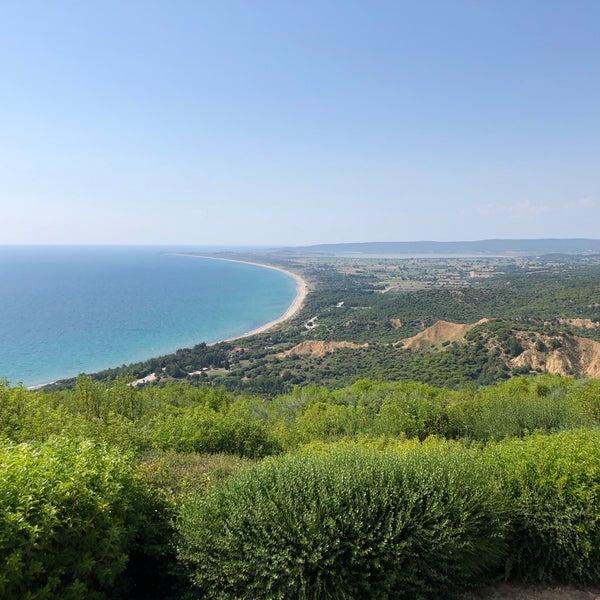
Arıburnu Peninsulas
Location | Çanakkale Province Eceabat District Gallipoli Peninsula | ||||||||
|---|---|---|---|---|---|---|---|---|---|
Historical Significance | It is the area where the Anzac Landing took place on 25 April 1915. It is one of the most intense fronts of the Çanakkale Wars. | ||||||||
Geographical Features | Steep and fragmented slopes; sandstone and clay structures are natural formations vulnerable to erosion and earthquakes. | ||||||||
Current Status | Over time it has begun to lose its original appearance due to erosion storms and earthquakes. | ||||||||
Protection Need | It is an area that must be preserved as historical and natural heritage. War remnants such as trenches and underground tunnels are present. | ||||||||
Arıburnu Cliffs are located in the northwestern part of Türkiye, within the boundaries of Eceabat district in the province of Çanakkale, on the Gallipoli Peninsula. This region extends along the western coast of the peninsula and is notable for its proximity to the Çanakkale Strait. Steep slopes and sharp ridges, with elevations varying across the area, dominate the topography. Composed largely of sandstone and clay layers, these cliffs are highly susceptible to natural erosion processes.
Introduction Video (Source: Youtube-Çanakkale Historical Areas Directorate)
The Arıburnu area gained significant military importance during the Çanakkale Campaign of the First World War in 1915, particularly following the Anzac landing on 25 April 1915. Anzac forces landed near the northern edge of Kabatepe and attempted to advance inland through these cliffs. However, the steep terrain hindered their progress, exposing them to both physical difficulties and fierce resistance from Turk troops.
During the war, Australian and New Zealand soldiers referred to the Arıburnu Cliffs as the “Sphinx”. This name originated from the soldiers’ training in Egypt prior to the campaign. While stationed there, they encountered sphinx statues—mythological figures positioned before pyramids—and drew a resemblance between these monuments and the prominent rocky cliffs of the Gallipoli Peninsula. The silhouette of the steep, vertically rising slopes, which resembled a human face, reinforced this comparison. As a result, the area began to be known as the “Sphinx”.
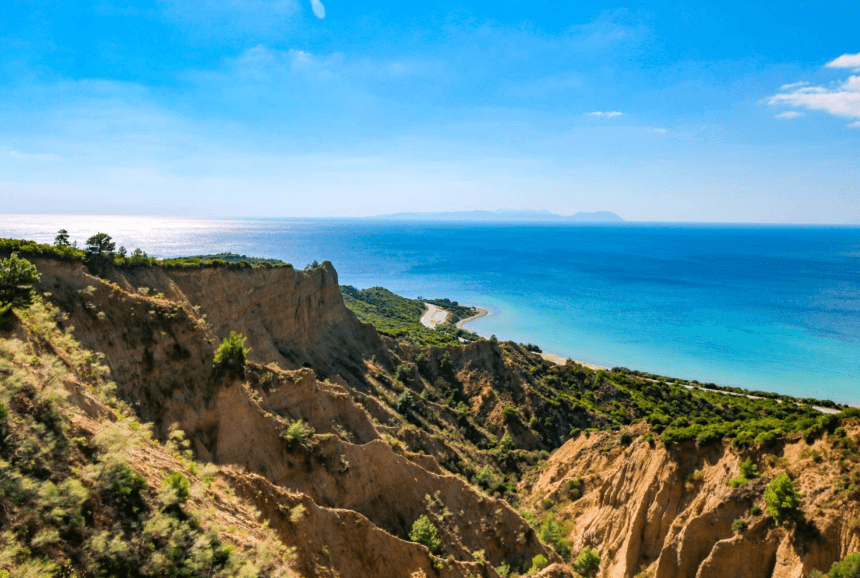
Arıburnu Cliffs (
The Arıburnu Cliffs are composed of materials that are easily eroded. Their mixture of sandstone and clay renders them vulnerable to both wind erosion and rainfall. Over the years, intense rains, strong winds, and marine action have caused significant erosion and collapse across the cliffs. Earthquakes in various years have further accelerated this natural degradation. In particular, during the 2014 earthquake, noticeable sections of the cliffs collapsed, and the Sphinx-like formations began to deteriorate.
The region attracts attention not only for its natural features but also for historical remnants from the war period. On the upper parts of the Arıburnu Cliffs, tunnel systems, mine galleries, and trench remains constructed during the conflict still exist. These structures have suffered damage over time due to natural events, with some areas experiencing collapses. It has been emphasized that protective projects must be implemented to preserve the cultural and historical value of the Gallipoli Peninsula.
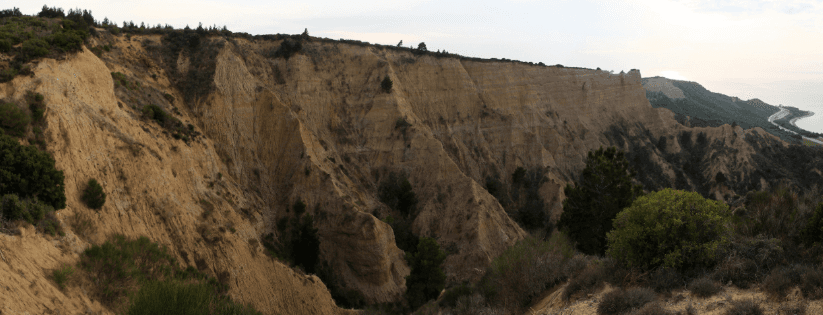
Arıburnu Cliffs
As silent witnesses of war, the Arıburnu Cliffs have stood in place for over a century. Although natural forces have begun to erode their original appearance, the region’s war-tied history and distinctive geographical silhouette render it both symbolically and historically significant. For the Anzac soldiers, this site evoked the struggle of battle and perhaps their first encounter with a cultural symbol—the Sphinx figure. For the Turkish side, it stands as a geographical monument to resistance and sacrifice.
Anadolu Ajansı. "Anzakların Mısır’daki Sfenkslere Benzettiği Arıburnu Yarları, Doğa Koşullarına Direniyor." AA.com.tr. Accessed April 16, 2025.https://www.aa.com.tr/tr/yasam/anzaklarin-misirdaki-sfenkslere-benzettigi-ariburnu-yarlari-doga-kosullarina-direniyor/3198009.
T.C. Çanakkale Savaşları Gelibolu Tarihi Alan Başkanlığı. "Arıburnu Yarları ve Yükseksırt." Çanakkale Tarihi Alan Başkanlığı. Accessed April 16, 2025.https://canakkaletarihialan.gov.tr/index.php/tr/ziyaret/diger-ziyaret-noktalari/ariburnu-yarlari-ve-yukseksirt.
T.C. Çanakkale İl Kültür ve Turizm Müdürlüğü. "Korunan Alanlar, Anıtlar, Meydanlar." Çanakkale Kültür ve Turizm Müdürlüğü. Accessed April 16, 2025.https://canakkale.ktb.gov.tr/TR-70494/korunan-alanlar-anitlar-maydanlar.html.
Çanakkale Savaşları Gelibolu Tarihi Alan Başkanlığı. "Arıburnu Yarları – Belgesel Video." YouTube video. Accessed April 16, 2025.https://youtu.be/S326PR3jnZw?si=QXXaNHrFe4h3pQP2

Arıburnu Peninsulas
Location | Çanakkale Province Eceabat District Gallipoli Peninsula | ||||||||
|---|---|---|---|---|---|---|---|---|---|
Historical Significance | It is the area where the Anzac Landing took place on 25 April 1915. It is one of the most intense fronts of the Çanakkale Wars. | ||||||||
Geographical Features | Steep and fragmented slopes; sandstone and clay structures are natural formations vulnerable to erosion and earthquakes. | ||||||||
Current Status | Over time it has begun to lose its original appearance due to erosion storms and earthquakes. | ||||||||
Protection Need | It is an area that must be preserved as historical and natural heritage. War remnants such as trenches and underground tunnels are present. | ||||||||
No Discussion Added Yet
Start discussion for "Arıburnu Peninsulas" article
The Military Significance of Arıburnu
Origin of the Name “Sphinx”
Natural Erosion and Geological Degradation
Historical Remnants and the Need for Protection
Meaning and Symbolic Value