


This article was automatically translated from the original Turkish version.
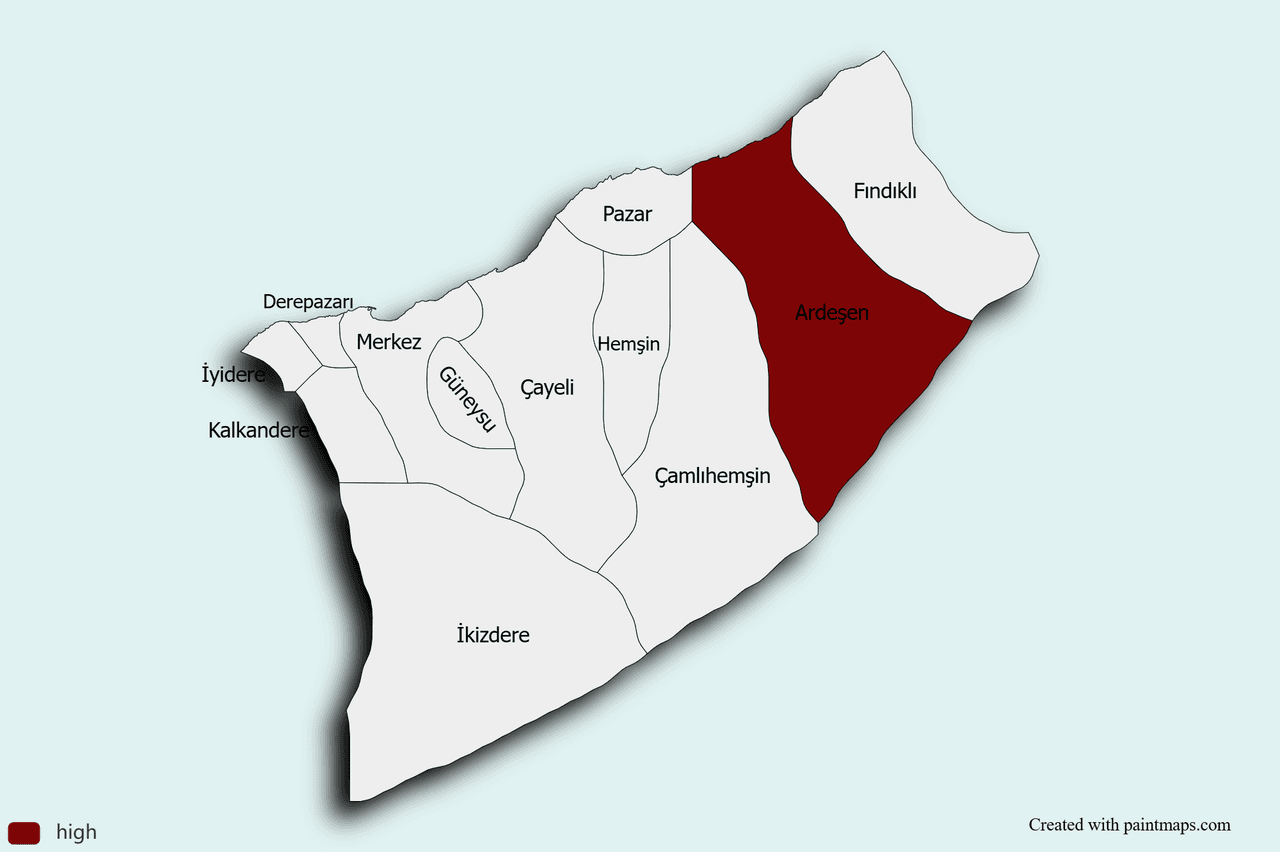
Ardeşen (District)
Province | Rize | ||||||||
|---|---|---|---|---|---|---|---|---|---|
Region | Black Sea | ||||||||
Area | 743 km² | ||||||||
Population | 30.645 (2021 TÜİK) | ||||||||
Elevation | 27 m | ||||||||
Economy | Small industry Tea cultivation Forest products | ||||||||
Tourism | Formula racing Kaçkar meadows Fırtına Creek | ||||||||
Culture | Laz and Hemşin influences, traditional clothing and music | ||||||||
Cuisines | Muhlama, hamsili pilaf, karalahana cabbage rolls | ||||||||
Climate | Black Sea climate (rainy and humid) | ||||||||
Mayor | Enver Atagün | ||||||||
District Governor | Ferhat Altay | ||||||||
Ardeşen is a coastal district of Rize province in Türkiye’s Black Sea Region. Located at the point where the Fırtına Creek flows into the Black Sea, the district attracts attention for its natural beauty, cultural richness, and growing economy. Known as “Art’asheni” in Laz, Ardeşen means “high settlement place”.
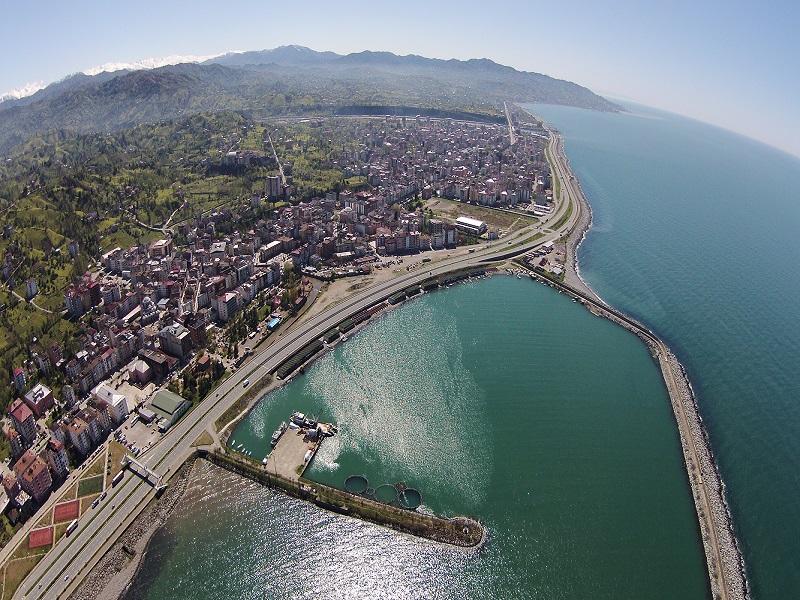
Ardeşen (Source: Ardeşen District Governorship)
Ardeşen’s history extends back to antiquity. The region was successively ruled by Colchis, Lazica, Rome, Byzantium and the Empire of Trebizond. Ardeşen came under Ottoman rule in 1461 and attained district status in 1953. The name of the district derives from the Laz word “Art’asheni”, meaning “high settlement place”.
Ardeşen is situated along the Black Sea coast at the foothills of the Kaçkar Mountains. The district covers an area of 743 km² and has an average elevation of 27 metres above sea level. The region has a typical Black Sea climate, with abundant rainfall throughout the year and high humidity. This climate provides ideal conditions for tea cultivation.
According to 2021 data, Ardeşen’s population is 30,645. The district is home to various ethnic groups, primarily Laz and Hemşinli communities. The majority of the population resides in rural areas, where traditional ways of life continue to have a strong presence.
Ardeşen’s economy is primarily based on agriculture, services and small-scale industry. Tea cultivation is the district’s most important economic activity and supports other sectors in the region. During tea harvesting seasons, seasonal employment increases and related industries such as transportation experience growth. Additionally, industries based on forest products also hold significant importance in the district.
Ardeşen has significant tourism potential due to its natural beauty and cultural richness. The Fırtına Creek offers an ideal environment for nature sports such as rafting, while the Kaçkar Mountains and highland pastures are preferred for trekking and hiking. Additionally, the traditional “Formulaz” wooden cart races held in the village of Tunca are among the region’s cultural events. Ardeşen cuisine features typical Black Sea flavors, with local dishes such as muhlama, hamsili pilaf and minci standing out.
T.C.Ardeşen Belediyesi. "Coğrafyası." T.C. Ardeşen Municipality Official Website. Accessed April 16, 2025.https://ardesen.bel.tr/Ilc/cografyasi.html.
T.C.Ardeşen Belediyesi. "Tarihçemiz." T.C. Ardeşen Municipality Official Website. Accessed April 16, 2025.https://ardesen.bel.tr/Ilc/tarihcemiz.html.
T.C.Ardeşen Kaymakamlığı Governorship. "Ardeşen’s History." T.C. Ardeşen District Governorship Official Website. Accessed April 16, 2025.http://www.ardesen.gov.tr/ardesenin-tarihi.

Ardeşen (District)
Province | Rize | ||||||||
|---|---|---|---|---|---|---|---|---|---|
Region | Black Sea | ||||||||
Area | 743 km² | ||||||||
Population | 30.645 (2021 TÜİK) | ||||||||
Elevation | 27 m | ||||||||
Economy | Small industry Tea cultivation Forest products | ||||||||
Tourism | Formula racing Kaçkar meadows Fırtına Creek | ||||||||
Culture | Laz and Hemşin influences, traditional clothing and music | ||||||||
Cuisines | Muhlama, hamsili pilaf, karalahana cabbage rolls | ||||||||
Climate | Black Sea climate (rainy and humid) | ||||||||
Mayor | Enver Atagün | ||||||||
District Governor | Ferhat Altay | ||||||||
History
Geography and Climate
Population and Demographics
Economy
Tourism, Culture and Cuisine