


This article was automatically translated from the original Turkish version.
+1 More
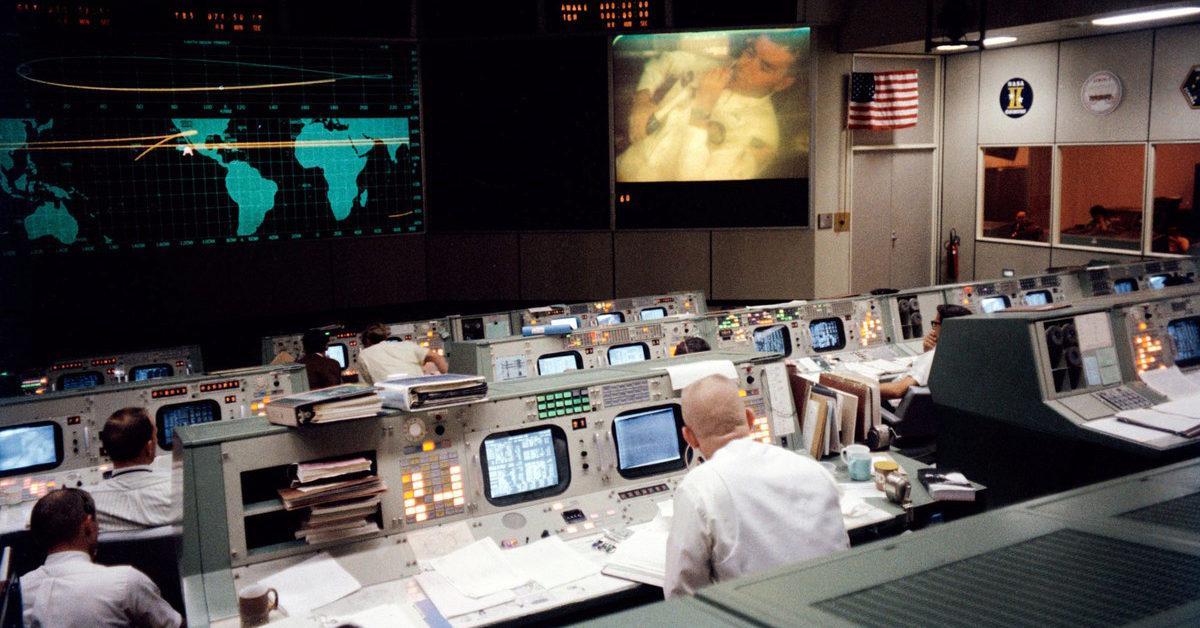
Apollo 13 (Space Mission)
Launch Date | 11 Nisan 1970 | ||||||||
|---|---|---|---|---|---|---|---|---|---|
Launch Site | Kennedy Space Center, Florida | ||||||||
Mission Duration | Approximately 142 hours (5 days, 22 hours) | ||||||||
Crew | James A. Lovell Jr. (Commander), Fred W. Haise Jr. (Lunar Module Pilot), John L. Swigert Jr. (Command Module Pilot) | ||||||||
Objective | Lunar landing (Cancelled) | ||||||||
Command Module | Odyssey | ||||||||
Main Event | Explosion of an oxygen tank in the service module | ||||||||
Iconic Phrase | Houston, we've had a problem. | ||||||||
Return to Earth | 17 April 1970 – Landing in the Pacific Ocean | ||||||||
Recovery Ship | USS Iwo Jima | ||||||||
Mission Significance | One of the most successful rescue operations in the history of human spaceflight | ||||||||
Apollo 13 was the seventh crewed mission and the third lunar landing attempt planned by NASA under the United States’ human spaceflight program, the Apollo Program. Launched on 11 April 1970, the mission was unable to land on the Moon due to a serious technical failure approximately 56 hours after launch. However, it resulted in the safe return of the three-person crew to Earth.
The mission has gone down in space history as a “successful failure”.
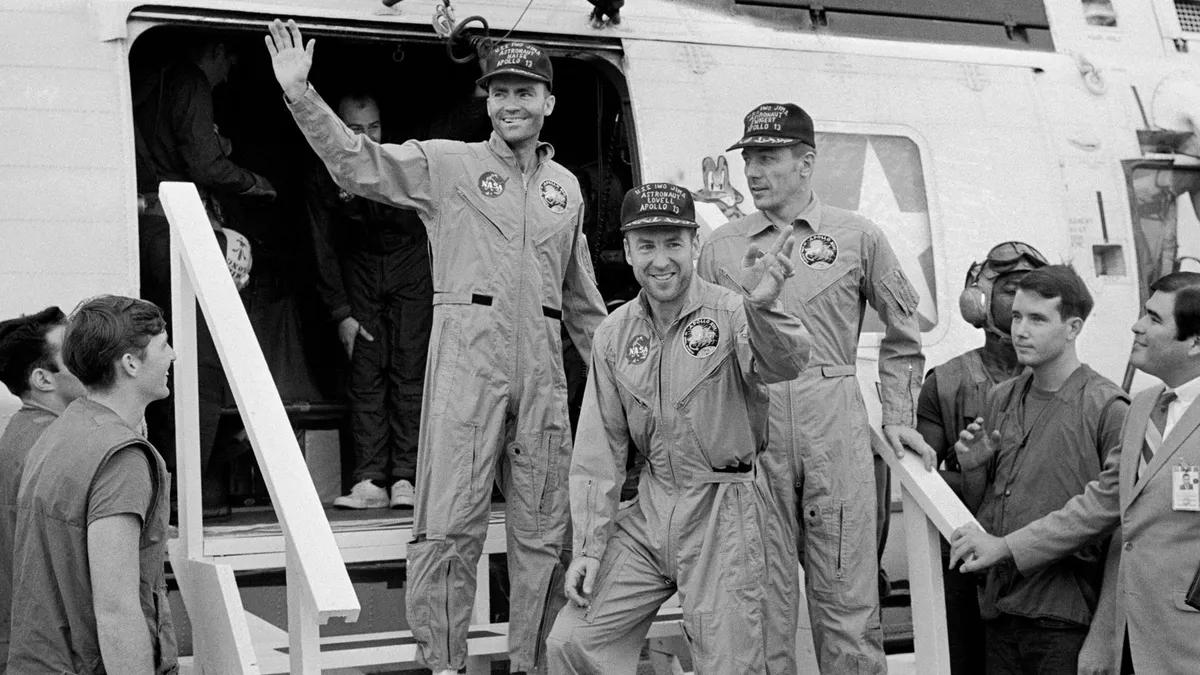
The Apollo 13 crew steps onto the USS Iwo Jima after splashdown in the South Pacific Ocean and recovery operations. From left to right: Fred Haise, James Lovell and John Swigert.NASA
The Apollo 13 mission was planned to conduct scientific exploration of the Moon. Astronauts James A. Lovell Jr. (Commander), Fred W. Haise Jr. (Lunar Module Pilot), and John L. Swigert Jr. (Command Module Pilot) were assigned to the mission. The original Command Module Pilot, Ken Mattingly, was removed from the crew days before launch due to risk of exposure to measles and was replaced by Swigert.
Command Module (Odyssey)
Lunar Module (Aquarius)
Saturn V launch vehicle
The launch was successfully carried out on 11 April 1970 from the Kennedy Space Center in Florida.
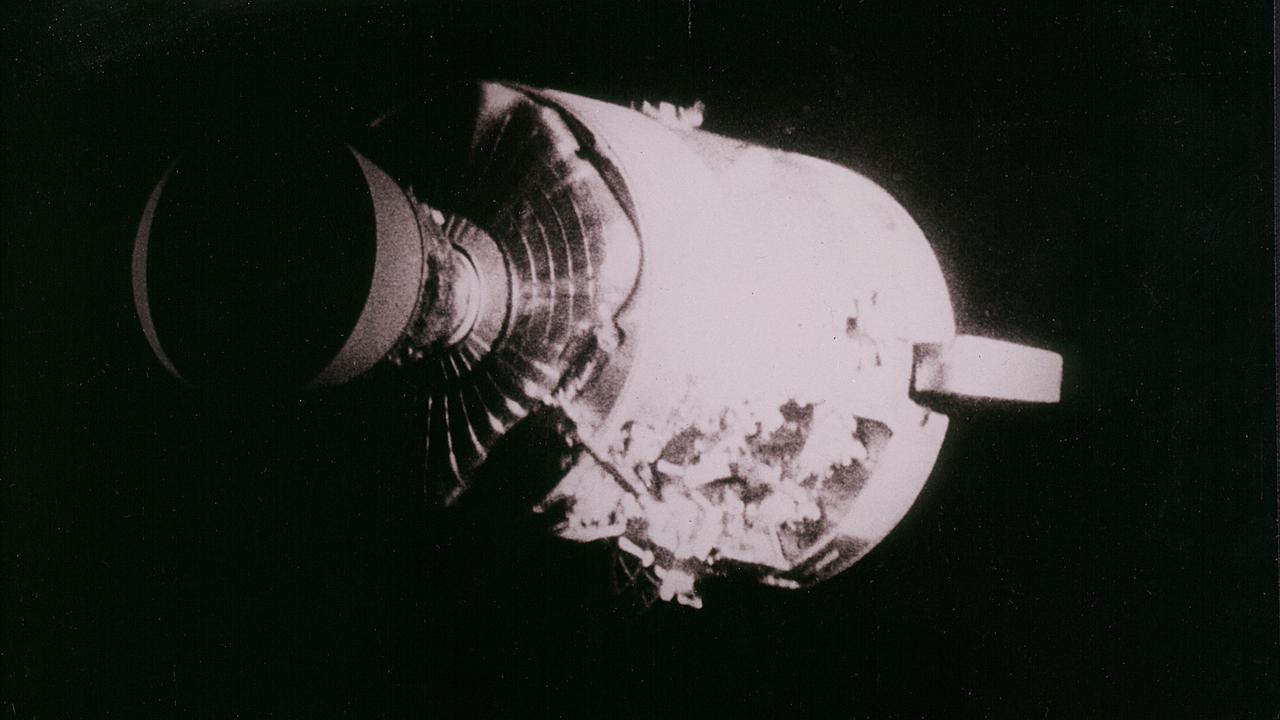
Appearance of the damaged Apollo 13 Service Module after separation. -NASA
On 13 April 1970, as the mission approached its lunar landing phase, approximately 55 hours into the flight, Oxygen Tank No. 2 in the Service Module exploded, dramatically altering the course of the mission. The explosion disabled the fuel cells, leading to loss of electricity, water and oxygen.
Shortly after the explosion, Swigert transmitted the historic message to Mission Control:
“Houston, we’ve had a problem here.” — “Houston, we have a problem here.”
This phrase became one of the most iconic moments of the mission and entered public memory.
Following the explosion, the lunar landing was aborted. The crew abandoned the damaged Command Module and moved into the Lunar Module Aquarius. This module had originally been designed for only two astronauts and for a short-duration mission. However, due to the crisis, the three astronauts were forced to live in it for several days.
Rising carbon dioxide levels posed one of the most serious threats. NASA engineers instructed the crew to adapt the square-shaped carbon dioxide filter cartridges from the Command Module to fit the cylindrical system in the Lunar Module. The crew successfully constructed the adaptation using limited available materials such as tape, instruction manuals and plastic bags.
NASA’s Mission Control Center in Houston calculated a new return trajectory. A “slingshot” maneuver around the Moon was planned to use the spacecraft’s propulsion and lunar gravity to return to Earth. This maneuver was executed successfully.
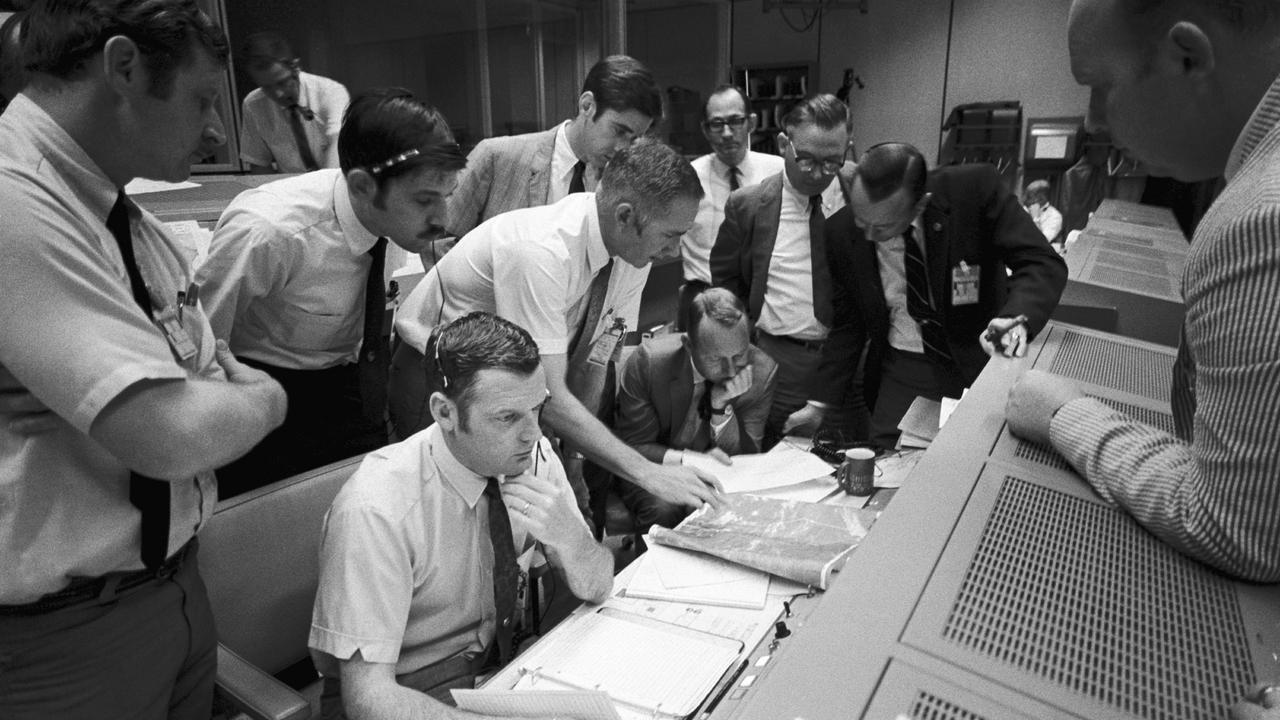
A group of flight controllers gather around the console of Flight Director Glenn S. Lunney (sitting closest to the camera) in the Mission Operations Control Room during Apollo 13. -NASA
The crew successfully splashed down in the Pacific Ocean on 17 April 1970. The capsule was recovered from the sea by the rescue ship USS Iwo Jima. Although the mission failed to land on the Moon, it was completed without loss of life thanks to NASA’s crisis management, engineering problem-solving and the astronauts’ discipline.
The explosion was caused by damage to the insulation of the fan wiring inside the tank, resulting in a spark. This fault had not been detected during previous tests. Post-mission analyses led to significant changes in systems engineering and safety protocols. Oxygen tank design, quality control procedures and simulation scenarios were thoroughly reviewed and revised.
Although technically a failure, the mission is regarded as one of the greatest rescue operations in the history of human spaceflight. NASA’s communication between ground and flight teams, problem-solving capability and composure under stress are cited as benchmarks in modern aviation and space safety history.
The mission also had a major cultural impact. The 1995 film “Apollo 13” brought the events to a wide audience and rekindled public interest in NASA.
NASA. "Apollo 13 Mission Details." NASA Missions. Accessed April 10, 2025.Link
NASA. "Apollo 13." NASA.gov. Accessed April 10, 2025.Link
NASA. "Apollo 13: A Crisis in Space." NASA SMA. Accessed April 10, 2025.Link
NASA. "Apollo 13: The Successful Failure." NASA Missions. Accessed April 10, 2025.Link
NASA. "Apollo 13: ‘Houston, We’ve Had a Problem.’" YouTube video. Accessed April 10, 2025.Link
NASA. “50 Years Ago: ‘Houston, We’ve Had a Problem’.” NASA History. Accessed April 10, 2025.Link
Space.com. “Apollo 13: Facts About NASA’s Near-Disaster Moon Mission.” Accessed April 10, 2025.Link
The Planetary Society. "Apollo 13 Mission Overview." Planetary.org. Accessed April 10, 2025.Link

Apollo 13 (Space Mission)
Launch Date | 11 Nisan 1970 | ||||||||
|---|---|---|---|---|---|---|---|---|---|
Launch Site | Kennedy Space Center, Florida | ||||||||
Mission Duration | Approximately 142 hours (5 days, 22 hours) | ||||||||
Crew | James A. Lovell Jr. (Commander), Fred W. Haise Jr. (Lunar Module Pilot), John L. Swigert Jr. (Command Module Pilot) | ||||||||
Objective | Lunar landing (Cancelled) | ||||||||
Command Module | Odyssey | ||||||||
Main Event | Explosion of an oxygen tank in the service module | ||||||||
Iconic Phrase | Houston, we've had a problem. | ||||||||
Return to Earth | 17 April 1970 – Landing in the Pacific Ocean | ||||||||
Recovery Ship | USS Iwo Jima | ||||||||
Mission Significance | One of the most successful rescue operations in the history of human spaceflight | ||||||||
Mission Background and Preparations
Vehicles used in the mission were:
The Accident and Crisis
Rescue Efforts and Survival Struggle
Return to Earth and Outcome
Technical and Operational Outcomes
The Legacy of Apollo 13