


This article was automatically translated from the original Turkish version.
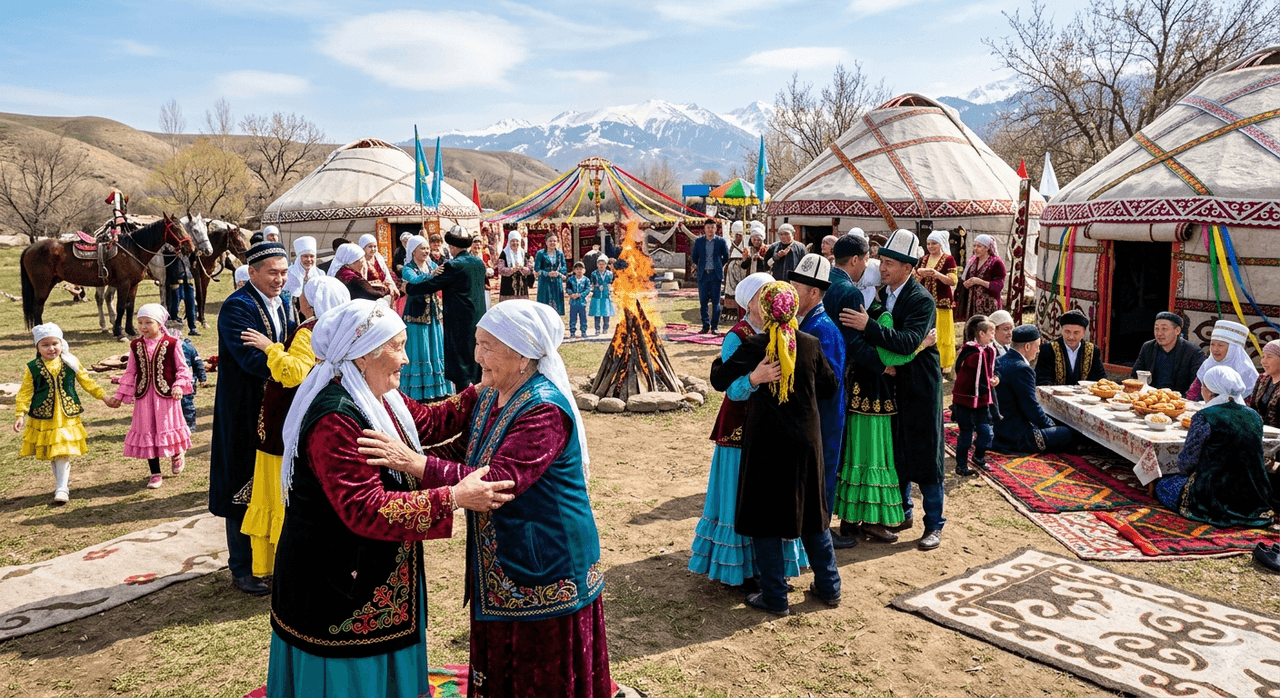
Amal Holiday/Meeting Day (Amal Merekesi/Körisüv Küni) (Generated by Artificial Intelligence)
Type(s) | Traditional Spring Festival | ||||||||
|---|---|---|---|---|---|---|---|---|---|
Name(s) | Amal (Körisüw) Day/Merekesi | ||||||||
Date(s) | 1 Navrız according to the Old Kazakh Calendar currently March 14 | ||||||||
Geographic Region | Western Kazakhstan, including Mangystau and other western regions of Kazakhstan | ||||||||
Amal Bayramı / Meeting Day (Amal Merekesi / Körisüv Küni) is a traditional holiday in Kazakh culture symbolizing the arrival of spring and marking the first days of the year. Celebrated especially in the western regions of Kazakhstan, this day corresponds to the beginning of the new year according to the ancient Kazakh calendar and is observed one week before Nowruz. Amal represents both the awakening of nature and the reunion of people, which is why it is also known among the people as “Körisüv Küni,” meaning “Meeting Day.”
The word “Amal” derives from the Arabic ḥamel (حمل), which is associated with the period between March 21 and April 20 in the Arabic calendar when the sun is in the constellation of Aries. This term passed into Persian and then into Kazakh. In Kazakh, the term “hamal ~ amal” refers to the name of the Aries (Toktı) constellation in the ancient Turkic calendar. At the spring equinox, day and night are equal, and during the Amal period the Tokdı constellation becomes visible. Thus, the Kazakhs associate the sun on earth with the Aries constellation in the sky.
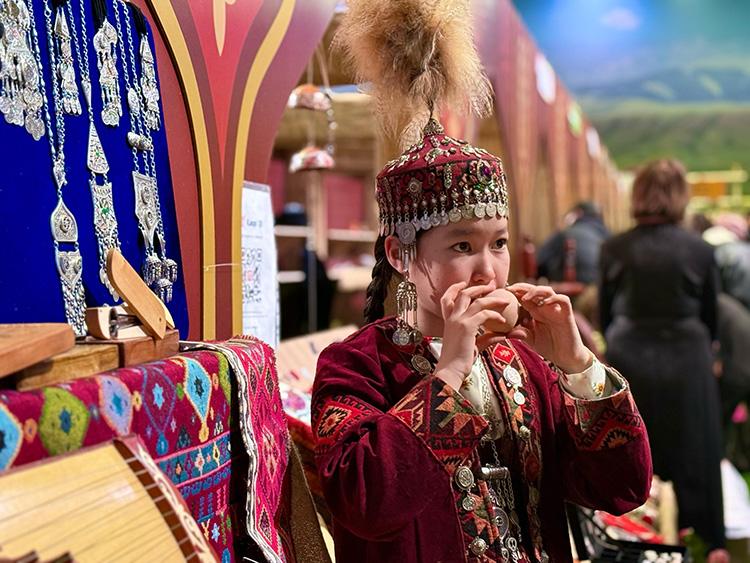
Nowruz (Amal) Festival (Anadolu Ajansı)
According to the Explanatory Dictionary of Arabic and Persian Words in the Kazakh Language, the term amal ~ hämäl has three meanings: the first month of the Iranian calendar (March 22–April 21), the Aries constellation, and lamb. In the Dictionary of Kazakh Literary Language, amal is defined as the name of the month corresponding to the Navrız month in the ancient Kazakh calendar. In this calendar, the year begins on 1 Navrız, or 1 Amal, and around two thousand years ago the spring equinox occurred when the sun was in the Tokdı (Aries) star. 【1】
Turkic communities have long regarded the arrival of spring as the beginning of the year and celebrated this period with various rituals. Chinese sources record that early Turkic groups such as the Huns and Göktürks performed religious rites and sacrificial ceremonies at the start of the year. Similarly, the Kyrgyz named the first month of the year Amal and calculated time according to the Twelve Animal Calendar. The Amal tradition also shares similarities with spring festivals of the Mongolic peoples. Among the Mongols, the Zolgoh Festival, celebrated for eight days, symbolizes the beginning of spring according to the ancient folk calendar. Similar celebrations known as Cholukshuur among the Buryat and Tuvan communities aim to strengthen social unity, mutual respect, and collective spirit.
The Amal tradition is also linked to various religious narratives. In one account, the Prophet Ibrahim gathered his people in spring and set up a grand feast, reconciling disputes among them. In another tradition, it is said that the day the Prophet Noah’s ark rested on Mount Kazygurt coincided with the sun entering the Hamel constellation, and this day was recognized as the start of the year. 【2】
This tradition was once widely celebrated across a vast territory of Kazakhstan. However, during the Soviet Union era, many national elements of the Kazakh people were banned and traditional cultural practices were restricted. As a result, Amal Merekesi lost its popularity. The festival was forgotten in most parts of the country and survived only in the western regions of Kazakhstan under the name Körisüv Küni. After independence, the tradition was revived and began to be celebrated again in various regions of Kazakhstan.
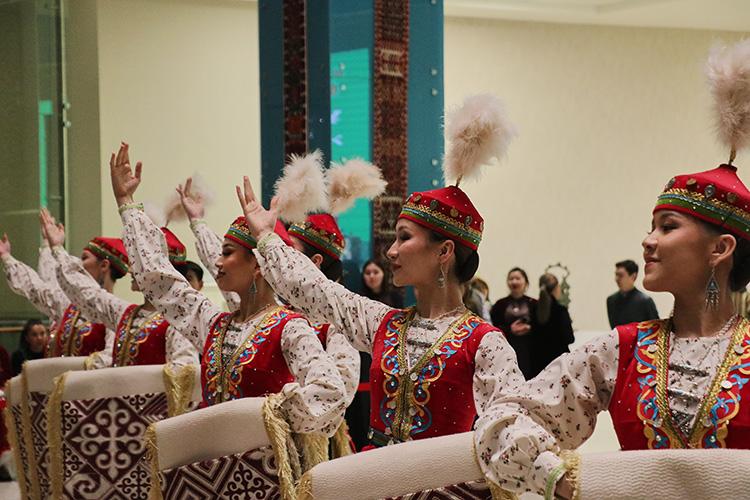
Nowruz (Amal) Celebrations in Kazakhstan Beginning on March 14 (Anadolu Ajansı)
According to the ancient Kazakh calendar, the new year corresponds to March 14 in the modern calendar. On March 13, the old year ends, and people say, "Amal has come, the year has come!" This date, according to the Baybaktı Kazıbek calendar, marks the first day of Navrız, symbolizing the end of winter and the awakening of nature. Traditionally, the closing of the old year and the beginning of the new year were determined according to the old and new Navrız systems. Although the Gregorian calendar was adopted after the October Revolution of 1917, Amal Merekesi continued to be celebrated on March 14 in Western Kazakhstan. 【3】
Amal or Körisüw is regarded by the people as a day of reconciliation and gathering before the New Year. During the festival, people greet each other, forget anger and grievances, make peace, and offer good wishes. Younger people visit elders to pay respects, and elders give blessings. Every household keeps its door open from the morning call to prayer, offering guests traditional Kazakh foods such as bavırsak, kurt, irimşik, sarı may, kımız, and şubat. Navrızköje, one of the central dishes of the festival, is prepared by combining winter-stored ingredients with spring produce.
During the celebrations, people embrace each other and exchange good wishes. Common phrases include:
Jasın kuttı bolsın — May your life be blessed
Ömir janın uzak bolsın — May your life be long
Ulıs baktı bolsun — May your nation be fortunate
Tört tülik aktı bolsun — May you have abundant wealth of four kinds
Ulıs berekete bersin — May Nowruz bring prosperity
Lele-jala çerge ensin — May tulips and hyacinths bloom
Ulustın ulı küni kuttı bolsın — May the great day of the nation be blessed
Navrızınız kuttu bolsun — May your Nowruz be blessed
Kızır koldasın — May Khizr be your companion
Tenir jalğasın — May God protect you【4】
Manğıstav region holds celebrations on Otpan Mountain, where a communal fire is lit and traditional kiyiz üy yurts are erected. Like in the past, the festival can be celebrated over several days. With the influence of modern technology, celebrations have become widespread via telephone and internet.
Amal Körisüv Merekesi holds significant social and cultural functions for Kazakh society. The festival strengthens peace and unity among people, encourages reconciliation, and helps resolve grievances. It promotes the preservation of cultural elements and the continuation of traditions. Since 2018, it has been officially included in the Spiritual Revival program. Young people are educated about national customs and cuisine, and cultural values are transmitted through poetry and literary works. Additionally, the festival provides psychological relief to individuals, reinforces social solidarity, and enhances social harmony. Thus, Amal Merekesi emerges as a multifaceted tradition that preserves cultural heritage while uniting the community.
Anadolu Ajansı. "Kazakistan'da Nevruz Bayramı, milli kimliğin pekiştirilmesine katkı sağlıyor." Accessed March 15, 2026. https://www.aa.com.tr/tr/dosya-haber/kazakistanda-nevruz-bayrami-milli-kimligin-pekistirilmesine-katki-sagliyor/3517749
Asoçakov, A. Y., and N. M. Urazova. “Dialektika Kalendarnıh Ritualno-Obryadovıh Prazdnikov Traditsionnoy Tengrianskoy Kulturıy.” *V Mire Nauçnıh Otkrıtiy* 11, no. 7/71 (2015): 2381–2389. Accessed March 15, 2026. https://elibrary.ru/download/elibrary_25478736_75843484.pdf
Görgeç, Celâl. “Kazak Halkının Yeni Ömür, Yeni Yıl ve Yeni Günle Görüşmesi: Amal (Körisüw) Merekesi.” *Türk Dünyası Dil ve Edebiyat Dergisi* 53 (Spring 2022): 209–228. Accessed April 21, 2026. https://tdkturkdunyasi.gov.tr/tam-metin-pdf/907/tur
Kınacı, Cemile, and Fatih Balcı. “Geleneğin İcadı ve Yeniden Canlandırılması Tartışmaları Ekseninde Bir Kazak Geleneği: Amal Merekesi-Körisüv Küni (Amal Bayramı/Görüşme Günü).” *Milli Folklor* 16, no. 125 (2020): 46–59. Accessed March 15, 2026. https://dergipark.org.tr/tr/download/article-file/1030684
TRT Avaz. "Kazakistan halkı, Nevruz bayramına bir hafta kala, 'Amal' geleneğini yaşattı." Accessed April 20, 2026. https://www.trtavaz.com.tr/haber/tur/turkistandan/kazakistan-halki-nevruz-bayramina-bir-hafta-kala-amal-gelenegini-yasatti/64101f7201a30a1d30e1422d
Çınar, Ali Abbas. “Kazak Türklerinde Nevruz.” *Türk Dünyasında Nevruz – Üçüncü Uluslararası Bilgi Şöleni, 18-20 Mart 1999.* Atatürk Kültür Merkezi Başkanlığı Kongre ve Sempozyum Bildirileri. Elazığ (2000): 447-458. Accessed March 15, 2026. https://isamveri.org/pdfdrg/D075602/1999/1999_CINARAA.pdf
[1]
Celâl Görgeç, “Kazak Halkının Yeni Ömür, Yeni Yıl ve Yeni Günle Görüşmesi: Amal (Körisüw) Merekesi,” Türk Dünyası Dil ve Edebiyat Dergisi 53 (2022): 212, Access date April 21, 2026, https://tdkturkdunyasi.gov.tr/tam-metin-pdf/907/tur
[2]
A.e., 214.
[3]
A.e., 214-215.
[4]
Ali Abbas Çınar, “Kazak Türklerinde Nevruz,” Türk Dünyasında Nevruz – Üçüncü Uluslararası Bilgi Şöleni, 18-20 Mart 1999, Atatürk Kültür Merkezi Başkanlığı Kongre ve Sempozyum Bildirileri, Elazığ (2000): 453, Access date March 15, 2026, https://isamveri.org/pdfdrg/D075602/1999/1999_CINARAA.pdf
Amal Holiday/Meeting Day (Amal Merekesi/Körisüv Küni) (Generated by Artificial Intelligence)
Type(s) | Traditional Spring Festival | ||||||||
|---|---|---|---|---|---|---|---|---|---|
Name(s) | Amal (Körisüw) Day/Merekesi | ||||||||
Date(s) | 1 Navrız according to the Old Kazakh Calendar currently March 14 | ||||||||
Geographic Region | Western Kazakhstan, including Mangystau and other western regions of Kazakhstan | ||||||||
No Discussion Added Yet
Start discussion for "Amal Bayramı (Meeting Day)" article
The Etymology of the Word “Amal”
Origins of Amal Merekesi
Why Amal Merekesi Is Celebrated on March 14
Celebration of Amal Merekesi
Functions of Amal Körisüv Merekesi