


This article was automatically translated from the original Turkish version.
Alahan Monastery
Location | Near Geçimli Village On the Mersin-Karaman highway 20-30 km from Mut district of Mersin | ||||||||
|---|---|---|---|---|---|---|---|---|---|
Elevation | At an elevation of 1300 metres In the Central Taurus Mountains On a steep slope facing the Göksu Valley | ||||||||
Construction Date(s) | Believed to have been constructed between 440 and 442 AD | ||||||||
Significance | A pilgrimage site built in memory of St. Paul and Barnabas during the Early Christian period | ||||||||
Usage | Intensively used during the 5th and 6th centuries AD | ||||||||
UNESCO Status | On the UNESCO World Heritage Tentative List since 2000; restored in 2013 | ||||||||
Structures | Includes the Western Church the Eastern Church (Dome Church) monastery building rock-cut monk cells tombs baptistery and colonnaded gallery | ||||||||
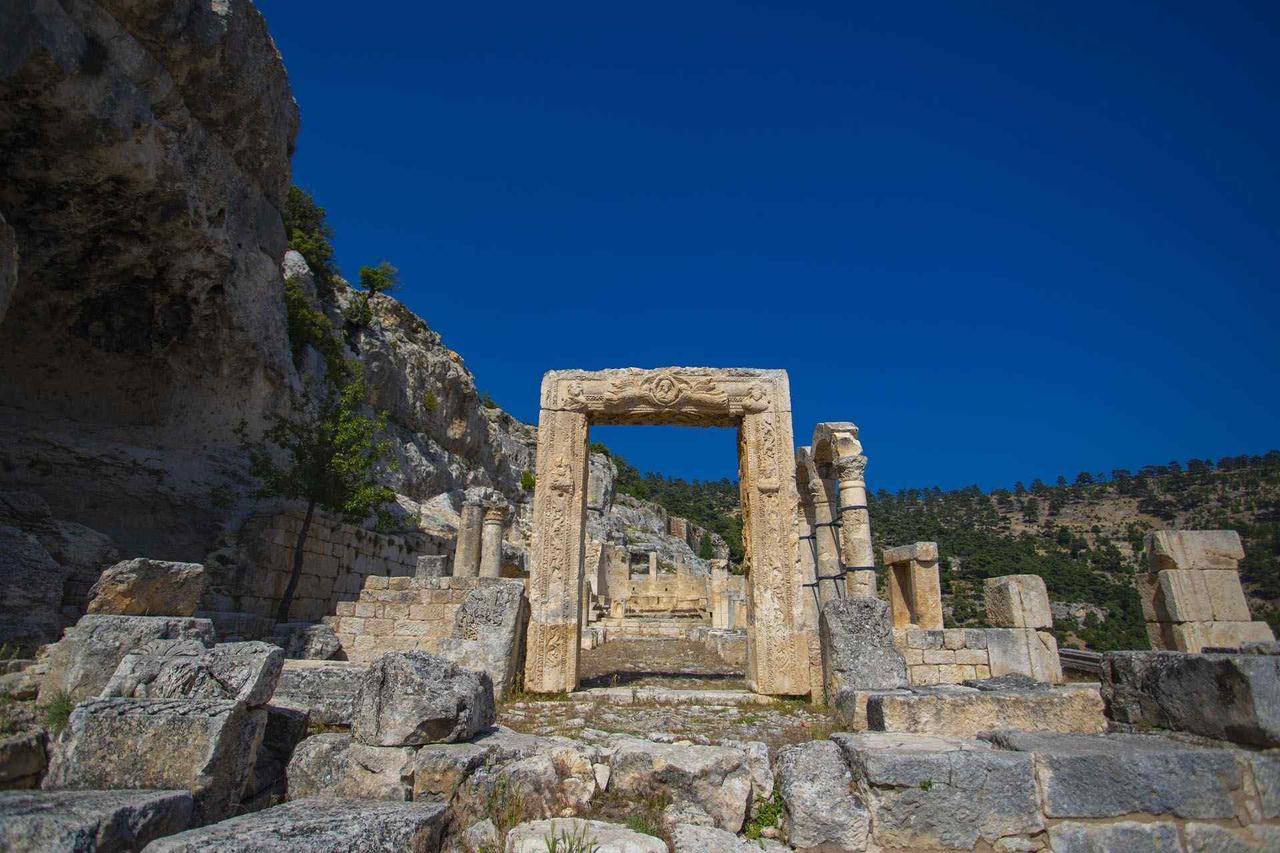
Western Church Features | Divided into three naves with Corinthian capitals; the entrance door features figures and reliefs of St. Paul and St. Peter | ||||||||
Eastern Church Features | Built of cut stone and adorned with rich reliefs; contains a three-nave basilica and synthronos (clergy seating steps) | ||||||||
Decorations | Decorated with six-winged angels symbols of the Gospels (lion eagle ox) plant motifs (grape clusters vine leaves) and fish figures | ||||||||
Architectural Similarities | Shows architectural similarities to Hagia Sophia in Istanbul | ||||||||
Environment | 915 metres from the Göksu River Valley and 1220 metres above sea level; contains caves used as monk cells and burial niches | ||||||||
Historical Visit | Described by Evliya Çelebi in 1671 as 'as if newly carved from the master’s hand' | ||||||||
Scientific Introduction | Introduced to the scientific world by Leon Comte de Laborde in 1826 | ||||||||
Present Day | Archaeological excavations were conducted in the 20th century; open to visitors | ||||||||
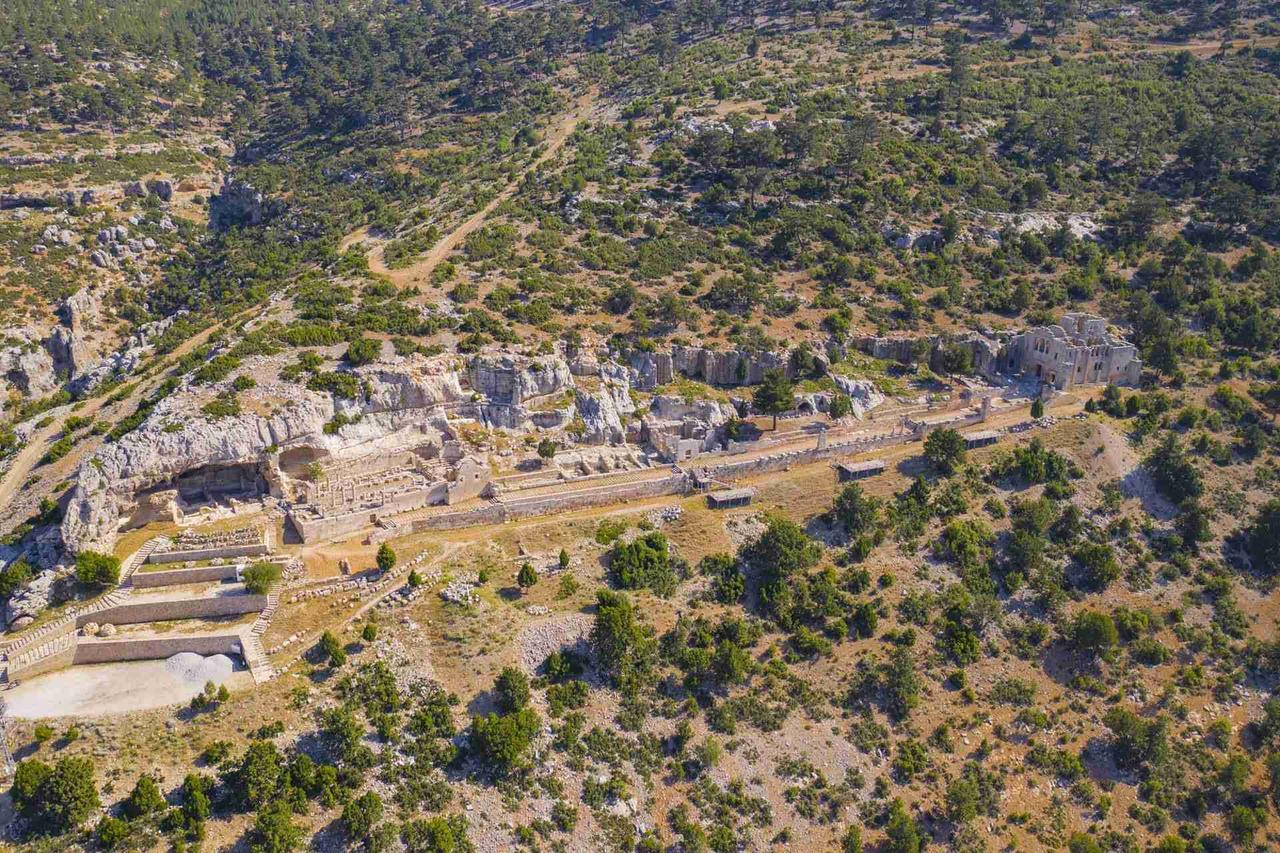
Alahan Monastery is an early Christian monastery complex located at an altitude of 1300 meters in the Taurus Mountains, approximately 20–30 km from the Mut district of Mersin, along the Mersin-Karaman road near Geçimli Village. This architectural ensemble has been built on a steep slope facing the Göksu Valley and was described by Evliya Çelebi as appearing “as if it had just been completed by the master’s hand.” Estimated to have been constructed between 440 and 442 AD, the Alahan Monastery consists of the Western Church, the Eastern Church, the monastic building, monk cells carved into the rock, and surrounding tombs. The church buildings exhibit architectural similarities to Hagia Sophia in Istanbul, and their decoration features masterful stone carving. The monastery has been on UNESCO’s Temporary World Heritage List since 2000 and was restored in 2013.
Alahan Monastery (turkishmuseums)
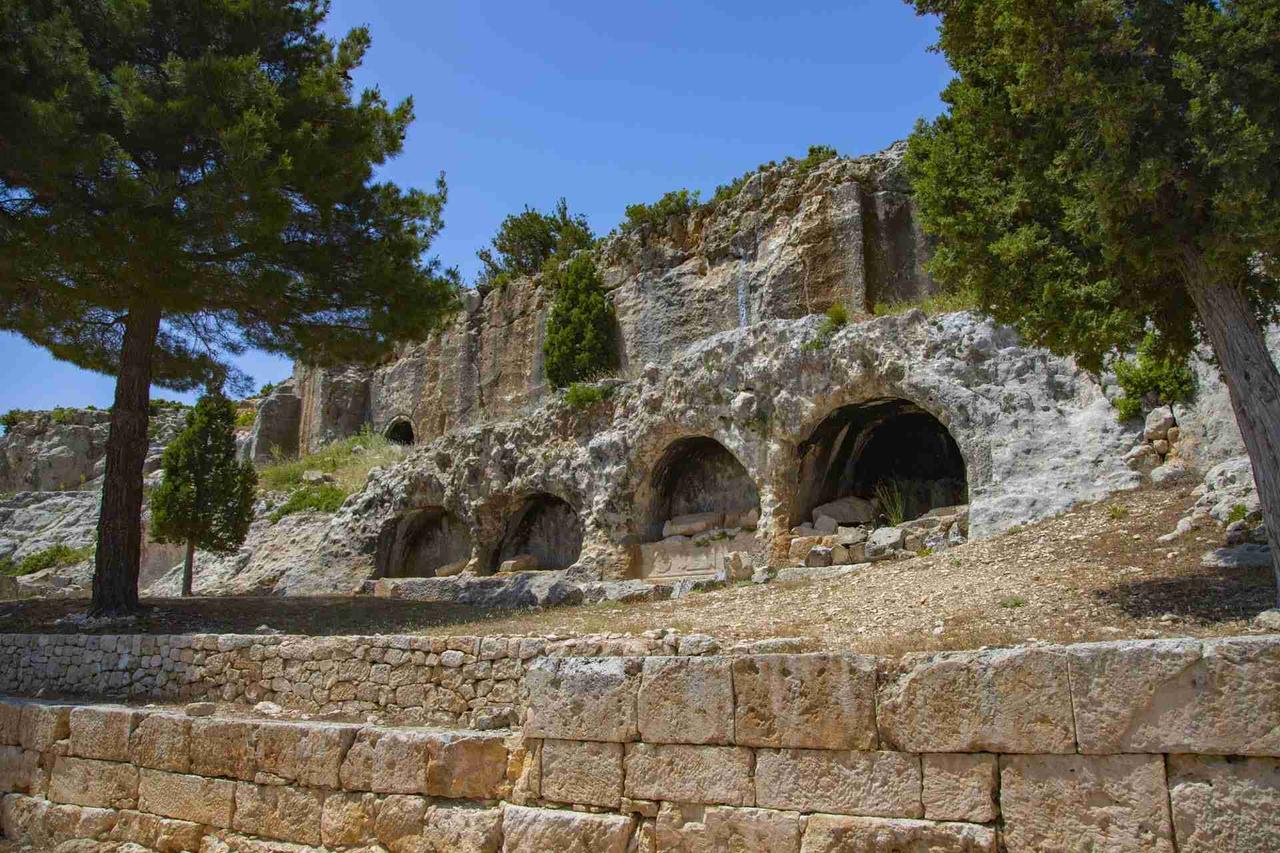
During the spread of Christianity in the regions of Cappadocia and Lycaonia (Konya), early converts faced persecution and were often forced to worship in caves and rock niches out of fear of being killed by non-believers. The apostles of Jesus Christ, including St. Paul, and early Christian figures such as Barnabas, who lived in Tarsus, undertook adventurous journeys to spread Christianity as far as Konya, Cappadocia, Antalya and Antioch. Temples were erected at the sites where these two apostles stayed, and the Alahan Monastery is one such site. Heavily used during the 5th and 6th centuries AD, the monastery was regarded as a “Pilgrimage Center” by Christians. Its unique topographical setting on the slopes of the Taurus Mountains, along with its richly decorated churches, baptistery, colonnaded path, rock-cut tombs, water sources, baths and accommodation facilities, holds an important place in the history of early Christian art and Byzantine architecture.
Alahan Monastery (turkishmuseums)
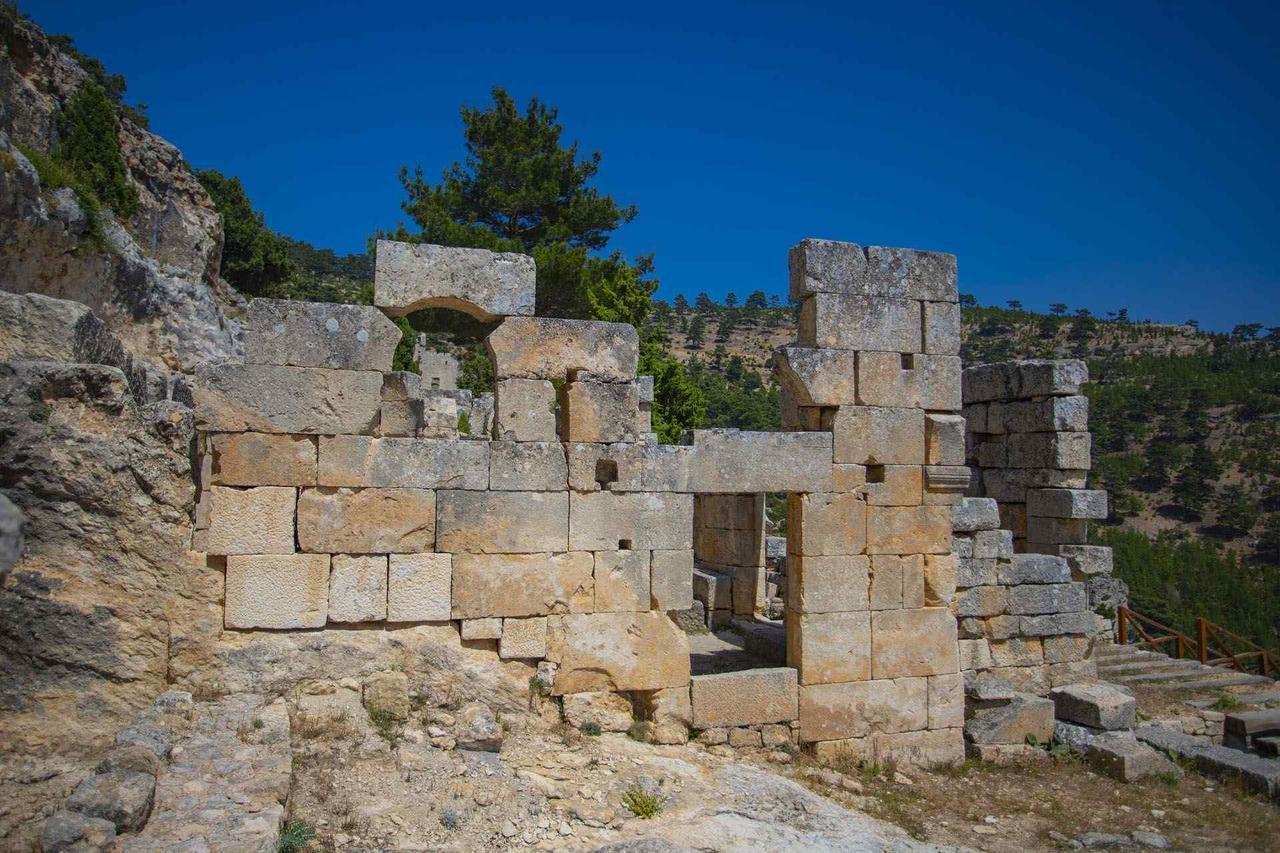
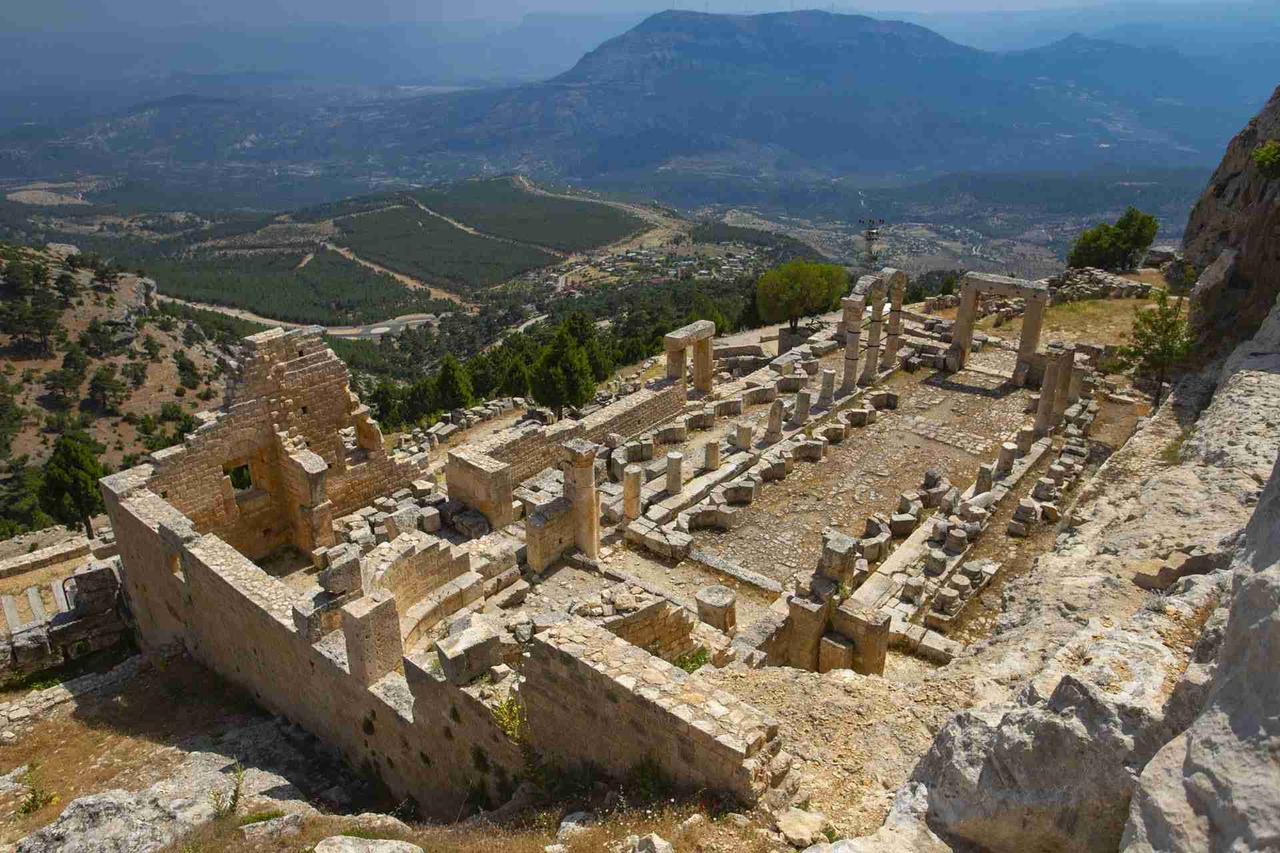
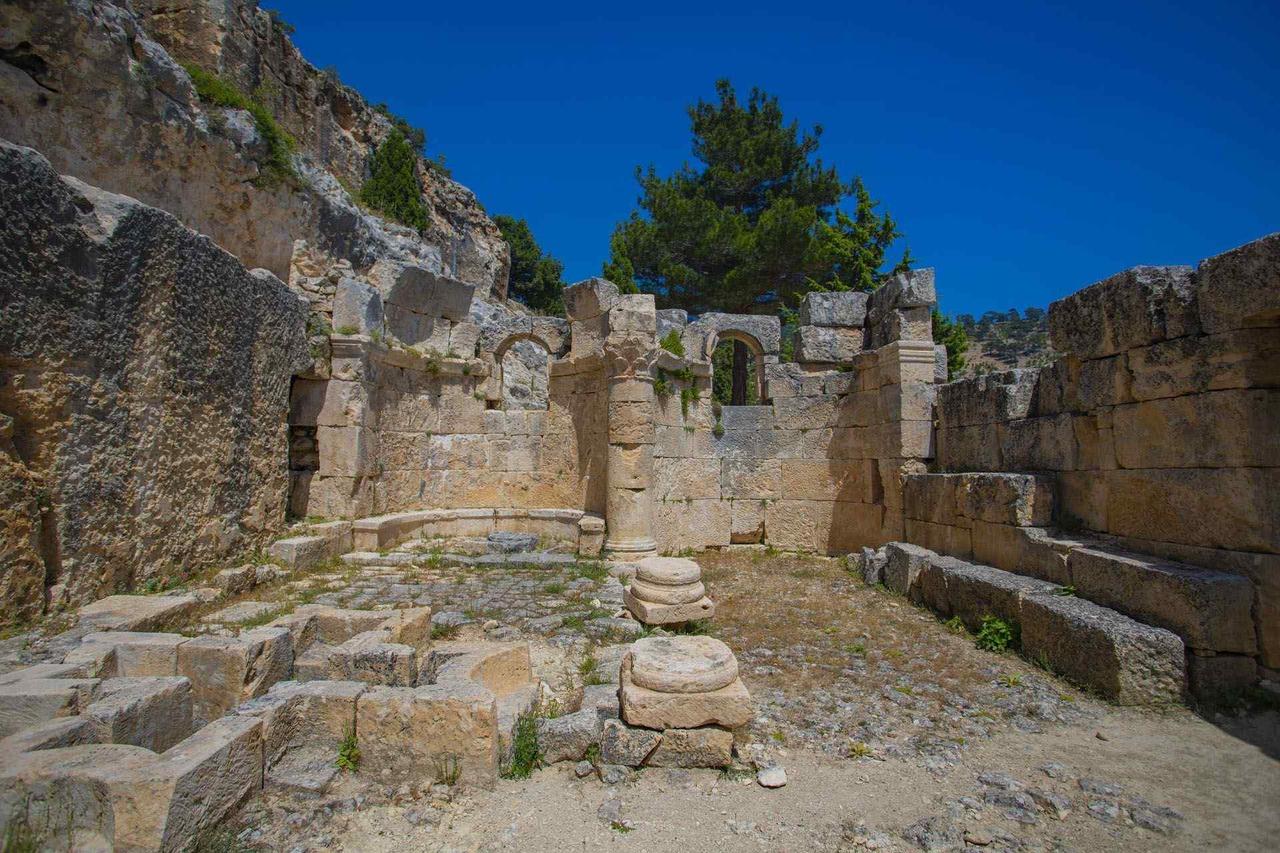
The Alahan Monastery Complex draws attention through its various structures. The Western Church is divided into three naves by two rows of Corinthian capitals. The lintel and side jambs of the doorway leading from the narthex to the main space are adorned with reliefs. These reliefs depict figures of St. Paul and St. Peter, symbolic creatures of the six-winged angels Gabriel and Michael (a roaring lion, an eagle, an ox), representations of the Evangelists, clusters of grapes, vine leaves and fish motifs in rich detail. On the southern side of the large courtyard east of the churches, there is an 11-meter-long arched and colonnaded gallery used for religious ceremonies. In the center of the gallery is a large niche richly decorated with reliefs. Additionally, an apsidal baptistery and tombs, among the most impressive structures of the monastery, are located in this area. The northern wall of the tombs is carved directly into the rock and lacks a ceiling. In the center of the main nave stands a square-plan tower covered by four arches resting on piers and columns; this tower transitions into an octagonal form above and is adorned with decorative elements around its doorway.
Eastern Church, or the “Dome Church,” is constructed of cut stone and is entirely decorated with reliefs. This church, one of the most important structures in the complex, is among the unique monuments of Anatolia due to its distinctive construction techniques and stonework. Furthermore, a large three-aisled basilica with a narthex and synthronos seating steps for clergy in its apse is particularly notable.
Alahan Monastery (turkishmuseums)
The decorations of the monastery present rare examples of Byzantine religious architecture. At the entrance of the Western Church, rich imagery includes six-winged angels, symbols of the Evangelists (lion, eagle, ox), vegetal motifs and fish figures. In the Eastern Church, the elegance of stone carving and relief ornamentation stands out. These decorations highlight both the religious and artistic value of the monastery.
Alahan Monastery (turkishmuseums)
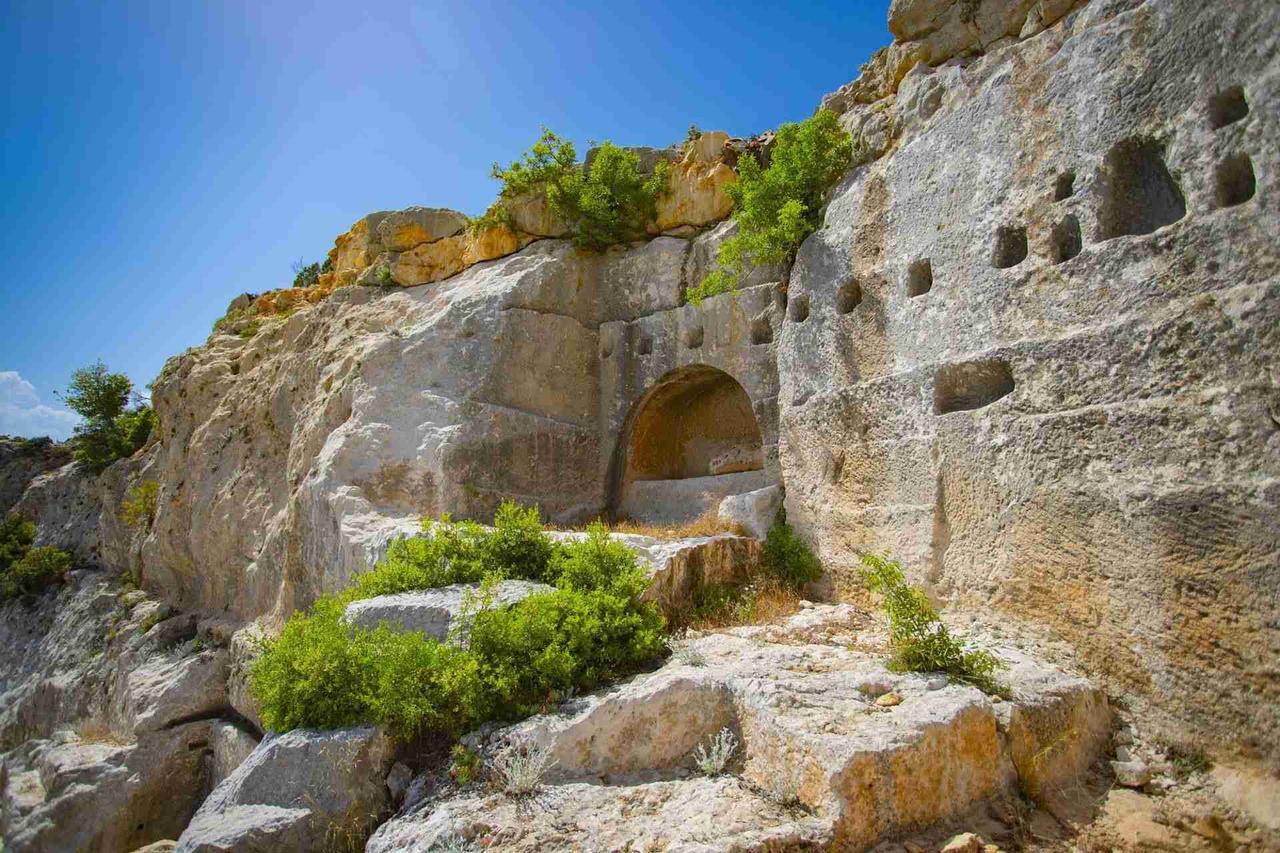
The monastery is built on a narrow terrace 915 meters above the valley formed by the Göksu River and 1220 meters above sea level. Around it, there are caves carved both naturally and by human hands, similar to those in Cappadocia. These caves were used as monk cells, places of worship and tomb niches. Areas indicating agricultural activity are also present. A footpath must be climbed to reach the monastery, and its surroundings offer panoramic views that vary with each season.
Alahan Monastery (turkishmuseums)
The Alahan Monastery was visited and described in detail by Evliya Çelebi in 1671. The structure was introduced to the scientific world by Leon Comte de Laborde in 1826 and was better understood through archaeological excavations in the 20th century. Added to UNESCO’s Temporary World Heritage List in 2000, the monastery was preserved and opened to visitors following its restoration in 2013. Recognized for its architectural features, stonework and historical significance, it is considered one of the most original early Christian monuments in Anatolia.
Alahan Monastery (turkishmuseums)
Culture Portal. "Alahan Manastırı | Kültür Portalı." Accessed April 5, 2025.https://www.kulturportali.gov.tr/turkiye/mersin/gezilecekyer/alahan-manastiri
Culture and Museums General Directorate. "Alahan Manastırı - Mersin." Accessed April 5, 2025.https://kvmgm.ktb.gov.tr/TR-44398/alahan-manastiri-mersin.html
DergiPark. "Alahan Manastırı." Accessed April 5, 2025.https://dergipark.org.tr/tr/download/article-file/2380001
Mut Kaymakamlığı. "Alahan Manastırı." Accessed April 5, 2025.http://www.mut.gov.tr/alahan-manastiri
Turkish Museums. "Mersin Alahan Manastırı | Turkish Museums." Accessed April 5, 2025.https://www.turkishmuseums.com/museum/detail/2157-mersin-alahan-manastiri/2157/1

Alahan Monastery
Location | Near Geçimli Village On the Mersin-Karaman highway 20-30 km from Mut district of Mersin | ||||||||
|---|---|---|---|---|---|---|---|---|---|
Elevation | At an elevation of 1300 metres In the Central Taurus Mountains On a steep slope facing the Göksu Valley | ||||||||
Construction Date(s) | Believed to have been constructed between 440 and 442 AD | ||||||||
Significance | A pilgrimage site built in memory of St. Paul and Barnabas during the Early Christian period | ||||||||
Usage | Intensively used during the 5th and 6th centuries AD | ||||||||
UNESCO Status | On the UNESCO World Heritage Tentative List since 2000; restored in 2013 | ||||||||
Structures | Includes the Western Church the Eastern Church (Dome Church) monastery building rock-cut monk cells tombs baptistery and colonnaded gallery | ||||||||
Western Church Features | Divided into three naves with Corinthian capitals; the entrance door features figures and reliefs of St. Paul and St. Peter | ||||||||
Eastern Church Features | Built of cut stone and adorned with rich reliefs; contains a three-nave basilica and synthronos (clergy seating steps) | ||||||||
Decorations | Decorated with six-winged angels symbols of the Gospels (lion eagle ox) plant motifs (grape clusters vine leaves) and fish figures | ||||||||
Architectural Similarities | Shows architectural similarities to Hagia Sophia in Istanbul | ||||||||
Environment | 915 metres from the Göksu River Valley and 1220 metres above sea level; contains caves used as monk cells and burial niches | ||||||||
Historical Visit | Described by Evliya Çelebi in 1671 as 'as if newly carved from the master’s hand' | ||||||||
Scientific Introduction | Introduced to the scientific world by Leon Comte de Laborde in 1826 | ||||||||
Present Day | Archaeological excavations were conducted in the 20th century; open to visitors | ||||||||
No Discussion Added Yet
Start discussion for "Alahan Monastery - Mersin" article
History and Significance
Architectural Features
Decorations and Art
Location and Surroundings
Current Status