


This article was automatically translated from the original Turkish version.
+2 More
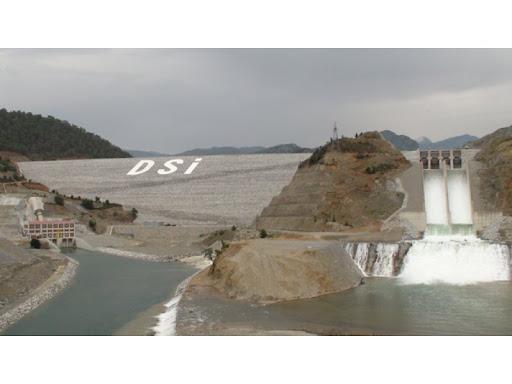
Akköprü Dam and Hydroelectric Power Plant
Country | Türkiye | ||||||||
|---|---|---|---|---|---|---|---|---|---|
Province | Muğla | ||||||||
District | Köyceğiz | ||||||||
River | Dalaman Çayı | ||||||||
Dam Type | Rockfill Dam | ||||||||
Dam Height | 162 metres | ||||||||
Embankment Volume | 13 million m³ | ||||||||
Reservoir Volume | 419 million m³ | ||||||||
Flood Control Capacity | 5 million m³ | ||||||||
Hydroelectric Power Plant Capacity | 115 MWe | ||||||||
Annual Average Generation | 248.5 million kWh | ||||||||
Number of Turbines | 2 | ||||||||
Turbine Type | Vertical Shaft Francis | ||||||||
Net Head Height | 73-100.5 metres | ||||||||
Number of Households Supplied with Electricity | 78.904 | ||||||||
Purpose of Use | Agricultural irrigation (121,240 dekar area) 2% Flood control 98% Energy production | ||||||||
Water Storage Date | 27 March 2011 | ||||||||
First Turbine Commissioned | 14 February 2012 | ||||||||
Second Turbine Commissioned | March 29, 2013 | ||||||||
Annual Agricultural Income Increase | 630 million 448 thousand TL | ||||||||
Contribution to the National Economy | 104 million TL per year | ||||||||
Contribution from Renewable Energy | carbon-free energy production | ||||||||
Akköprü Dam and Hydroelectric Power Plant (HES) is located within the boundaries of Muğla province in Türkiye’s Aegean Region, on the Dalaman River. The dam is the largest in the Aegean Region by embankment volume and the ninth largest in the country.
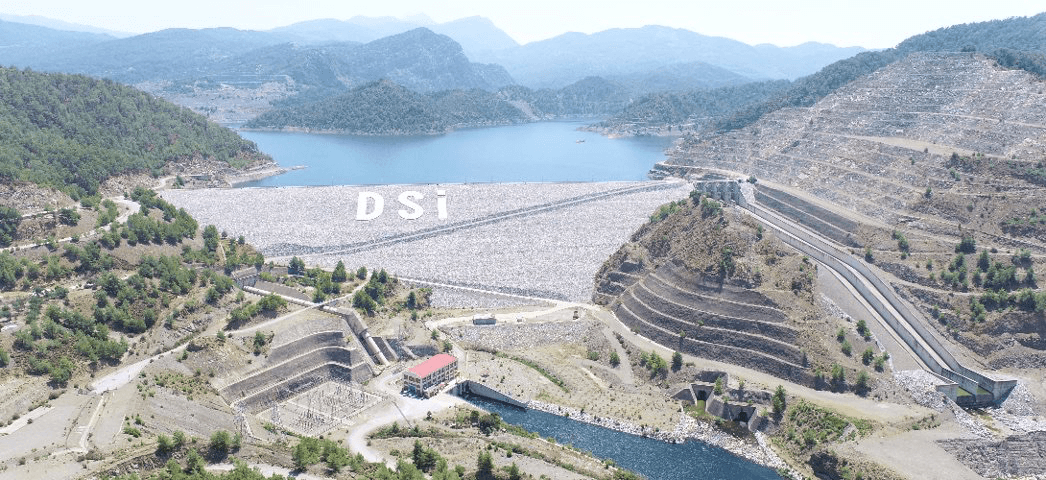
Akköprü Dam and Hydroelectric Power Plant (HES) - General Directorate of State Hydraulic Works
Akköprü HES has an annual electricity generation capacity of approximately 248.5 million kWh. This output is sufficient to meet the daily energy needs of about 75,090 people. When considering household consumption alone, the plant can supply the energy needs of 78,904 households.
Akköprü HES is operated by Elektrik Üretim A.Ş. (EÜAŞ) and was included in the privatization program in 2017 under the financial advisory of Türkiye Development and Investment Bank. As of 2024, it is planned to be privatized through the “Granting of Operating Rights” method for a period of 49 years.
The Akköprü Dam and Hydroelectric Power Plant is a multi-purpose project that contributes significantly to the regional economy and Türkiye’s energy needs through electricity generation, agricultural irrigation and flood prevention. Alongside the privatization process, it offers investors a significant opportunity in the renewable energy sector.
Devlet Su İşleri Genel Müdürlüğü. *Ege’nin Devi Üç Sektörde Hizmet Veriyor*. Accessed March 13, 2025.https://dsi.gov.tr/.
Meteoroloji Genel Müdürlüğü. *Dalaman Akköprü Barajı ve Hidroelektrik Santrali Açıldı*. May 27, 2011. Accessed March 13, 2025.https://mgm.gov.tr/.
SY Grup. *Akköprü HES*. 2025. Accessed March 13, 2025.http://www.sygrup.com.tr/
Türkiye Kalkınma ve Yatırım Bankası. Akköprü Hidroelektrik Santrali Özelleştirme İhalesi Kısa Tanıtım Dokümanı. April 2024. Accessed March 13, 2025.

Akköprü Dam and Hydroelectric Power Plant
Country | Türkiye | ||||||||
|---|---|---|---|---|---|---|---|---|---|
Province | Muğla | ||||||||
District | Köyceğiz | ||||||||
River | Dalaman Çayı | ||||||||
Dam Type | Rockfill Dam | ||||||||
Dam Height | 162 metres | ||||||||
Embankment Volume | 13 million m³ | ||||||||
Reservoir Volume | 419 million m³ | ||||||||
Flood Control Capacity | 5 million m³ | ||||||||
Hydroelectric Power Plant Capacity | 115 MWe | ||||||||
Annual Average Generation | 248.5 million kWh | ||||||||
Number of Turbines | 2 | ||||||||
Turbine Type | Vertical Shaft Francis | ||||||||
Net Head Height | 73-100.5 metres | ||||||||
Number of Households Supplied with Electricity | 78.904 | ||||||||
Purpose of Use | Agricultural irrigation (121,240 dekar area) 2% Flood control 98% Energy production | ||||||||
Water Storage Date | 27 March 2011 | ||||||||
First Turbine Commissioned | 14 February 2012 | ||||||||
Second Turbine Commissioned | March 29, 2013 | ||||||||
Annual Agricultural Income Increase | 630 million 448 thousand TL | ||||||||
Contribution to the National Economy | 104 million TL per year | ||||||||
Contribution from Renewable Energy | carbon-free energy production | ||||||||
No Discussion Added Yet
Start discussion for "Akköprü Dam and Hydroelectric Power Plant" article
Structural and Technical Features
Electricity Generation
Purpose and Benefits of the Dam
Operation and Privatization Process