


This article was automatically translated from the original Turkish version.
+1 More
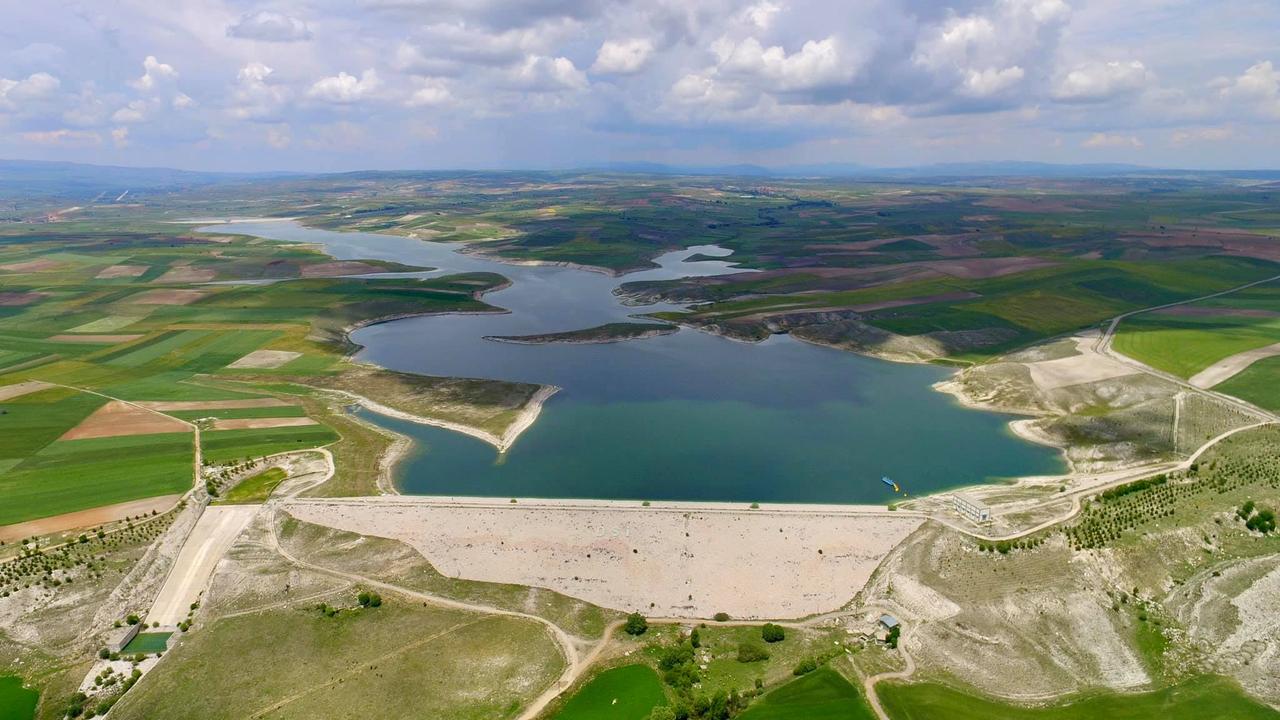
Akdeğirmen Dam
Location | Afyonkarahisar Türkiye | ||||||||
|---|---|---|---|---|---|---|---|---|---|
Construction Years | 1998 - 2008 | ||||||||
Purpose(s) | Drinking water supply irrigation and water management | ||||||||
Dam Type | Zoned earthfill dam | ||||||||
Height(s) | 42 metres | ||||||||
Crester Height | 1134 metres | ||||||||
Reservoir Area | 6 km² | ||||||||
Storage Capacity | 62 hm³ | ||||||||
Basin | Akarçay Basin | ||||||||
Prominent Issues | Leakage problems, water loss, pollution risk | ||||||||
Water Quality | Class 1 Drinking Water Quality (compliant with SKKY, WHO, EC, EPA, TS 266 standards) | ||||||||
Ecosystem | Benthic aquatic organisms (Chironomidae fauna) | ||||||||
Akdeğirmen Dam is a water structure located in the place area of Afyonkarahisar Province, Türkiye, designed to meet the region’s drinking water irrigation and environmental water management needs. This dam was constructed on the Akarçay River on approximately 30 km west of the center of Afyonkarahisar Province, near Akdeğirmen Village.
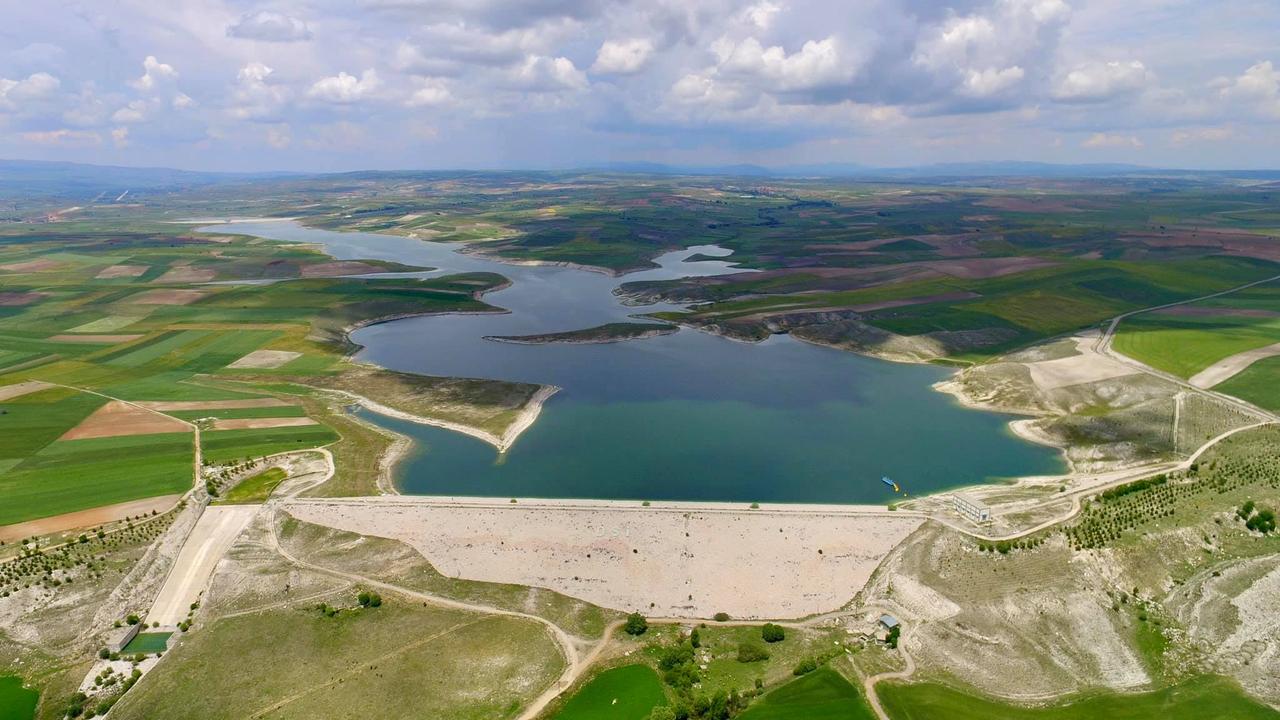
Akdeğirmen Dam and Central Drinking Water Treatment Plant (DSİ)
The dam was constructed between 1998 and 2008. It has a height of 42 meters, a crest elevation of 1134 meters, and a reservoir area of 6 km². After completion it began to be used for drinking water supply and irrigation. At the same time the dam’s irrigation capacity covers an area of 8552 hectares.
Akdeğirmen Dam was built on a foundation composed of Pliocene sediments and Quaternary alluvium. However after water storage began seepage occurred in the right bank toe area and beneath the spillway foundation. Between 2009 and 2013 the General Directorate of State Hydraulic Works (DSİ) State conducted geotechnical and geophysical studies and installed cutoff walls but seepage continued along the toe slope of the right bank injection. Research using electrical resistivity and natural potential measurements identified subsurface water flow paths and seepage zones right coast Electricity.
Analyses of water samples taken from the dam show that the water is of high quality in terms of physicochemical parameters. Measurements conducted in March June September and December 2011 confirmed that the dam water meets Class I water quality standards. Temperature pH dissolved oxygen sulfate sodium calcium and magnesium values are consistent with the Türkiye Water Quality Regulation (SKKY) and international drinking water standards (WHO EC EPA TS 266). Despite this the dam water provides a suitable ecosystem for the growth of certain organisms. Various aquatic organisms belonging to the family Chironomidae have been identified in the reservoir ecosystem.
Akdeğirmen Dam is one of the key water structures in the Akarçay Basin and plays a significant role in integrated water resource planning for the region. The Akarçay Basin is a closed basin covering an area of 1995 km² and is of considerable importance in terms of water resources. The dam has altered the ecological balance of Eber and Akşehir Lakes by affecting the volume of water flowing into them.
In terms of basin management the volume of water withdrawn from Akdeğirmen Dam averages 41.3 hm³ annually and this amount may vary in coming years due to increasing population demand and climate change. Modeling suggests that under an optimistic scenario the basin’s water volume could rise to 793 hm³ by 2050 but under a pessimistic scenario it could decline to as low as 348 hm³.
The demand for drinking and utility water in Afyonkarahisar is largely met by groundwater and surface water sources. In addition to water drawn from the Kadınana spring and 20 boreholes Akdeğirmen Dam also supplies water to the city row. However the discharge of industrial and domestic wastewater into the Akarçay River constitutes a significant problem to water quality. Across the basin the development of wastewater treatment facilities and more sustainable water management strategies is necessary to protect water quality.
Akdeğirmen Dam is a vital structure for Afyonkarahisar in terms of drinking water supply and irrigation. Although its water quality is classified as Class I improvements are needed to address the dam’s seepage problems and ensure the sustainable management of water resources in the Akarçay Basin. Existing water management strategies must be revised in light of projected increases in regional water demand and specific measures must be taken to mitigate the impacts of climate change and drought scenarios.
Arı, Süleyman, Mustafa Kargıoğlu, and Mehmet Temel. "Düzağaç Akdeğirmen Barajının Bazı Fiziko-Kimyasal Özellikleri." Afyon Kocatepe Üniversitesi Fen ve Mühendislik Bilimleri Dergisi 13 (2013): 9-14.
Devlet Su İşleri (DSİ) X Account. Accessed March 17, 2025. https://x.com/dsi_18_blgmd/status/1273848942577532929/photo/1
Yılmaz, Hasan, and Mustafa Tombul. "Akarçay Havzası için Entegre Su Kaynakları Yönetiminin Belirlenmesinde WEAP (Water Evaluation and Planning System) Modelinin Uygulaması." Dicle Üniversitesi Mühendislik Fakültesi Dergisi 7, no. 2 (2016): 3-9.
Yılmaz, Sedat, and Meriç Köksoy. "Bir Toprak Dolgu Barajındaki Sızıntı Yollarının Belirlenmesinde Elektrik Özdirenç Görüntüleme ve Doğal Potansiyel Yöntemlerin Uygulaması." Pamukkale Üniversitesi Mühendislik Bilimleri Dergisi 23, no. 6 (2017): 799-803. DOI: 10.5505/pajes.2016.60682.
Özdemir, M. Ali, and Hatice Uçar. "Afyonkarahisar Kent Ekosisteminde Su Kirliliği." Sosyal Bilimler Dergisi (2006): 124-144.
Şahin, Canan. Düzağaç Akdeğirmen Baraj Gölü (Sincanlı, Afyonkarahisar) Sığ Bentik Zon’daki Chironomidae Faunasının Su Kalitesi ile İlişkilendirilmesi Üzerine Bir Araştırma. Master's thesis, Afyon Kocatepe Üniversitesi, 2015.

Akdeğirmen Dam
Location | Afyonkarahisar Türkiye | ||||||||
|---|---|---|---|---|---|---|---|---|---|
Construction Years | 1998 - 2008 | ||||||||
Purpose(s) | Drinking water supply irrigation and water management | ||||||||
Dam Type | Zoned earthfill dam | ||||||||
Height(s) | 42 metres | ||||||||
Crester Height | 1134 metres | ||||||||
Reservoir Area | 6 km² | ||||||||
Storage Capacity | 62 hm³ | ||||||||
Basin | Akarçay Basin | ||||||||
Prominent Issues | Leakage problems, water loss, pollution risk | ||||||||
Water Quality | Class 1 Drinking Water Quality (compliant with SKKY, WHO, EC, EPA, TS 266 standards) | ||||||||
Ecosystem | Benthic aquatic organisms (Chironomidae fauna) | ||||||||
History and Structural Features
Hydrogeological Structure and Seepage Issues
Water Quality and Ecological Condition
Relationship with the Akarçay Basin
Water Management and Challenges